
Patrons and entrepreneurs
Mykola (Nikola) Tereshchenko
October 26, 1819 — February 1, 1903
- Sugar magnate and philanthropist
The “sugar king” who lived in Kyiv from 1875 and funded its gymnasiums, schools, shelters, the Polytechnic Institute and the city museum. Tereshchenkivska Street bears his name.
Biography
Mykola (Nikola) Tereshchenko was the eldest son of Artemiy Tereshchenko, founder of the famous dynasty. Starting out as a carter trading salt, fish and grain, by 1870 he owned more than ten sugar mills and was one of the richest businessmen in the Russian Empire. For over twenty years he led the town government of his native Hlukhiv.
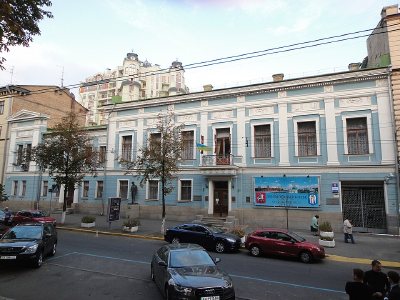
In 1875 the family moved to Kyiv, then the empire’s “sugar capital”, and settled at 12 Bibikovsky Boulevard (today 12 Taras Shevchenko Boulevard), on the corner of Oleksiivska Street. The mansion now houses the National Museum of Taras Shevchenko.
In Kyiv Tereshchenko invested steadily in education and welfare. In 1881 a school for the blind opened with his support, and he gave 23,000 rubles for the Mariinsky children’s shelter at the corner of Pankivska and Mykilsko-Botanichna streets. He backed the 5th Boys’ Gymnasium, the Trinity People’s House (now the Operetta Theatre) and a hospital for labourers, donated 150,000 rubles towards the Kyiv Polytechnic Institute and, in 1899, paid for the building of a model city school at 40 Yaroslaviv Val, which was named after him.
He also helped fund the Kyiv Museum of Art, Industry and Science (now the National Art Museum of Ukraine), buying for it the finds from Vikentiy Khvoika’s excavations. In 1892 Kyiv made him an honorary citizen.
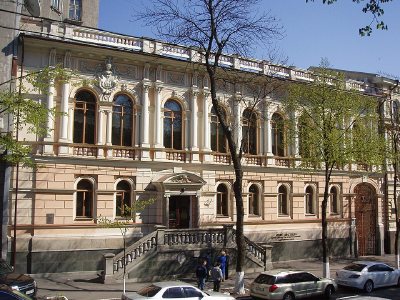
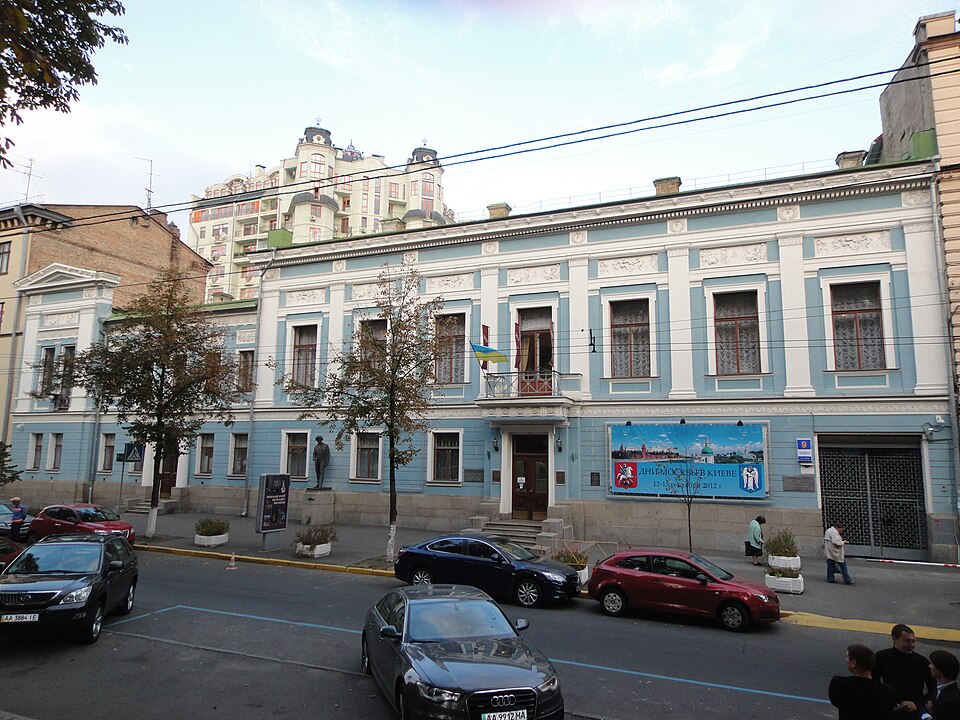
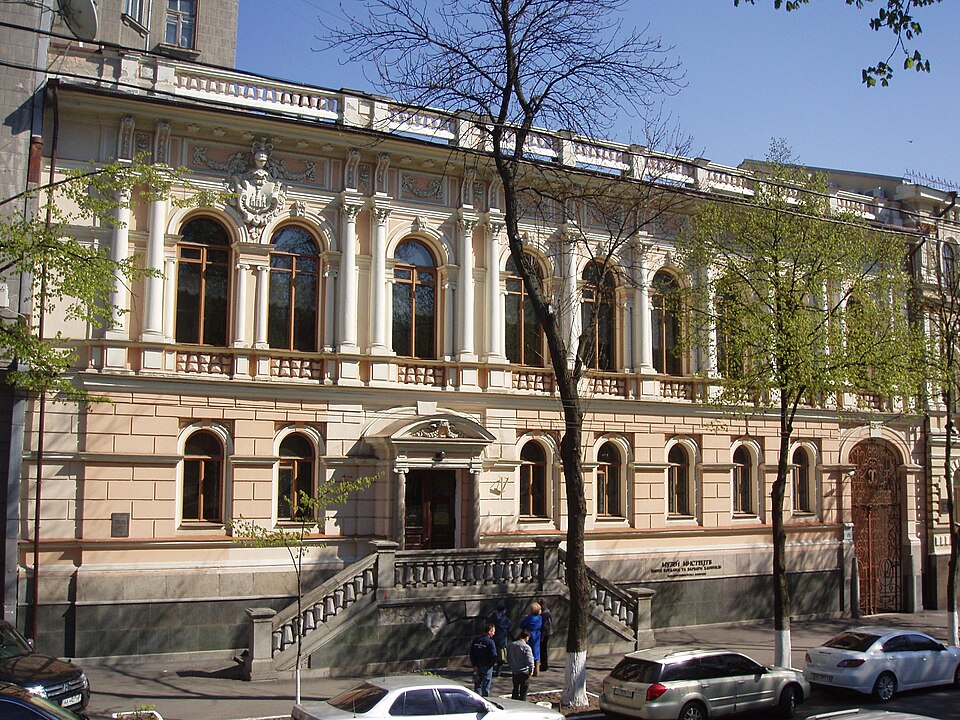
Philanthropy was a family affair. His brother Fedir (1832–1894) built a mansion at 9 Oleksiivska Street in 1882 (now the Kyiv National Art Gallery) and was the first collector in Kyiv to open his private gallery to the public. His son Ivan (1854–1903) collected paintings and supported Mykola Murashko’s Kyiv Drawing School. His eldest daughter Varvara and her husband Bohdan Khanenko assembled the collection behind today’s Khanenko Museum, housed in the mansion at 15 Oleksiivska that Mykola built and gave to Varvara in 1888. His grandson Mykhailo Tereshchenko served as finance and then foreign minister of Russia’s Provisional Government in 1917.
He died in Kyiv on 1 February 1903. The coffin was carried through the city centre and taken by train to Hlukhiv for burial in the family vault of the Three Anastasias Church; footage of the funeral is among the oldest surviving film records of Kyiv. In 1900 Oleksiivska Street had already been renamed Tereshchenkivska; under Soviet rule it became Chudnovskoho and then Repina Street, and the historic name returned in 1992.
Life timeline
- 1819 Birth Born in Hlukhiv to merchant Artemiy Tereshchenko.
- 1875 Move to Kyiv The family settles at 12 Bibikovsky Boulevard.
- 1881 School for the blind A school for the blind opens; 23,000 rubles go to the Mariinsky shelter.
- 1888 A house for his daughter Gives Varvara Khanenko the new house at 15 Oleksiivska — the future museum.
- 1892 Honorary citizen Kyiv names him an honorary citizen.
- 1899 School on Yaroslaviv Val Funds the building of a city school named after him.
- 1900 Tereshchenkivska Street Oleksiivska Street is renamed in his honour.
- 1903 Death Dies in Kyiv; buried in Hlukhiv.
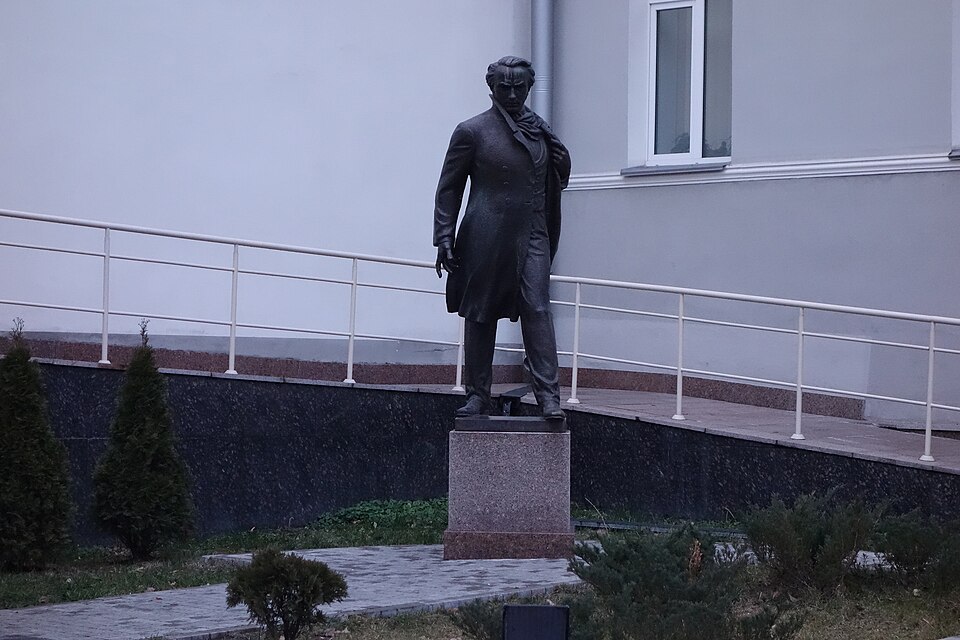
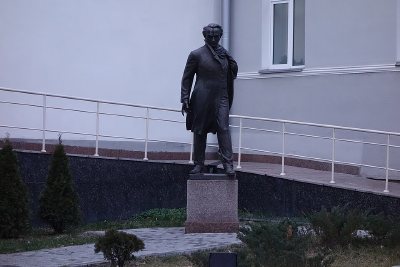
- 2009 Kyiv monument A monument by Oleksandr Mykhailytskyi is unveiled.
Key achievements
- Education Gymnasiums, the Yaroslaviv Val school, the Polytechnic Institute.
- Welfare A school for the blind, children’s shelters, a labourers’ hospital.
- Museums Support for the city art museum, the Khvoika collection.
- A family of patrons The root of the Khanenko Museum and the Tereshchenko collections.
Kyiv in their life
- 12 Taras Shevchenko Boulevard — the family mansion from 1875, now the National Museum of Taras Shevchenko.
- Tereshchenkivska Street — named after him in 1900; home to family mansions No. 9 (his brother Fedir’s, now the Kyiv Art Gallery) and No. 15 (his daughter Varvara’s, now the Khanenko Museum).
- 40 Yaroslaviv Val — the city school that bore his name (1899).
- Pankivska / Mykilsko-Botanichna streets — the Mariinsky children’s shelter (1881), built with his money.
- Monument (2009) by Oleksandr Mykhailytskyi — in the grounds of the Pediatric Cardiology and Cardiac Surgery Centre.
Gallery
-
-
-