
Kyiv Fortress Museum: History of the Pechersk Fortifications

The Kyiv Fortress grew from a 17th-century stronghold in Pechersk into a vast system of forts and casemates. Explore its history and the National Kyiv Fortress Museum.

Have you ever wanted to explore a real military stronghold whose story goes back several centuries? You don't even have to leave the capital to do it, because one of the great fortifications of its era stands right here. We are talking, of course, about the Kyiv Fortress.
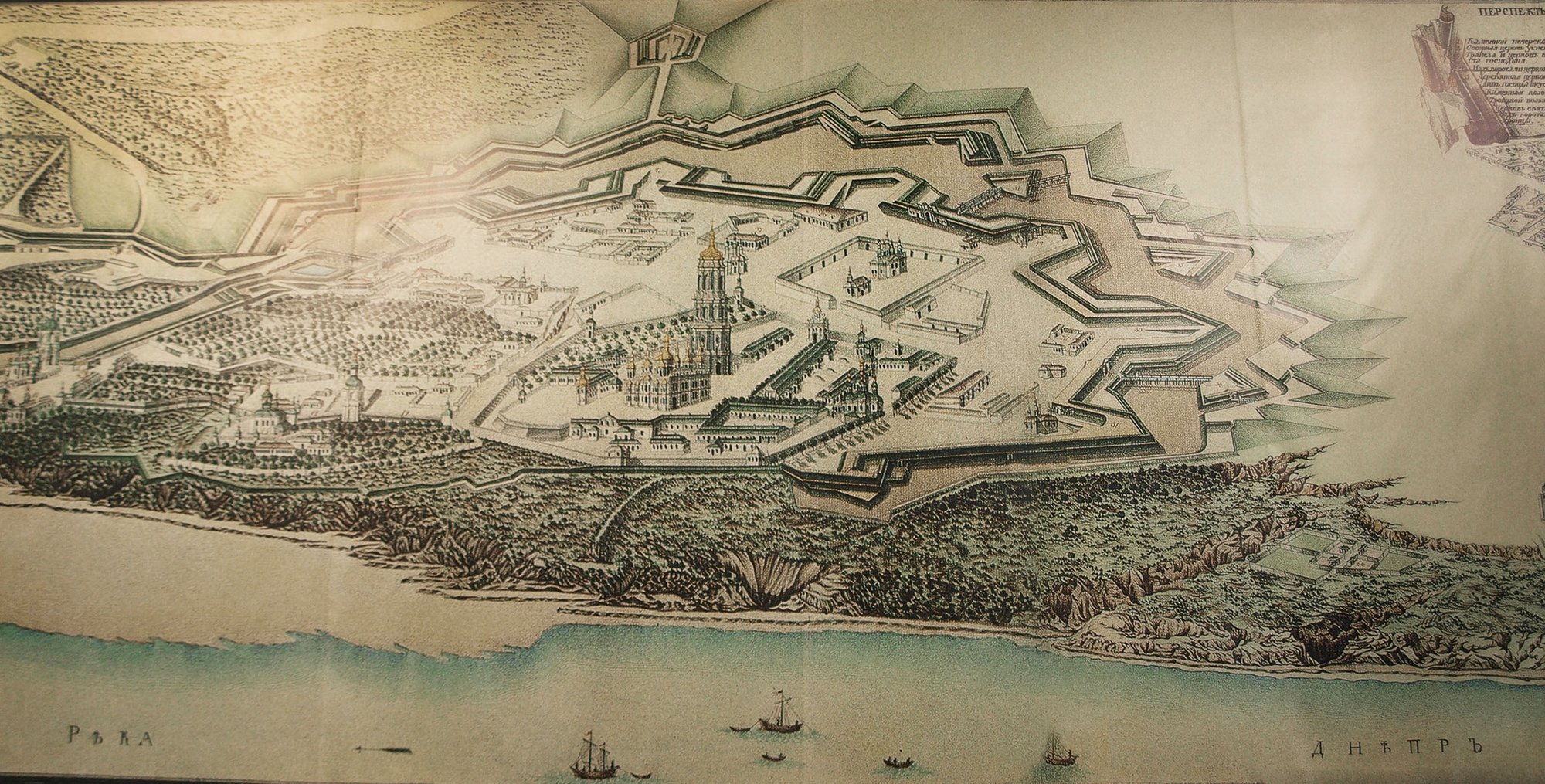
Kyiv has long been a military city, so it is no surprise that throughout its history military engineers tried to build massive fortifications here that could protect its residents when needed. Kyiv had three such fortifications: the Old Kyiv, the Podil and the Kyiv-Pechersk fortresses. All three were linked by one huge rampart (a retrenchment) stretching from the Golden Gate to the Kyiv Pechersk Lavra, so that the total perimeter of the fortifications reached ten kilometers.

After the Pereiaslav Council of 1654 placed the Cossack Hetmanate under the Moscow tsar, Kyiv drew special attention because of its important economic and military-political position as the center of the Dnipro region.
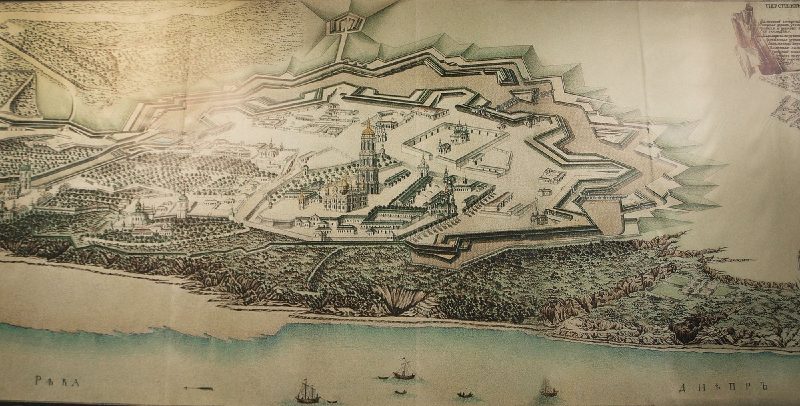
Construction of the Old Pechersk Fortress, which later became the citadel of the New Pechersk Fortress, began under Hetman Ivan Samoilovych in 1679. However, the main fortification work started only after Peter I took an interest in the site and, after discussing the matter with Ivan Mazepa, ordered the foundation of the fortifications in 1706. The Great Northern War had made Kyiv's lack of defenses an urgent problem, which is why building the fortress became such a pressing issue.

Throughout the 18th century, the fortress was gradually expanded with new structures: the Earthen Fortress was built in 1726, the Kyiv Gate in 1733, the Vasylkiv Gate in 1755, the Moscow Gate between 1765 and 1779, and the Arsenal between 1784 and 1798.
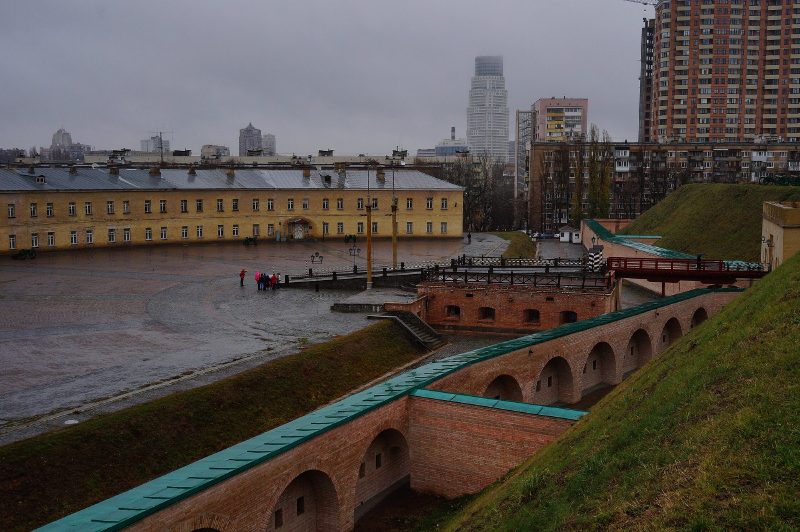
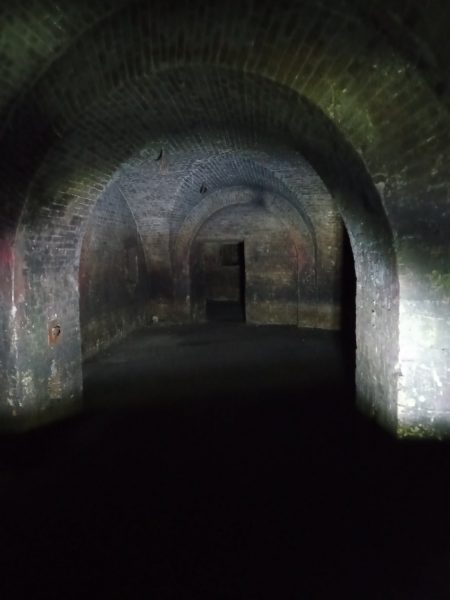
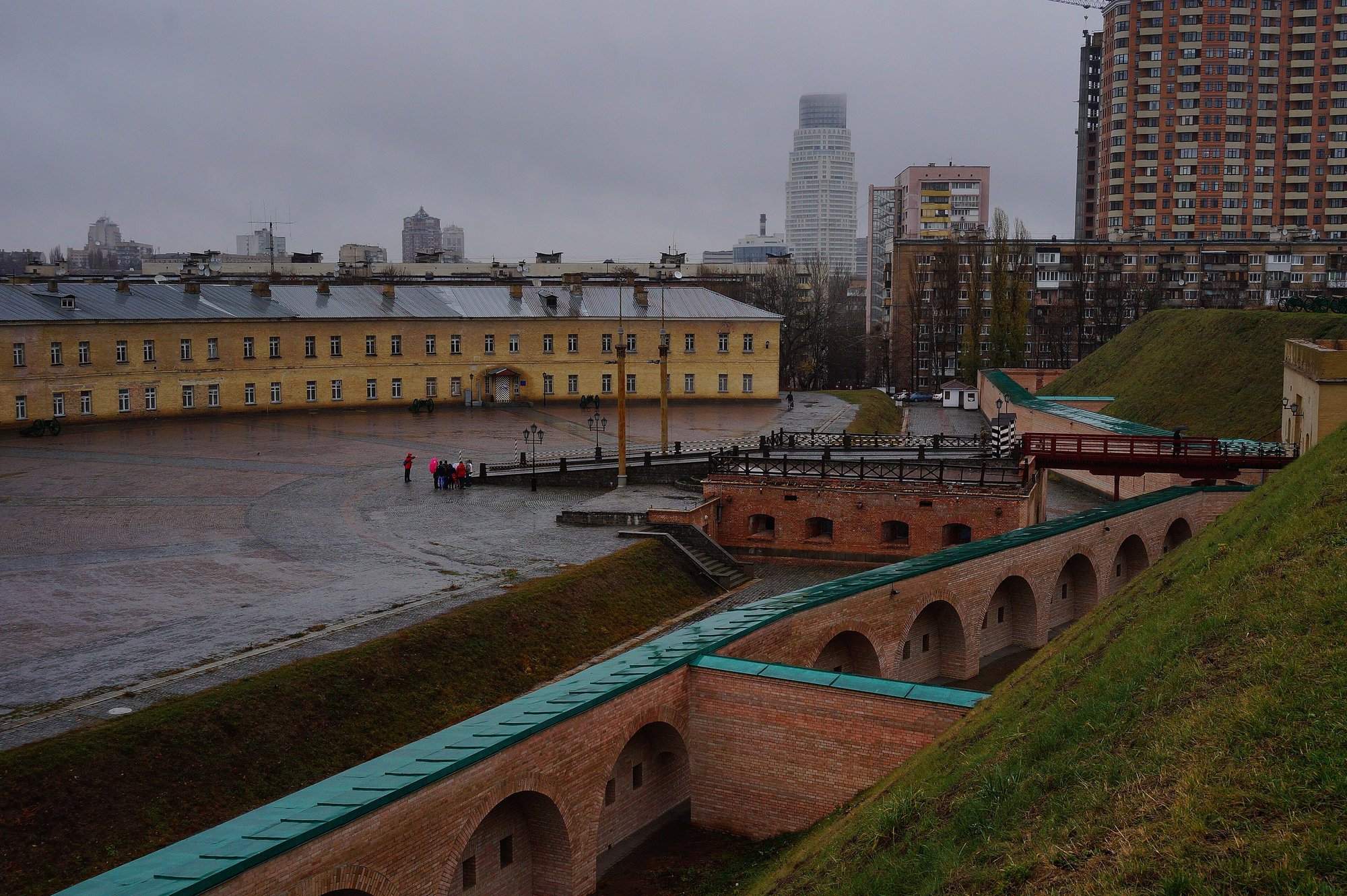
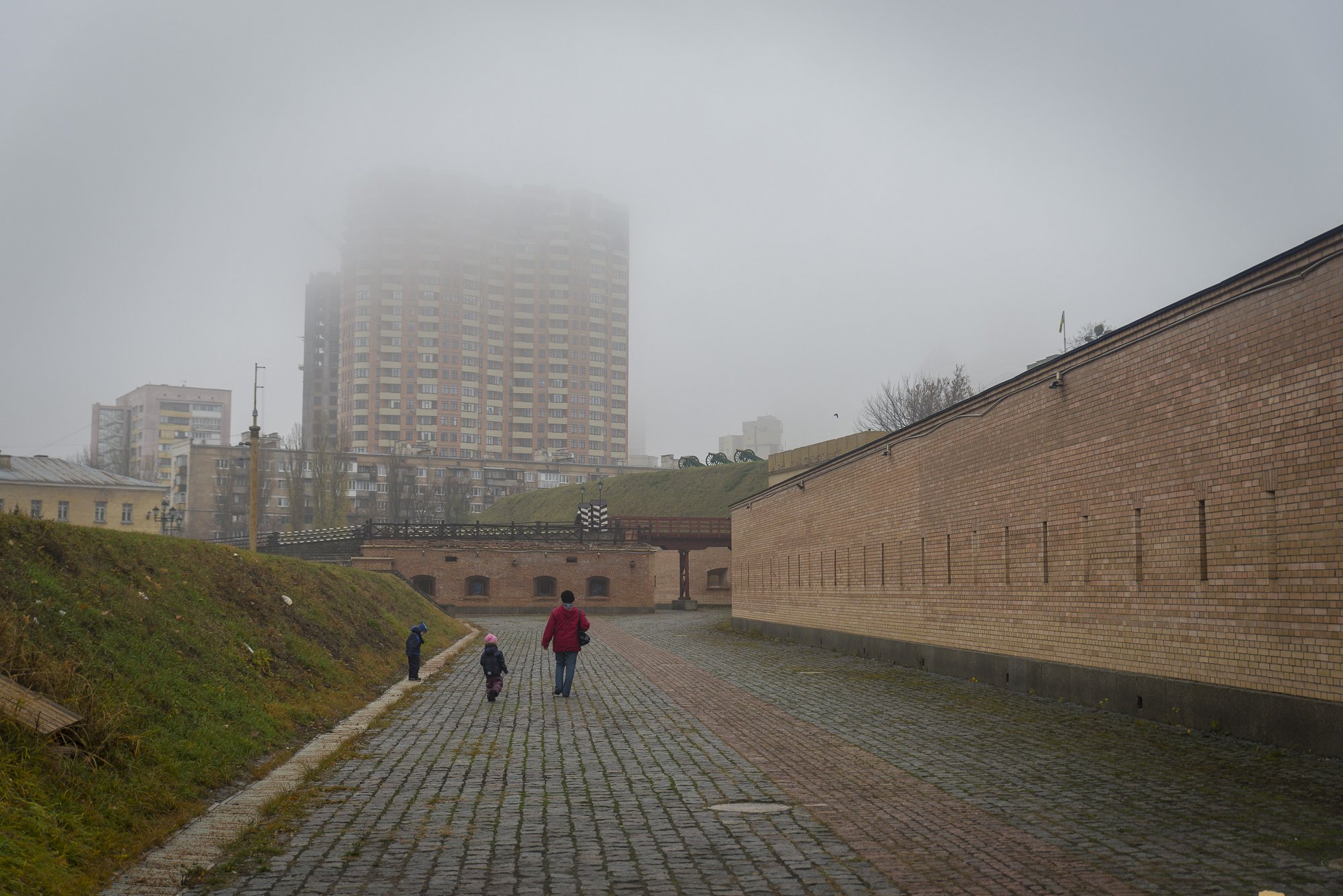
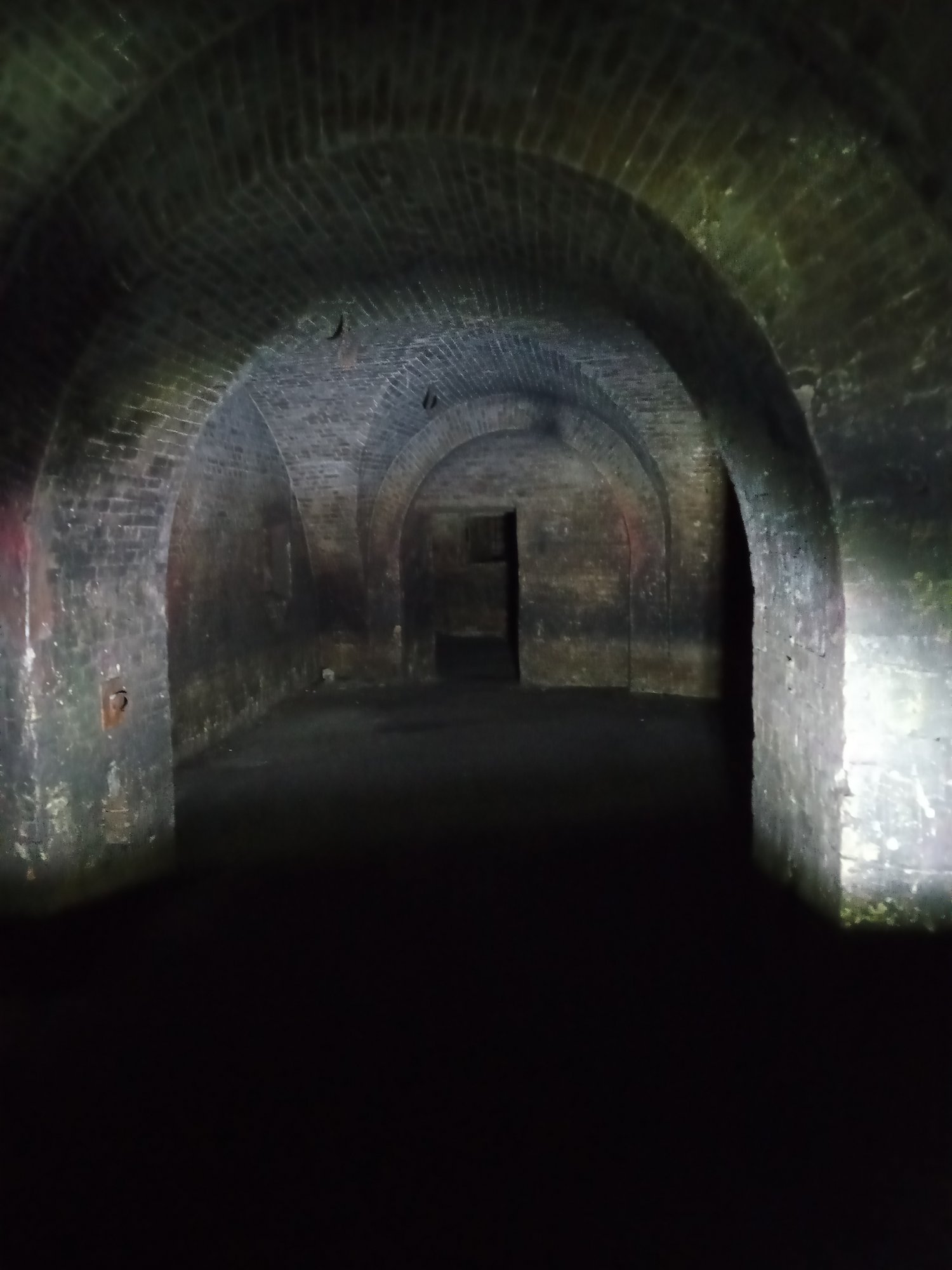
The fortress got a new lease on life in the 1830s, when the master plan for the New Pechersk Fortress was approved. The new fortress was to be larger and more ambitious, while the old one would serve as its citadel; in 1844–1845 it was further reinforced with walls around the Near and Far Caves. In this period, the Kyiv-Pechersk Fortress became the city's only fortress, consisting of the Citadel around the Lavra, three separate fortifications (Zvirynets, Vasylkiv and Hospital) and a number of individual defensive barracks and towers built along the edge of the Pechersk heights on Cherepanova Hill. The fortifications stretched for more than ten versts, the storehouses could supply an army of a hundred thousand, and the garrison numbered twenty thousand men. The system provided a deeply layered, multi-tier defense, reinforced by underground passages linking all the main elements.

The fortress's further development was driven by changes in battle tactics and the modernization of weapons, a need that arose with the Crimean War (1853–1856). The Kyiv Fortress never saw combat, but that did not lessen its importance: it served as a huge military base supplying weapons and ammunition.
In 1872–1875, Kyiv's defenses were strengthened by the enormous Lysa Hora Fort, covering more than 100 hectares.
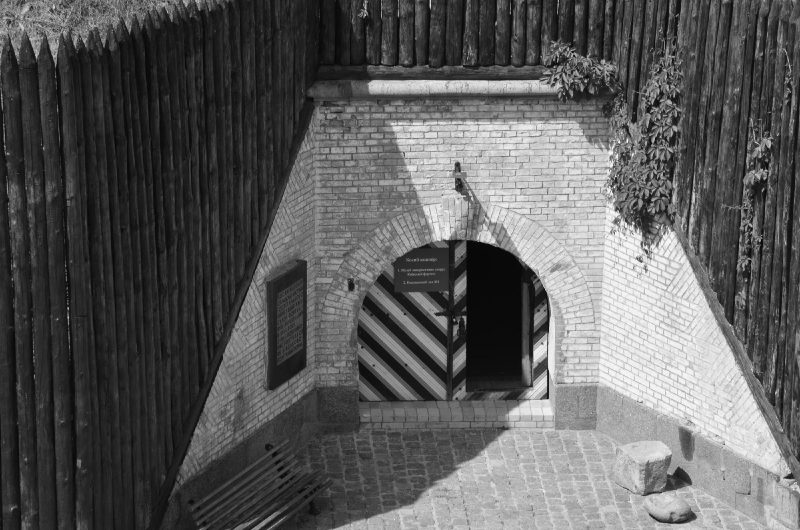
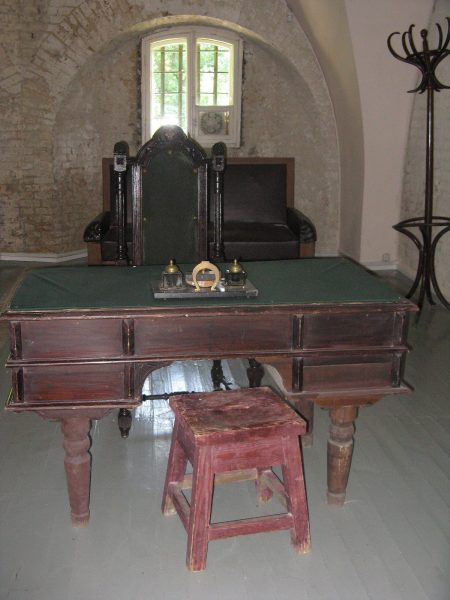
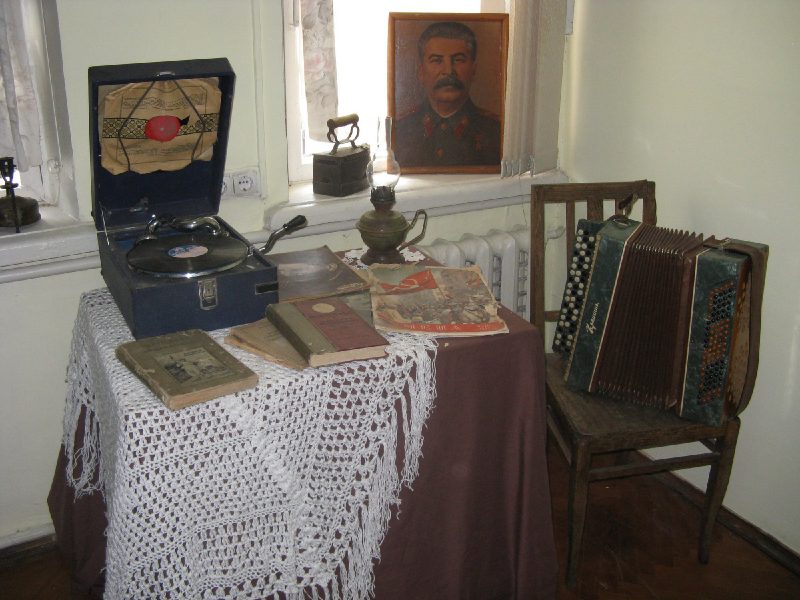
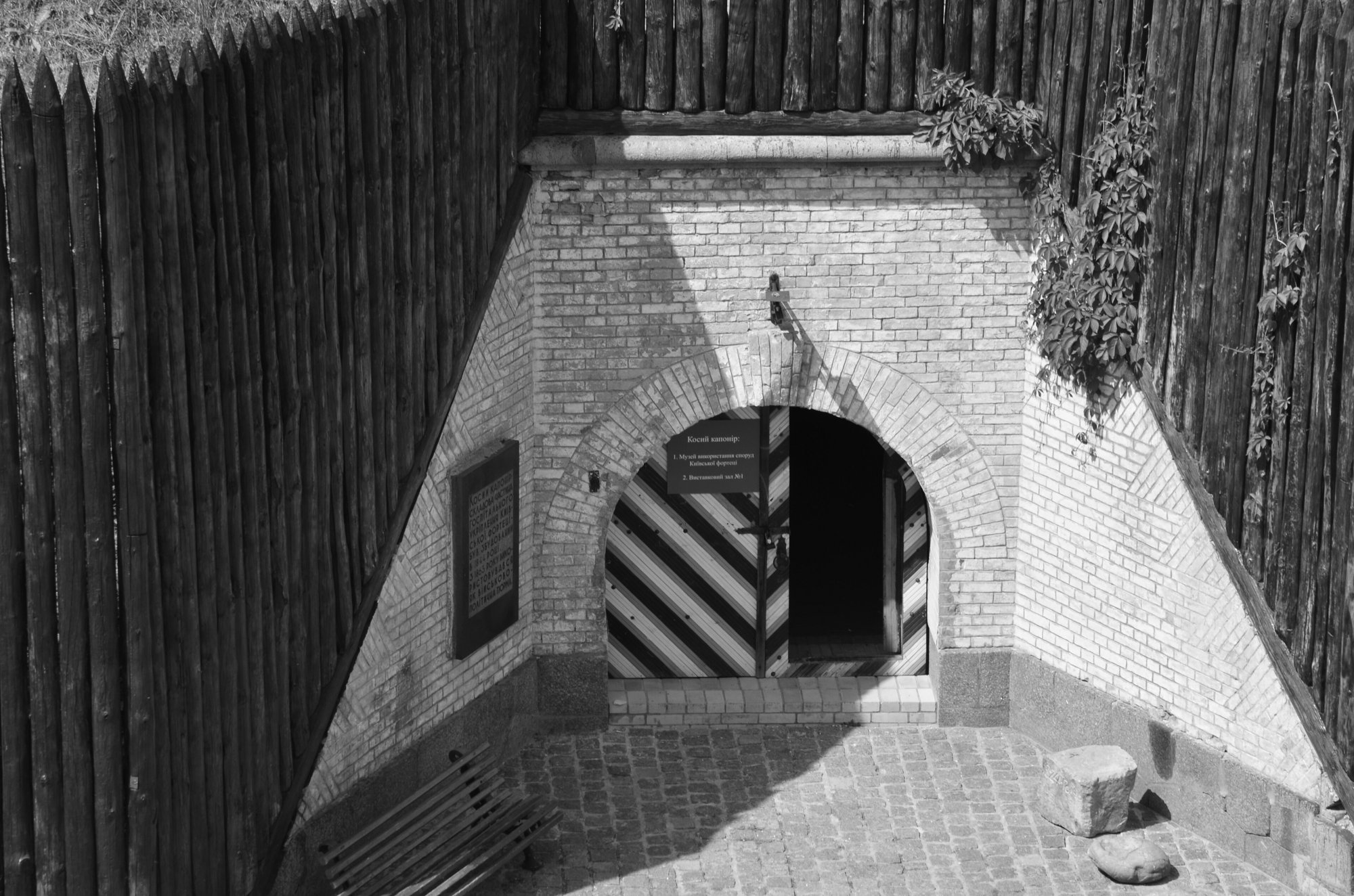
The site was established as a historical monument in 1930 under the name "Oblique Caponier" (Kosyi Kaponir) and became a branch of the Museum of the Revolution; from 1940 it operated as a branch of the State Historical Museum. In 1991 it was renamed the Kyiv Fortress Historical and Architectural Museum, and in 2007 it was granted National status.
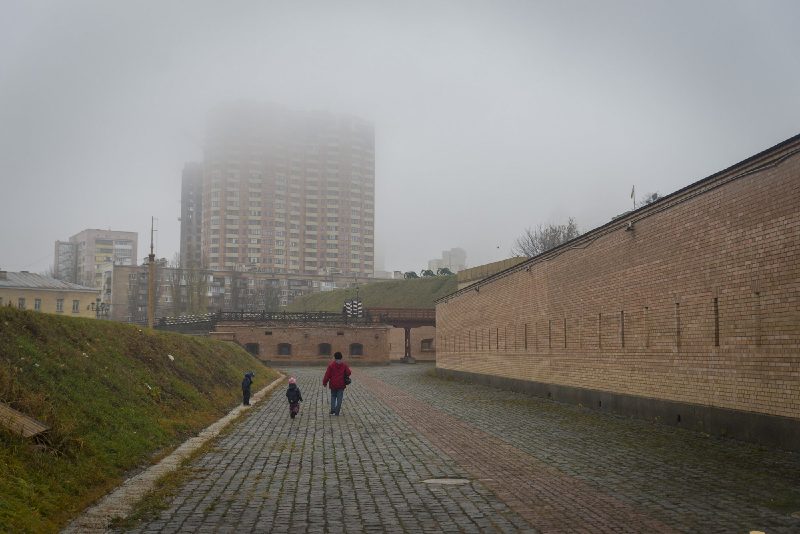
The Kyiv Fortress is a great place to see with your own eyes a large-scale fortification that has survived remarkably well since it was built.
So if you are interested in history and military strategy, you are sure to find something fascinating here.
Address: Kyiv, 24a Hospitalna Street.
Photo gallery · 7 photos
Through the years
-
-
-
-
-
-
-
Then and now
Compare yourself
Drag the slider to see how the place has changed.
Slider


Photo overlay


Guide
Similar places
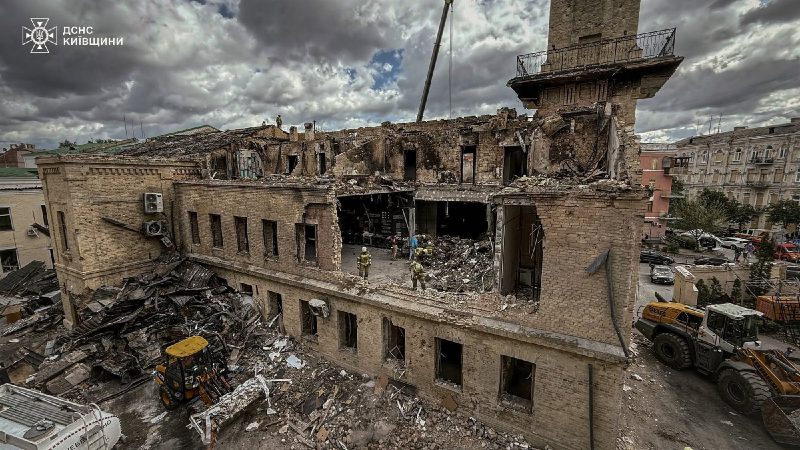 National Chornobyl MuseumA museum of the 1986 disaster housed in an old Podil fire station — from declassified files and liquidators' belongings to its partial destruction by a Russian missile in 2026.
 Museum of Kyiv History: From Podil to Bohdana Khmelnytskoho StreetThe Museum of Kyiv History tells the city's story from Kyivan Rus to modern times. Learn how the museum was founded, moved several times and what its collection holds.
 Kyiv Museums: Toilet History MuseumOne of the first and largest museums devoted to the most important piece of plumbing in anyone's life, the toilet. It began by chance: in 1995 friends of Mykola Bohdanenko jokingly gave him a souvenir toilet when he opened his plumbing shop. Nobody expected that one toilet would spark such an interest, and by November 2010 his collection had entered the National Register of Records of Ukraine as…

