
State Toy Museum in Kyiv: A Trip Back to Childhood

The State Toy Museum in Kyiv holds some 15,000 toys, from a 19th-century doll to a vintage steam engine model, tracing a century of Ukrainian toymaking.

What do we remember most when asked about our childhood? Wonderful vacation days, when you could play outside with friends for months on end. Cops and robbers, jump rope, hopscotch and other street games whose rules kids today no longer know. Summer camps. Trips to the circus and the movies. Waiting for New Year's and birthdays. But above all we remember our toys, which back then seemed like a child's most precious possessions. We were proud of them. We waited for them on holidays. We traded them with friends. We loved them. But time passes, and childhood goes with it. Our toys get lost, and all that remains of them are memories. The next time we happen to spot a teddy bear in a toy store, a thought will flash through our minds: "I had one just like that as a kid." And the warm memory will bring a smile to our faces. You can give in to those memories at the State Toy Museum of the Ministry of Education and Science of Ukraine.

The idea for the museum goes back to 1933, when the Soviet authorities decided to set up similar institutions in Moscow, Tashkent, Kharkiv, Tbilisi and Kyiv. In 1936 Kyiv's first permanent toy exhibition opened, and its collection later became the foundation of the future museum.

The toys for the exhibition were chosen in a fairly simple way. The core of the collection consisted of reference samples of Ukrainian-made toys approved by a special committee of the Ministry of Education. Over time the collection was repeatedly enriched with unique handmade toys and with donations from generous members of the public. It has grown to around fifteen thousand toys that illustrate the development of toymaking in Ukraine.
The Toy Museum itself opened only on January 1, 2005, 69 years after the exhibition was founded.

Besides displaying toys made between the late 1930s and the early 1990s, the museum is active in research and cultural work. One of its areas of activity is organizing competitions: since the 1950s it has periodically held contests for the best toy, with themes ranging from the materials a toy is made of to its technical design.

The museum also maintains a library of teaching aids that can be of interest to schoolchildren, students, teachers and toy industry professionals. Many students base their term papers and theses on material gathered here. The museum's specialists give lectures and run seminars, and a virtual tour is available to schools and libraries by arrangement.
If you want not just to look at the exhibits but to really understand their meaning and purpose, you can attend workshops where every aspect is explained.

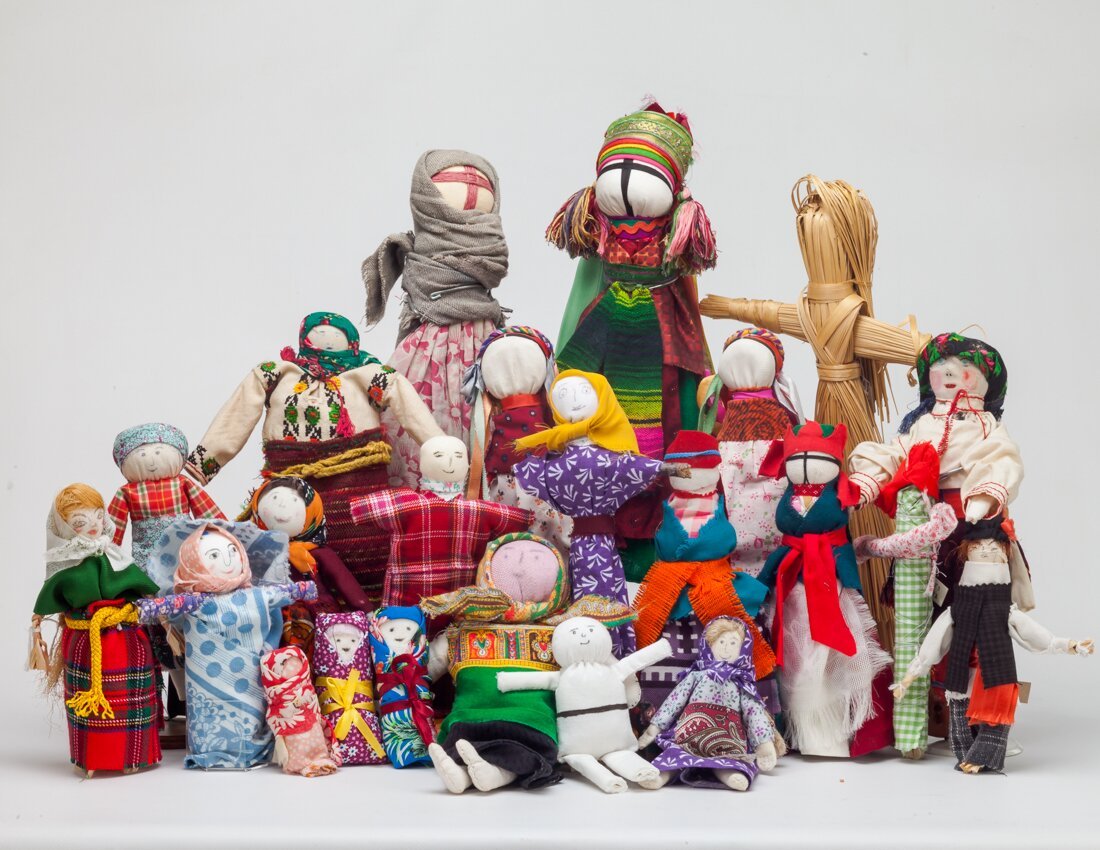
Here you can see the highlights of the collection with your own eyes: a doll made in the 19th century; an African baby doll donated by the family of academician Oleksandr Bohomolets; a little Christmas tree made of chicken feathers by Sofiia Zyma; a working model of a steam engine; a decades-old toy children's railway; and the first "transformer" toy, "From Horse to Tractor," which was widespread in the 1940s.

If you love toys, if you want to show your kids how children entertained themselves before iPhones and iPads, or if you simply want to feel little again, the Toy Museum is worth a visit. There is a child living inside every adult — so treat yours to a trip to this museum!
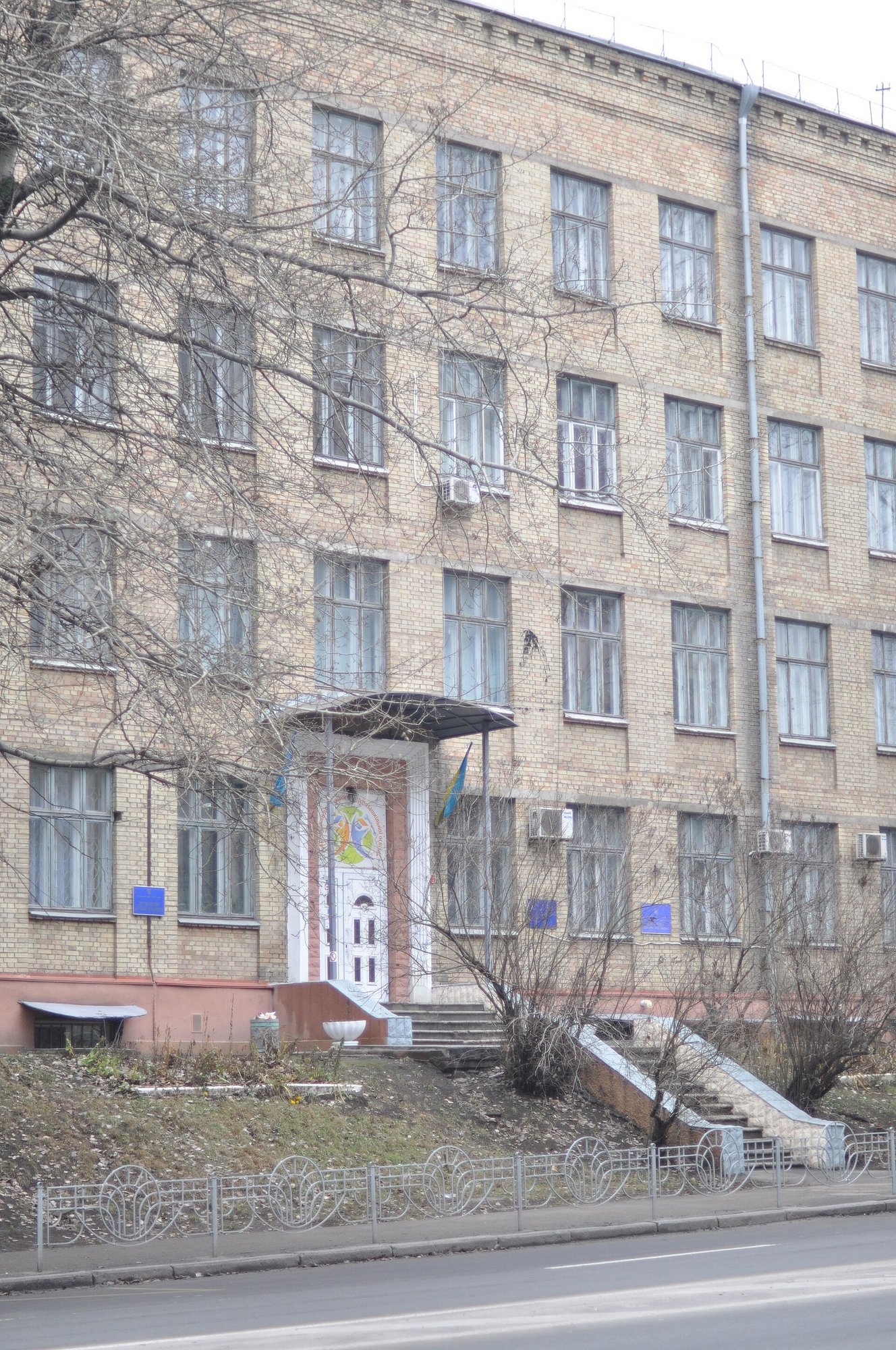
Address: 8 Klovskyi Descent (Klovskyi uzviz), Kyiv.


Guide
Similar places
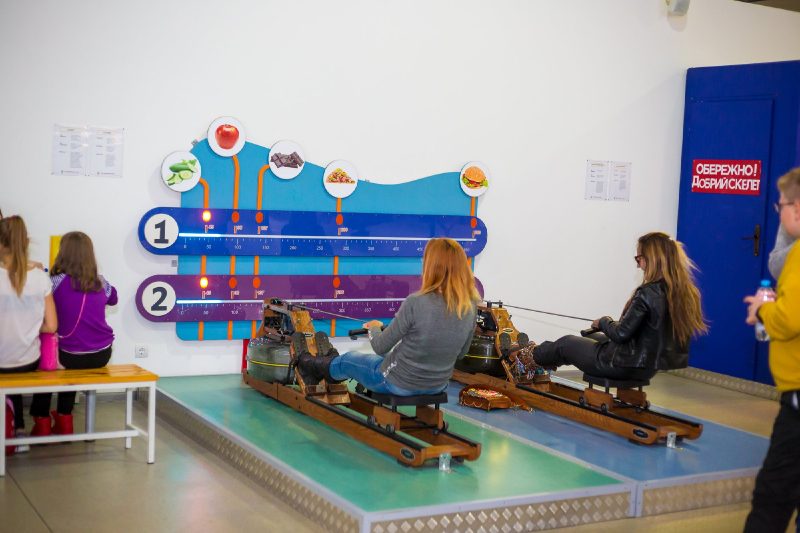 Experimentanium Kyiv: Hands-On Science Museum for All AgesExperimentanium in Kyiv is a hands-on science museum with over 250 interactive exhibits, Tesla and chemistry shows, laser mazes and a tornado machine for kids.
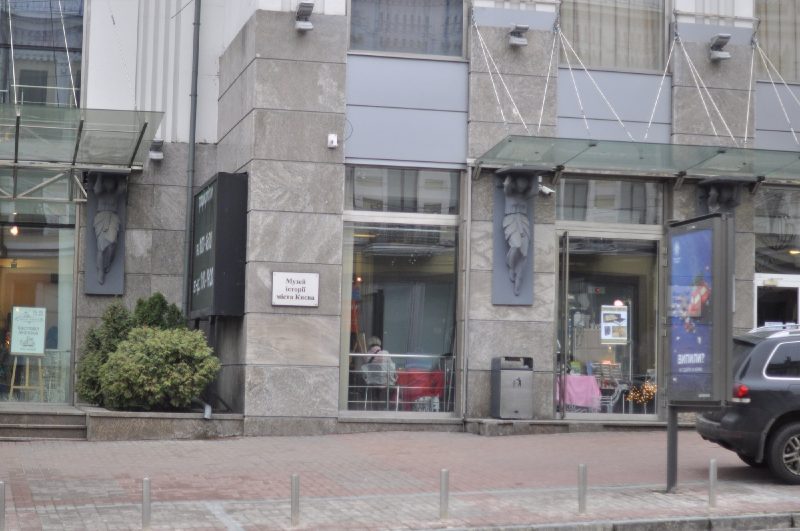 Museum of Kyiv History: From Podil to Bohdana Khmelnytskoho StreetThe Museum of Kyiv History tells the city's story from Kyivan Rus to modern times. Learn how the museum was founded, moved several times and what its collection holds.
 Kyiv Metro Museum: The Story of the City's SubwayDiscover the Kyiv Metro Museum: three halls of photos, documents, train models, rare tickets and a working depot model that tell the story of the city's subway.


