
- Home
- Places
- Architecture
- Mariinskyi Palace in Kyiv: History and Architecture
Mariinskyi Palace in Kyiv: History and Architecture

Mariinskyi Palace in Kyiv, a baroque masterpiece designed by Rastrelli in the 1750s: its history, fires, reconstructions, interiors and ceremonial role.
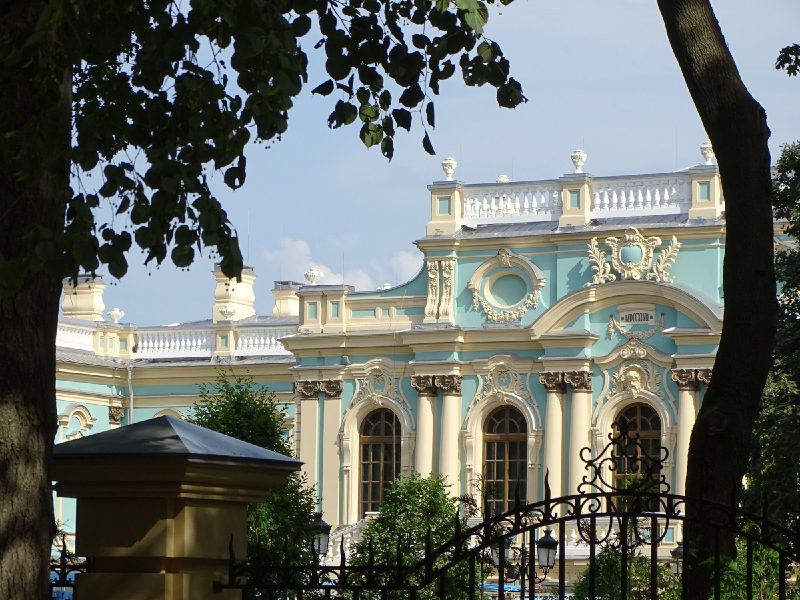
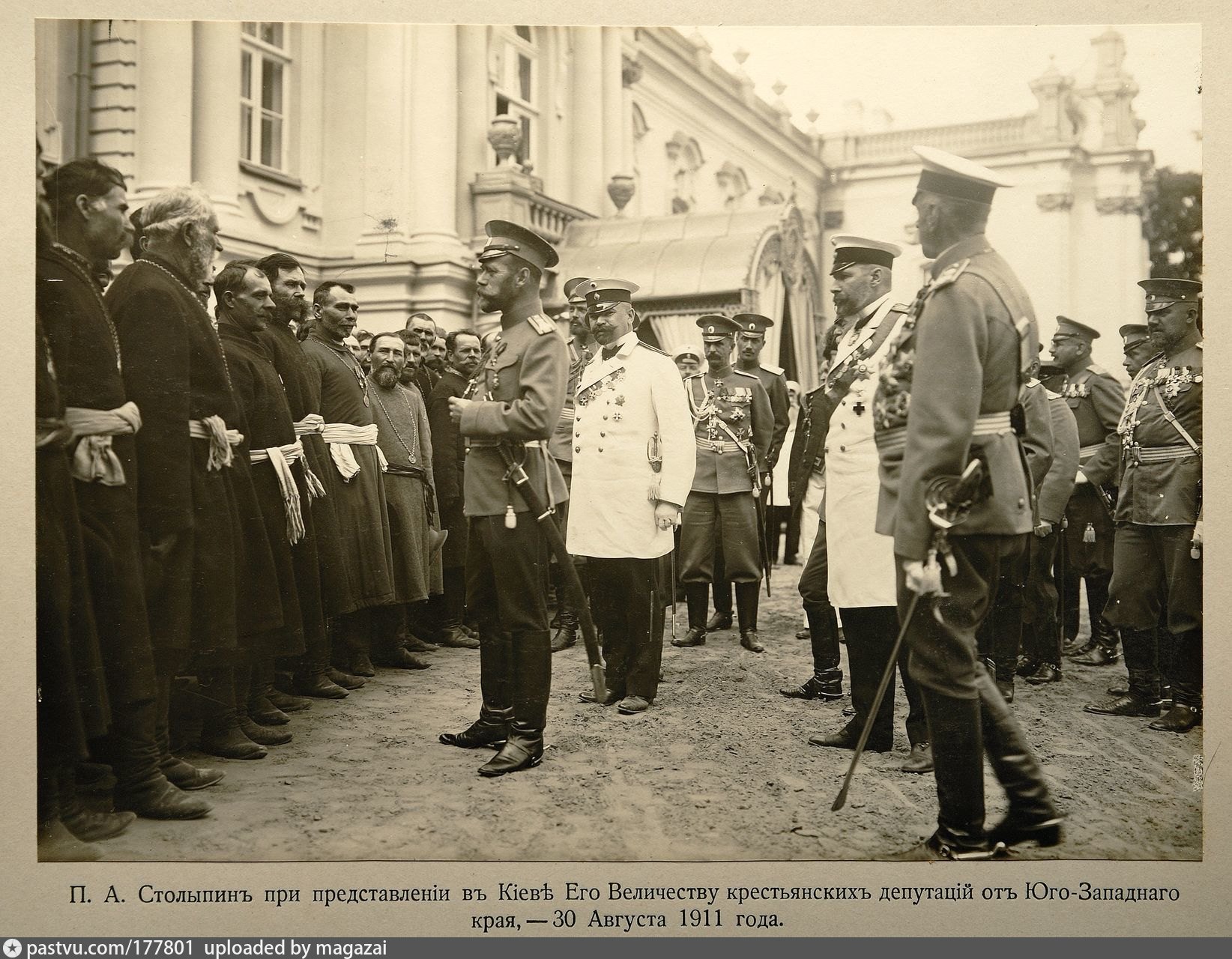
In 1744, during a visit to Kyiv, Empress Elizabeth, daughter of Peter I, personally chose the site for a palace. Mariinskyi Palace was built in 1750–1755 to a design by Bartolomeo Rastrelli. Construction was supervised by the prominent architect Ivan Michurin.

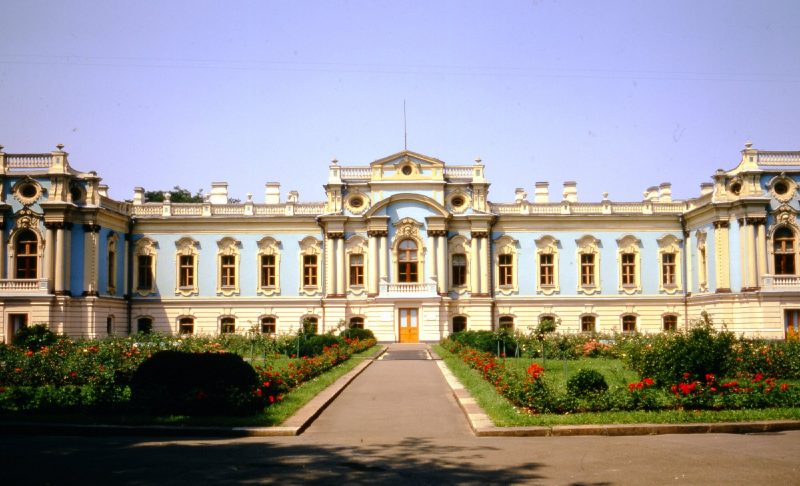
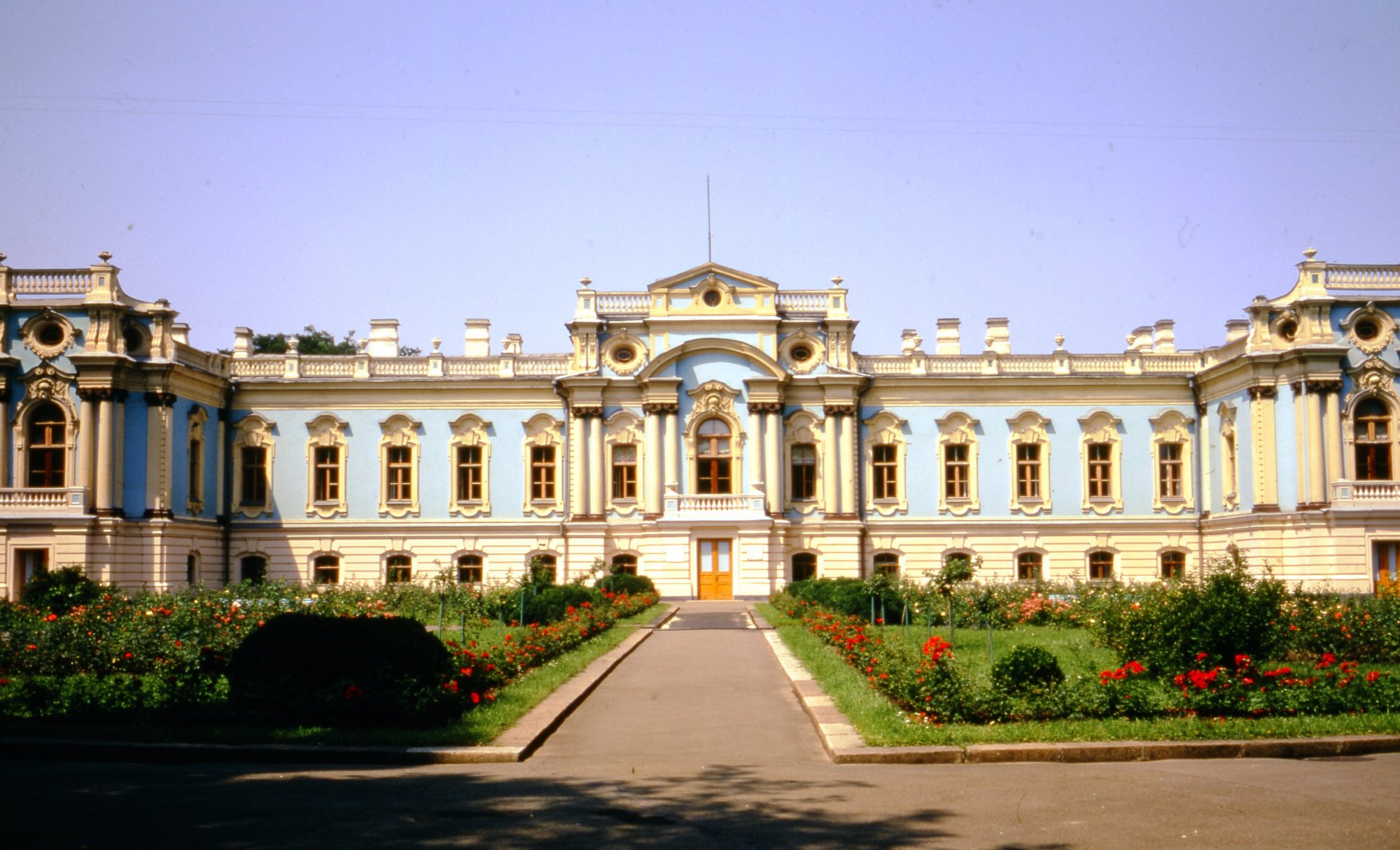
The main facade of Mariinskyi Palace faces Mariinskyi Park. The park was laid out in 1874, and its winding paths blend into the landscape.
On the opposite side of the palace lies the City (Tsar's) Garden, founded in 1743 on the basis of the old Regular Garden established under Peter I. Its style is classical: a network of straight paths crossing at right angles.
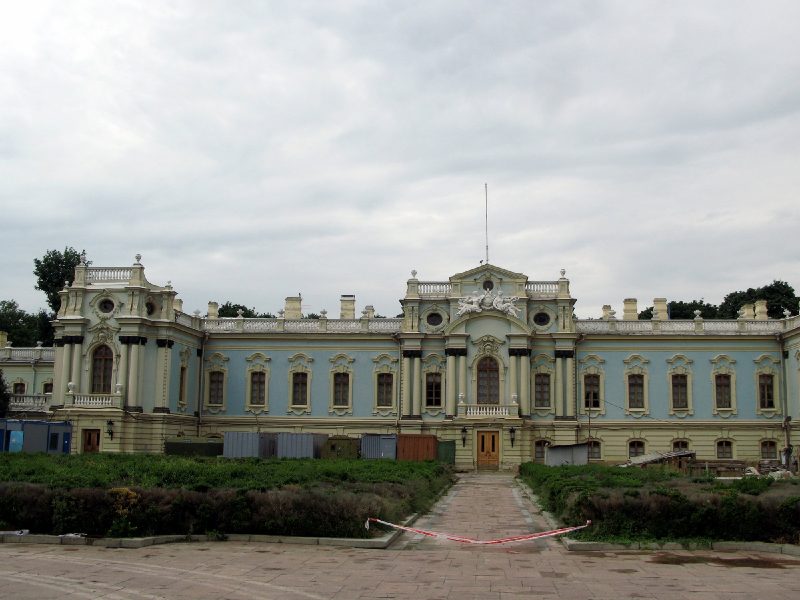
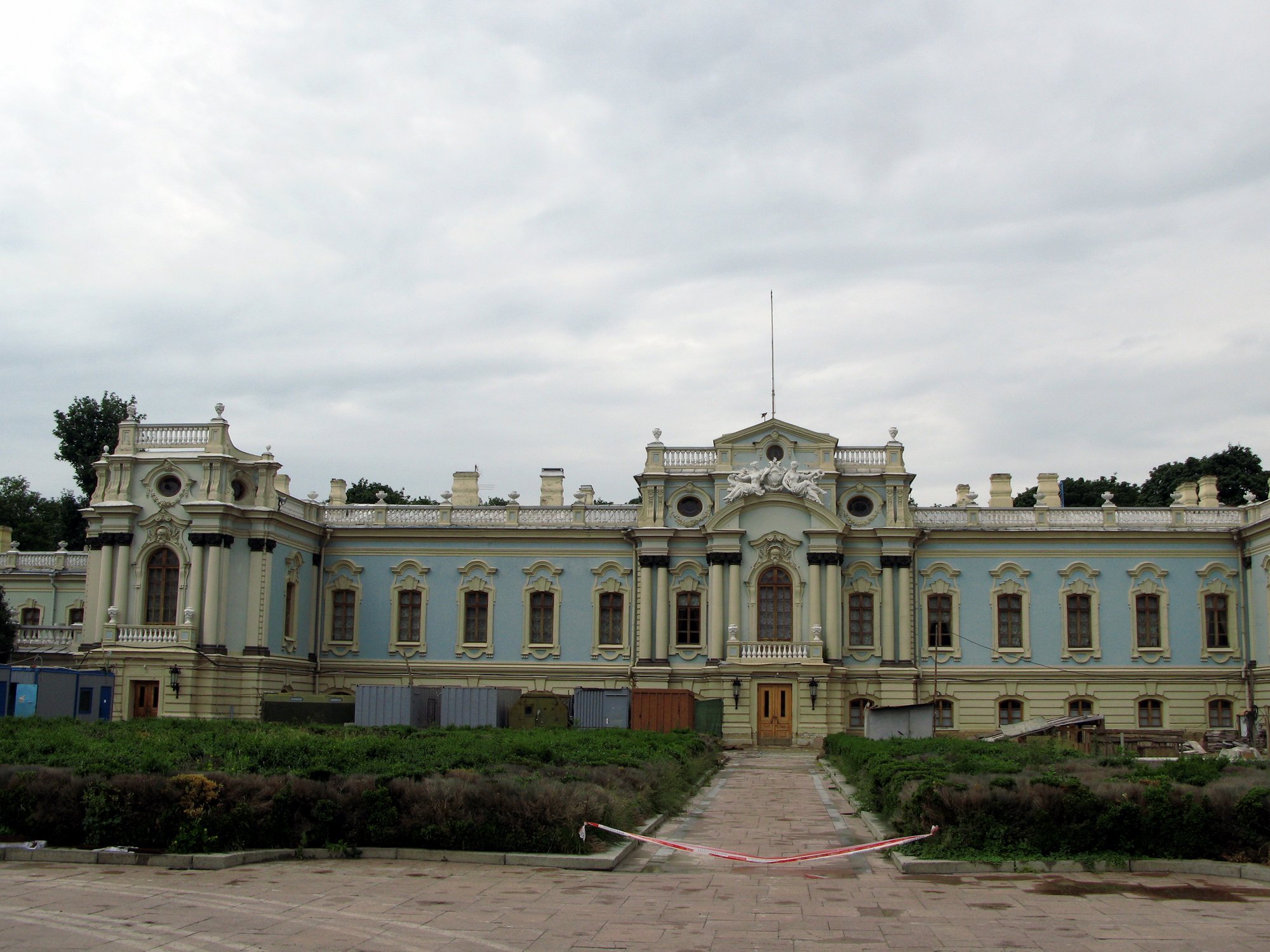
The palace complex has a strictly symmetrical composition. The main two-story building and the one-story side wings form a wide courtyard.
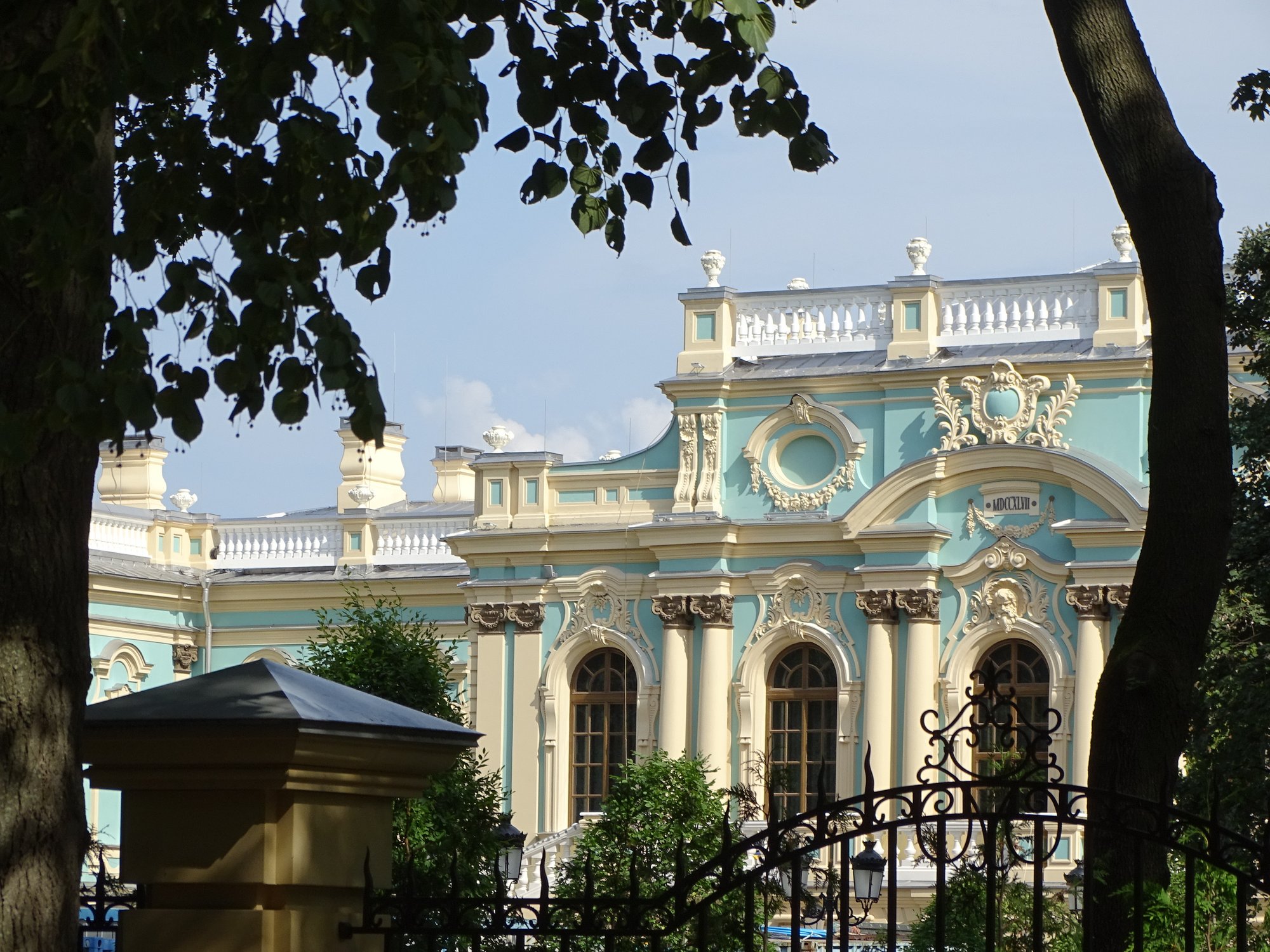
The palace is designed in the Baroque style, with expressive volumes and richly sculpted facades.
Over its long history, Mariinskyi Palace has been reconstructed many times. A major reconstruction took place in 1868–1870 after a great fire that had destroyed the wooden second floor and all the state rooms.
During the restoration a stone upper floor was added, the facades were enriched with new details, and the interiors were redone in a classical style with Baroque and Renaissance elements.
The work was led by the academician of architecture Konstantin Maievskyi. The year it was completed, 1870, is inscribed in a cartouche on the facade facing the park.
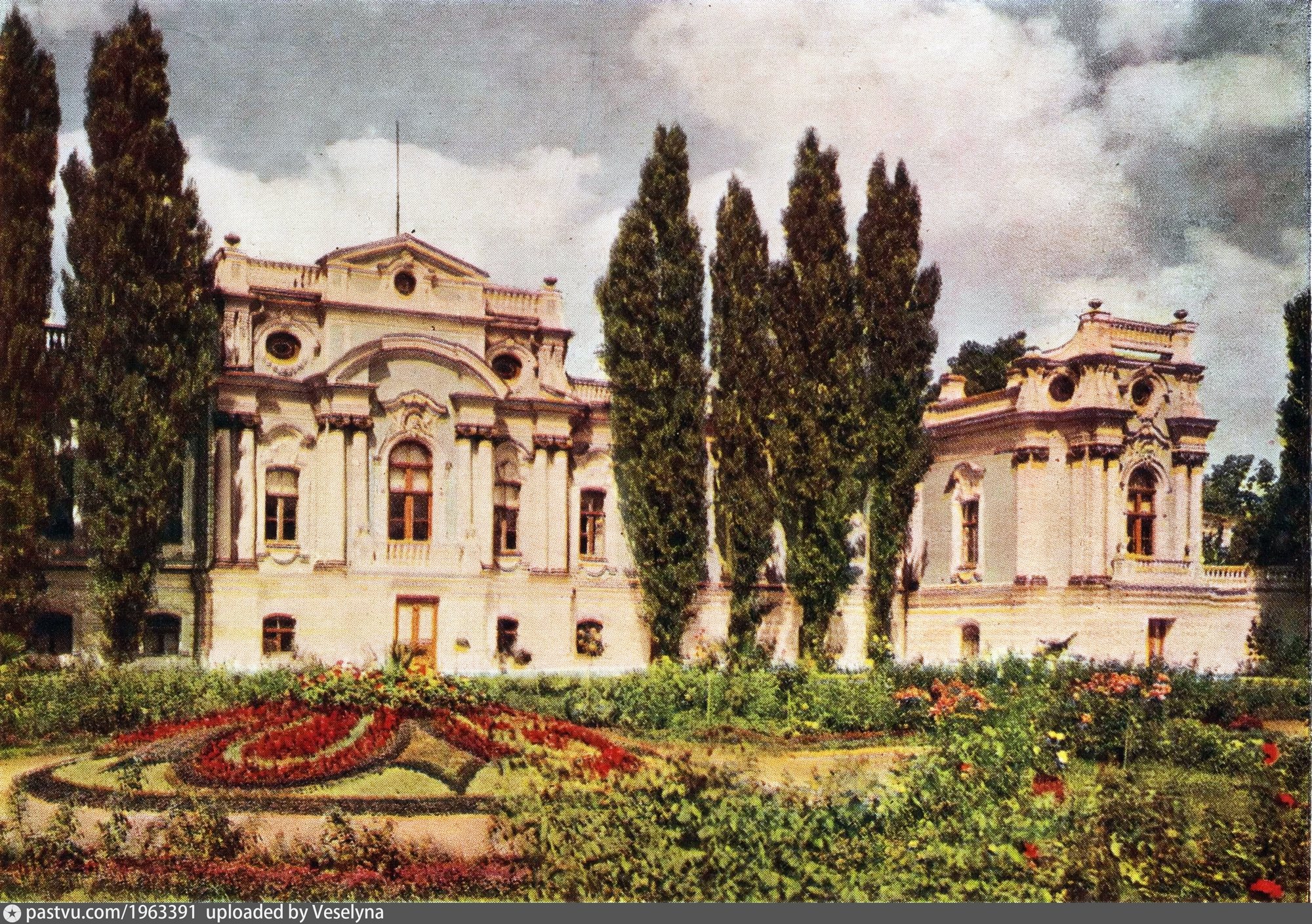
Mariinskyi Palace was badly damaged during World War II: a bomb that hit it destroyed the central part of the building.
In 1945–1949 the palace was rebuilt under the direction of the Ukrainian architect Pavlo Alioshyn.
In 1979–1982, after thorough research, the palace was restored. The grounds were landscaped according to drawings approved in his day by Rastrelli.
The shape of the fountains and the layout of the plantings follow 18th-century tradition. The fountains are decorated with pairs of sculptural groups, copies of mid-18th-century sculptures kept in Ukrainian museums.
A marble staircase leads from the palace vestibule to the second floor, where the state halls are located.
Important elements of the palace's artistic decoration include works of decorative and applied art, as well as furniture and chandeliers (both antique pieces and pieces made by modern craftsmen in the spirit of the 18th and 19th centuries), and paintings by renowned artists.
Small fragments of wall paintings by the artist K. Alliaudi have survived in some of the halls.
The palace's magnificent parquet floor was recreated during the latest restoration. Made of precious woods, it impresses with the beauty of its pattern and the perfection of its craftsmanship.
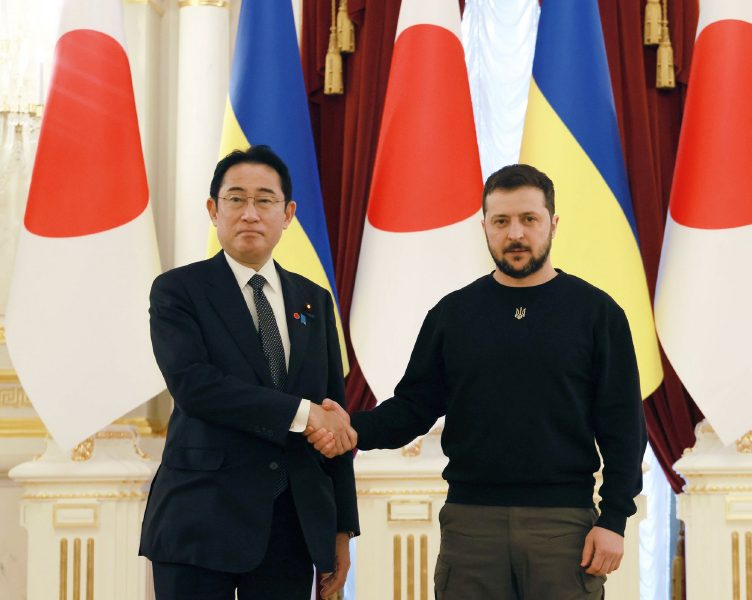
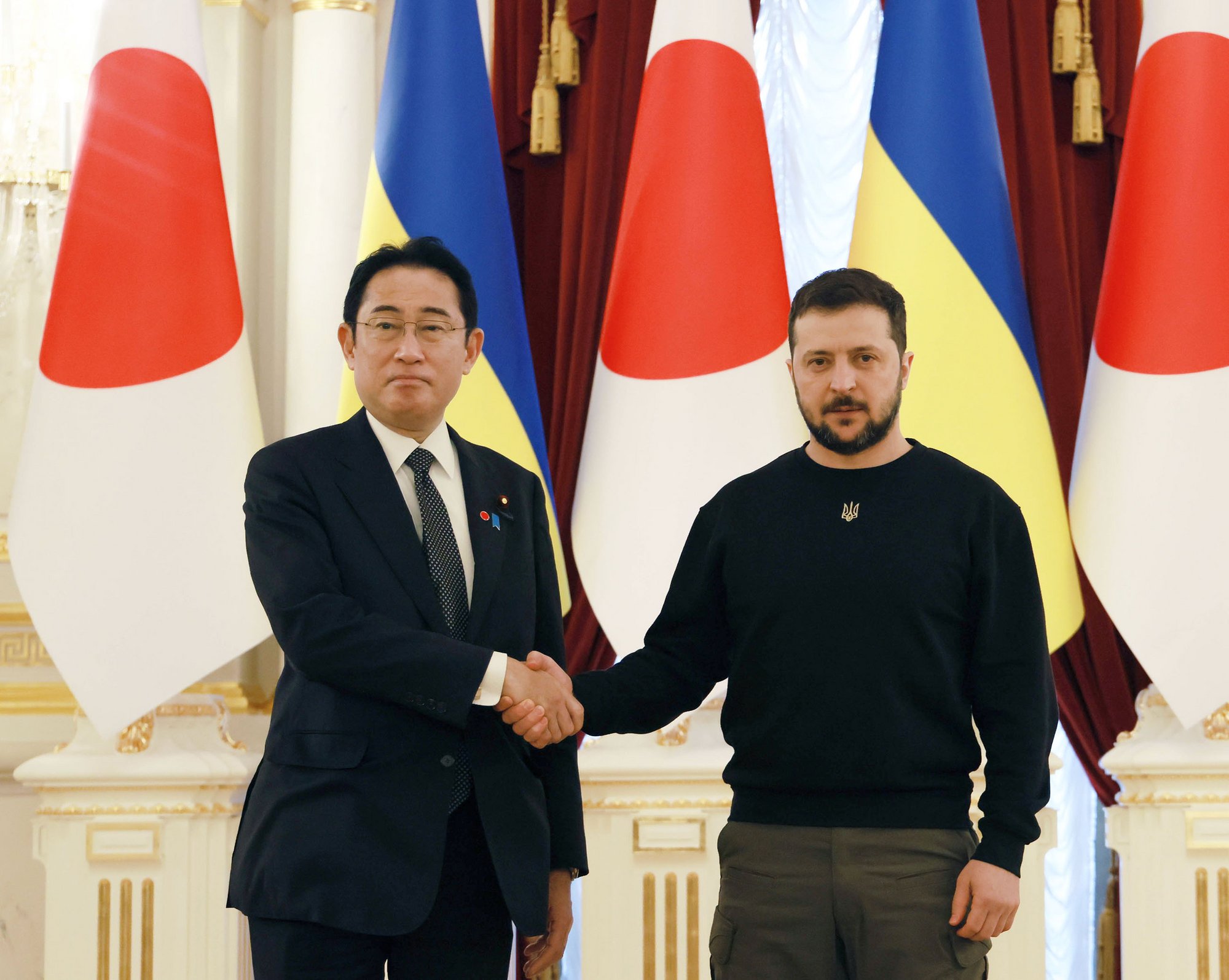
This historic building represents Ukraine to the world as a state residence and is known as the Presidential Palace.
It hosts formal state events: award ceremonies, receptions, the presentation of credentials by foreign ambassadors, summits and top-level meetings of official delegations.


Photo gallery · 6 photos
Through the years
-
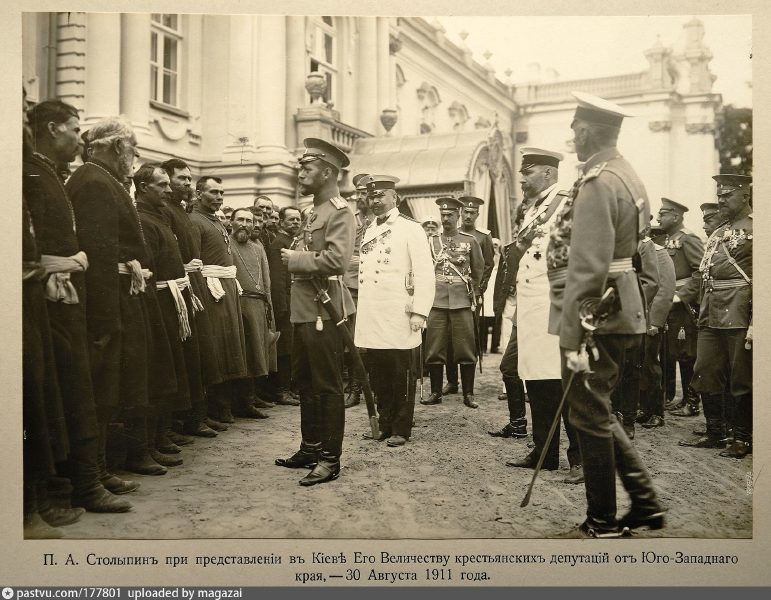
-
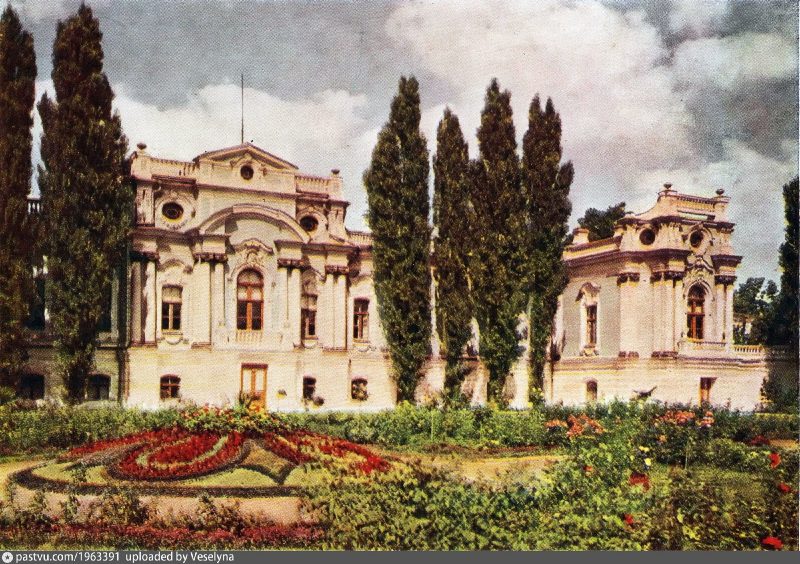
-
-
-
-
Then and now
Compare yourself
Drag the slider to see how the place has changed.
Slider


Photo overlay


Guide
Similar places
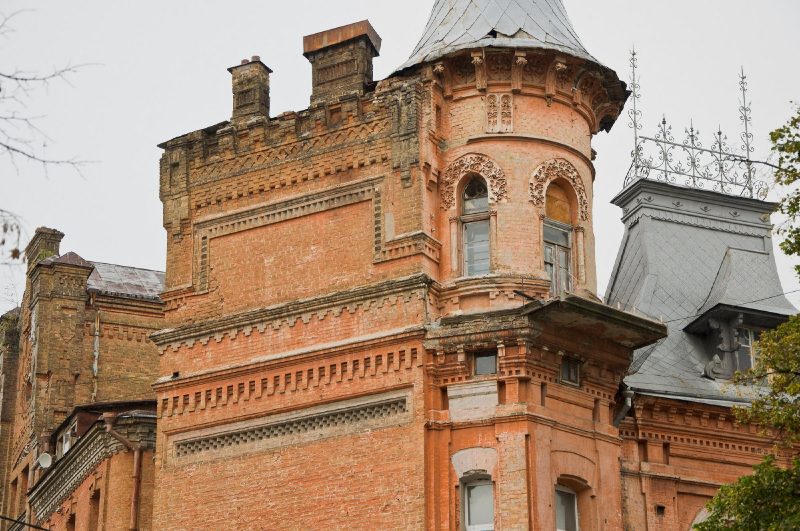 Baron's CastlePidhorskyi's house on Yaroslaviv Val, a red neo-Gothic 'castle' with a spired tower and winged figures over the gate, built in 1896–1898 by engineer Mykola Dobachevskyi.
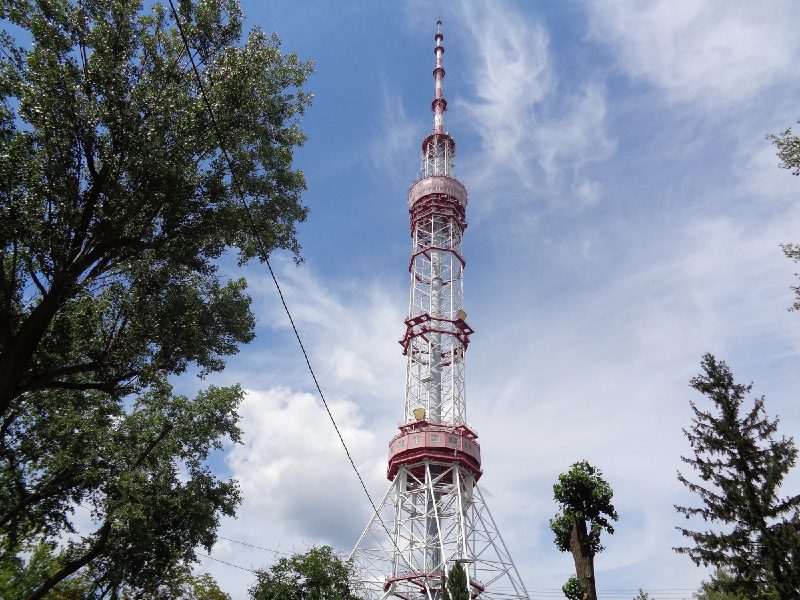 Kyiv TV Tower: Interesting FactsKyiv's 385-meter TV Tower is a freestanding steel lattice giant taller than the Eiffel Tower yet three times lighter. Key facts about its design and construction.
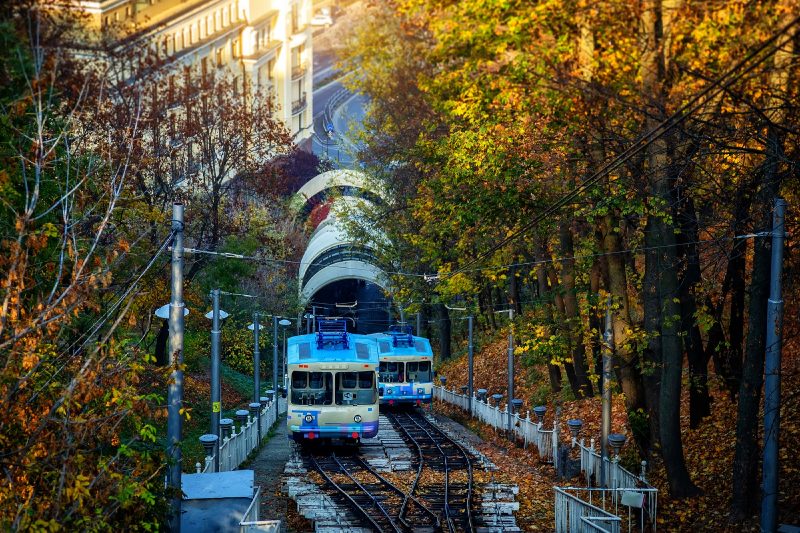 Kyiv FunicularA cable railway of 1905 that lifts you from Poshtova Square to Volodymyrska Hill in three minutes: part of the city transport network and the quickest way from Podil to the Upper Town.


