
Kyoto Park in Kyiv: The City's Longest Sakura Alley

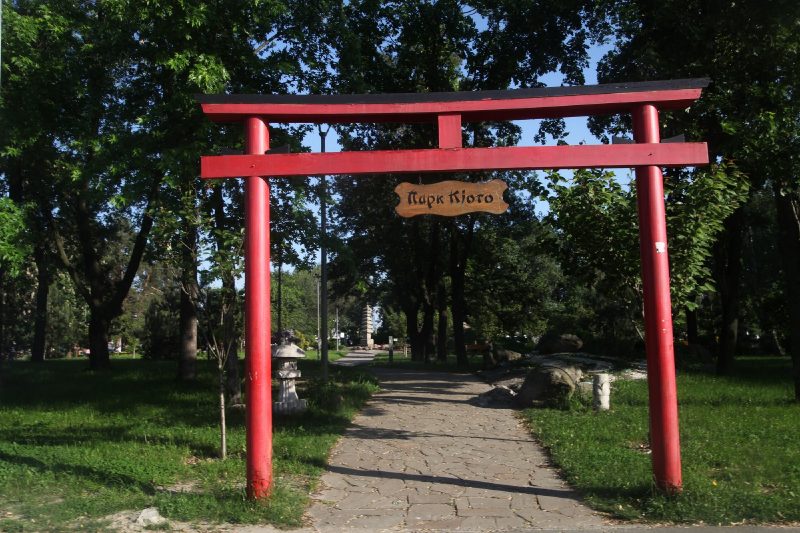
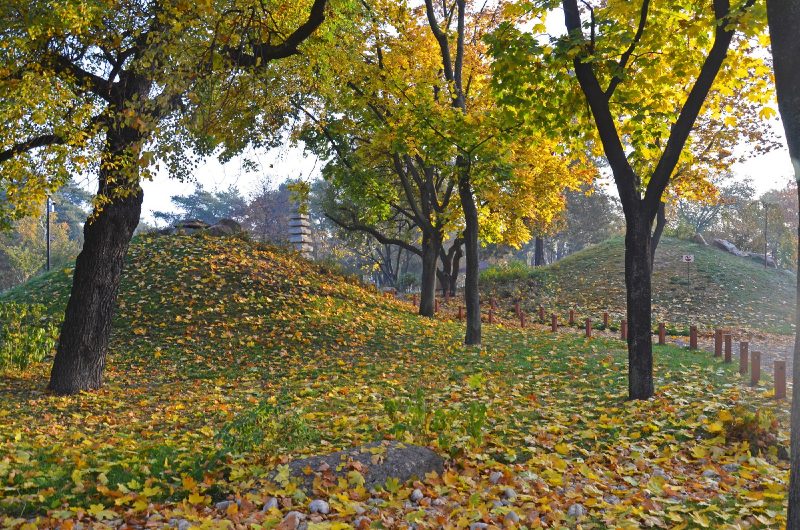
Kyoto Park in Kyiv's Left Bank is a Japanese-style garden with a stone garden, a granite pagoda and a sakura alley of 360 cherry trees that blooms each spring.
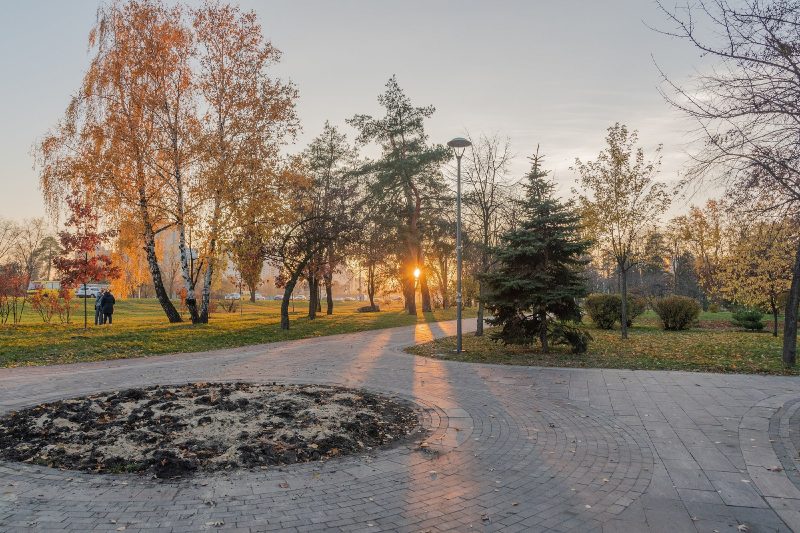
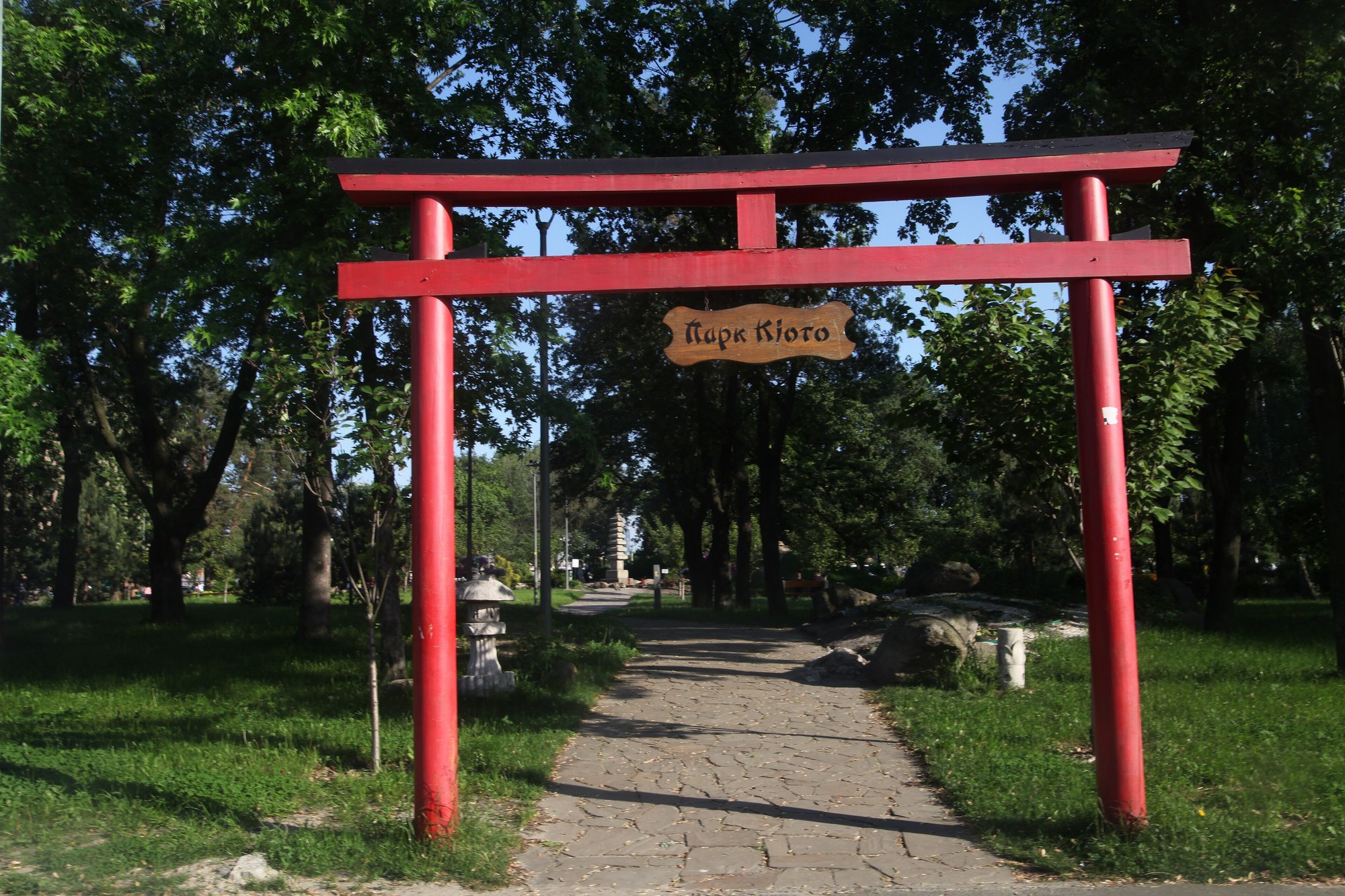
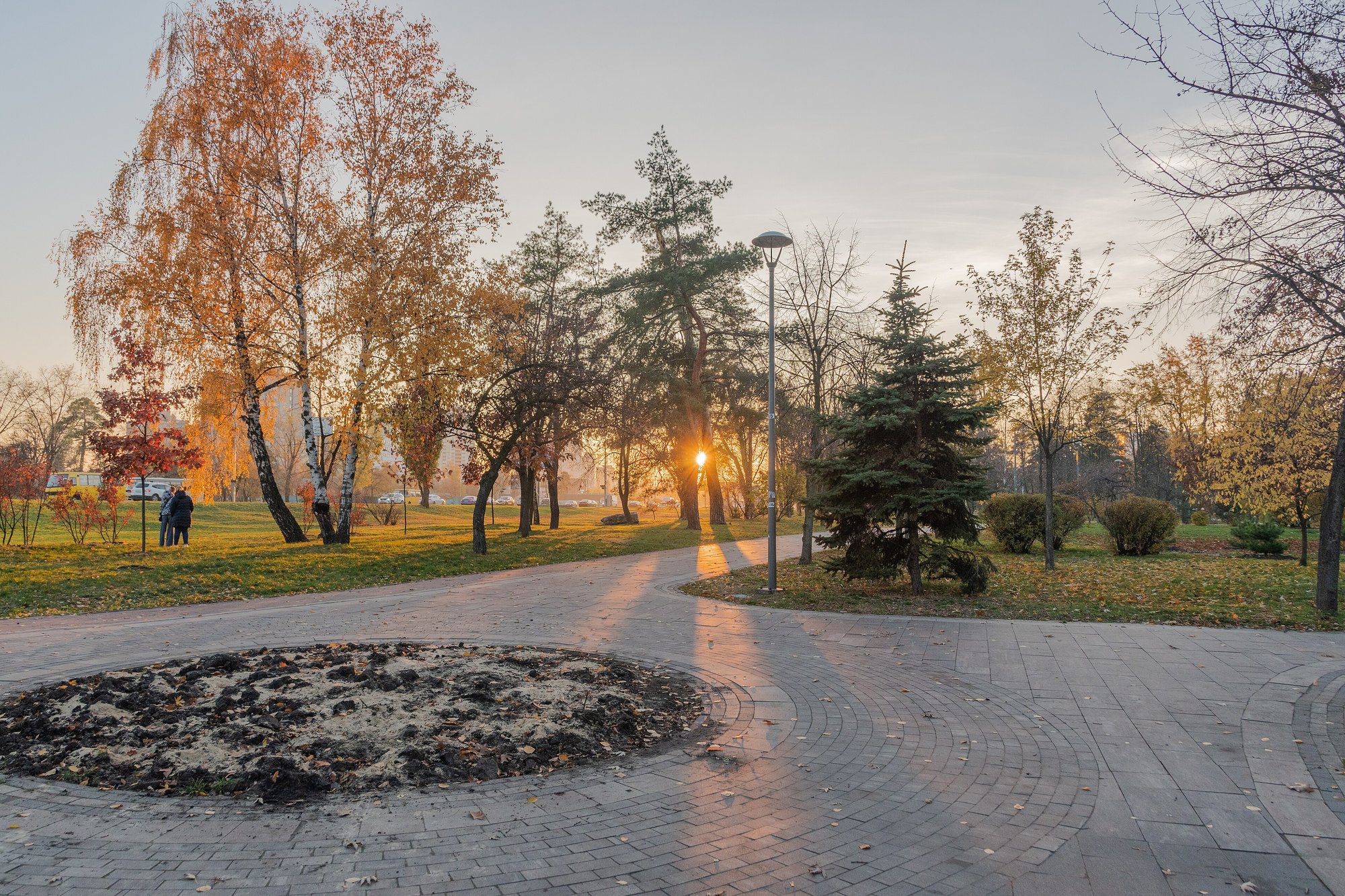
Kyoto Park stretches along Kyoto Street between the Chernihivska and Lisova metro stations. It was laid out in 1972, after Kyiv and Kyoto signed a cooperation agreement as partner cities.

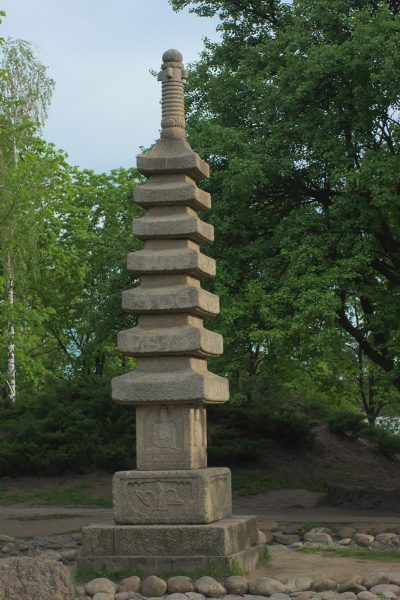
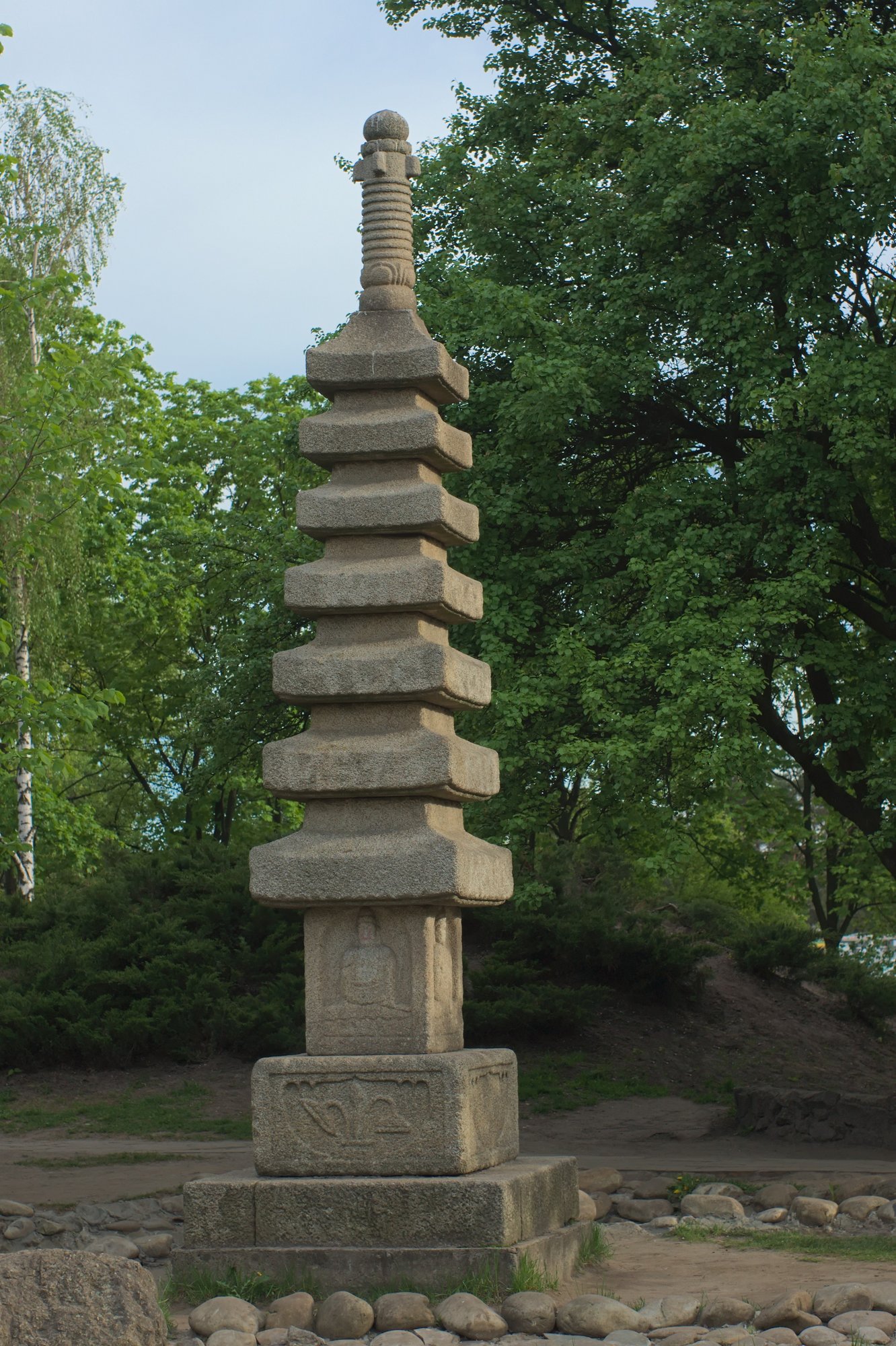
A Japanese stupa, or granite pagoda, was brought from Japan and presented to the park. The pagoda is a square column five meters tall, a traditional Japanese stele believed to bring good fortune to its surroundings. The symbolism and placement of the park's features were not chosen at random but followed years of studying the art of the Japanese garden. Ukrainian specialists traveled to Japan several times to work out the details, visiting Hiroshima, Osaka and Kyoto to consult with the keepers of local gardens. Japanese experts, in turn, came to Kyiv to refine the design on site and give their professional assessment of the park.

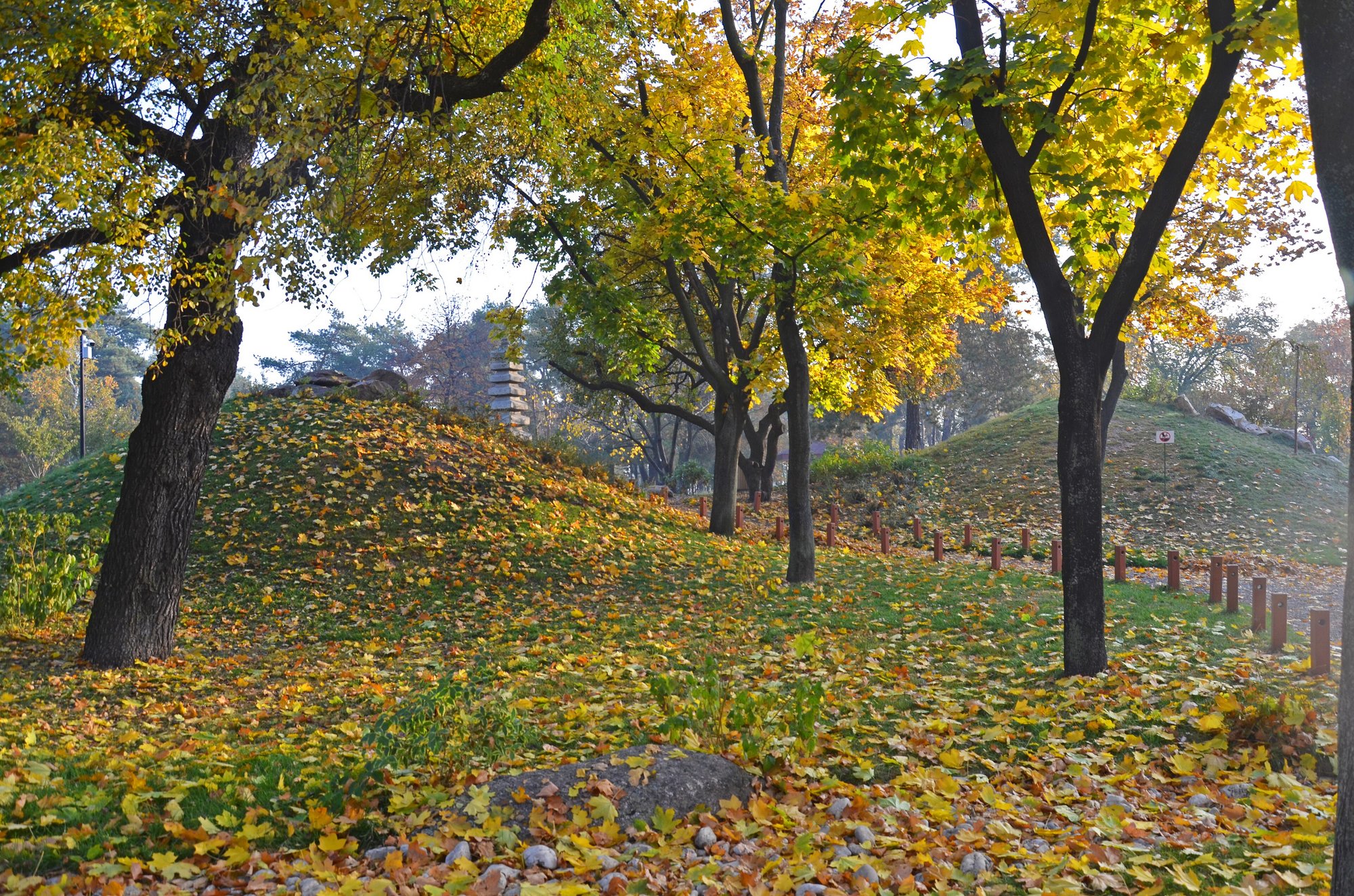
The architects tried to preserve as faithfully as possible the look and symbolism typical of Japanese parks. The highlight is the stone garden, with stones known as the seat of honor, the cave stone, the guardian stone and the moon-shadow stone. To the uninitiated these names may sound like mere poetic flourishes, but to a Japanese visitor they carry deep philosophical meaning. The park once had a pond with a waterfall, iris thickets and a traditional islet reached by three delicate openwork bridges. Japanese lanterns, a hill recreating the outline of Mount Fuji and trees, each with its own symbolic meaning, give this corner its unique character.
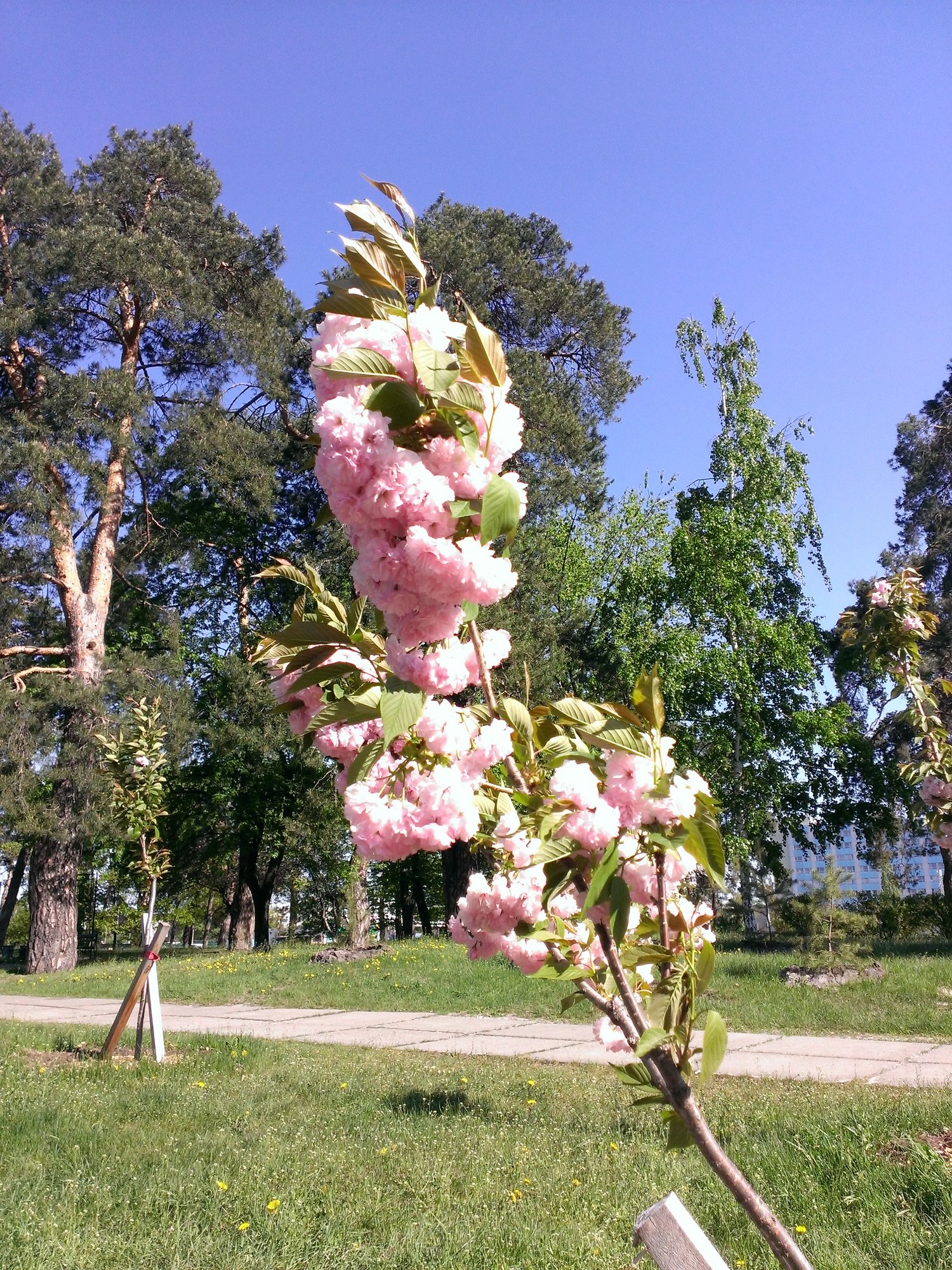
All the plants in Kyoto Park follow a deliberate scheme. Here you will find pines and Japanese maples, which many people do not recognize at first, and in March 2012 a sakura alley was planted. The Dutch-grown saplings were donated by Japan Tobacco International Ukraine. Thanks to this friendly Japanese involvement, a corner of Japanese culture has blossomed in Kyiv.
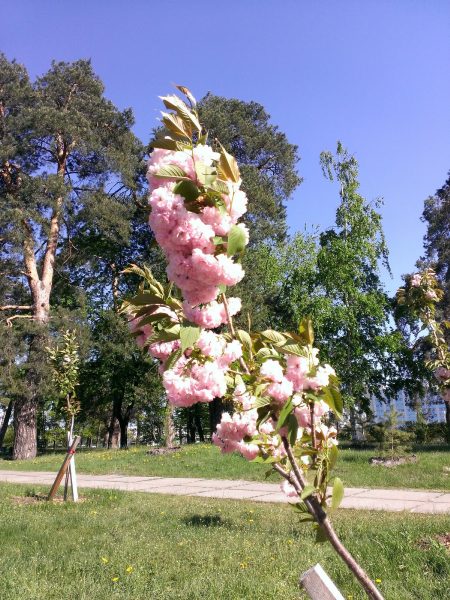
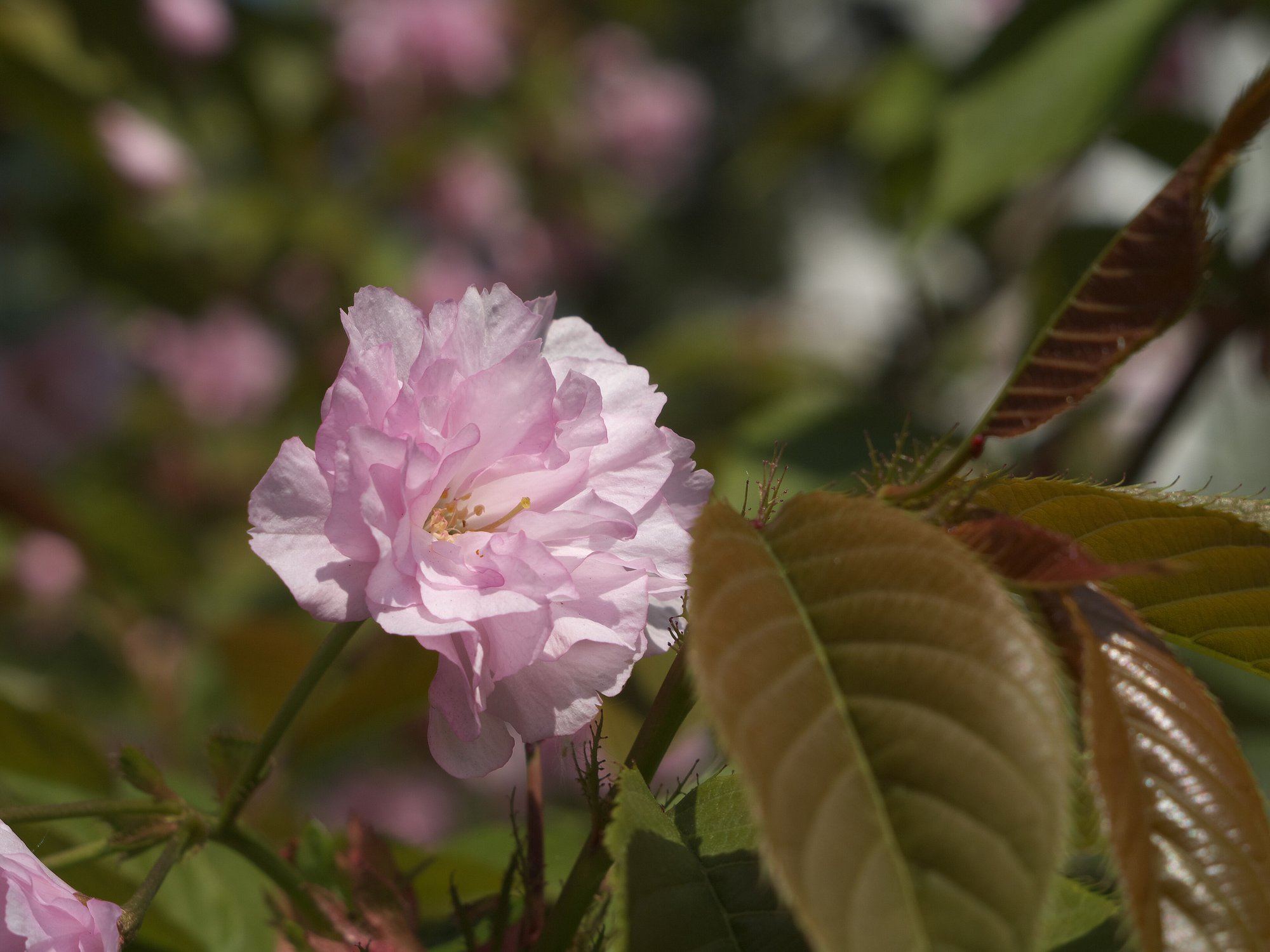
The cherry trees are planted in two rows along the inner side of the footpaths and stretch for 987 meters, with 360 trees in all. The alley has been entered in the Book of Records of Ukraine as the longest sakura alley in the country. It has become a notable Kyiv attraction: residents no longer need to travel all the way to Uzhhorod to see cherry blossoms.
In Japan the cherry blossom season is the time of hanami, the national tradition of admiring flowers. As early as March, television reports announce the expected bloom dates for each region; in Tokyo the blossoms usually arrive in early April. One of the most famous viewing spots there is Ueno Park.
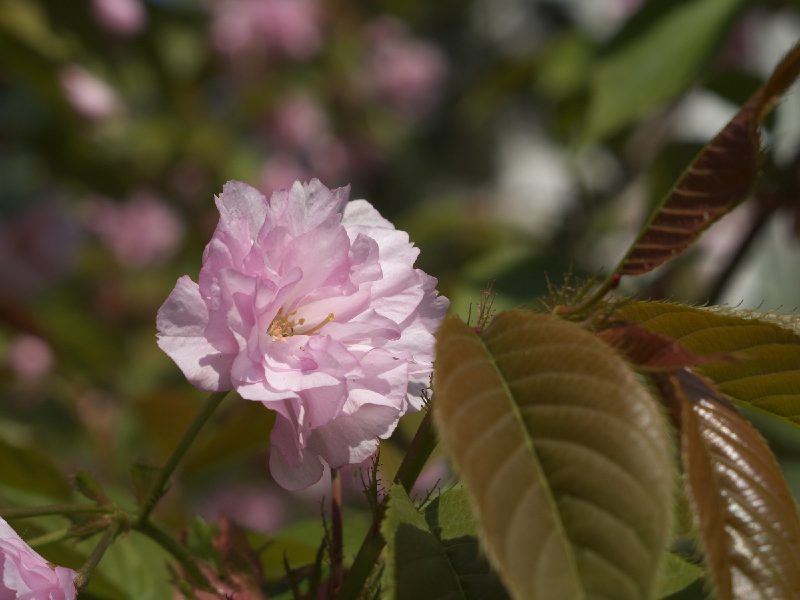
The sakura season is relatively short. Once the first buds open, the trees stay in full bloom for anywhere from a few days, or even hours, to a week, after which the petals quickly begin to fall. Strong wind or rain can shorten the bloom even further. That is why, as spring approaches, cherry blossom forecasts are so popular in Japan: radio, television, newspapers and magazines report daily on which cities and provinces are already in full bloom and where the trees will open any day now.
Once the season begins, the wave of blossoming cherries gradually moves north, accompanied by mass celebrations, and many Japanese travel across the country following it so they can enjoy the sakura throughout the spring.
In Ukraine the cherry blossom is not celebrated on the same scale as in Japan, but many Kyiv residents are eager to see this remarkable sight. In Kyiv the sakura usually blooms in late April and early May.

Around the same time, apple trees, lilacs and chestnuts also bloom in the park. The whole atmosphere lifts the spirits, and the park is a lovely place for adults and children alike to relax and enjoy the heady scent of the flowers.
Another little "sakura paradise" in Kyiv is the Hryshko National Botanical Garden, a true island of beauty, calm and joy for residents of the noisy, bustling city. In spring the botanical garden puts on a lavish display of blooming sakura, magnolias, lilacs and tulips.
Sources:
mesta.kiev.ua, sezamka.kiev.ua, otvet.mail.ru, podrobnosti.ua.
Photo gallery · 7 photos
Through the years
-

-
-
-
-
-
-



Guide
Similar places
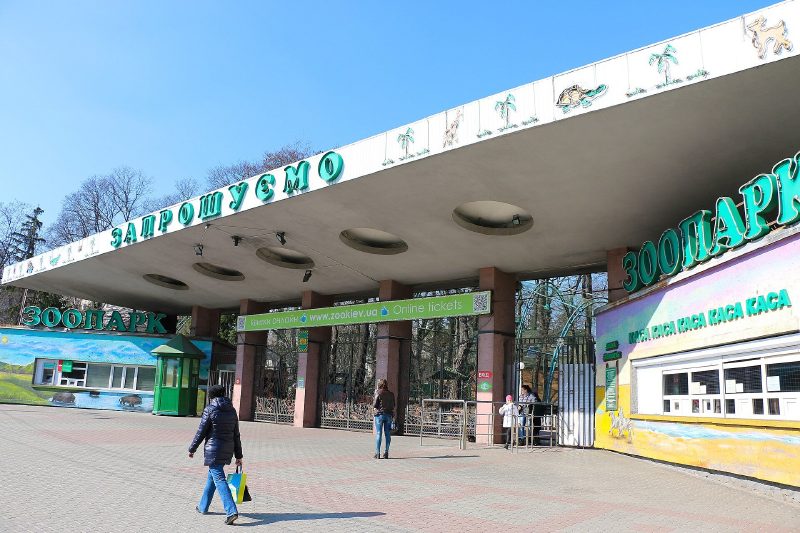 Kyiv ZooOne of Ukraine's oldest zoos: an enthusiasts' menagerie in the Botanical Garden, at Shuliavka since 1913. Home to Horace the elephant and Animal Island; its staff stayed with the animals through the war.
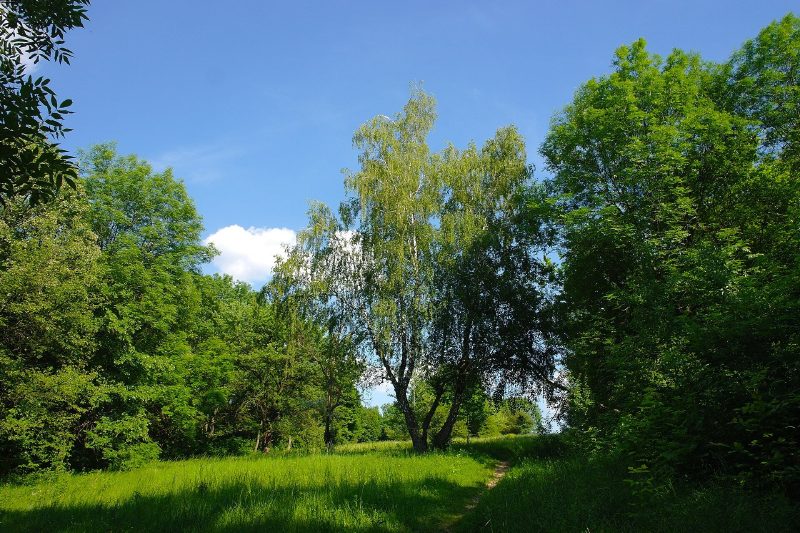 Lysa Hora (Bald Mountain)A hill above the Lybid river with tales of witches and a very real history: a Kyiv Fortress stronghold, an early-20th-century execution site, army depots — and now a wild steppe park.
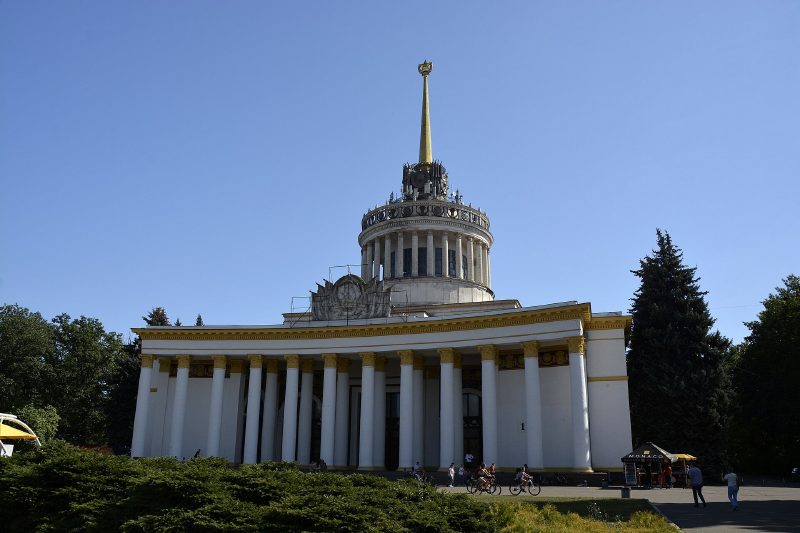 VDNH (Expocenter of Ukraine)A 1958 exhibition complex on the edge of Holosiiv Forest: the spired Main Pavilion, Stalinist and modernist pavilions, a large park and a busy festival calendar.


