
Lysa Hora (Bald Mountain)

A hill above the Lybid river with tales of witches and a very real history: a Kyiv Fortress stronghold, an early-20th-century execution site, army depots — and now a wild steppe park.
A hill with a bad reputation
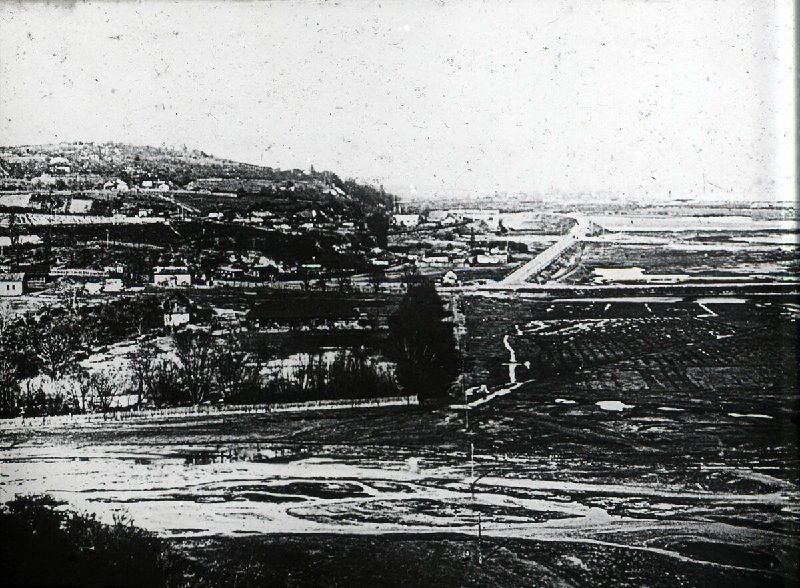
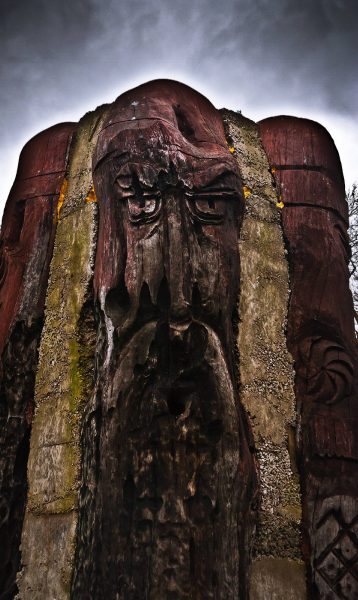
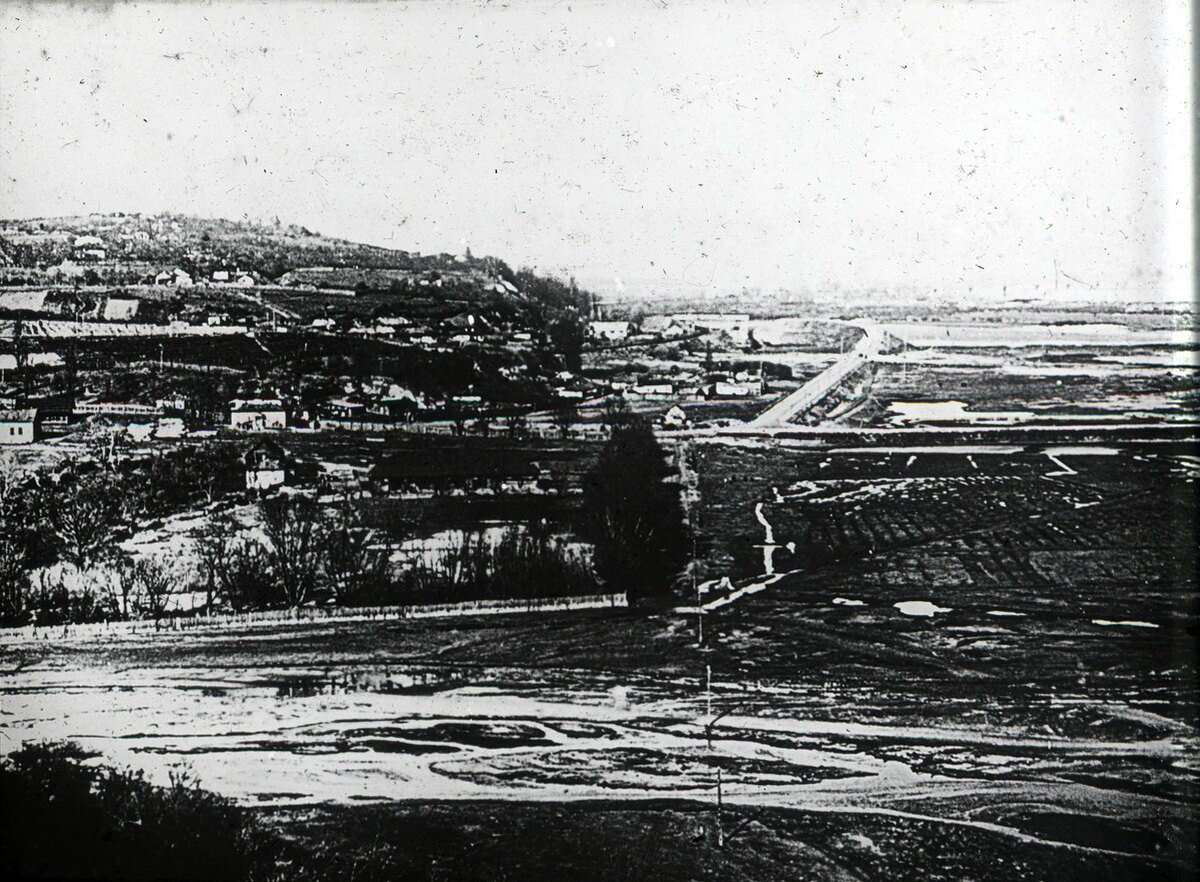
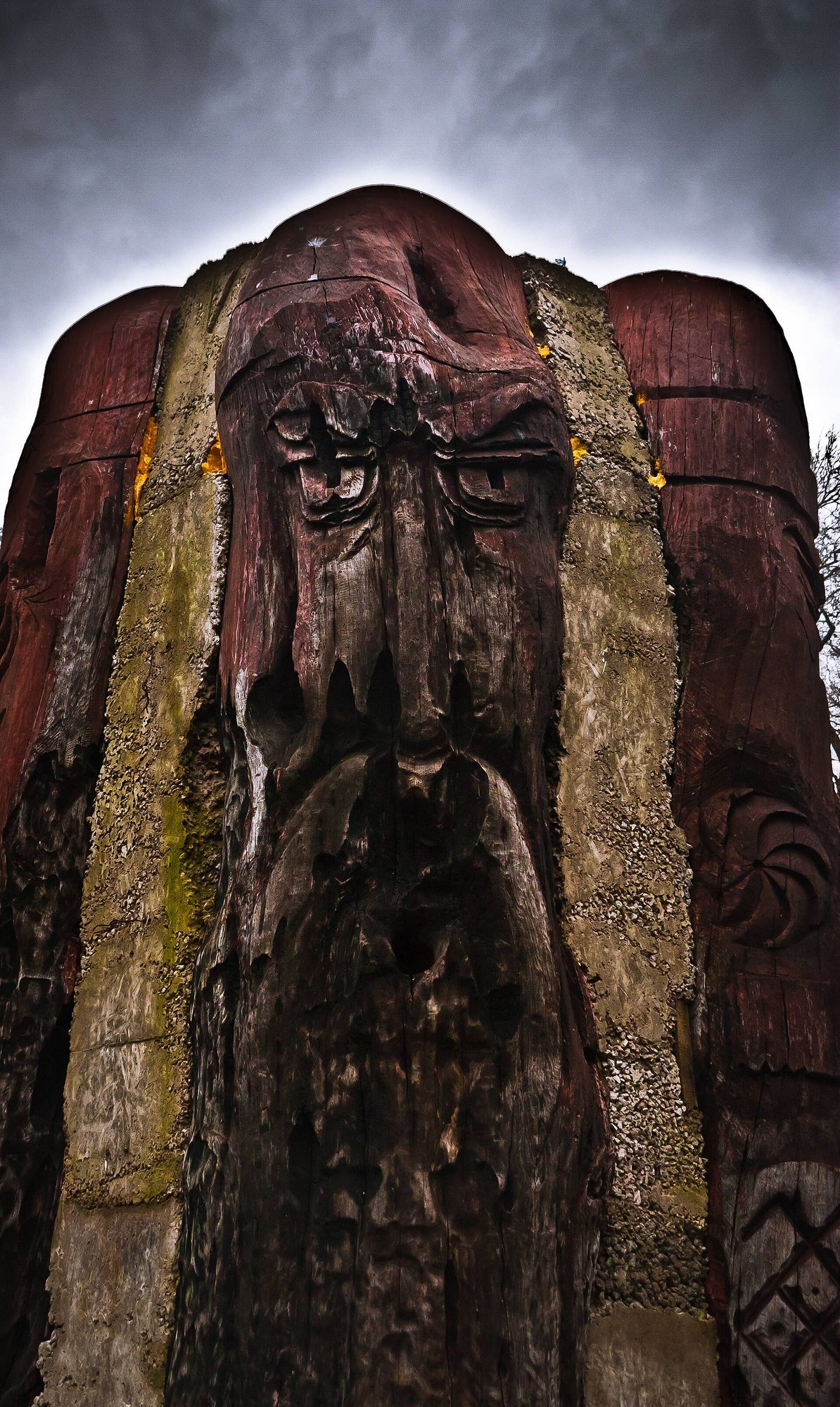
Lysa Hora — “Bald Mountain” — is a hill and historic area on the right bank of the Lybid river, south-west of Vydubychi, between Telychka, Saperna Slobidka and Bahrynova Hora. Its highest point reaches 169 metres above sea level, 77 metres above the Dnipro. Kyiv has several “bald mountains”, but this is the most famous: folk tradition placed witches and evil spirits here, and its open meadows, long bare of trees, were said to host their sabbaths. Today it draws neo-pagans, Tolkien role-players and seekers of the uncanny, yet the hill's real history is no less dramatic than the legends.
People lived here very early: archaeologists have found traces of a Trypillian settlement on the north-eastern spur. On a 1695 plan of Kyiv, Lysa Hora is still an uninhabited wooded hill, and by the mid-19th century its land belonged to the Kyiv Pechersk Lavra, the Vydubychi Monastery and private owners.
The Lysohirskyi Fort
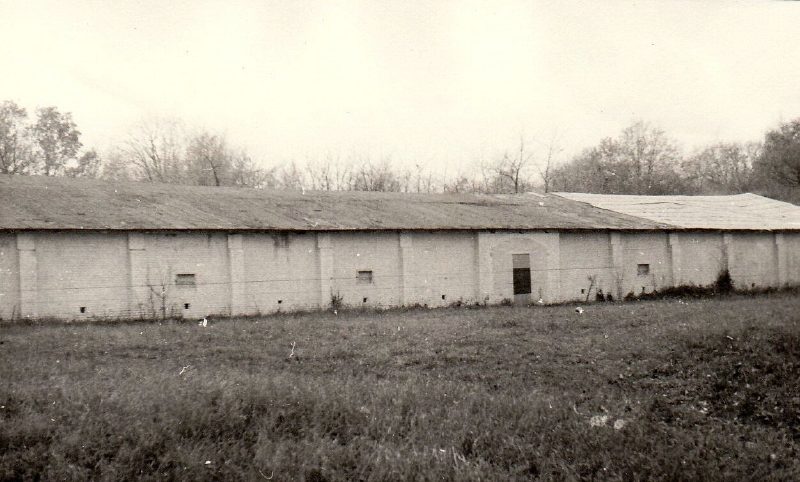
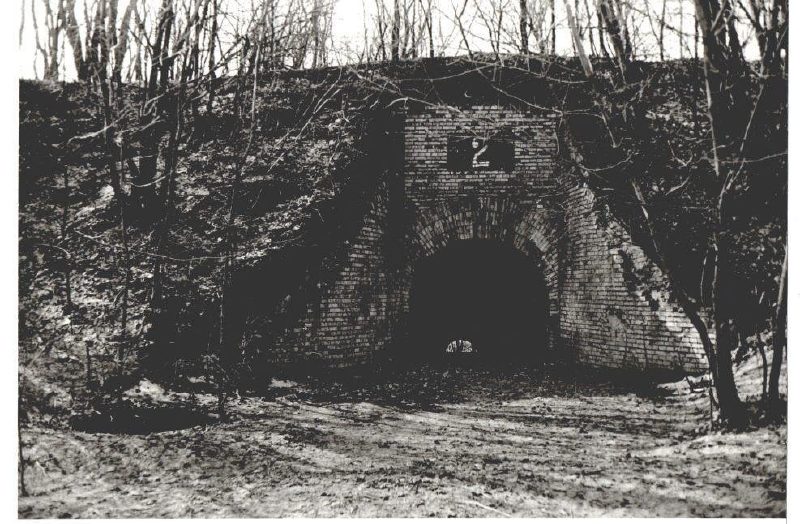
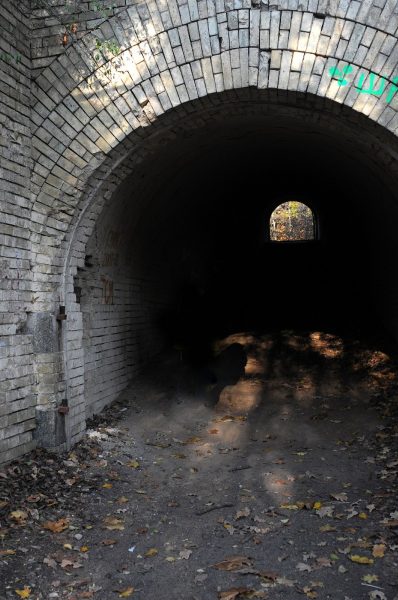
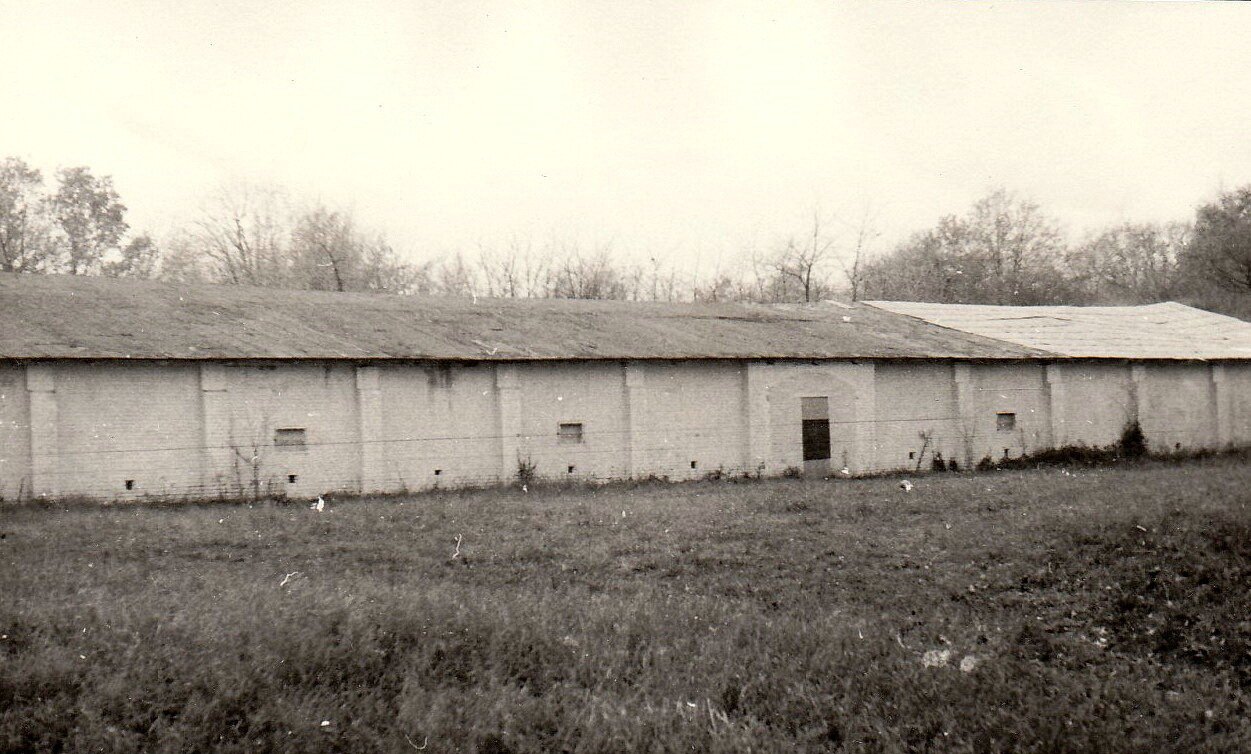
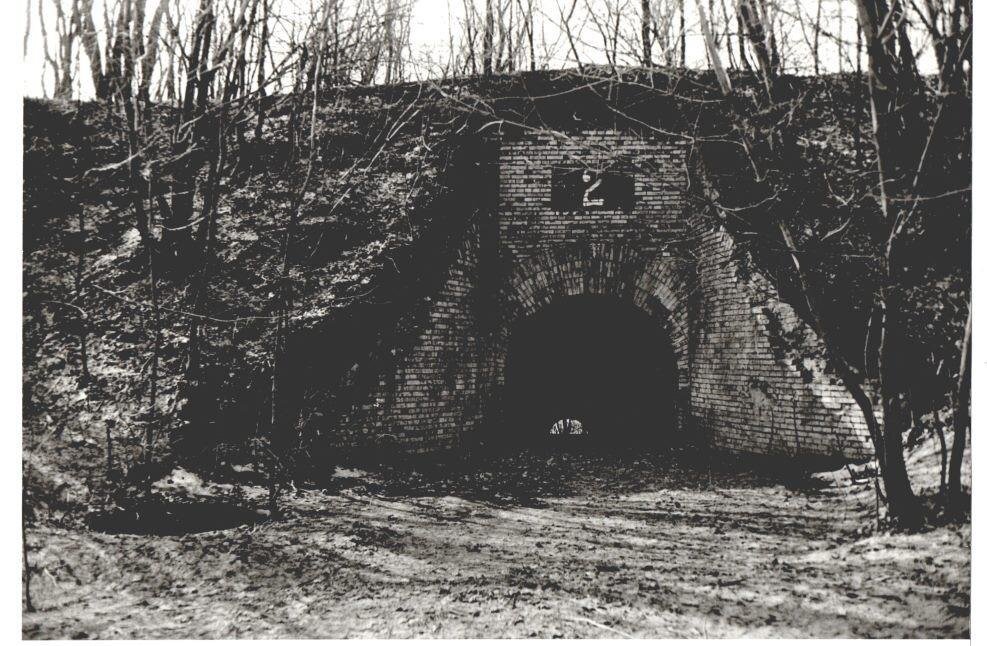
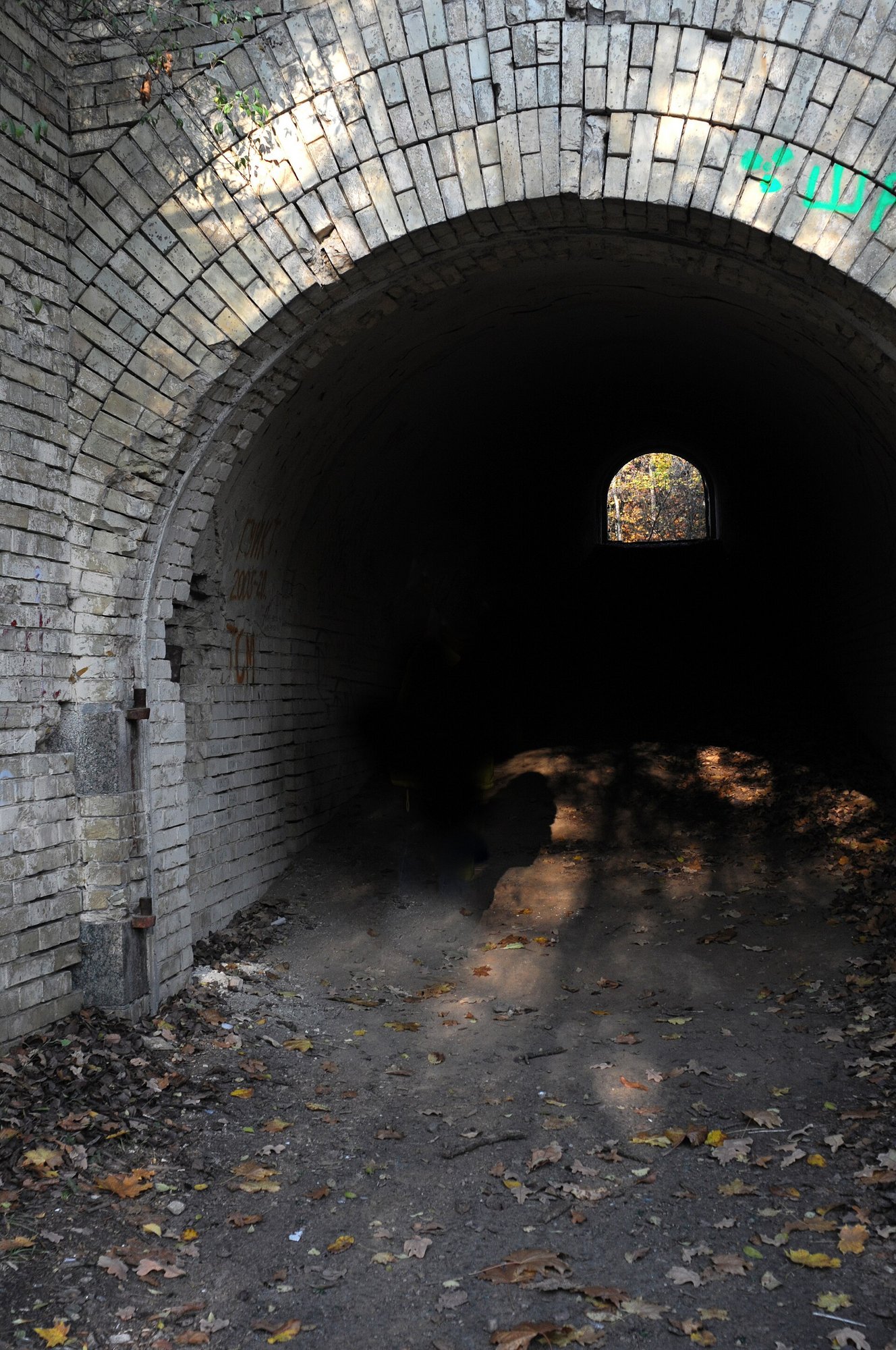
Once a railway bridge had been built across the Dnipro, it had to be covered from the right bank. Following a plan by the military engineer Eduard Totleben, a powerful fort of the Kyiv Fortress was raised on Lysa Hora; the land was bought from the monasteries and construction began in 1872. The fort was a complex system of bastions, ravelins and an inner retrenchment, with earth ramparts 10–12 metres high. The ramparts were pierced by poterns — brick tunnels up to 40 metres long, closed by gates at both ends, whose hinges survive to this day. The barracks could hold a garrison of several thousand, and a steam engine pumped water from a well into underground cisterns. The name of Saperno-Slobidska Street recalls the sapper units once quartered in the Lybid valley below.
A place of execution
By the early 20th century the fort had lost its military value and began to be used for executing political and criminal convicts. The condemned were brought at dawn from the Oblique Caponier in a black carriage, which can still be seen in the Kyiv Fortress museum, and graves were dug in rows along the rampart. Some three hundred people were put to death here. On 18 February 1908 the Socialist-Revolutionary Maximalist Solomon Ryss was hanged at Lysa Hora, and on 25 September (12 September Old Style) 1911 so was Dmitry Bogrov, who days earlier had mortally wounded Prime Minister Pyotr Stolypin at the Kyiv Opera House. Officially, executions here ended only after the February Revolution of 1917.
Depots, wars and a “special zone”
During the First World War the fortifications were repaired and long-range artillery and shell stocks were brought in; from 1917 to 1940 the hill held military depots, including stores of pyroxylin. The famous explosion of 6 June 1918 actually happened at Zvirynets — Mikhail Bulgakov mistakenly linked it with Lysa Hora in The White Guard. In August and September 1941 the fort was a strongpoint of Kyiv's third defence line, covering the Darnytskyi railway bridge. After the war the Kyiv Military District kept artillery depots here, behind barbed wire, searchlight towers and “Special Zone” signs. The army left in the 1970s, and some structures were dismantled.
A steppe park inside the city
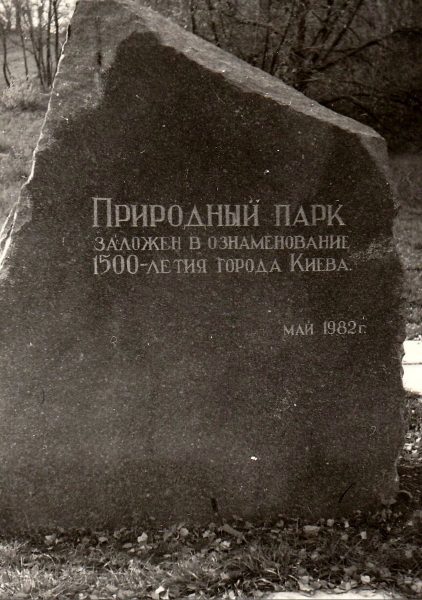
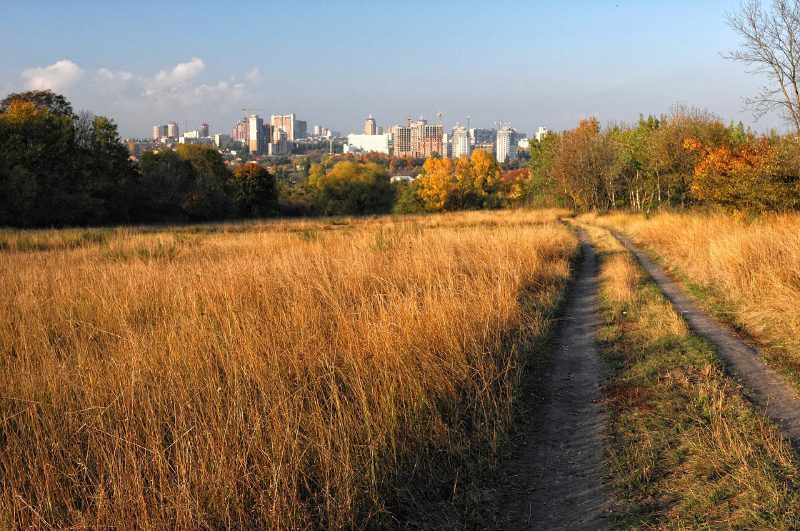
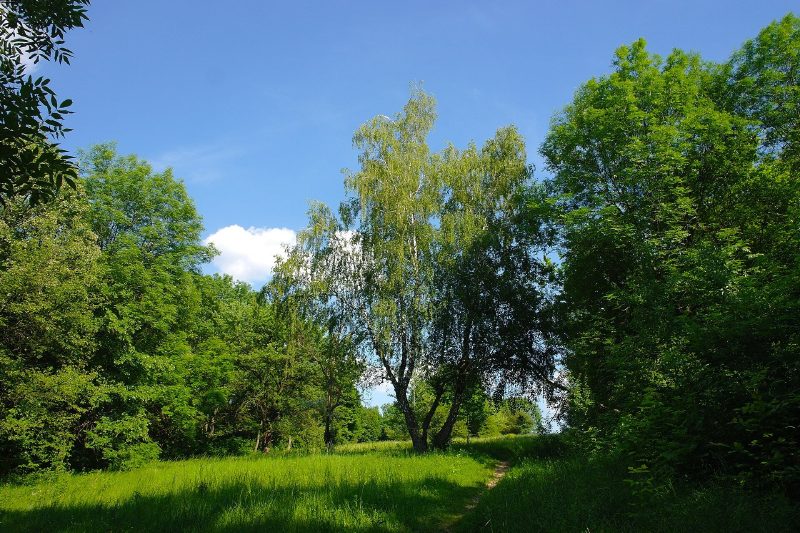
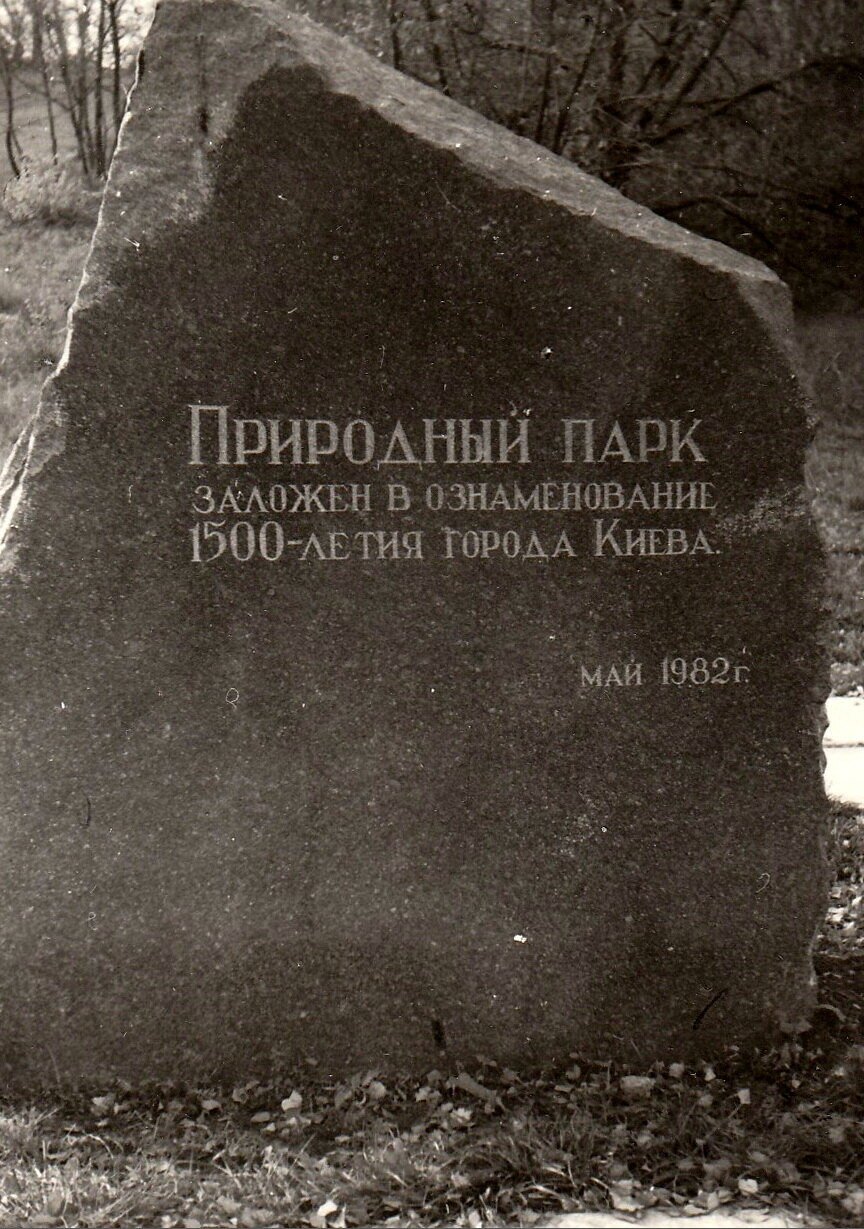
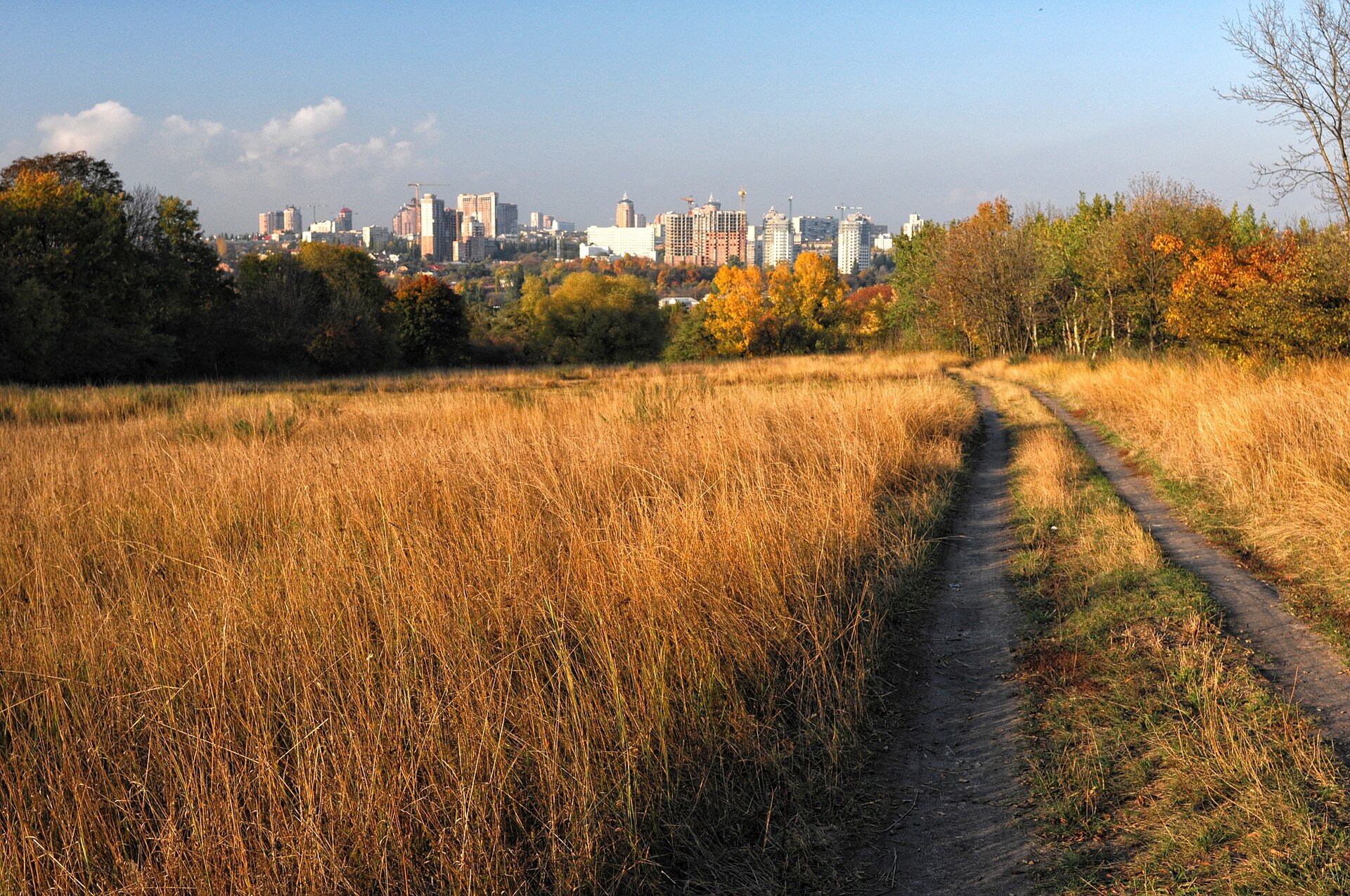
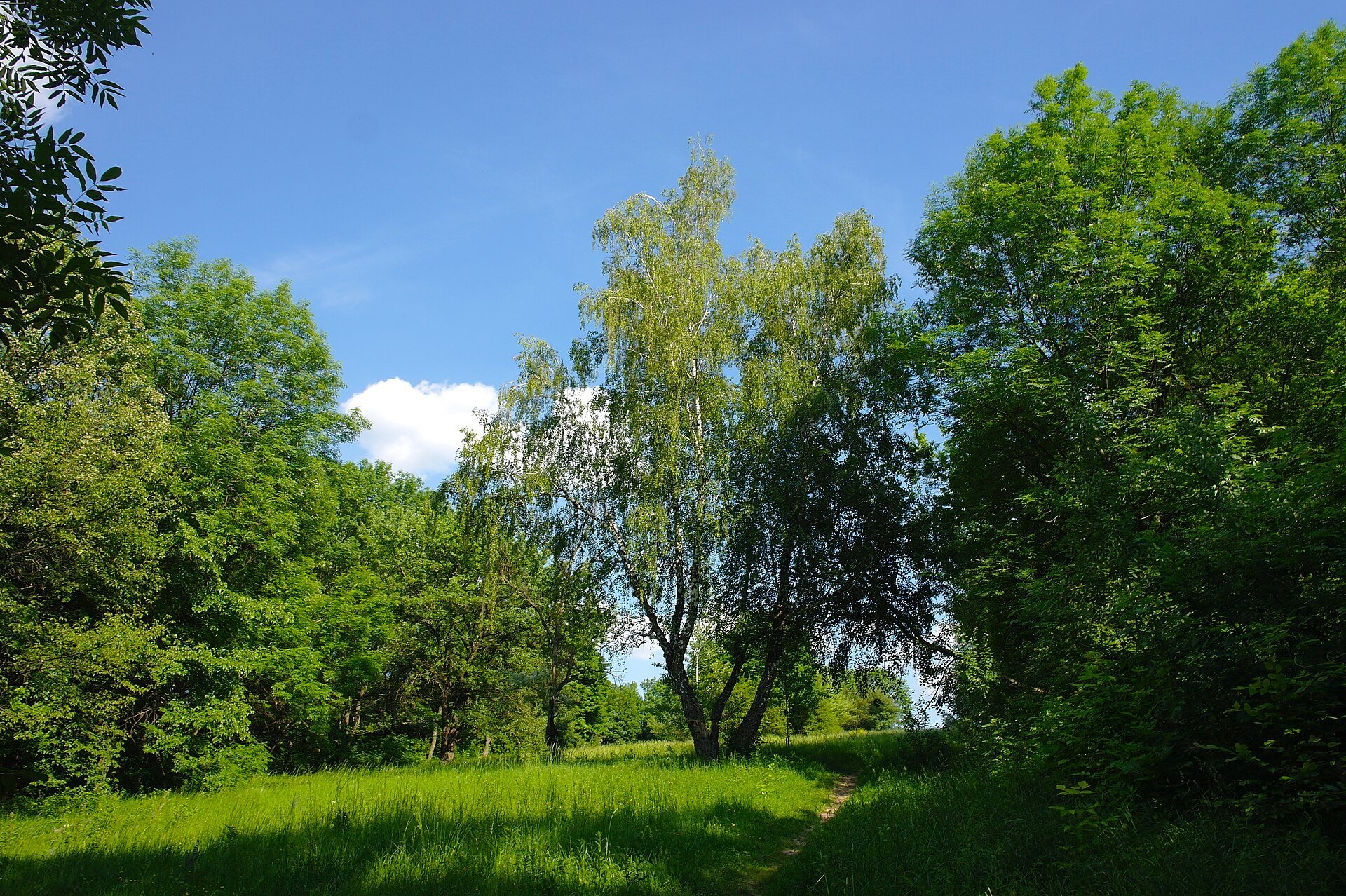
In 1982 a nature park was founded here to mark Kyiv's 1,500th anniversary; all that came of the plan was a commemorative stone in Bastion No. 2. In 1994 the city council created the Lysa Hora Regional Landscape Park, covering more than 137 hectares: it protects patches of meadow steppe with feather grass, Hungarian iris and other Red Book plants, as well as birds of prey, praying mantises and hares. Since 2003 the land has been managed by the Kyiv Fortress museum, and the fort itself is an urban-planning monument of national significance. Lysa Hora remains one of the wildest corners of Kyiv: broad meadows, oak groves, grass-grown ramparts and dark tunnels, with views over the Dnipro to the left-bank districts.
People and eras


Photo gallery · 8 photos
Through the years
-
-
-
-
-
-
-
-
Video
Lysa Hora (Bald Mountain) on screen
Лиса гора. Містичне та загадкове місце Києва. Форт/Капищє/Радіо центр — Ігор Матер · YouTube


Guide
Similar places
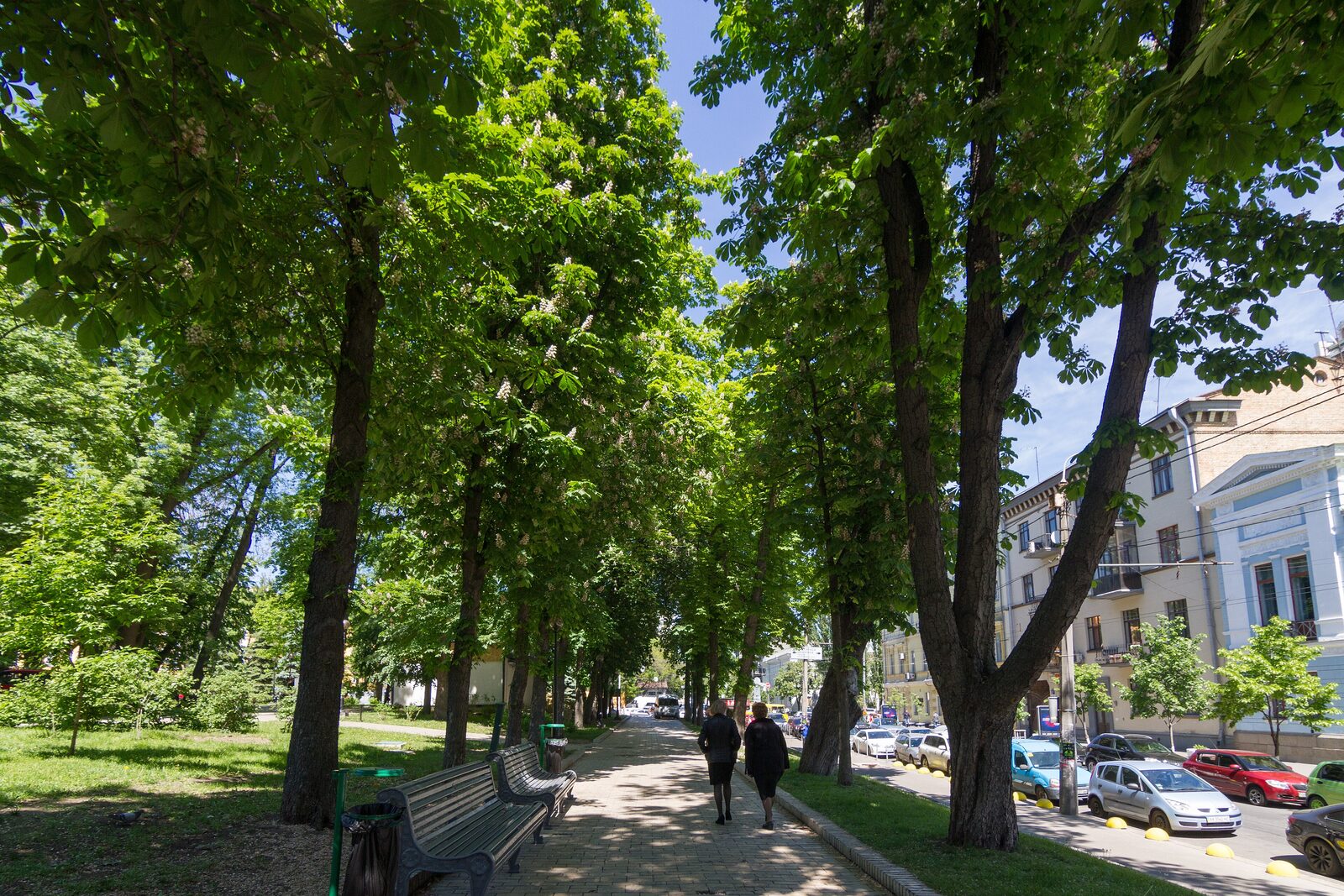 Taras Shevchenko Park in Kyiv: History of a Beloved ParkShevchenko Park in central Kyiv began as the University Park in 1890. Learn its story, from an emperor's visit to the famous Shevchenko monument of 1939.
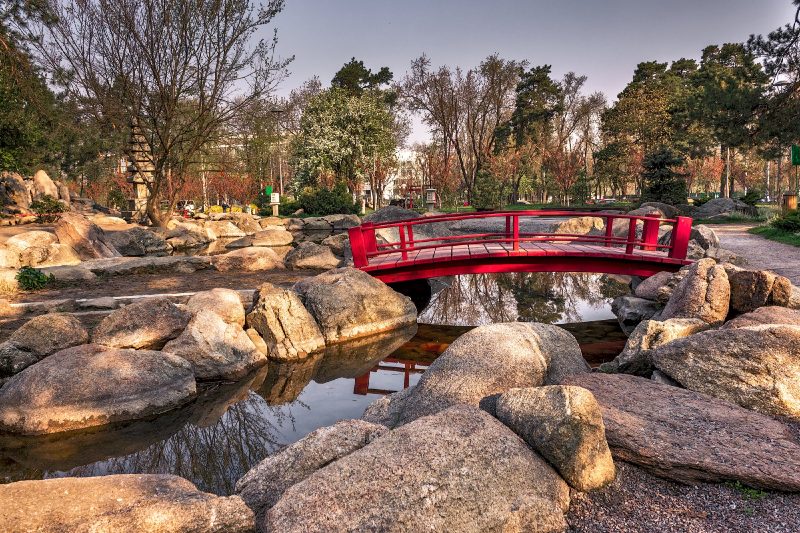 Kyoto Park in Kyiv: The City's Longest Sakura AlleyKyoto Park in Kyiv's Left Bank is a Japanese-style garden with a stone garden, a granite pagoda and a sakura alley of 360 cherry trees that blooms each spring.
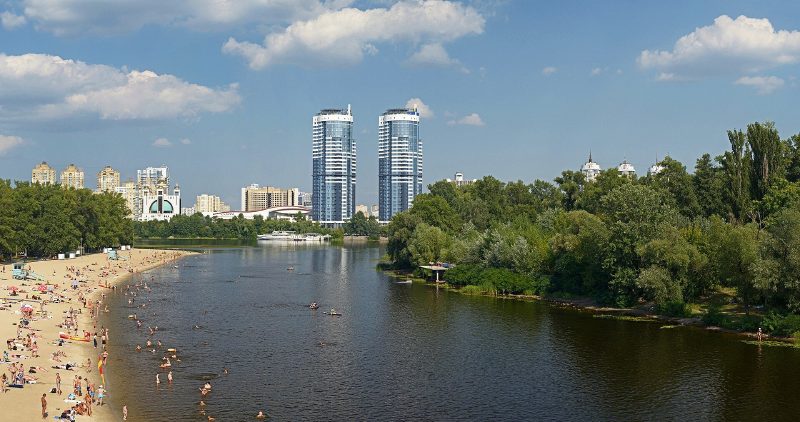 HydroparkAn island park between the Dnipro and the Rusanivska channel, laid out in the 1960s on the site of a burned-down suburb: beaches, the Venetian Bridge, the Metro Bridge and the Kachalka gym.


