
Pyrohiv Open-Air Museum

Ukraine’s largest open-air museum: some 300 authentic cottages, wooden churches, windmills and watermills from every region, spread over 133 hectares of hills and oak woods in southern Kyiv.
Pyrohiv, not “Pirogovo”
Officially it is the National Museum of Folk Architecture and Folkways of Ukraine, but Kyivans simply call it Pyrohiv, after the former village next to it on the city’s southern edge. The common form “Pirogovo” comes from Russian; the correct Ukrainian name is Pyrohiv. The village is first recorded in 1627 as a property of the Kyiv Pechersk Lavra and became part of Kyiv in the second half of the 20th century.
How the museum was made
The idea of a Kyiv open-air museum took shape in the 1960s: on 14 August 1965 the newspaper Literaturna Ukraina published an open letter from leading scholars and cultural figures calling for a museum of folk culture. On 6 February 1969 the Council of Ministers of Soviet Ukraine decreed its foundation. Its founding father is considered to be Petro Tronko, then deputy prime minister and head of the Society for the Protection of Monuments, who chose the site himself and secured the land. The master plan was drawn up by Kyiv urban planners together with the architect Valerii Romanov and approved by the government in 1970.
For seven years researchers toured the villages, dismantling cottages, churches and windmills, bringing them to Kyiv and reassembling them on the hills near Pyrohiv. Not everyone approved: Tronko recalled how Communist Party chief Volodymyr Shcherbytskyi, told of a dismantled windmill being driven past the Central Committee building, accused him of “carting junk around”. “One day you will thank me for this junk,” Tronko replied. The museum welcomed its first visitors in 1976 and became a national museum in 2008.
Ukraine in miniature
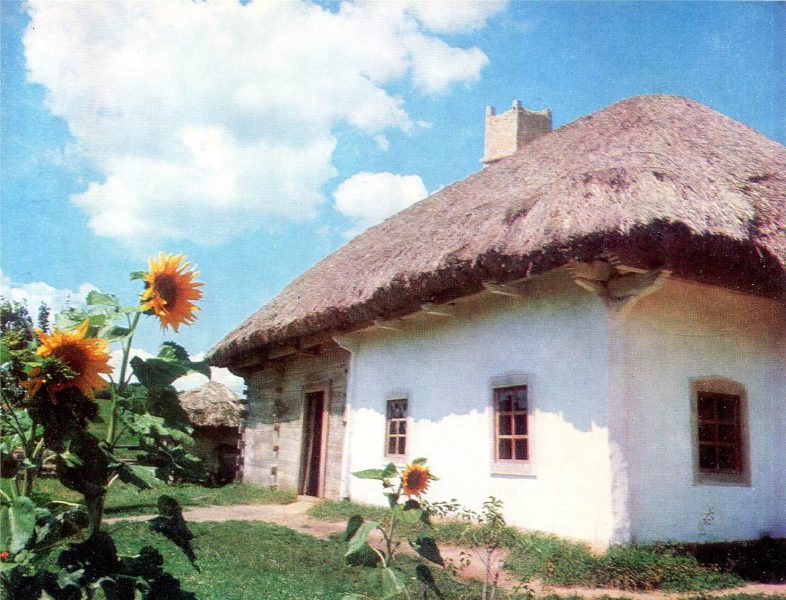
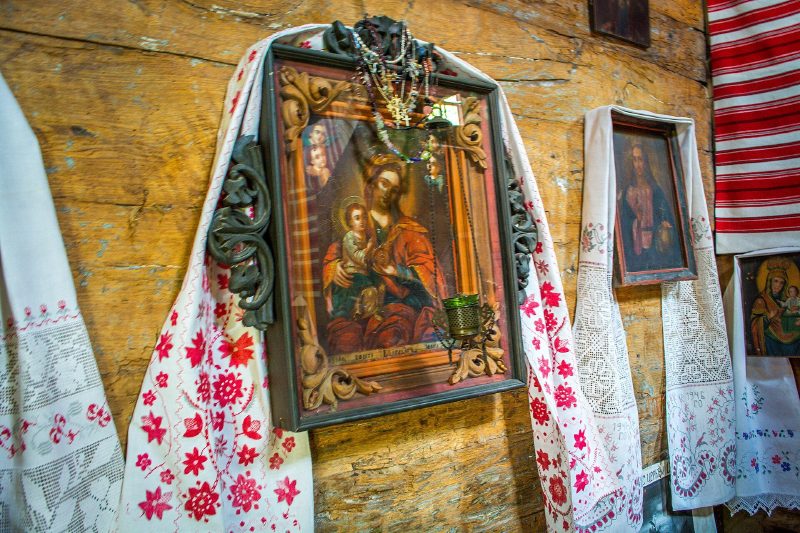
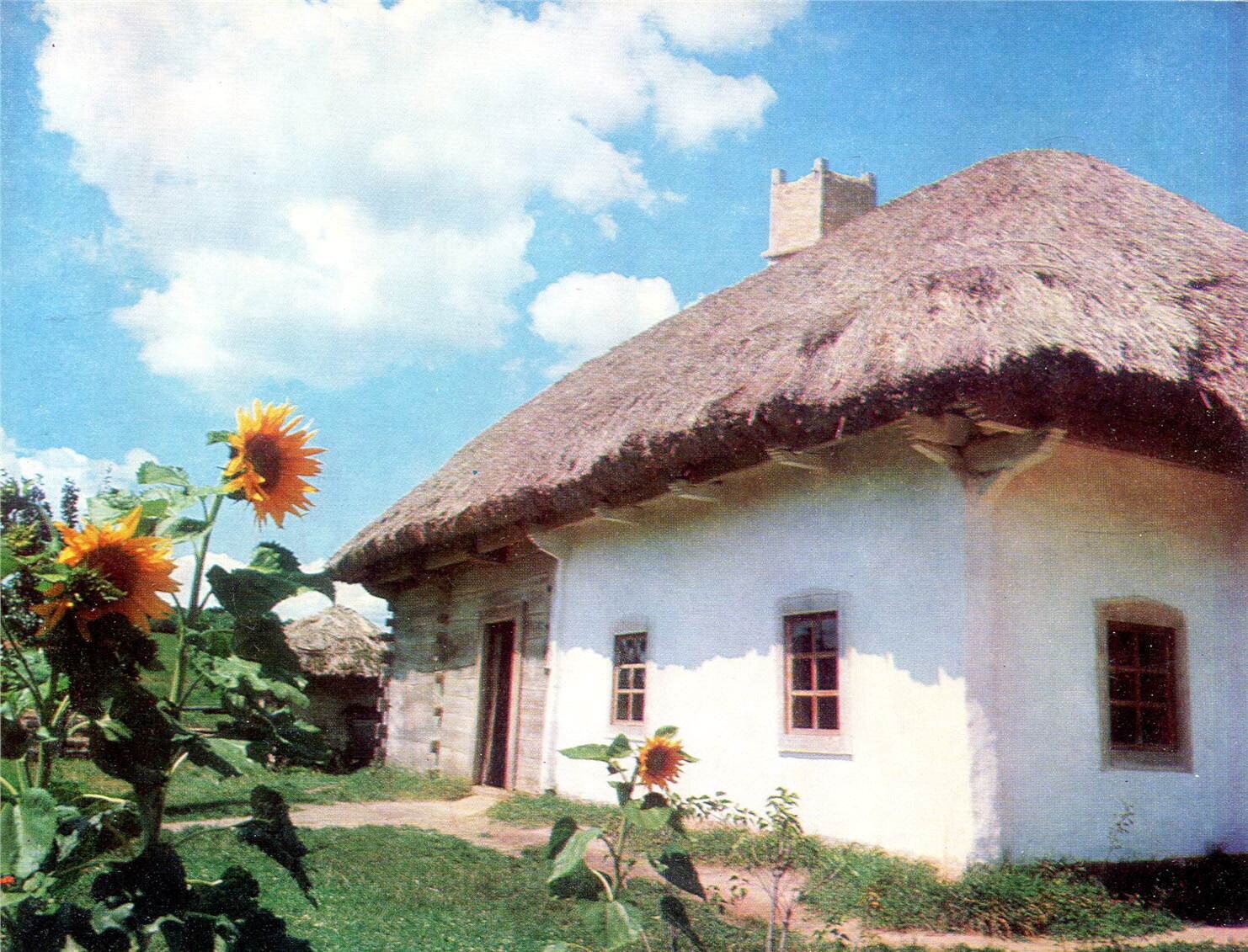
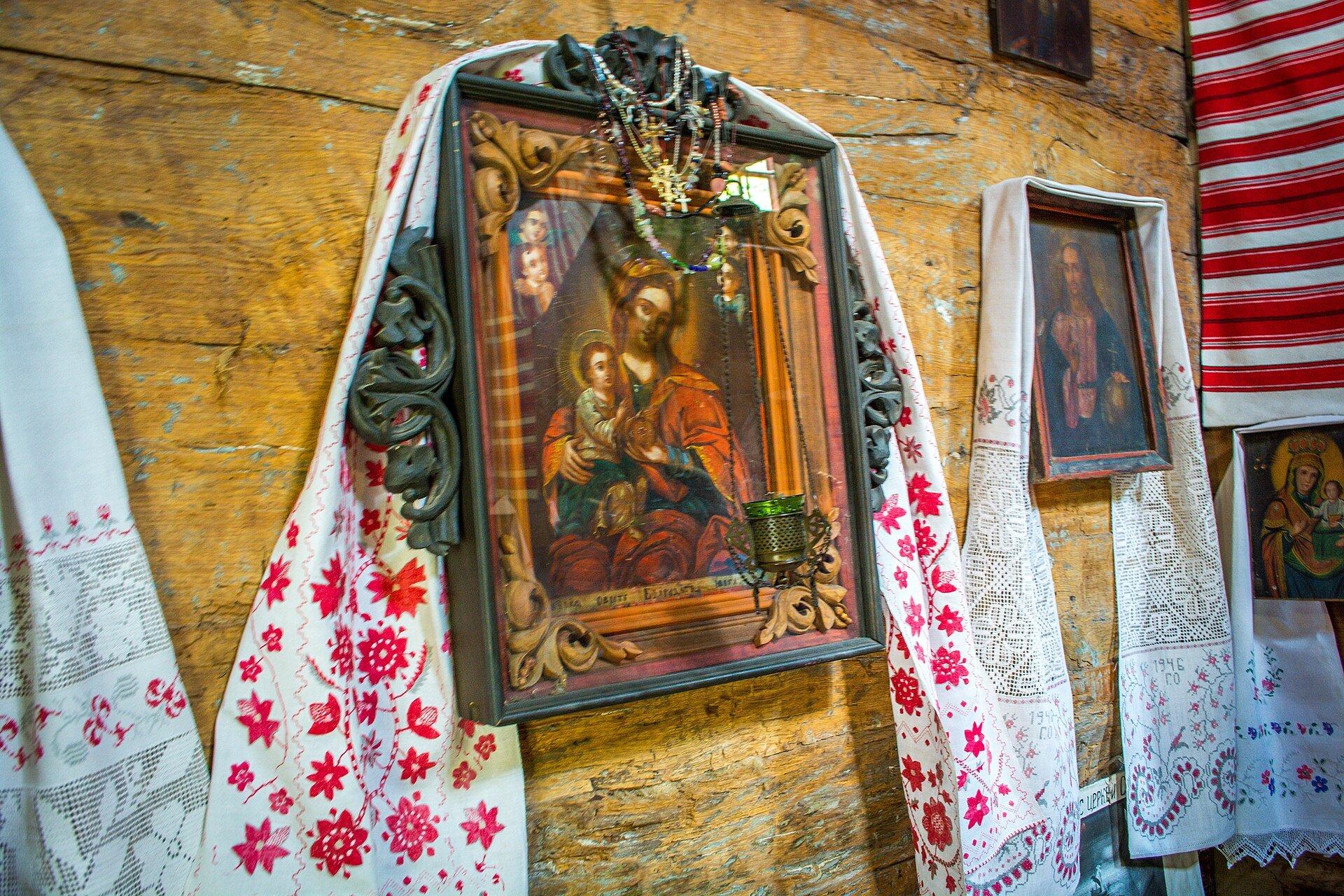
Some 300 monuments of folk architecture from the 16th to the 20th century stand on 133 hectares of hills, ravines, fields and oak woods. They are grouped by historical region — Middle Dnipro, Poltava and Sloboda Ukraine, Polissia, Podillia, the Carpathians and Southern Ukraine — each set in a landscape chosen to resemble its homeland. Separate areas show a Ukrainian village of the 1960s–70s, the hill of windmills and the fairground. Farmsteads are recreated with documentary accuracy, with cottage, storehouse, barn, well with a sweep, wattle fence and orchard, and the interiors are furnished with genuine objects: the museum’s collection numbers about 100,000 items, from clothing and embroidered towels to pottery, musical instruments and toys.
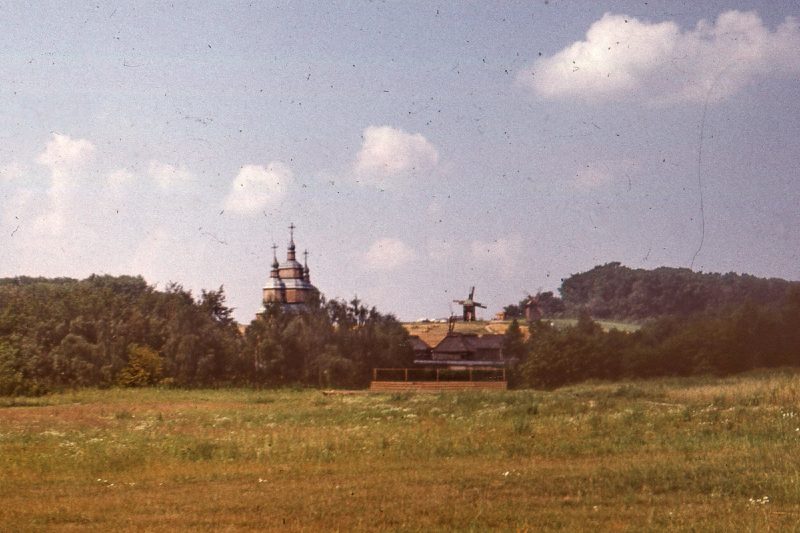
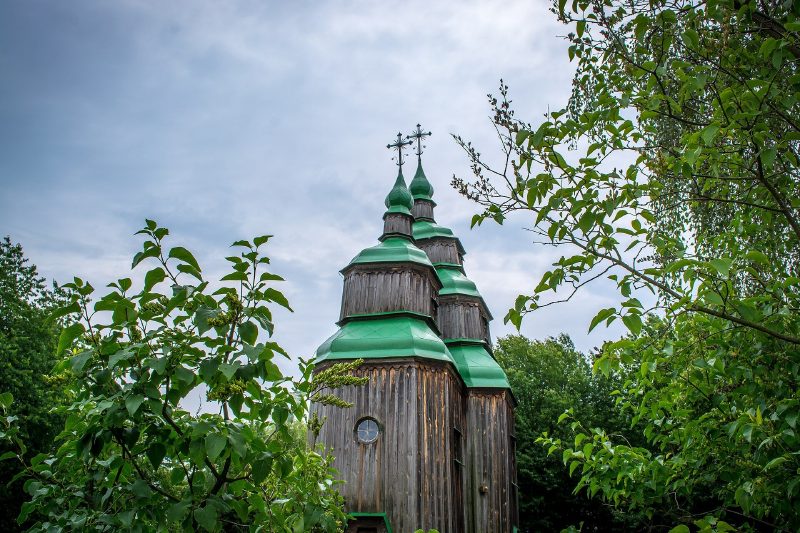
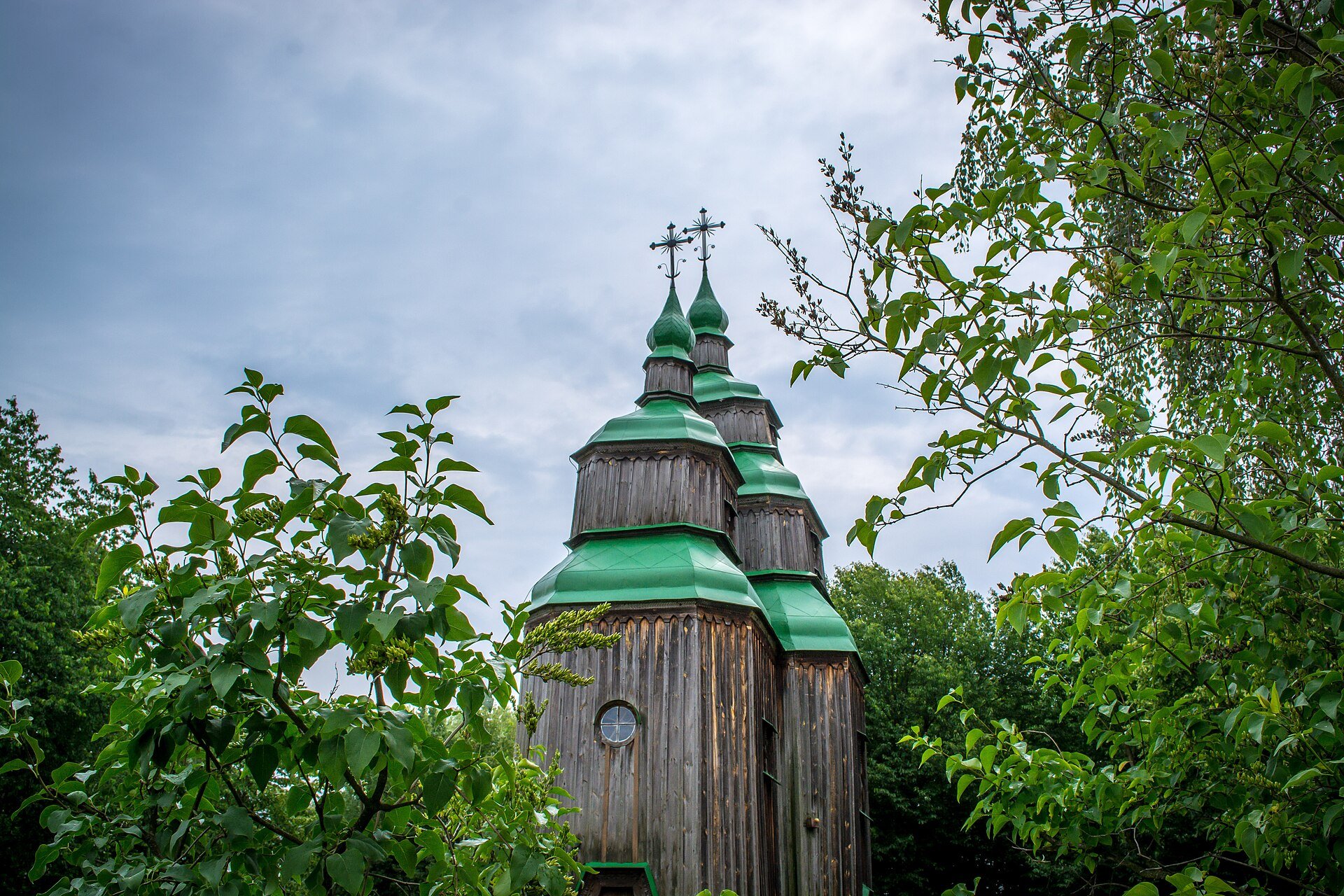
The oldest building is a cottage from Samary in Volhynia, dated 1587. Among the most precious are the wooden churches: St Michael’s from Dorohynka near Kyiv, moved here in 1971 (radiocarbon dating puts its logs in the 16th century); the almost 25-metre-high St Paraskeva church from Zarubyntsi in the Cherkasy region, built of hard oak in the mid-18th century; and St Nicholas church of 1763 from Horodyshche in the Chernihiv region, which arrived in 2016. A curiosity is the ritual “Perun’s oak”, found in 1975 at the mouth of the Desna, into whose trunk ancient people had set nine boar jaws.
Windmills, fairs and festivals
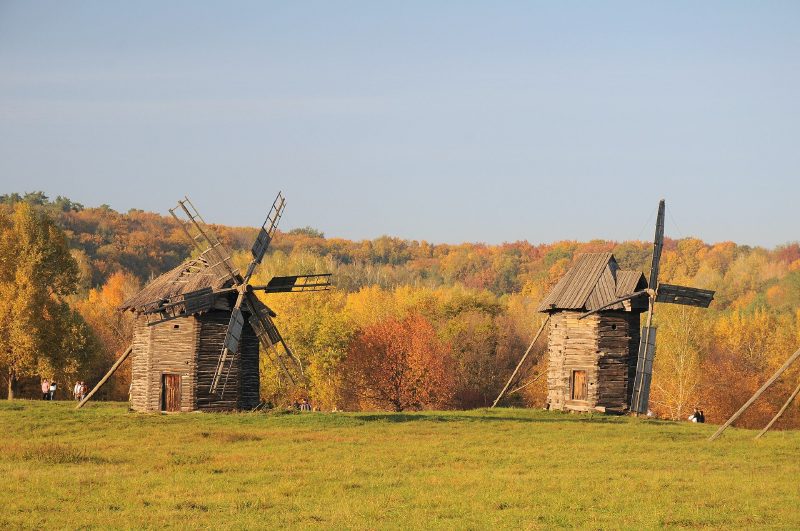
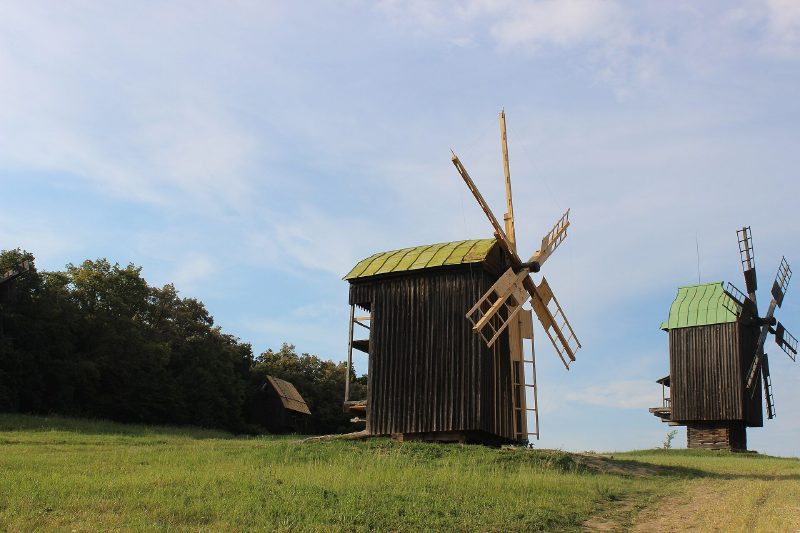
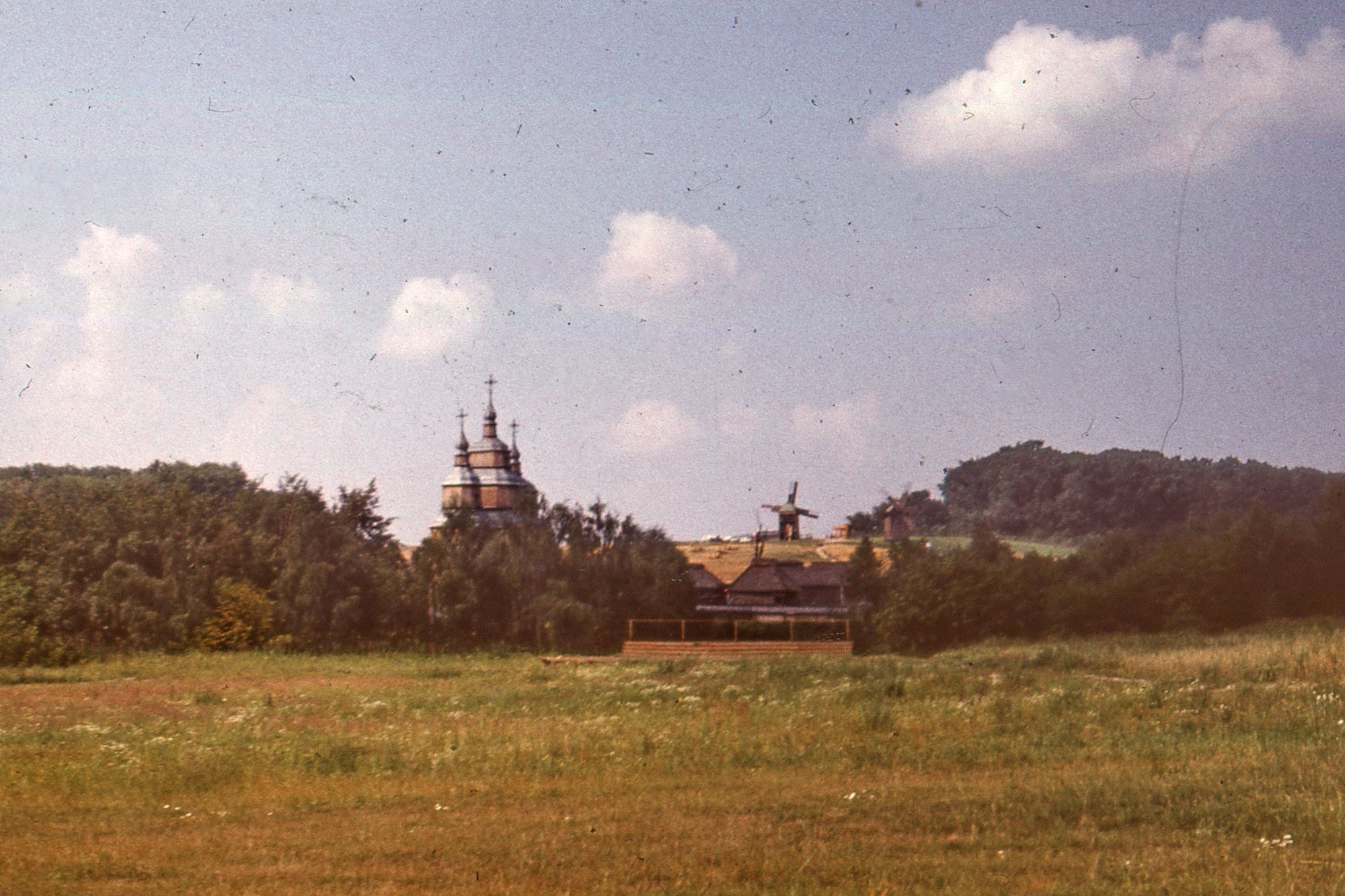
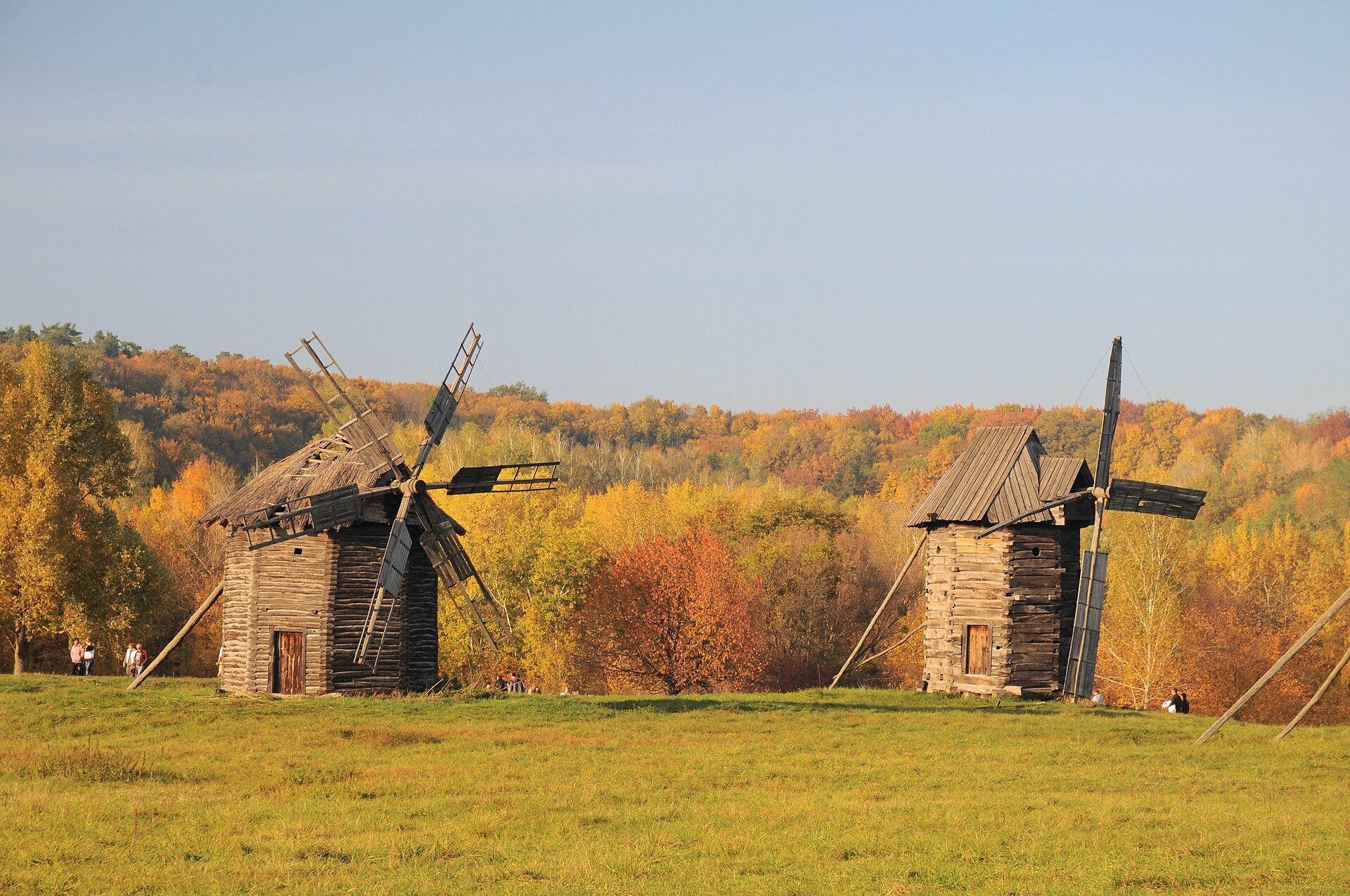
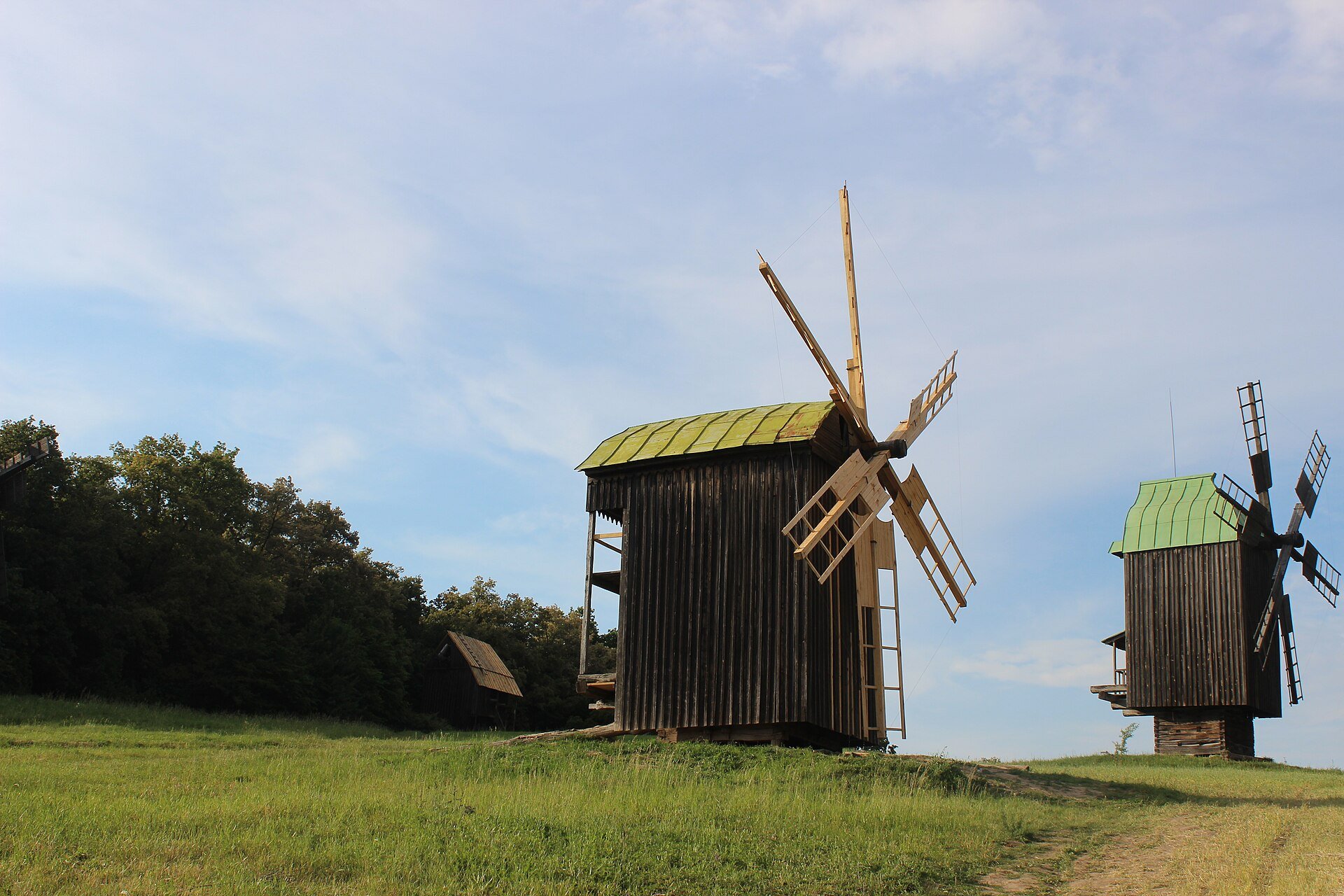
The museum’s signature view is the hill of windmills: a dozen wooden mills from all over Ukraine crowning a hilltop with a panorama of the whole site. There are also watermills, smithies, a school, a village council house and a tavern.
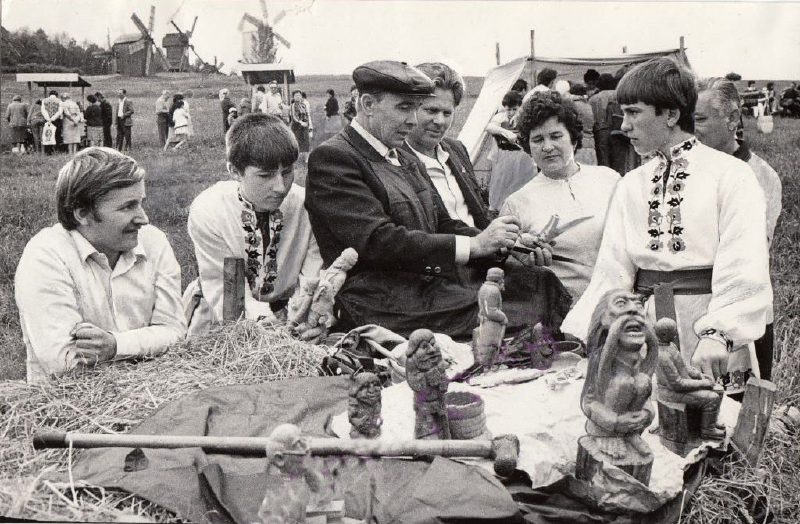
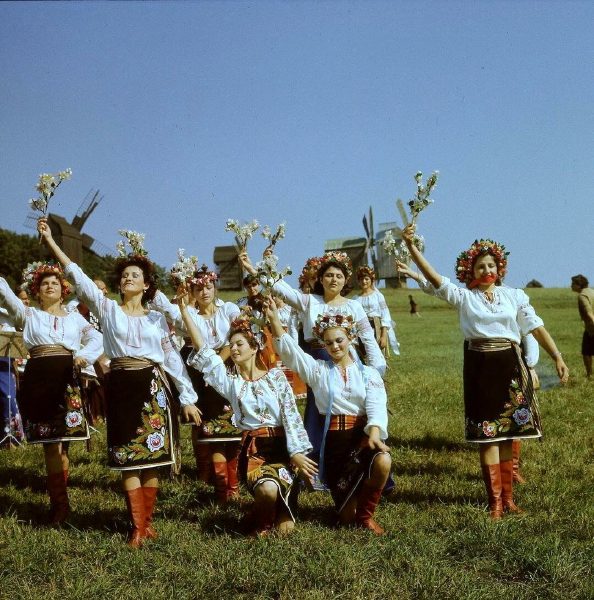
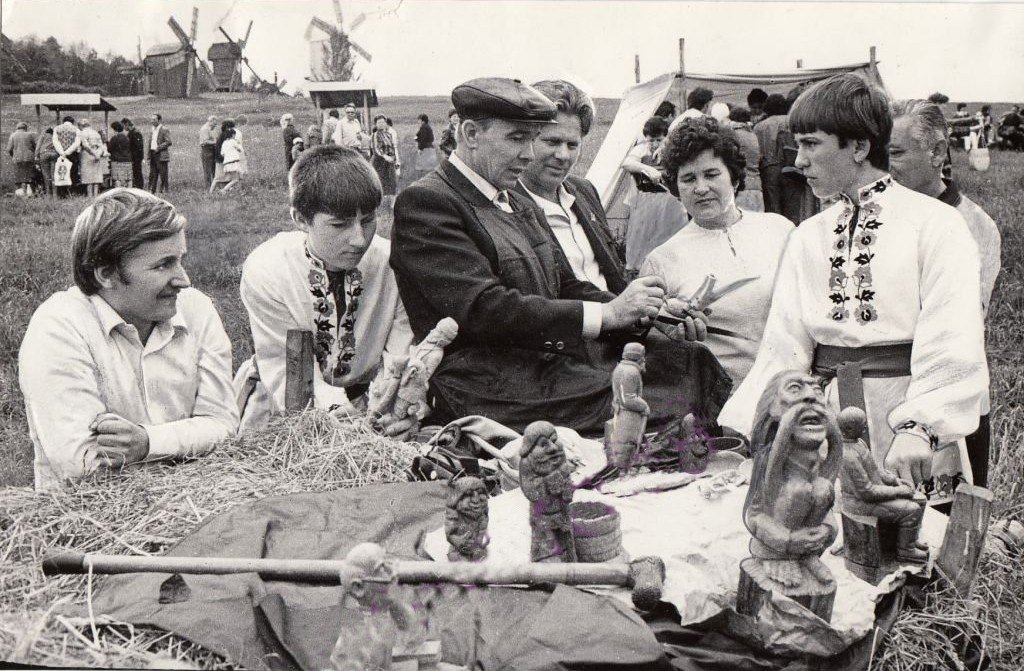
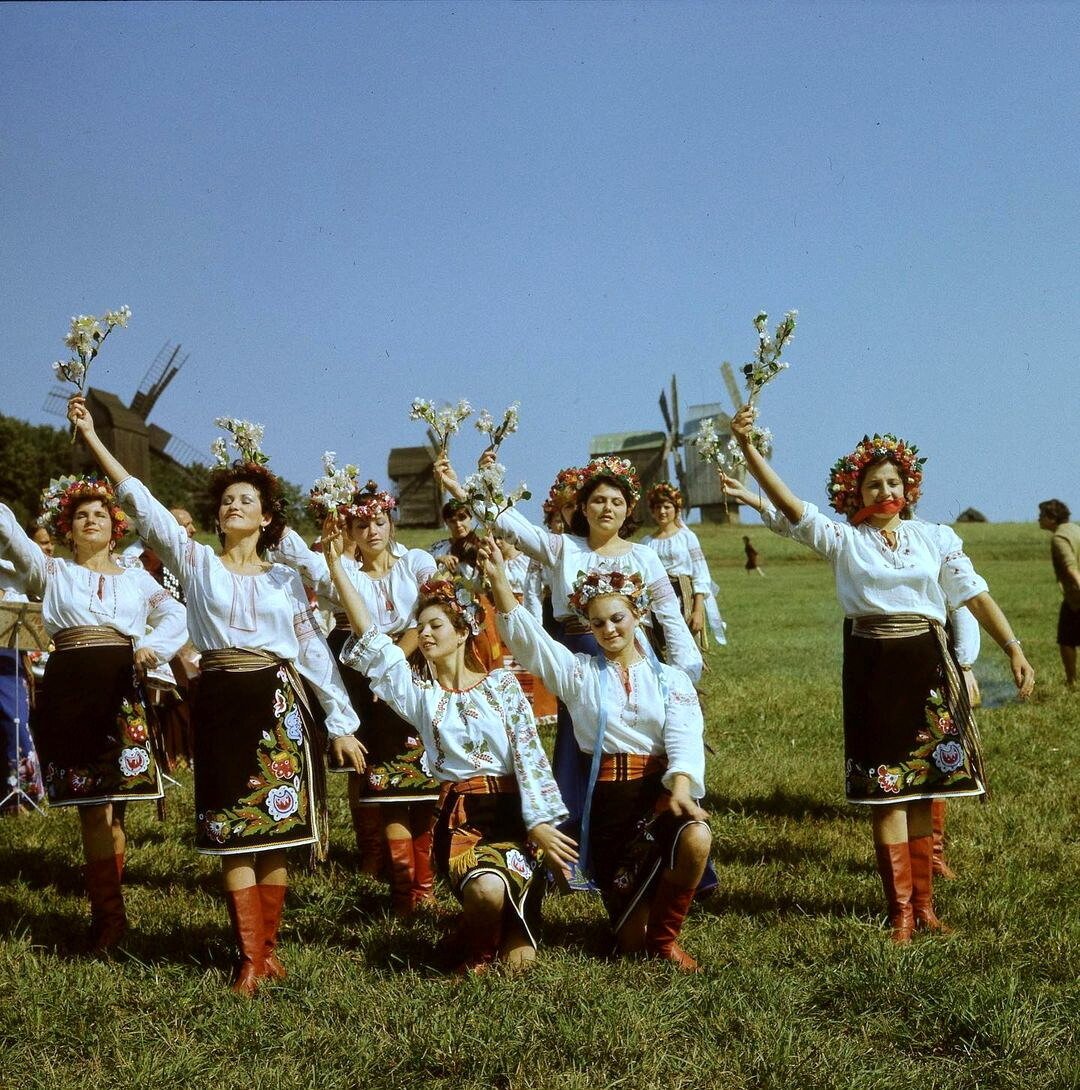
The museum keeps the folk calendar alive as well as the buildings. Since 1978 it has hosted ethnographic fairs that bring potters, weavers, carvers and blacksmiths from across the country. Christmas, Kolodii (the pre-Lent festival), Trinity, St Andrew’s Eve and St Nicholas Day are all celebrated here, and a workshop in the village council house teaches paper-cutting and decorative painting. In summer the wheat fields ripen, in spring the orchards around the cottages blossom, in autumn the oak woods turn gold, and in winter the snow-covered thatched roofs look like a Christmas card. Allow at least half a day to walk the whole site.
Photo gallery · 8 photos
Through the years
-
-
-
-
-
-
-
-
Video
Pyrohiv Open-Air Museum on screen
Прогулянка музеєм просто неба в Пирогові. КИЇВЩИНА — Ярина Паславська · YouTube


Guide
Similar places
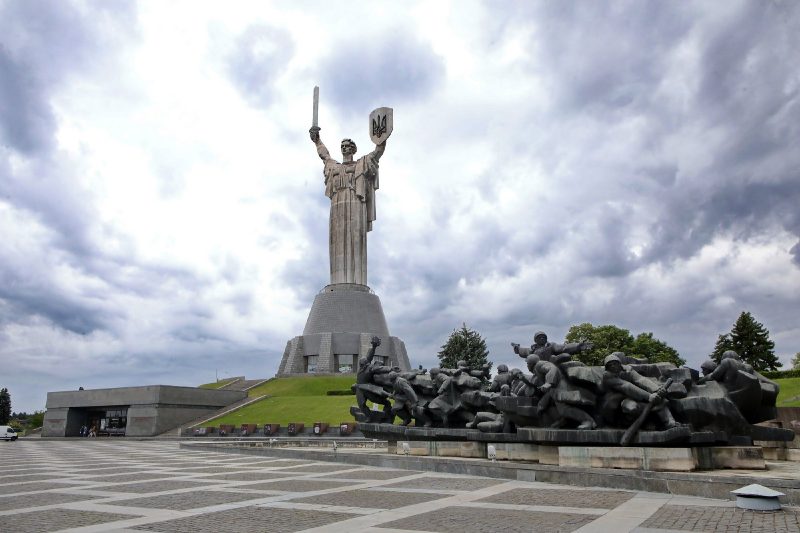 Motherland MonumentA 102-metre steel statue above the Dnipro, with the trident on her shield, and the National Museum of the History of Ukraine in the Second World War at her feet.
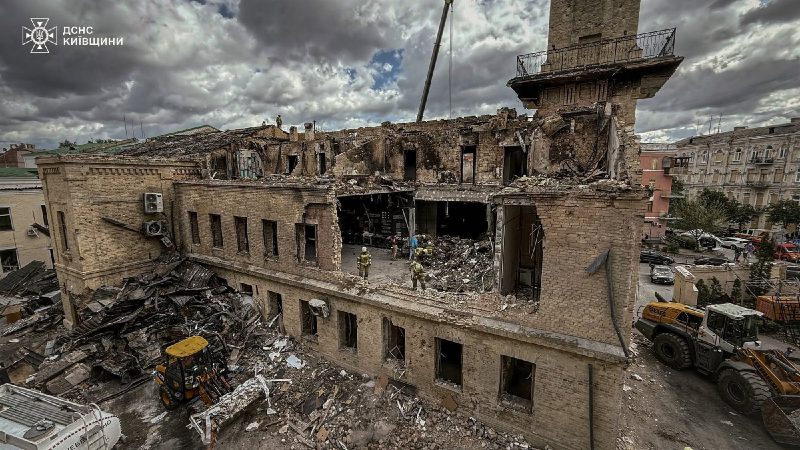 National Chornobyl MuseumA museum of the 1986 disaster housed in an old Podil fire station — from declassified files and liquidators' belongings to its partial destruction by a Russian missile in 2026.
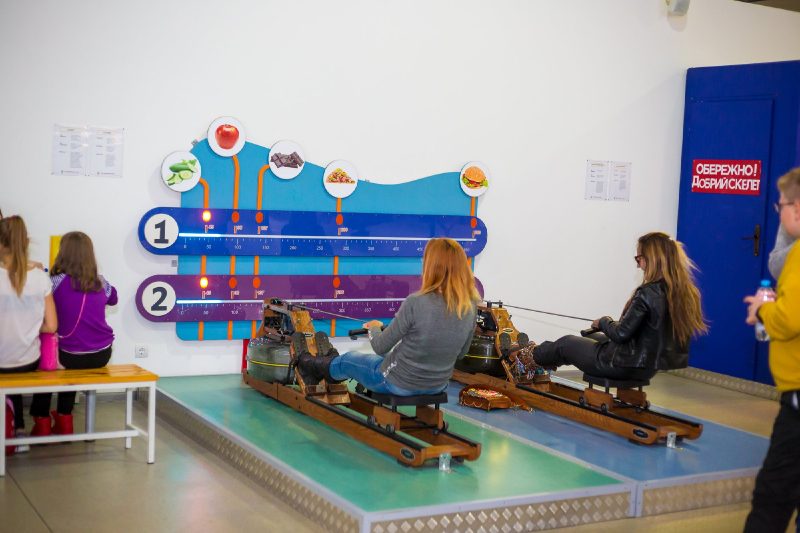 Experimentanium Kyiv: Hands-On Science Museum for All AgesExperimentanium in Kyiv is a hands-on science museum with over 250 interactive exhibits, Tesla and chemistry shows, laser mazes and a tornado machine for kids.


