
- Home
- Places
- Architecture
- Central Post Office
Central Post Office

A post-war “palace of the post” with a colonnaded portico at the corner of Khreshchatyk and Maidan Nezalezhnosti: Ukraine’s main post office and a witness to the 1989 tragedy and every Kyiv revolution.
A plot with a past
The corner where Khreshchatyk meets the Maidan was linked to the post long before the present building appeared. In the first half of the 19th century the plot belonged to the apothecary Johann Sigismund Eismann, whose brickworks produced Kyiv’s famous yellow brick, used among other things for the university’s Red Building. It later passed to his son Gustav Eismann, a professor at St Volodymyr University and mayor of Kyiv, who owned a three-storey house here with arched windows, home to a commercial bank and shops.
Kyiv got its own post office in 1775, and from 1849 it occupied the neighbouring Holovynsky estate (then 24 Khreshchatyk). Mail coaches stood in its courtyard, and in 1886 the city’s first state telephone exchange, with 60 lines, opened on its second floor.
The Palace of Communications that was blown up
By the end of the 19th century the post and telephone services had outgrown the old premises. In 1908 the city council decided to build anew, and work began in 1912 under the architect Oleksandr Kobeliev; in the summer of 1914 the old estate was pulled down. The First World War and the revolution halted construction, and for more than twenty years a fenced-off wasteland stood on Khreshchatyk.
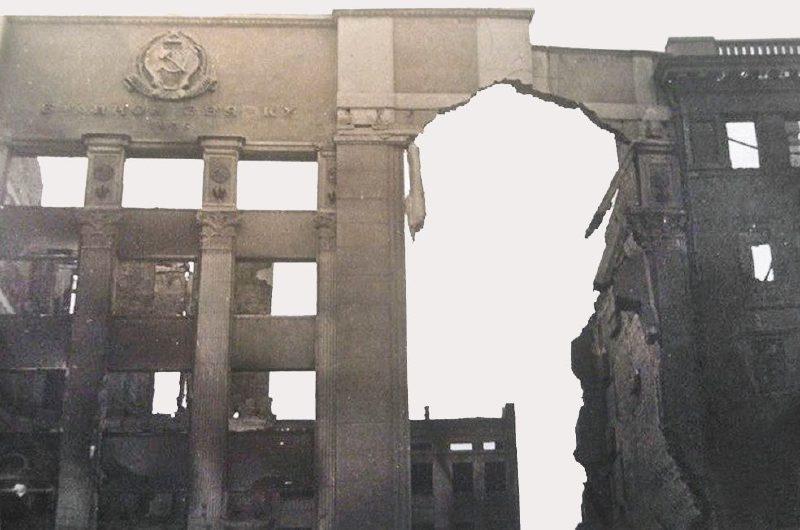
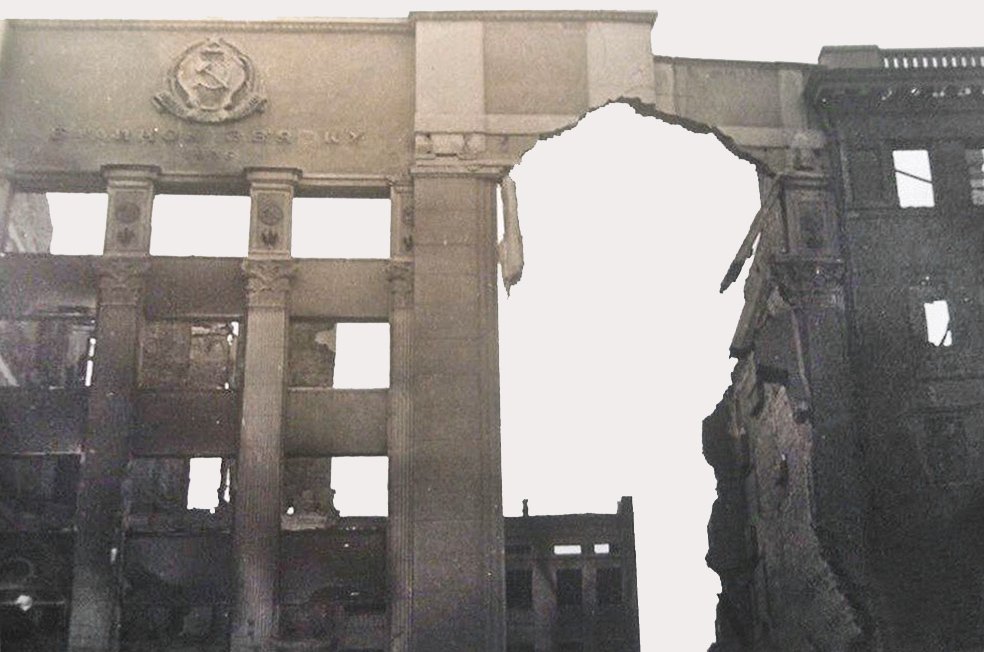
After the capital of Soviet Ukraine moved back to Kyiv in 1934, a large House of Communications was built here (1936–1941), designed by Vasyl Osmak and S. Hermanovych. It did not last: in September 1941, after German troops had entered the city, Soviet demolition teams blew up central Khreshchatyk, and both the Palace of Communications and the old Eismann house were left in ruins. After the war the site of the Palace was given to the building now used by the State Committee for Television and Radio, while the new post office received the cleared plot at No. 20–22.
A post-war “palace of the post”
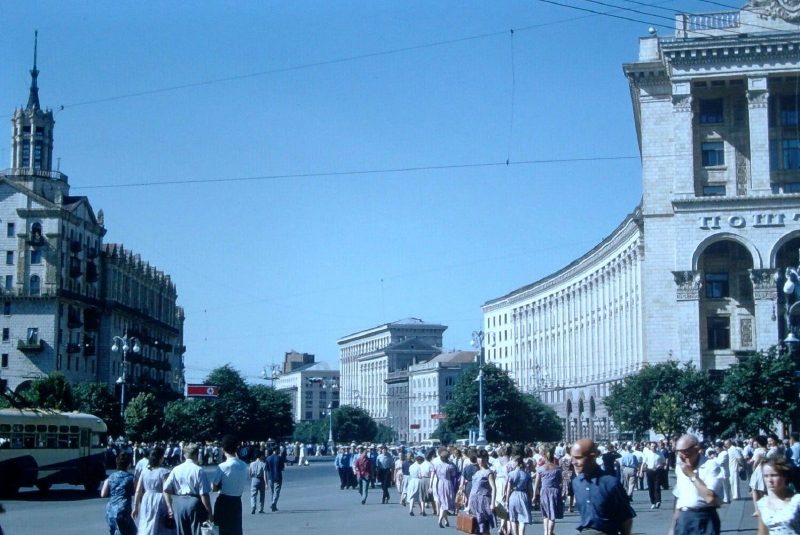
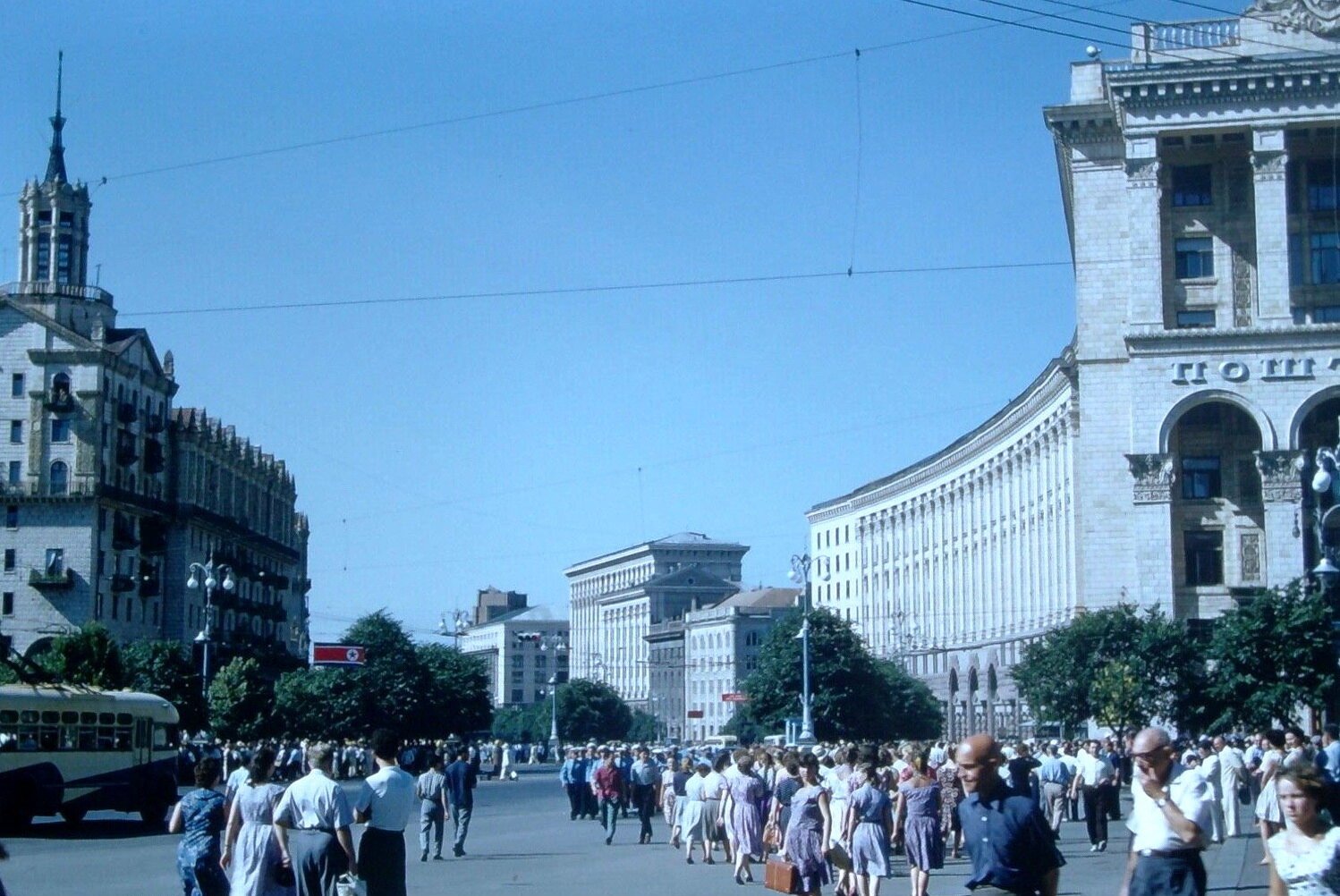
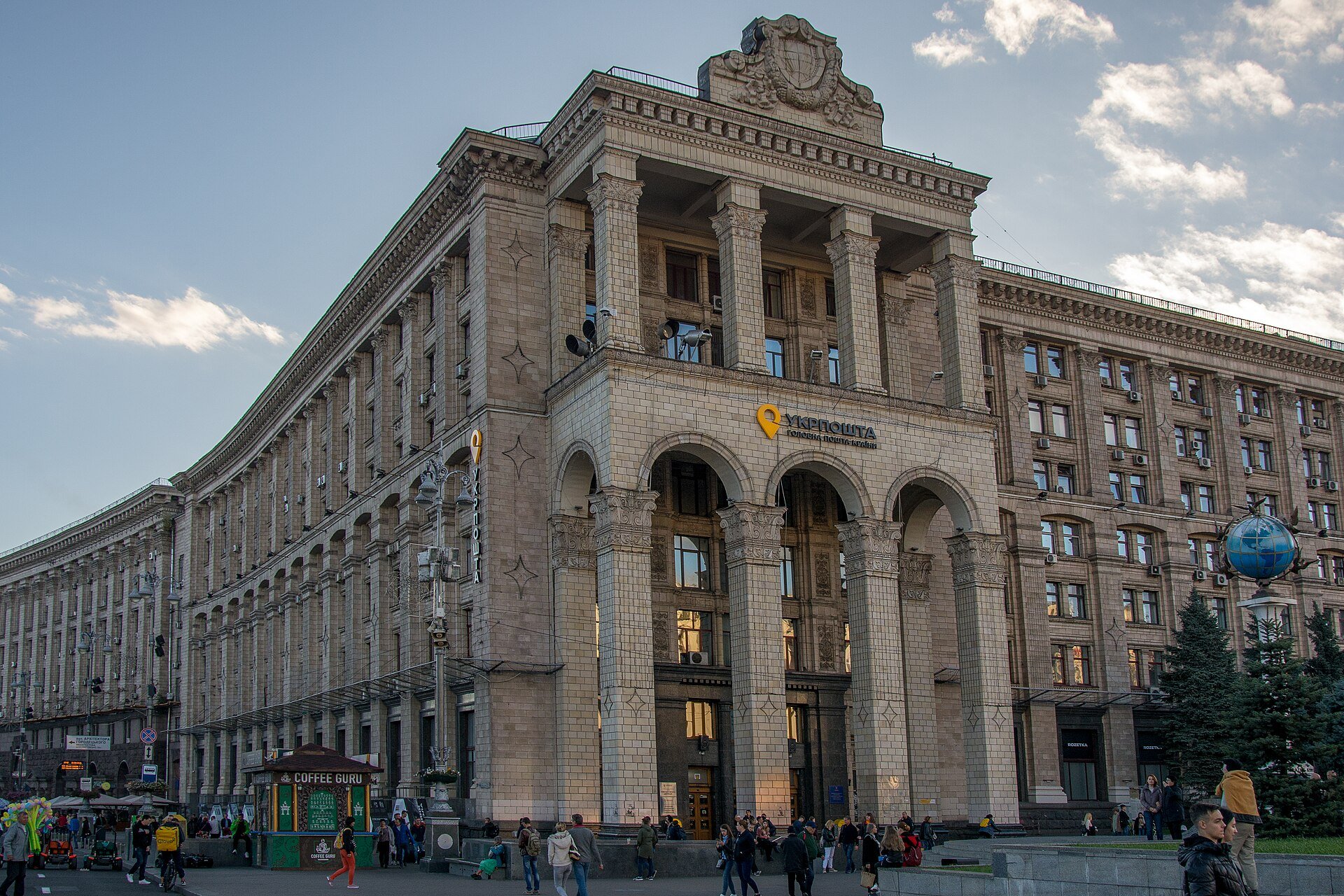
The present Central Post Office (Holovposhtamt) was built in 1952–1958 as part of the post-war reconstruction of Khreshchatyk, to designs by Vadym Ladnyi, Borys Pryimak and Hryhorii Slutskyi. Officially it was the Ministry of Communications and Central Post Office building, and the square in front was then called Kalinin Square.
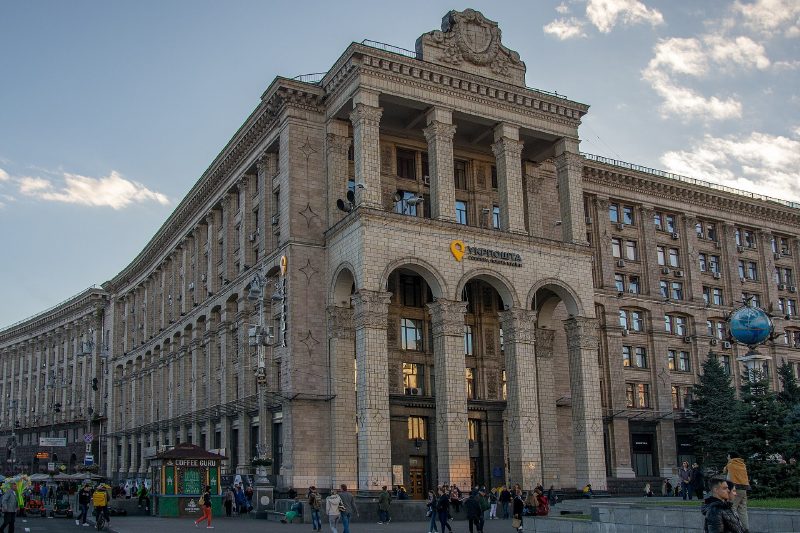
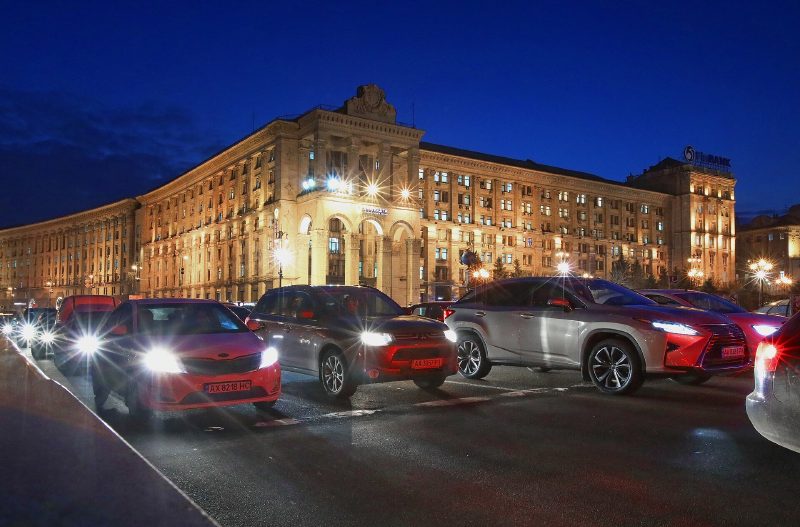
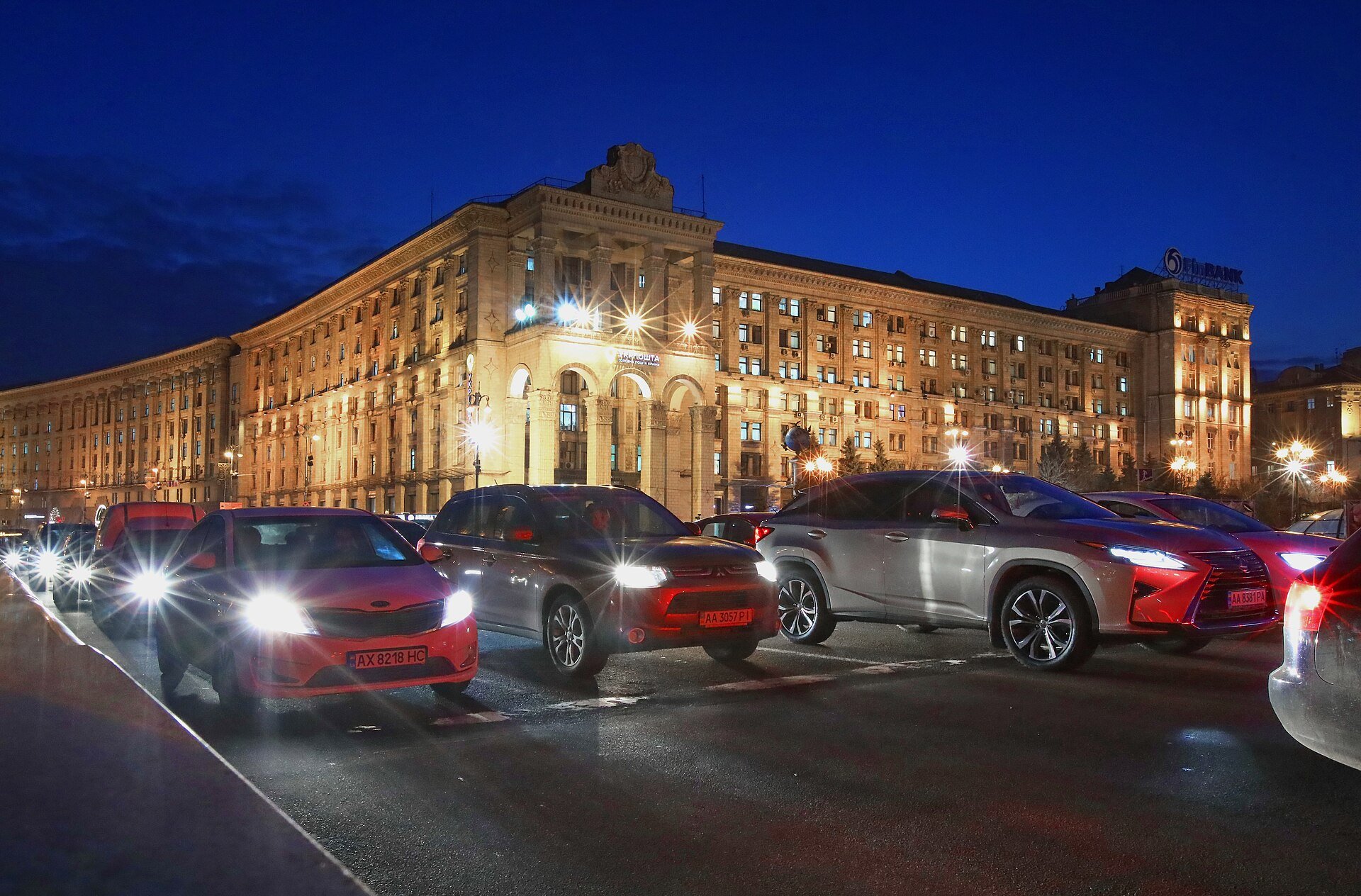
The seven-storey brick building with an extra half-storey is L-shaped, with two wings of roughly 80 metres each; the Khreshchatyk wing curves gently, easing the street into the square. The corner facing the Maidan is marked by the tall portico of the main entrance. The facades are clad in pale ceramic tiles, articulated by Tuscan pilasters on the lower floors and Corinthian ones on the fifth to seventh, above a rusticated base. The architects enriched the classical scheme with Ukrainian Baroque motifs, the approach used for all of post-war Khreshchatyk.
The tragedy of 2 August 1989
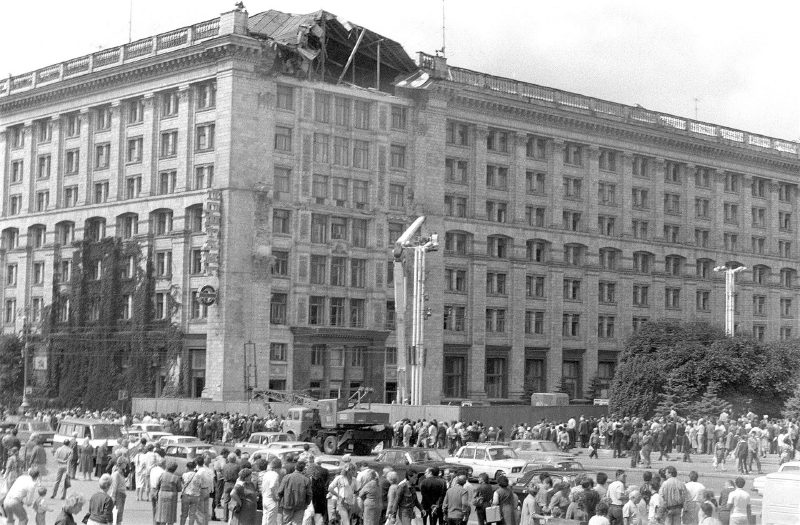
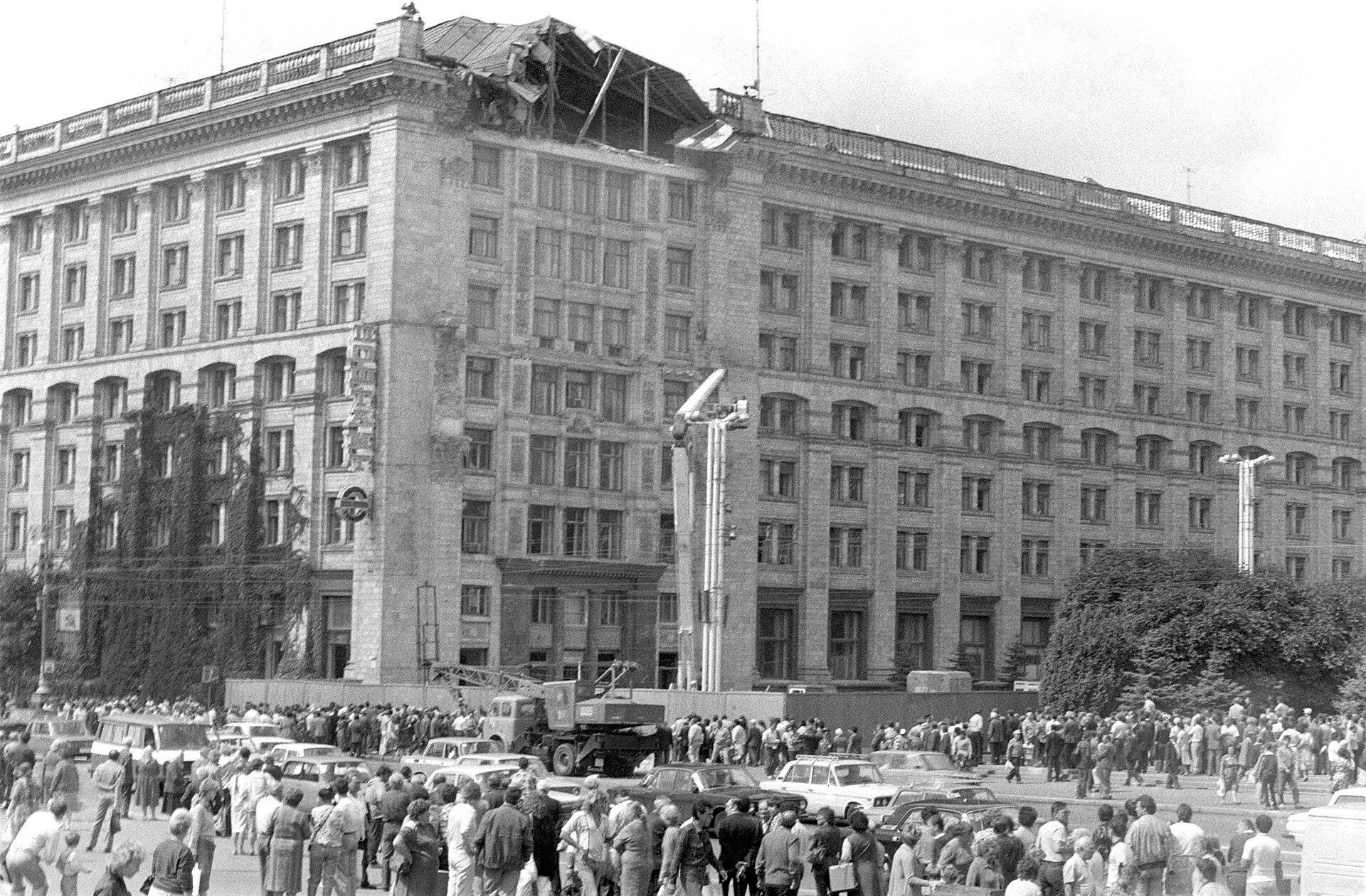
The darkest day in the building’s history was 2 August 1989. The post office was being renovated and the cladding was being removed from the portico columns. At about 4:20 pm, during a downpour, with passers-by sheltering under the portico, the columns of the main entrance gave way and collapsed. Eleven people were killed (some sources say 13) and two were seriously injured. The main cause was said to be the renovation itself: the facing tiles and their cement layer had worked together with the columns, and stripping them weakened the structure; underground works beneath the square were also mentioned. The portico was rebuilt in the 1990s, together with the ground-floor interior. Urban legends about the disaster still circulate; we tell them in a separate article.
Witness to revolutions, post office at war
Its place on the Maidan has made the post office part of recent history. In autumn 2004 Orange Revolution protesters covered its columns and walls with slogans, the names of their home towns and election dates; some of the graffiti was preserved under plexiglass. In the winter of 2013–2014 the “Maidan Post” operated next to the building, letting residents of the tent camp write to one another; a stand by the National Museum of the Revolution of Dignity at the entrance now tells its story.
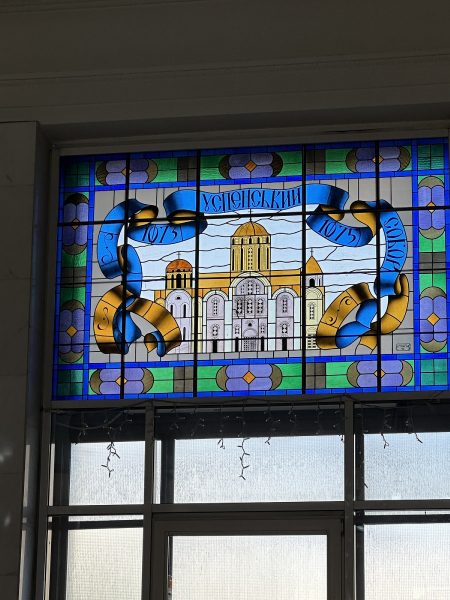
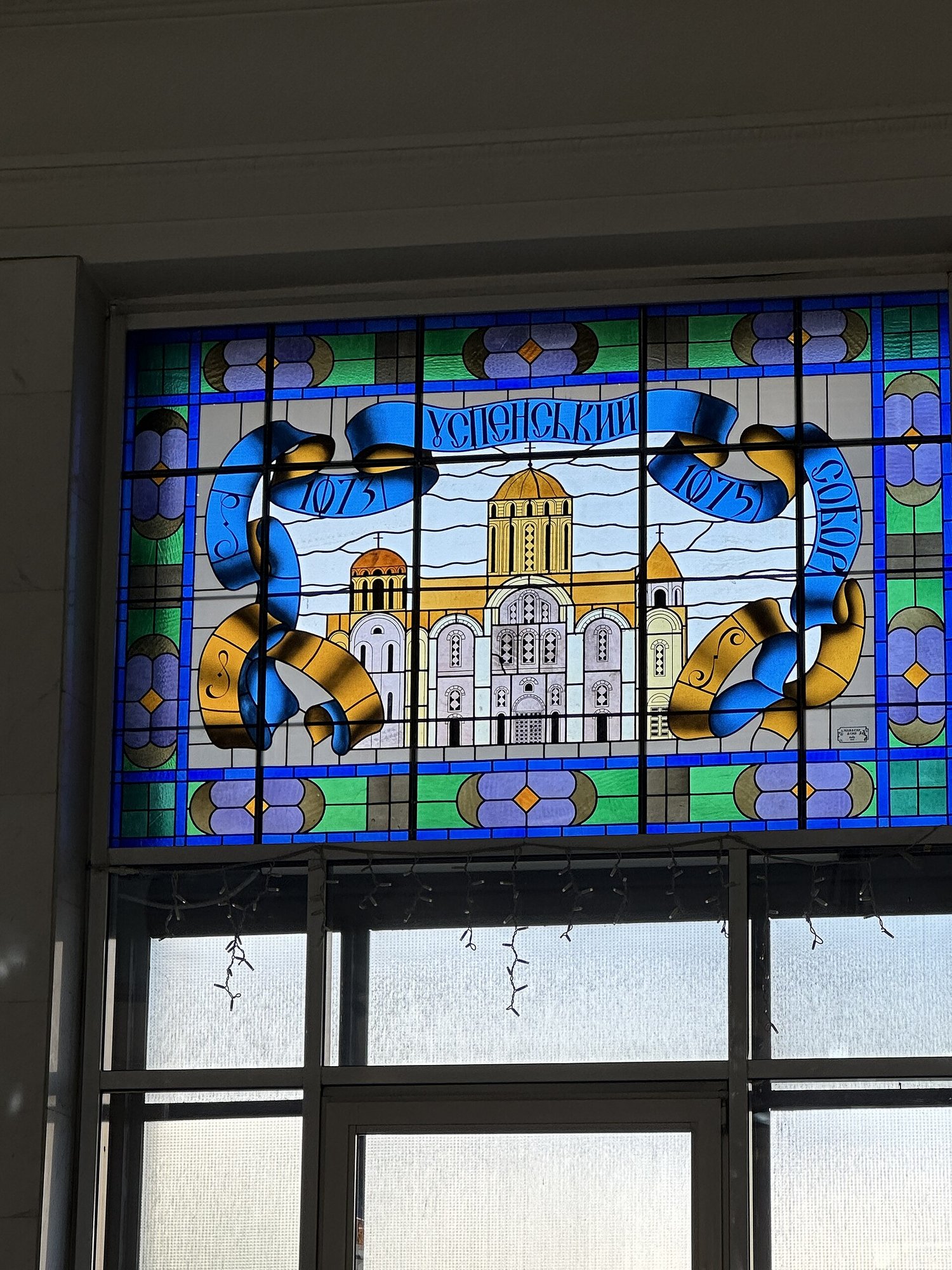
In 2020–2021 Ukrposhta talked of selling the building, but the country’s main post office, postcode 01001, remains at 22 Khreshchatyk. After the full-scale invasion began in 2022 it kept working, and long queues formed outside for the new stamps that became symbols of resistance. It is worth stepping inside for the interiors too: spacious public halls, dark granite door and window frames, and stained glass.
Photo gallery · 6 photos
Through the years
-
-
-
-
-
-
Then and now
Compare yourself
Drag the slider to see how the place has changed.
Slider


Photo overlay
Video
Central Post Office on screen
Вулиця Хрещатик у 1950-х роках — Історія Києва в фотографіях · YouTube


Guide
Similar places
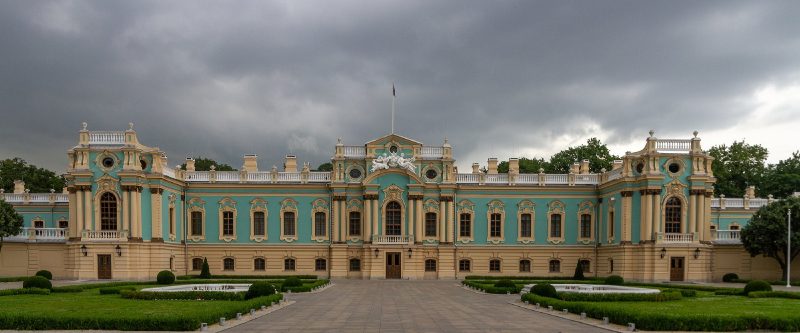 Mariinskyi Palace in Kyiv: History and ArchitectureMariinskyi Palace in Kyiv, a baroque masterpiece designed by Rastrelli in the 1750s: its history, fires, reconstructions, interiors and ceremonial role.
 Monument to Hetman Ivan Mazepa (Eternal Kyiv)Unveiled in 2009, Frank Meisler's Eternal Kyiv sculpture honors Hetman Ivan Mazepa with a rotating dove above the churches he built. Discover its story and symbols.
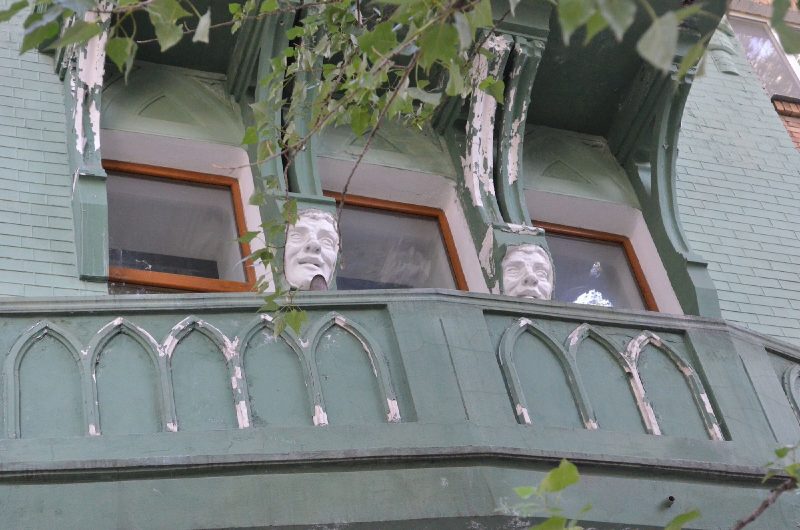 House with CatsA green Gothic Revival apartment house on Hoholivska Street, built in 1909 by engineer Volodymyr Bezsmertnyi, with cats by the window, owls, masks and a devil under the roof.


