
Fomin Botanical Garden

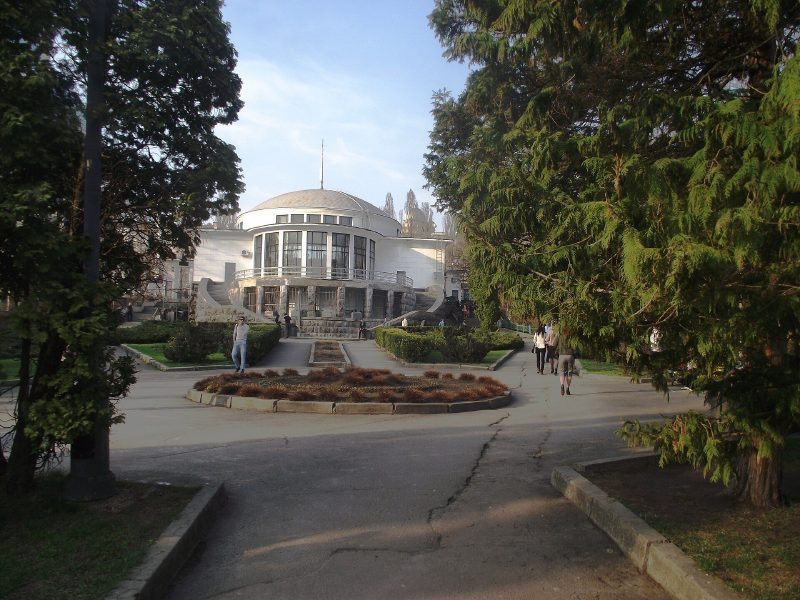
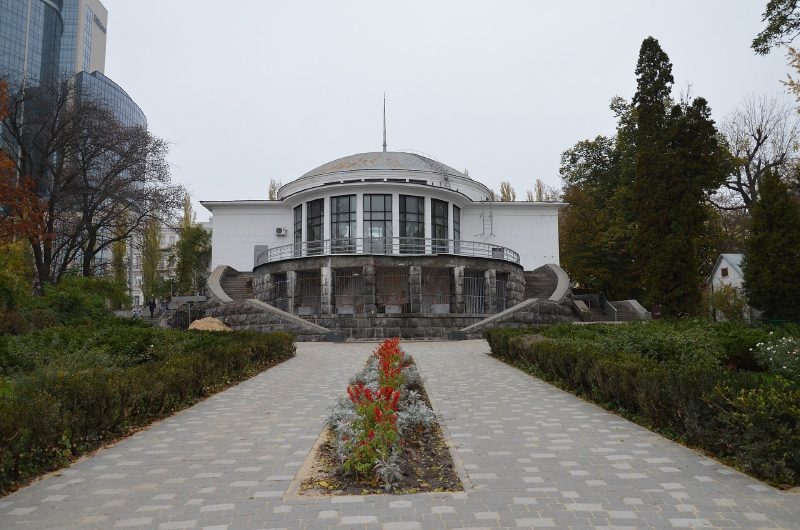
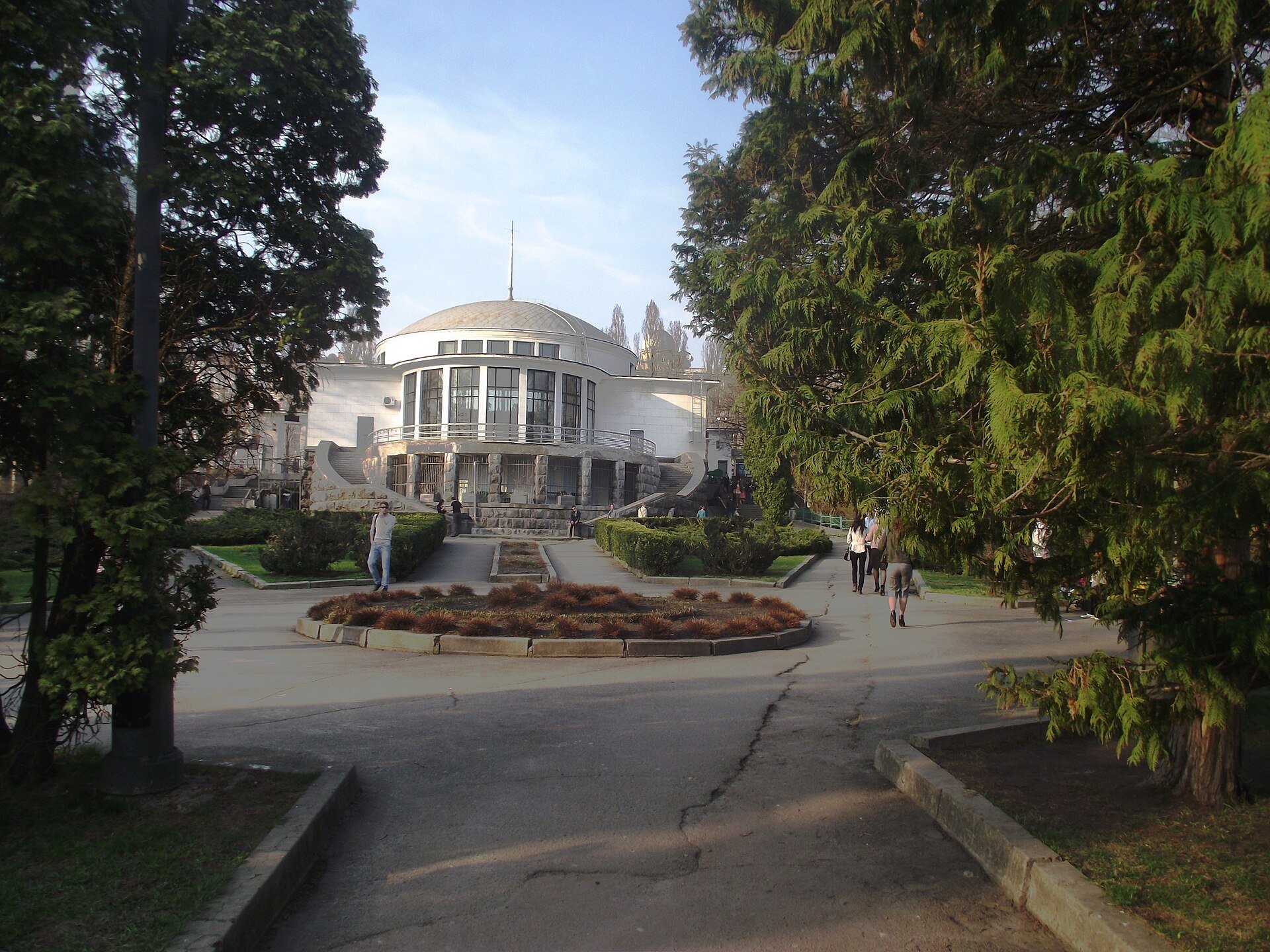
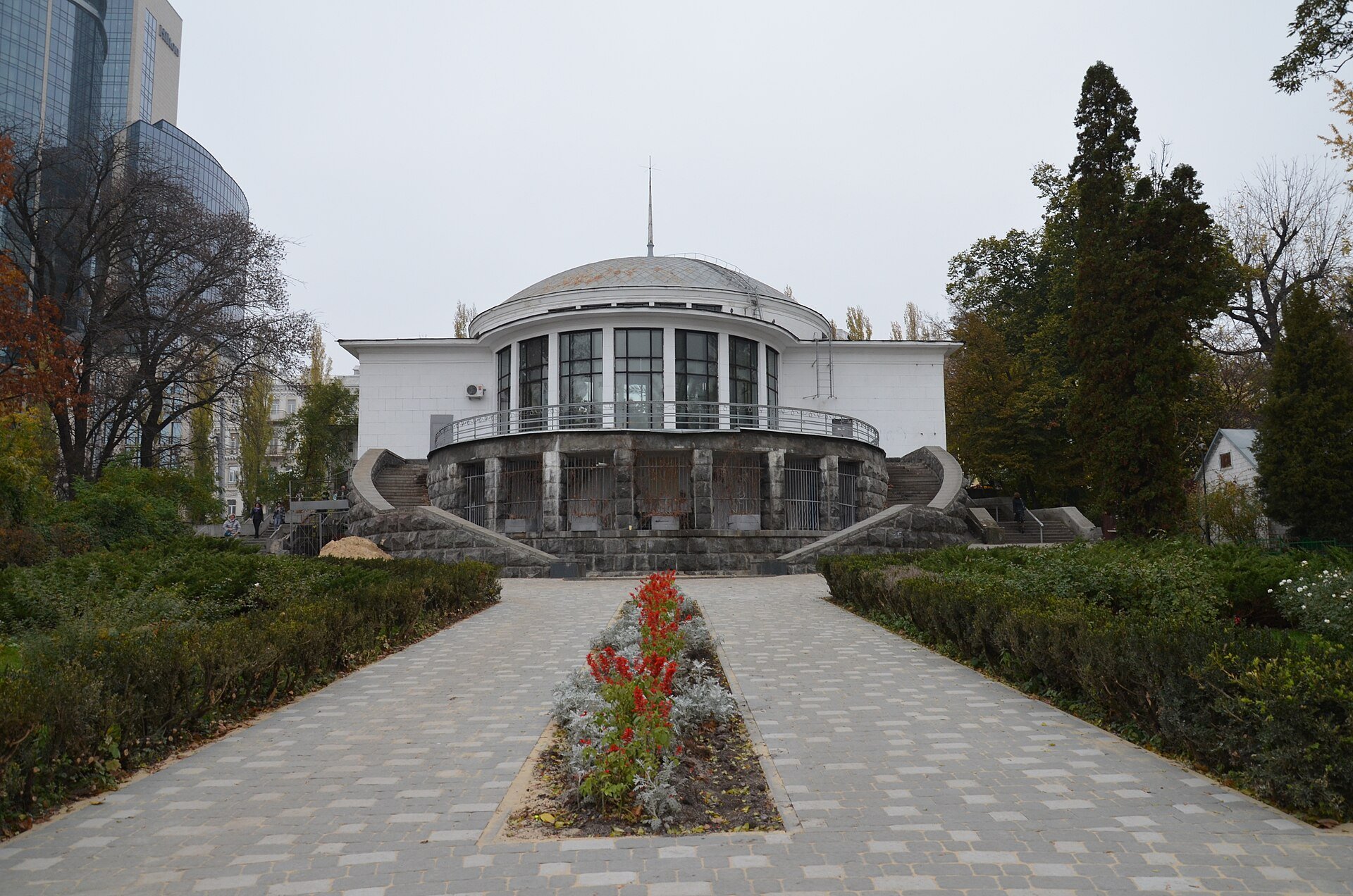
Kyiv’s oldest botanical garden (1839), right behind the university’s Red Building: terraces and alleys, the spring Magnolia Garden and glasshouses with century-old palms.
A garden for the university
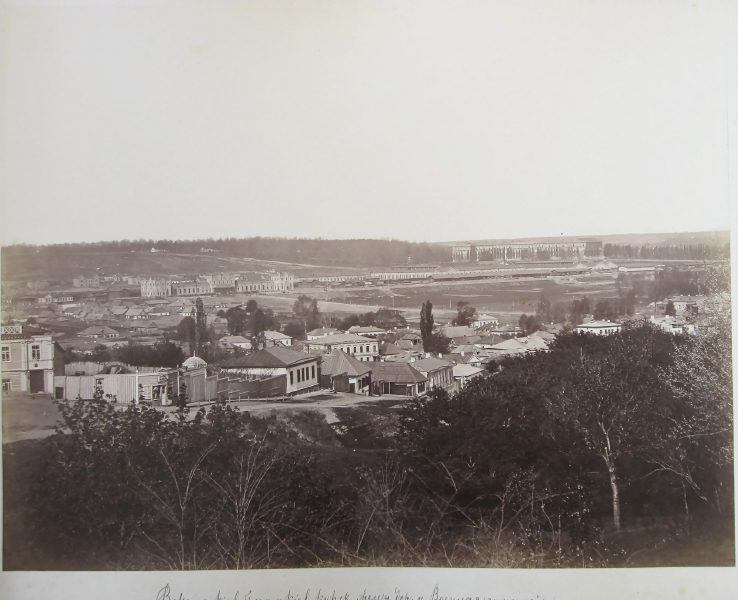
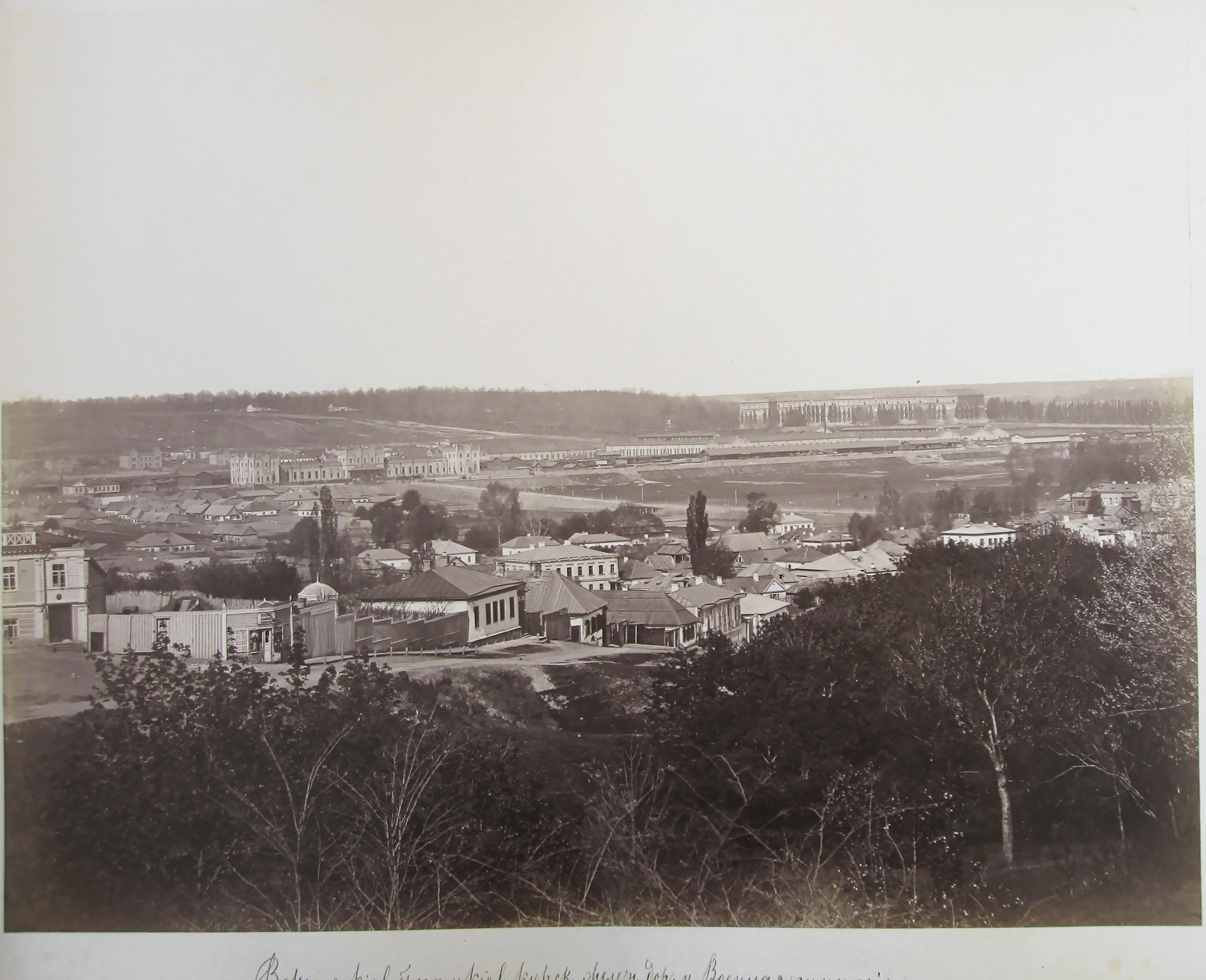
The garden’s story is bound up with Kyiv University. When the main building of St Volodymyr University was going up on wasteland at the edge of the city in the 1830s, its architect Vincenzo Beretti proposed laying out a botanical garden next to it. The collection was to be based on the plants of the closed Kremenets Lyceum in Volhynia: in 1834, 513 plants of 34 species were brought to Kyiv, but for lack of funds they were kept for the time being in the Tsar’s Garden.
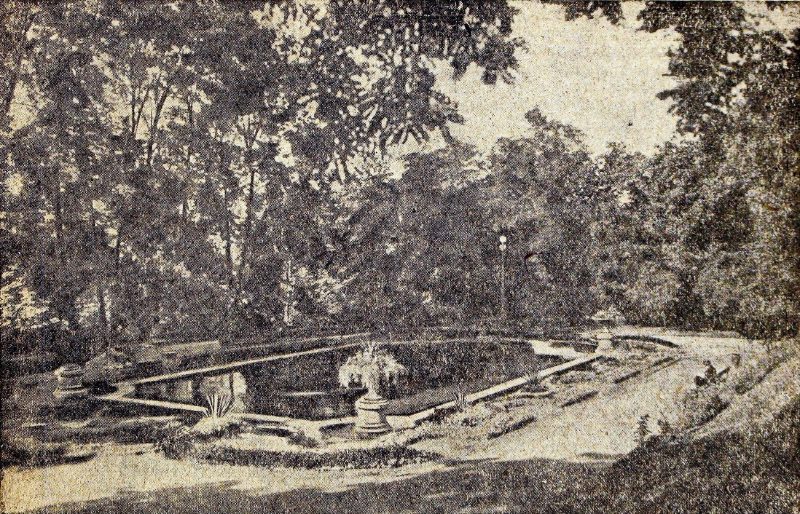
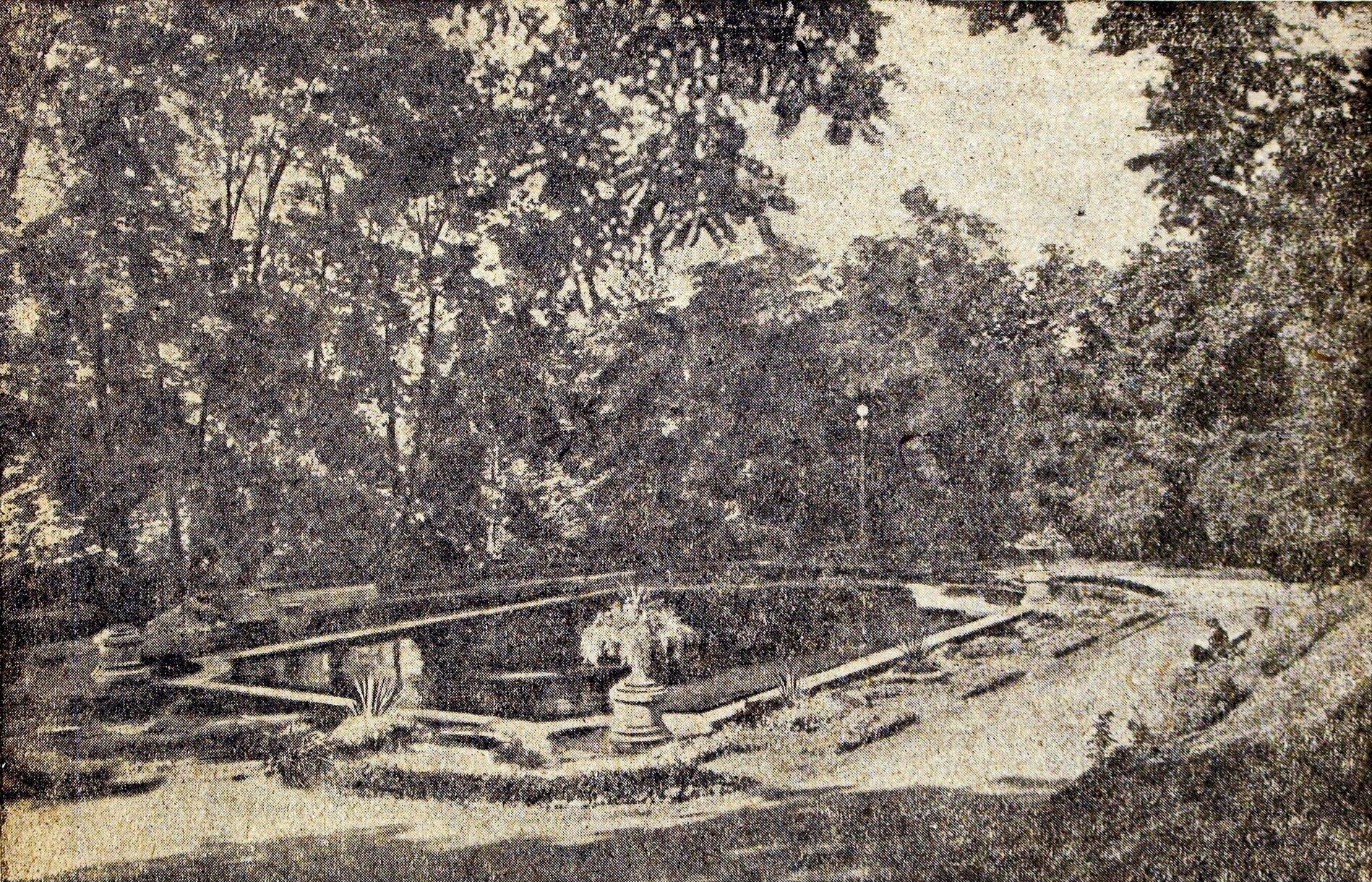
Only in 1839 did the Kyiv educational district allow a temporary botanical garden to be laid out. It was entrusted to the botany professor Rudolf Trautvetter, with Johann Hochhut as gardener. The founding date is taken as 22 May 1839, when Trautvetter made the first plantings. At the end of 1841 the garden became permanent; glasshouses and terraces, which survive to this day, were built to plans by the architect Laufer, and the layout was finished by 1850. By 1852 the garden held more than 25,000 trees, 419 species of shrubs and over 4,000 species of other plants.
Navashin, a zoo and Fomin
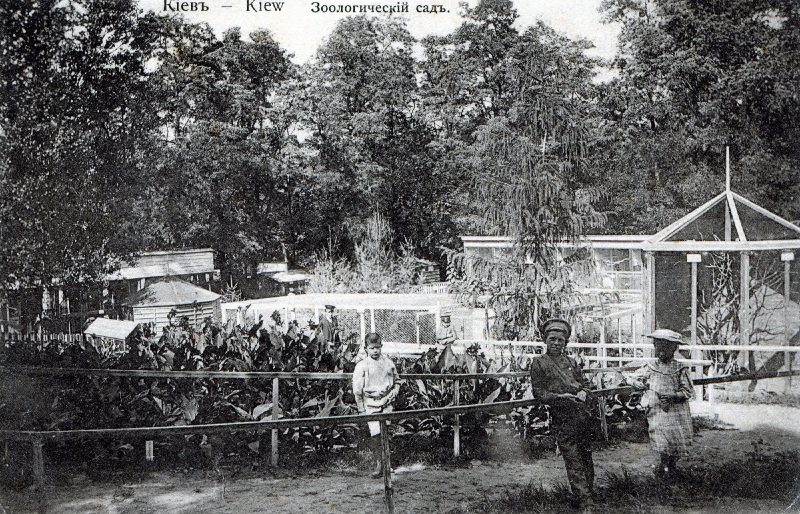
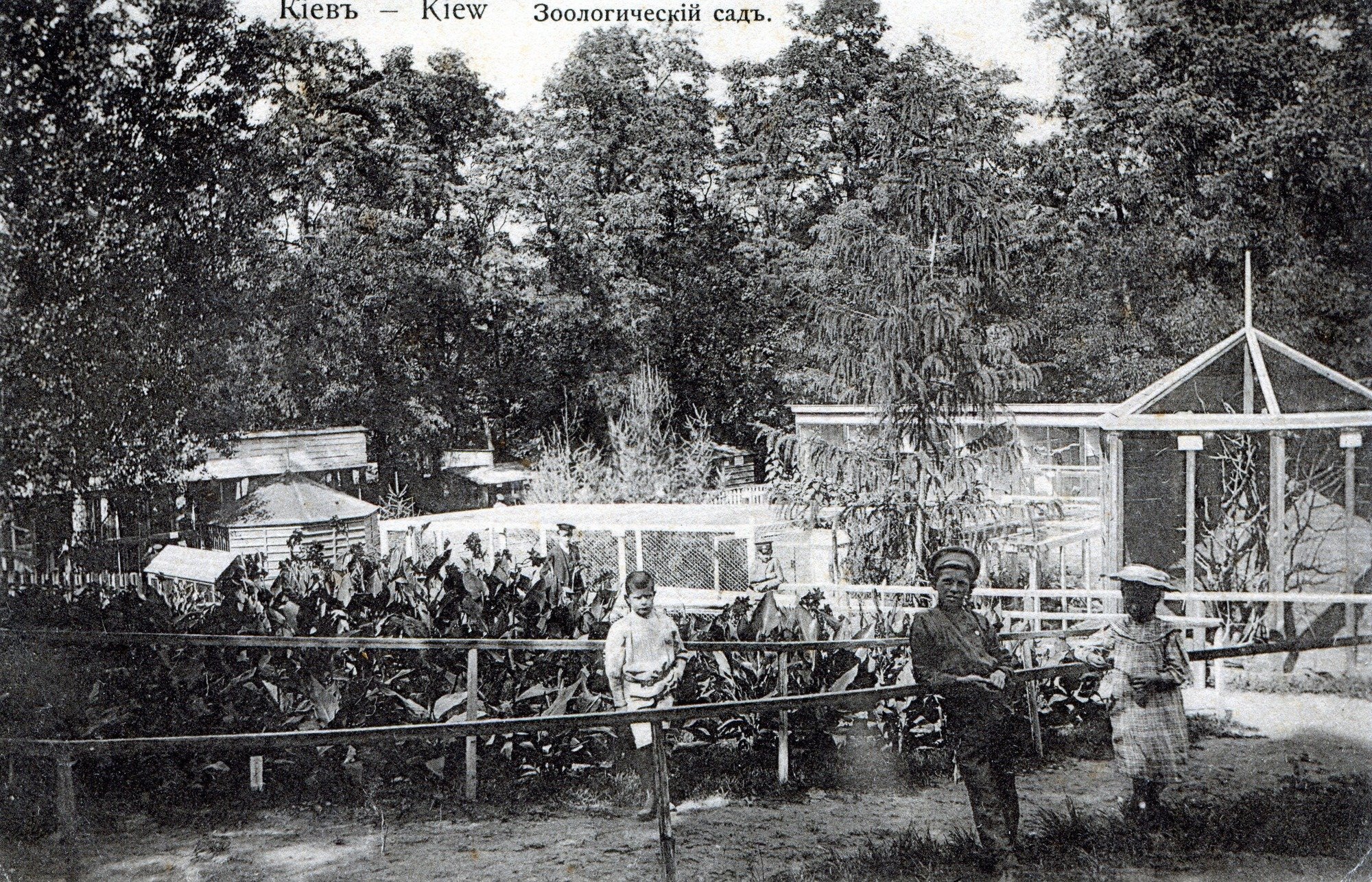
From 1894 to 1914 the garden was run by Serhii Navashin, who in 1898 discovered double fertilisation in flowering plants, one of the key findings in botany and a source of world fame for the university. In the early 20th century Kyiv’s first zoo was briefly housed in the garden; in 1913 it moved to its present site off Beresteiskyi Avenue.
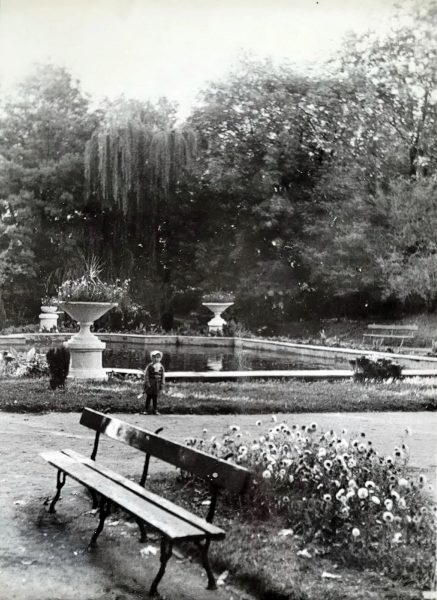
From 1914 to 1935 the director was the botanist and academician Oleksandr Fomin. His years spanned the First World War, the revolutions and the civil war, and it was largely thanks to him that the garden and its glasshouse collections survived. After his death in 1935 the garden was named after him. That same year 7,000 lemon trees arrived from the Caucasus: the plan was to raise citrus plants for Kyiv homes in new glasshouses heated by the city’s first power station.
The post-war decades
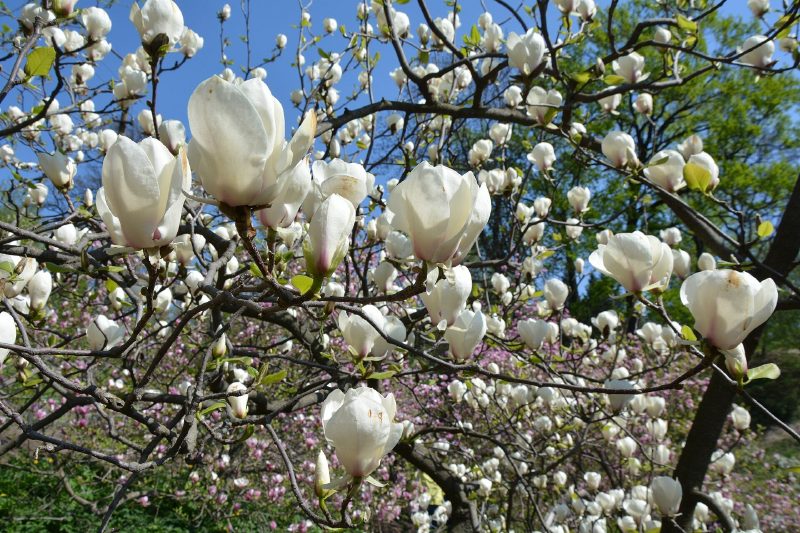
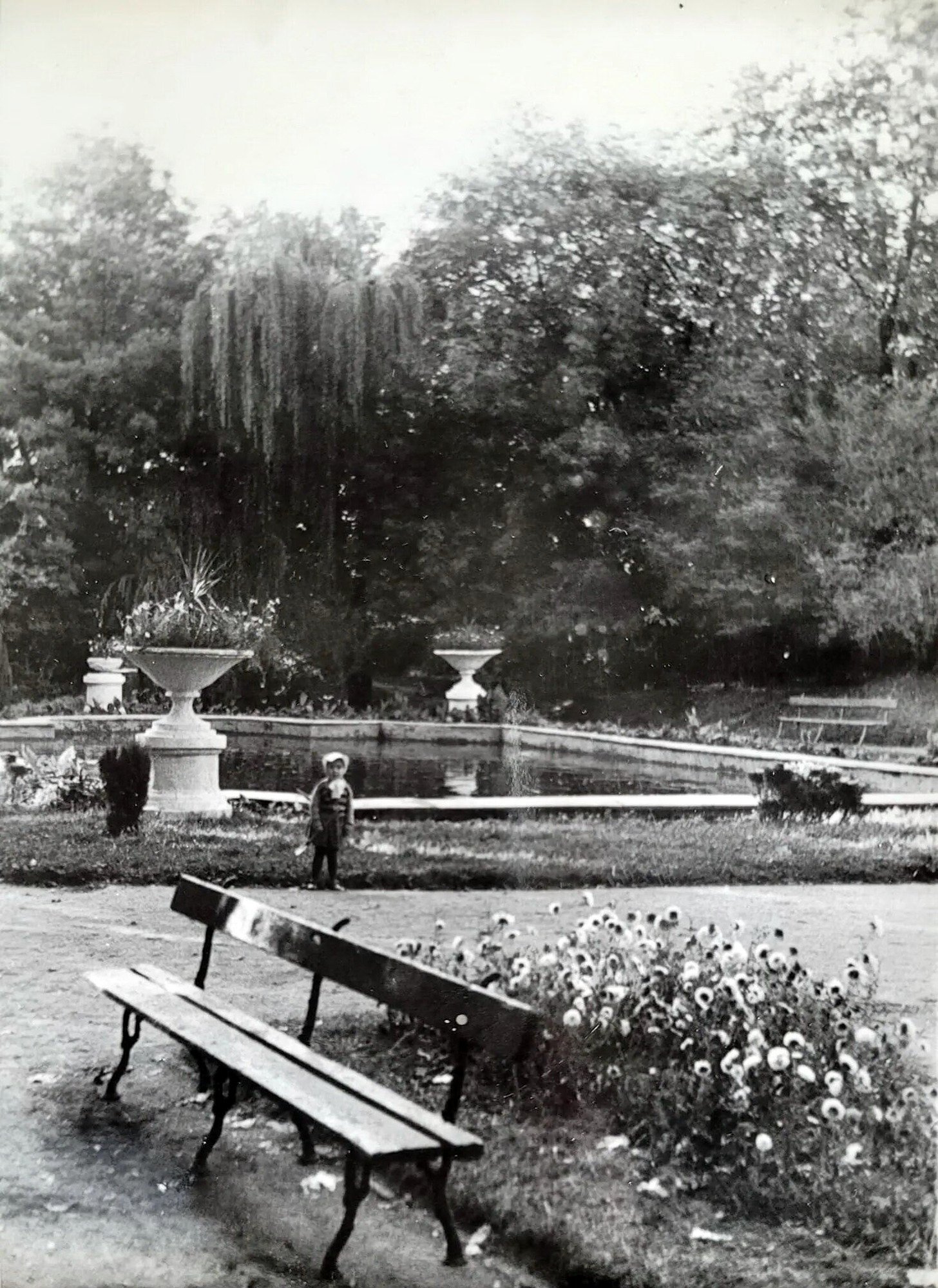
In May 1944, shortly after Kyiv was liberated, the garden opened to visitors and restoration began, including a major repair of the main glasshouse. In the 1960s and 1970s came displays of spore plants, a rock garden and collections of rhododendrons, magnolias and cotoneasters. In 1960 the garden was listed as a monument of landscape art, and in 1969 it became a research institution. In 1976 the researcher Tamara Korshuk and the landscape architects Emiliia Sharapova and Olha Mishchuk planted the Magnolia Garden, and in 1985 the “Invasion” monument by sculptor Valentyn Seliber was unveiled here to the university’s students and teachers who died defending Kyiv in 1941.
The collections: from magnolias to century-old palms
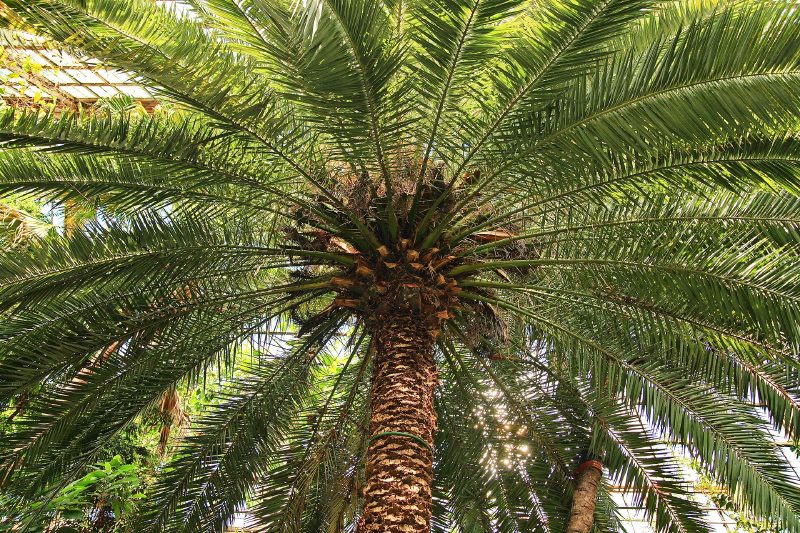
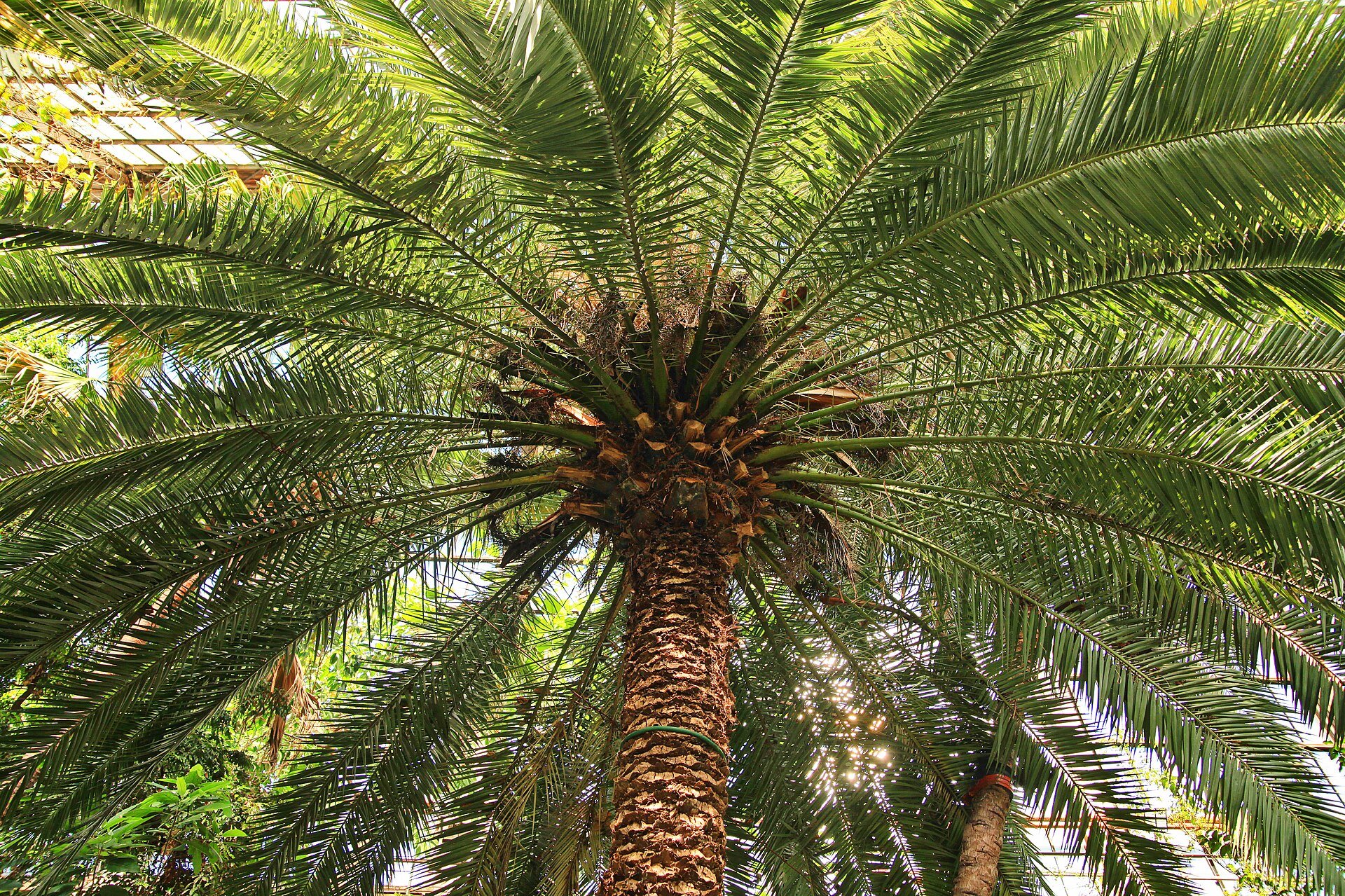
Today some 10,000 species, forms and cultivars grow on 22.5 hectares in the heart of the city. The glasshouse collection of more than 4,000 tropical and subtropical species has been a National Heritage of Ukraine since 2015. In the 1970s a glasshouse more than 30 metres high was built for the tallest palms; its pride is a huge Livistona palm which, according to tradition, came from Kremenets and first flowered in 1979. There is one of Ukraine’s largest collections of cacti and succulents, along with orchids, bamboo, coffee and breadfruit trees; outdoors grow old oaks, ginkgos and more than 170 rhododendron species and cultivars.
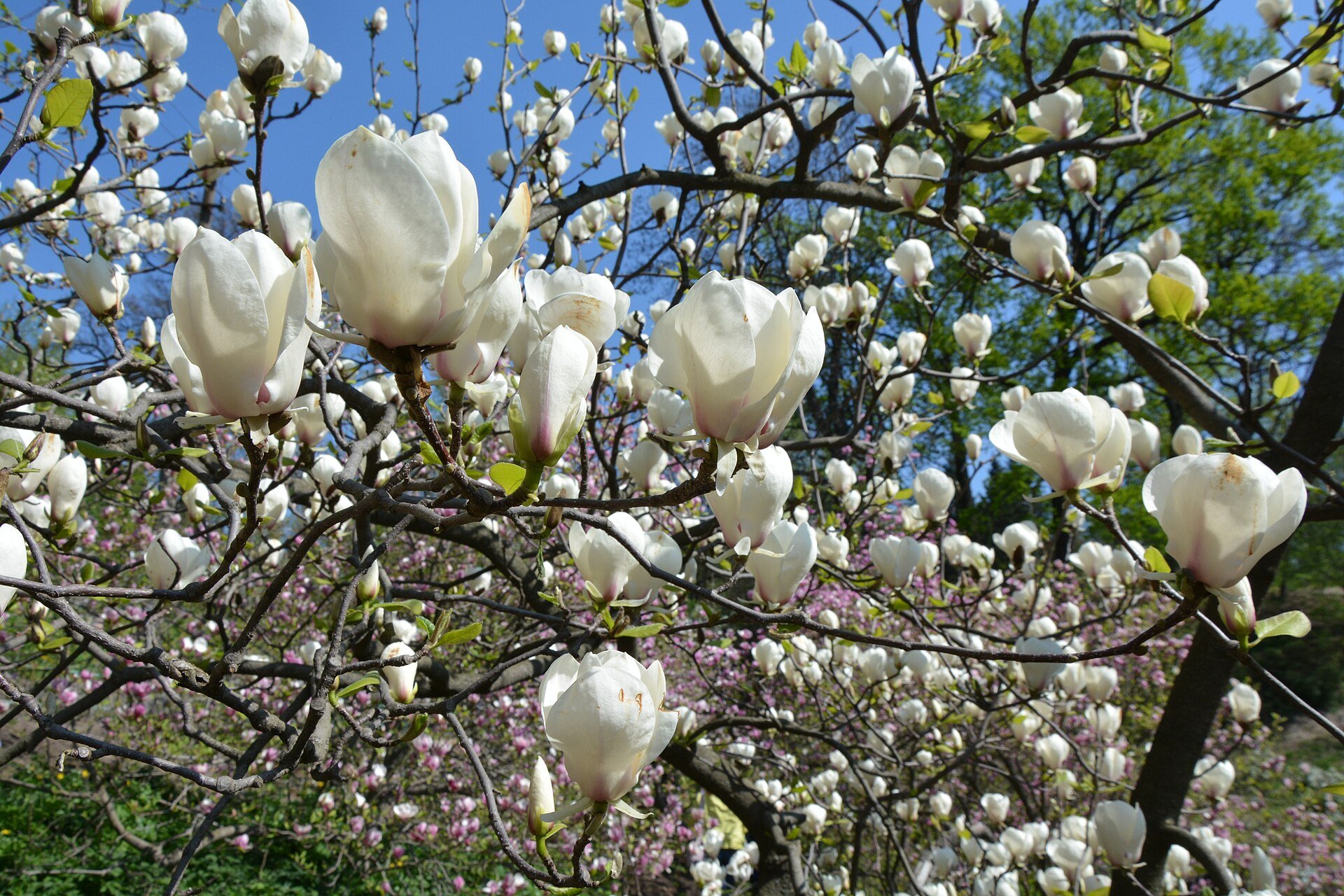
What draws Kyivans most, though, is spring. The collection of deciduous magnolias, the largest in Ukraine with more than 70 species, hybrids and cultivars, blooms in April, and every year queues of people with cameras form to see it. Cherry blossom, lilac and rhododendrons follow.
The garden today
The garden belongs to Taras Shevchenko National University of Kyiv and is divided in two: the eastern part, with the parterre, alleys and Magnolia Garden, is open to all, while the western scientific zone with its glasshouses and nurseries can be visited only on a guided tour. On 10 October 2022 the glasshouses were damaged during a massive Russian missile attack on Kyiv, but the collections were saved and the garden is still working.
People and eras

Photo gallery · 8 photos
Through the years
-
-
-
-
-
-
-
-
Video
Fomin Botanical Garden on screen
Ботанічний сад ім. О. Фоміна Київського національного університету ім. Т. Шевченка — Університет1834 · YouTube


Guide
Similar places
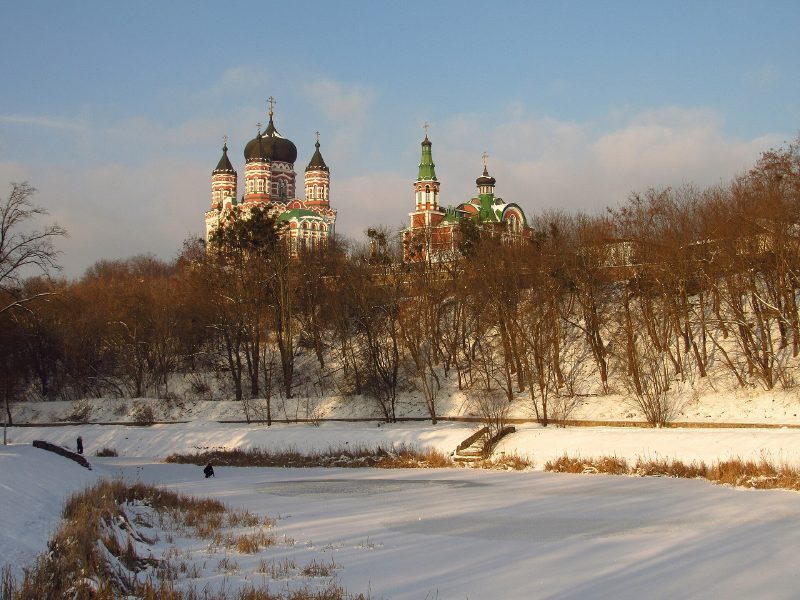 Feofaniia ParkA former bishop’s retreat and monastic skete in southern Kyiv: a cascade of ponds, springs, the pink-and-white St Panteleimon Cathedral and the birthplace of continental Europe’s first computer.
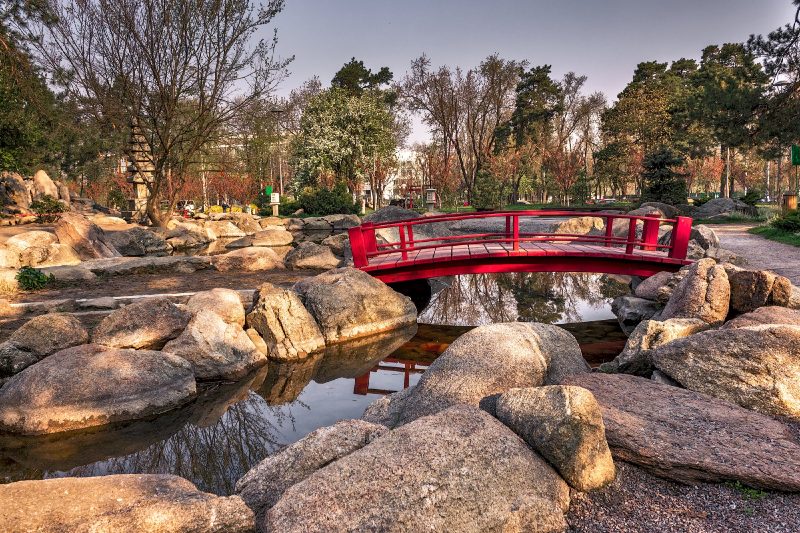 Kyoto Park in Kyiv: The City's Longest Sakura AlleyKyoto Park in Kyiv's Left Bank is a Japanese-style garden with a stone garden, a granite pagoda and a sakura alley of 360 cherry trees that blooms each spring.
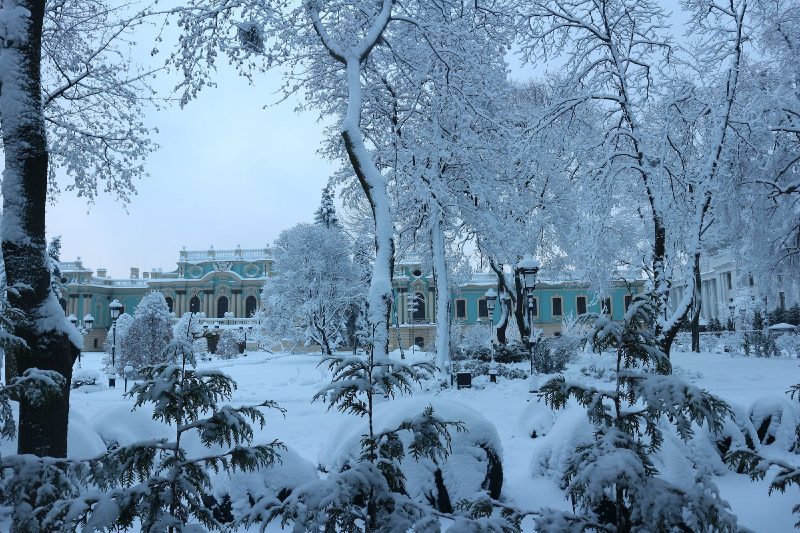 Mariinskyi Park in Kyiv: History and What to SeeMariinskyi Park, laid out in 1874, is one of Kyiv's favorite places to stroll, with Mariinskyi Palace, Dnipro views from the overlook and the Park Bridge nearby.


