
Feofaniia Park

A former bishop’s retreat and monastic skete in southern Kyiv: a cascade of ponds, springs, the pink-and-white St Panteleimon Cathedral and the birthplace of continental Europe’s first computer.
From Lazarivshchyna to Feofaniia
Feofaniia (often spelled Feofaniya) lies on the wooded slopes of a ravine on Kyiv’s southern edge, between Holosiiv, Teremky, Pyrohiv and Khotiv. The area is first recorded in 1471 as Lazarivshchyna. Tradition links the name to a pious elder, Lazar, who supposedly kept bees here; there is no documentary proof, though a “bee-keeping place” does appear in old records.
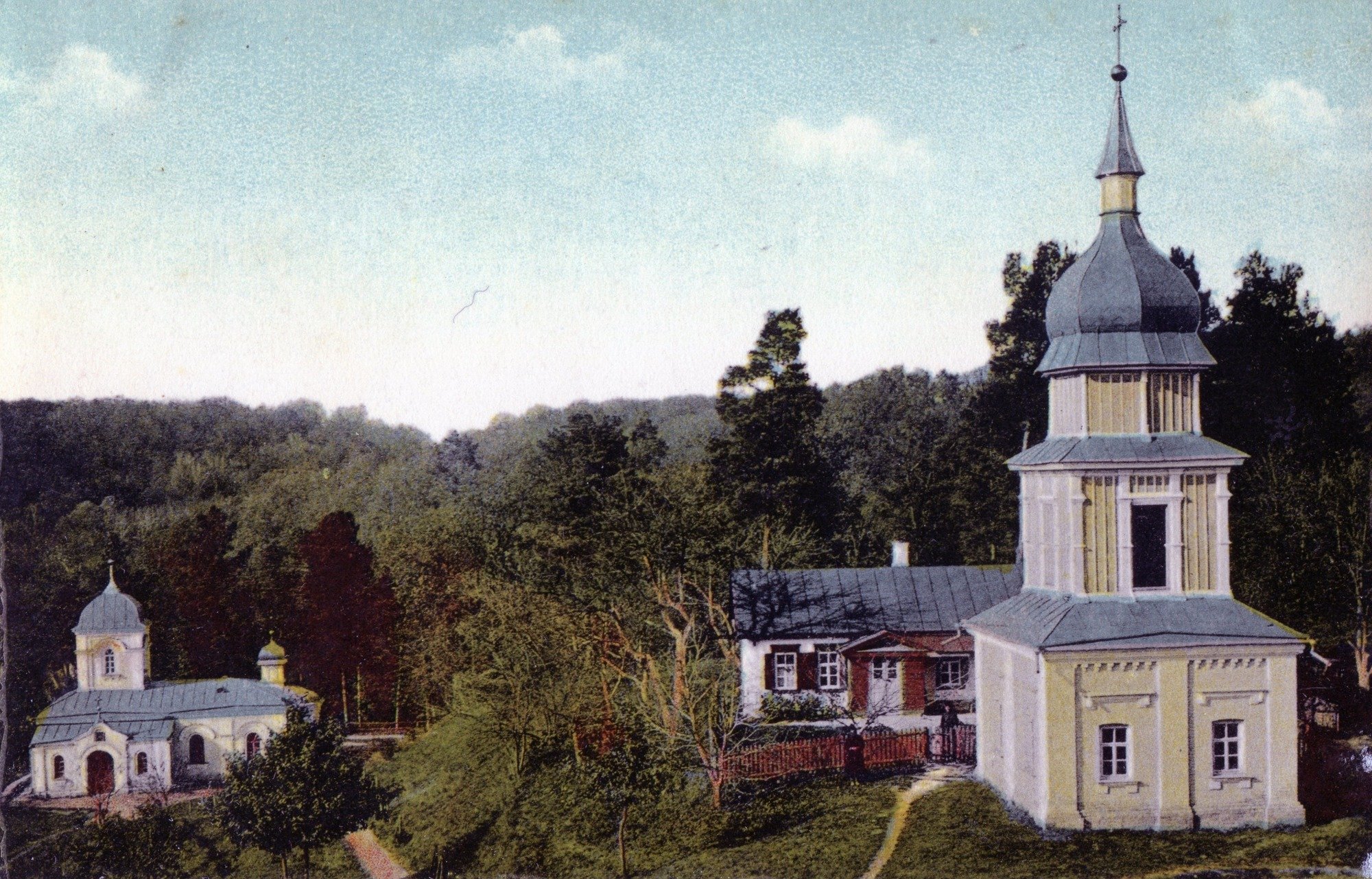
In the 16th century the land belonged to the Kyiv Pechersk Lavra, then to the Metropolitans of Kyiv Petro Mohyla and Sylvestr Kosiv, then to St Sophia’s Monastery, and in 1776 it passed to the state. In 1802 a Senate decree granted it to Feofan Shyianov, abbot of St Michael’s Monastery and vicar bishop of Kyiv. He built a summer residence and the Church of the Miracle of the Archangel Michael here, and with the blessing of Metropolitan Gavriil Bănulescu-Bodoni the place took its new owner’s name: Feofaniia.
The skete and St Panteleimon Cathedral
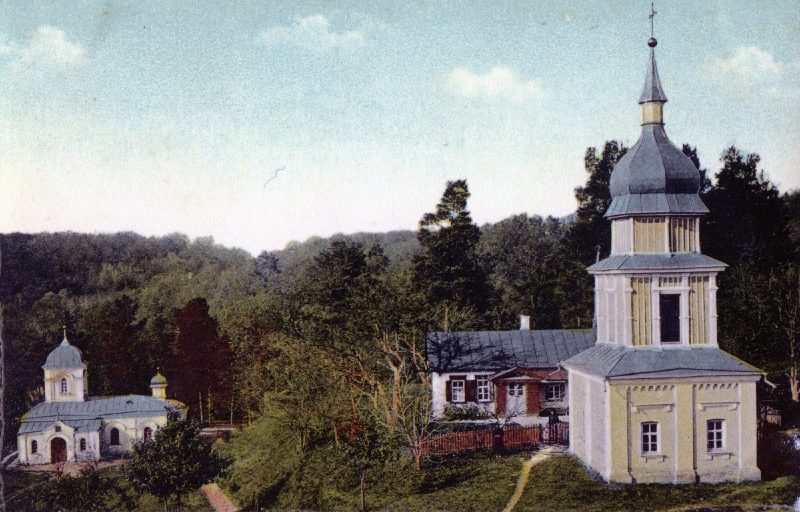
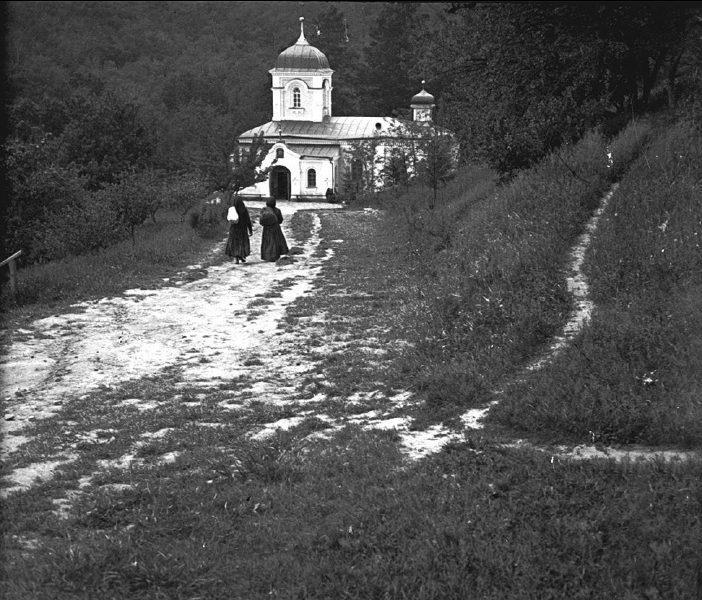
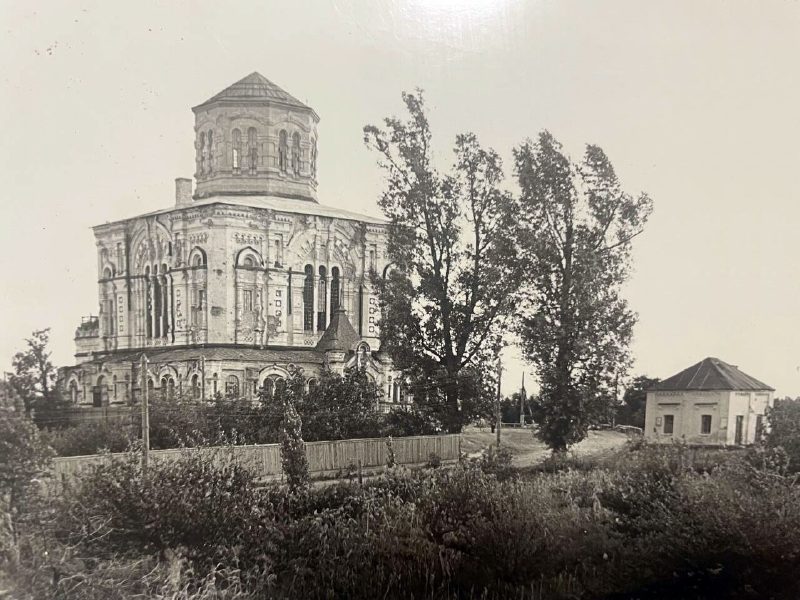
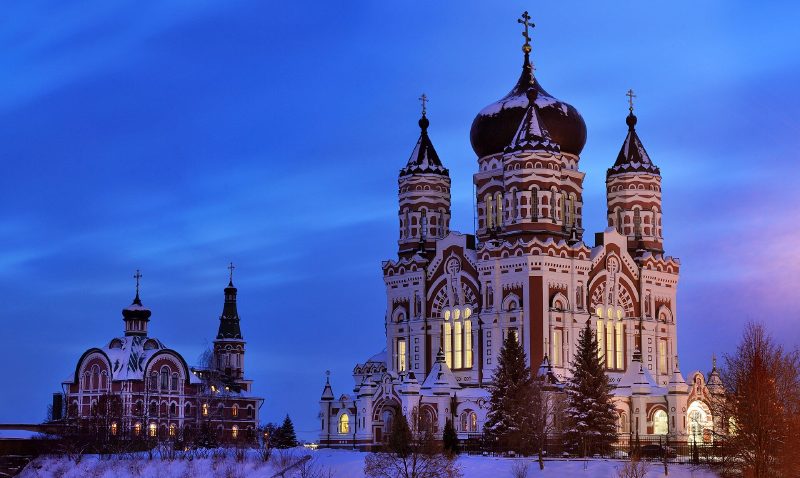
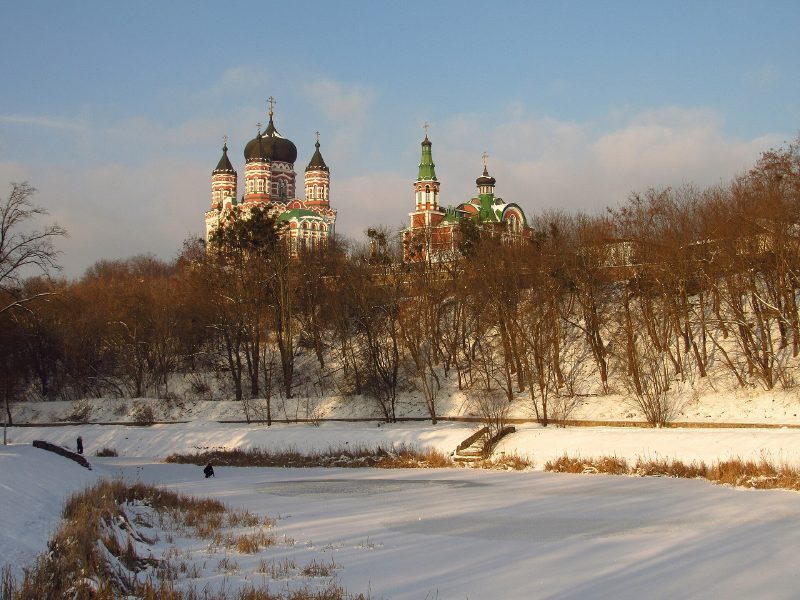
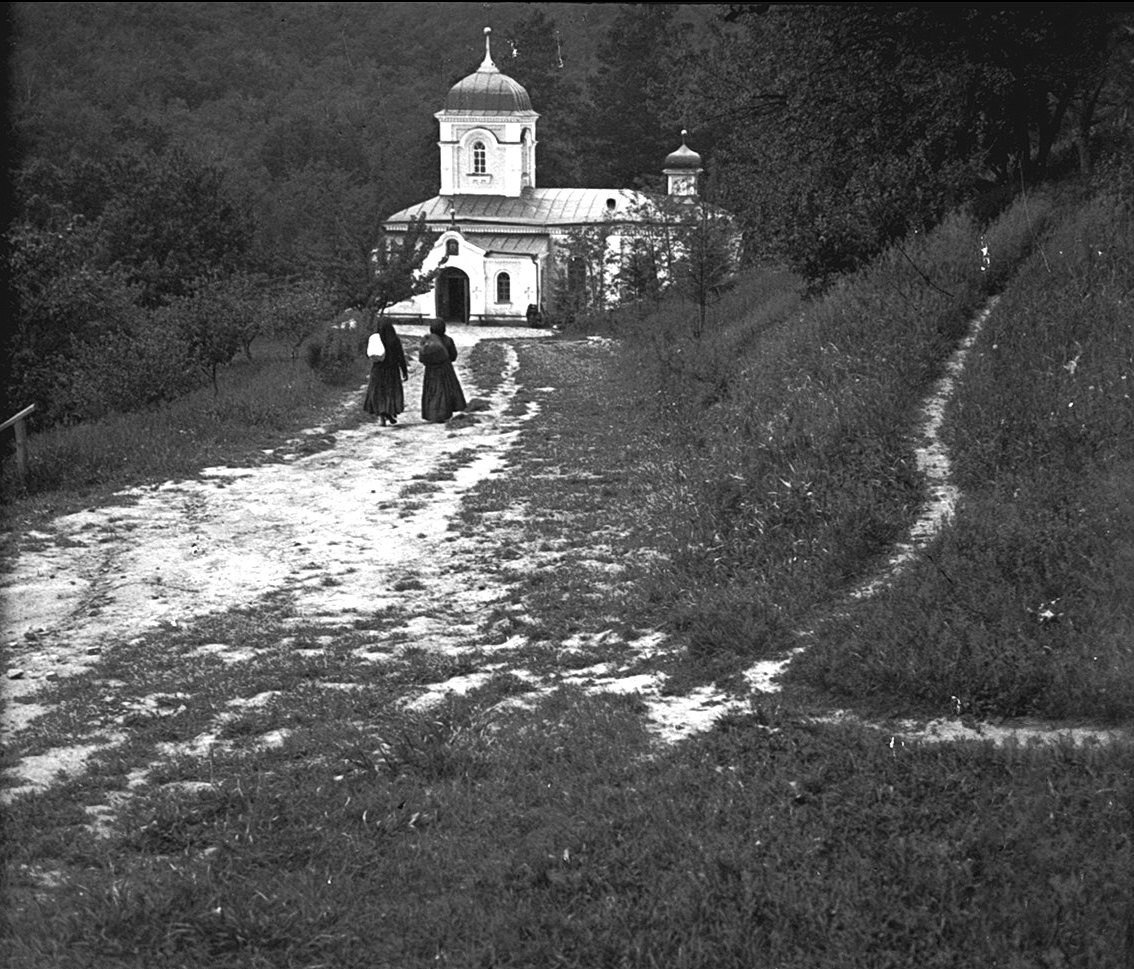
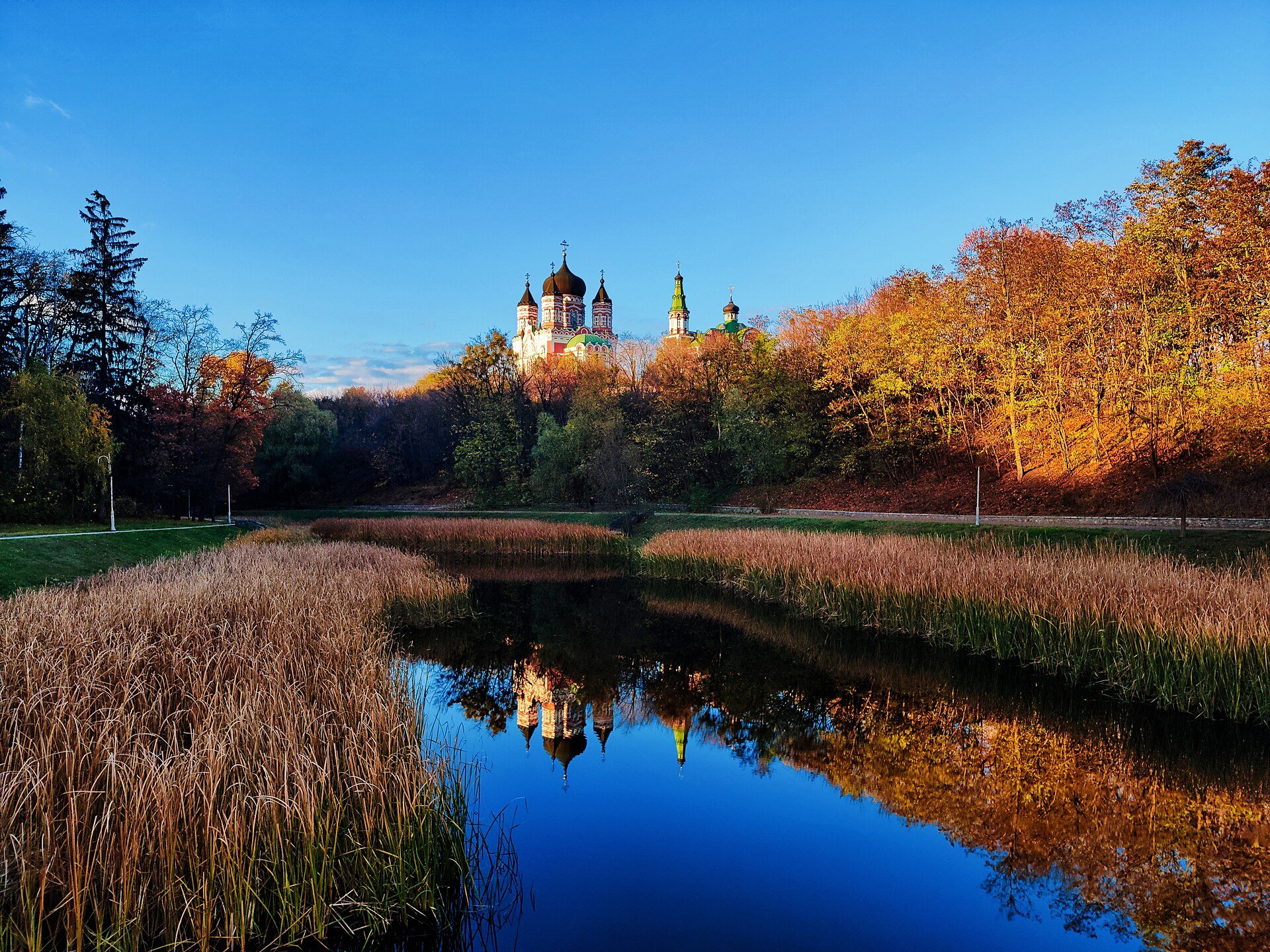
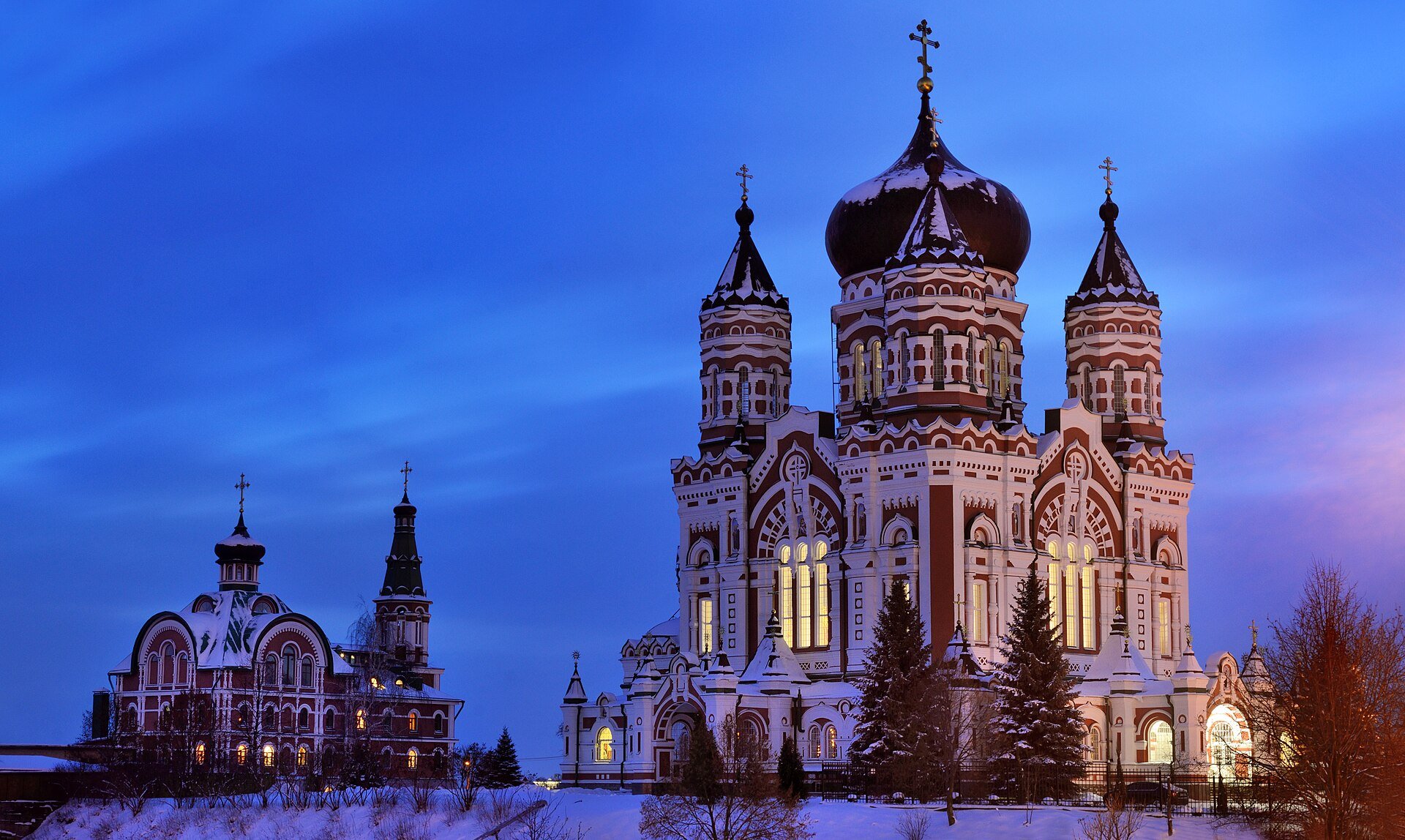
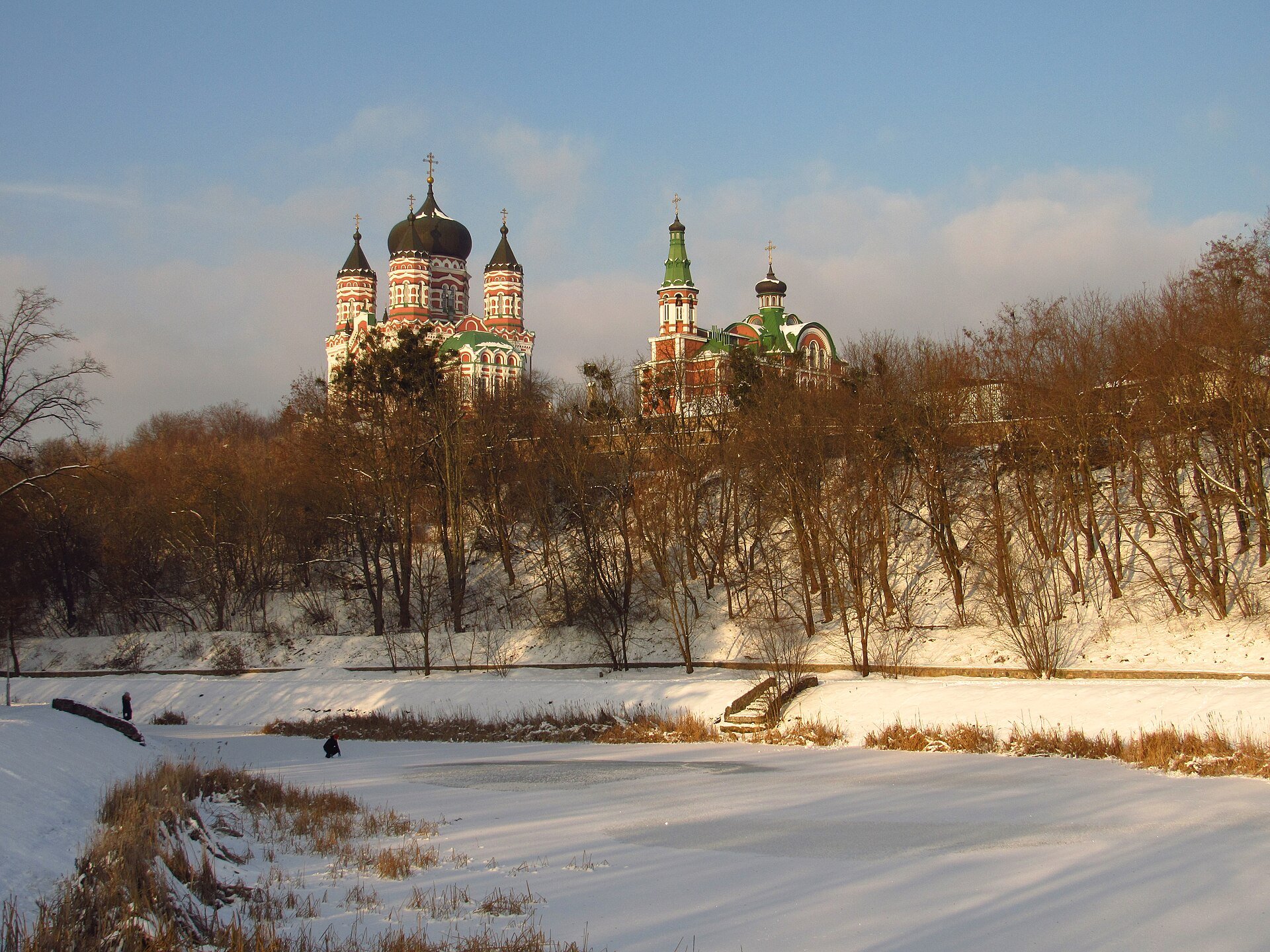
From the 1860s Feofaniia was a skete (hermitage) of St Michael’s Golden-Domed Monastery, with cells, pilgrims’ lodgings and several churches, among them All Saints. By the end of the century the small churches could no longer hold the pilgrims, and in 1905 work began on a large cathedral dedicated to St Panteleimon the Healer, designed by the diocesan architect Yevhen Yermakov. It was consecrated in 1914. Rising above the trees, the pink-and-white, many-domed cathedral is still the park’s defining landmark.
Soviet decades and the war
After the revolution the monastery’s property was nationalised. A farming cooperative was registered here in 1921, and in 1925 a children’s agricultural colony for 173 pupils was set up. In September 1930 the churches were closed and the monks evicted; little of the monastic complex survived apart from the cathedral and the All Saints church.
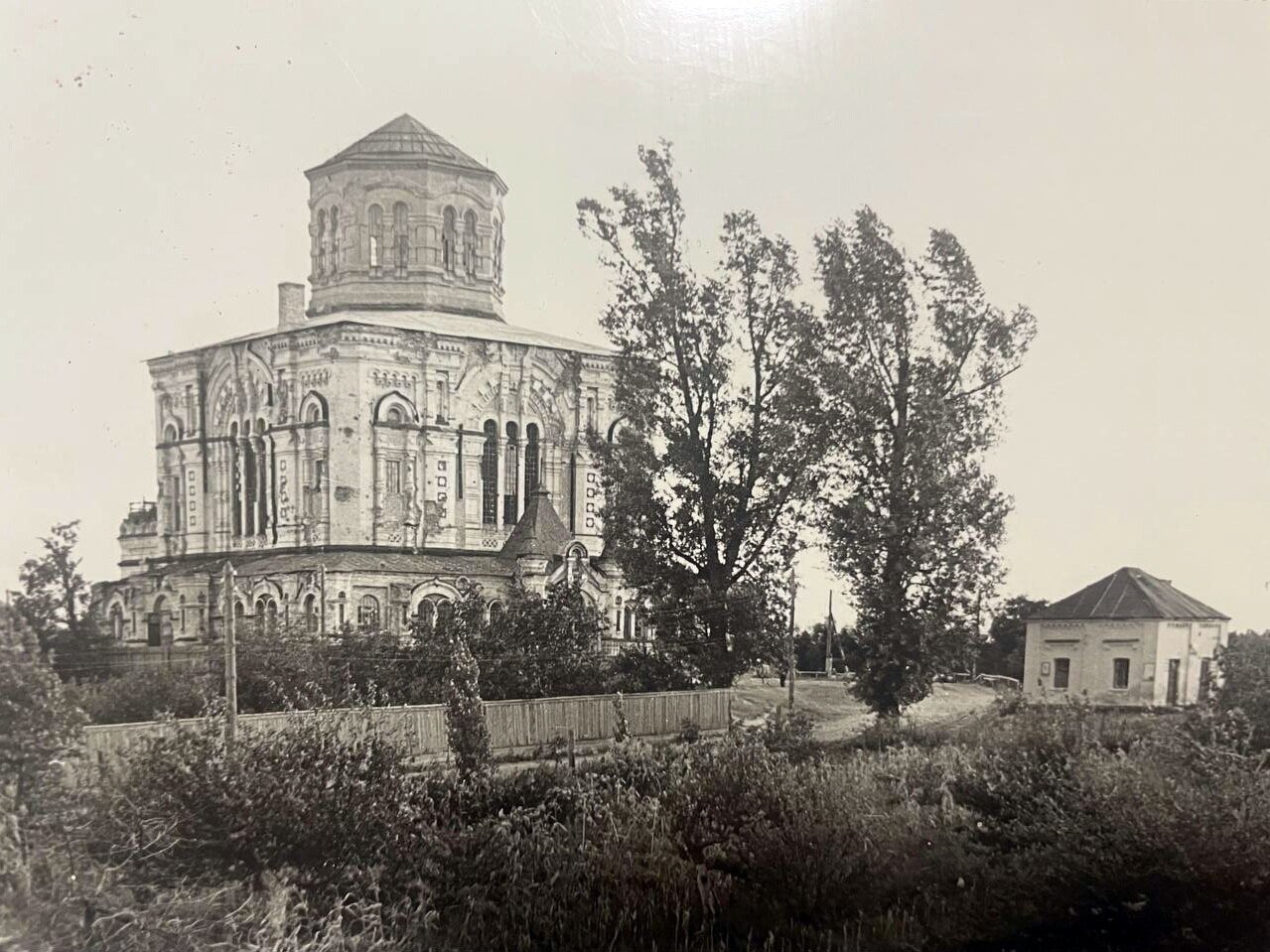
In the autumn of 1941 Kyiv’s defence line ran through the area and it came under heavy fire; the cathedral, the highest point around, was badly damaged. Before the war a branch of a psychiatric hospital had occupied the former monastery hostel, and according to the park administration the occupiers shot its patients. In 1944 the Feofaniia woodland was given in perpetual use to the Academy of Sciences.
The cradle of Ukrainian computing
Academic Feofaniia earned a place in the history of science. In the late 1940s a laboratory of the Institute of Electrical Engineering moved into the former monastery buildings, and there a team led by academician Serhii Lebedev built MESM, the Small Electronic Calculating Machine, continental Europe’s first stored-program computer. It came to life in 1950–1951 in the left wing of the two-storey hostel; the story goes that its thousands of vacuum tubes heated the room so much that part of the ceiling had to be removed. Workshops of the Institute of Mechanics occupied the cathedral, and academician Mykhailo Lavrentiev ran underwater-explosion experiments here. The park also preserves the country house of academician Oleksandr Palladin, president of the Ukrainian Academy of Sciences, whose name is given to the ponds.
The park today
In 1972 Feofaniia was declared a landscape-art park of national significance. In 1990, with the support of the Academy of Sciences, the cathedral was returned to the church; it was reconsecrated in 1998 after restoration, and since 2002 it has been the centre of an independent St Panteleimon Convent.
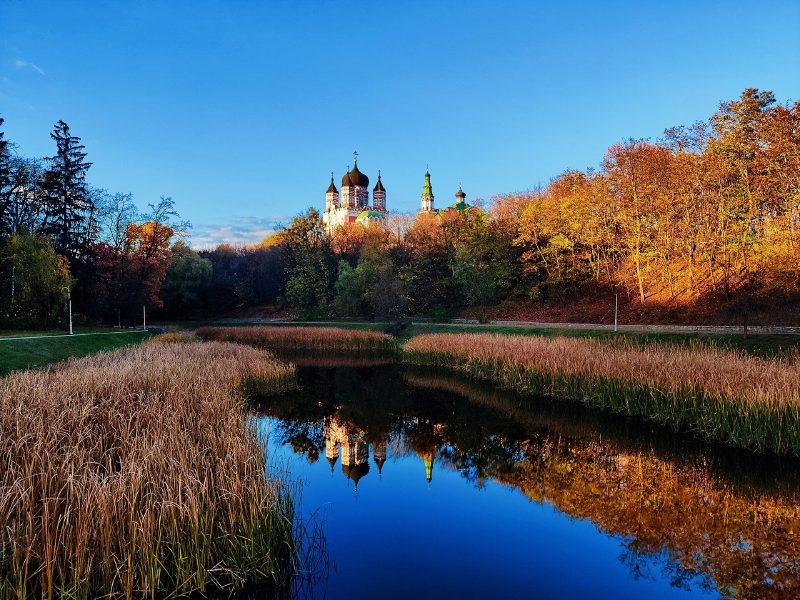
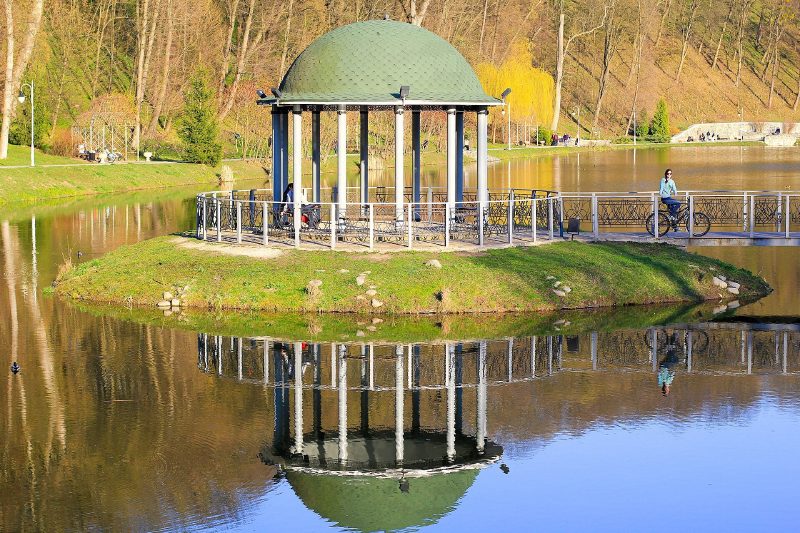
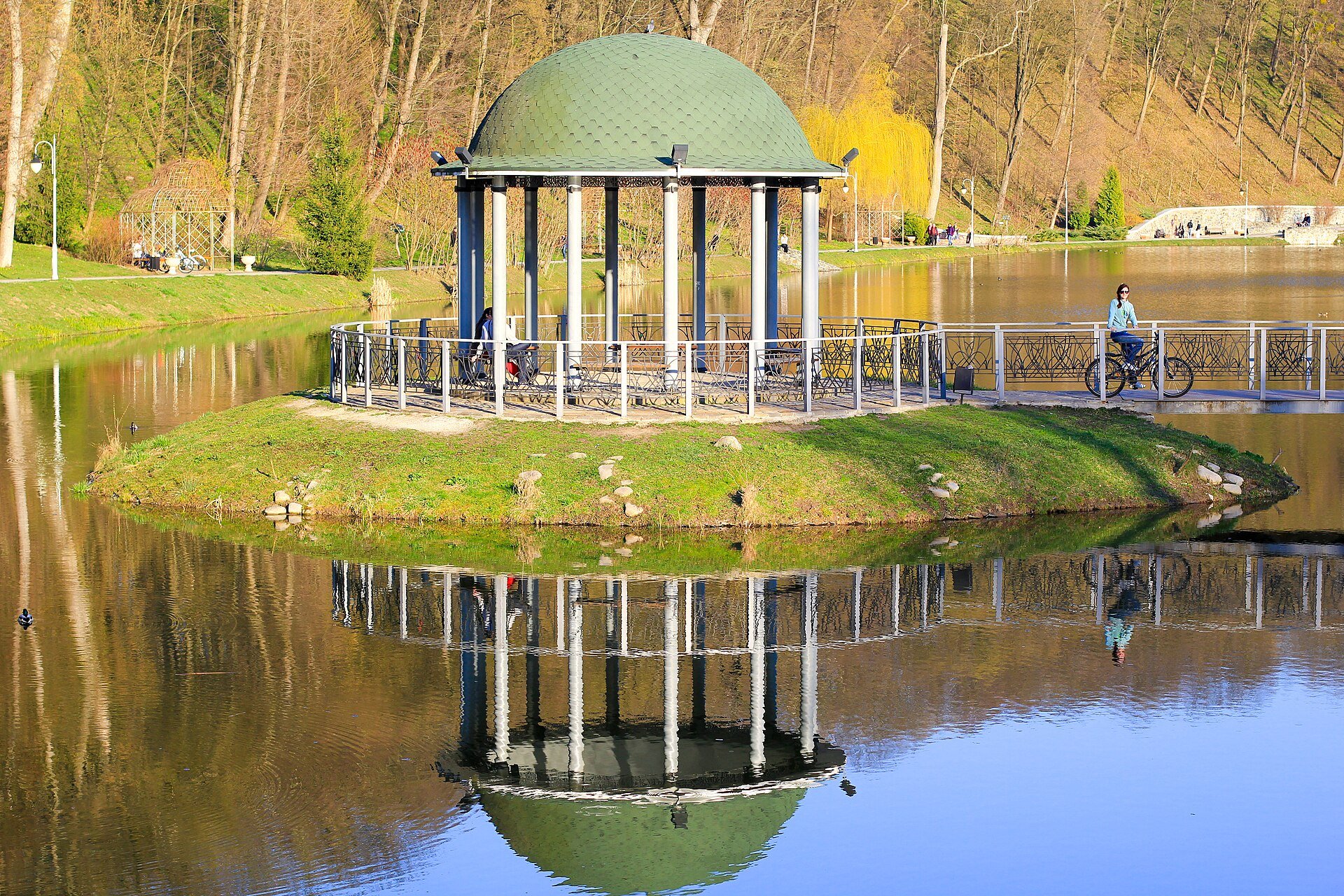
In 2003–2006 the recreation area around the ponds was rebuilt with paved paths, gazebos, fountains and landscaped banks. Today the park, about 150 hectares in size and managed by the Institute of Evolutionary Ecology, is a favourite place for family walks: a cascade of ponds with gazebos and footbridges, springs with bathing houses, old oaks and quiet alleys, all overlooked by the silhouette of the cathedral. As part of Ukraine’s protected nature reserve fund it has visitor rules and an entrance fee that pays for its upkeep.
People and eras

Photo gallery · 8 photos
Through the years
-
-
-
-

-
-
-
-

Then and now
Compare yourself
Drag the slider to see how the place has changed.
Slider


Photo overlay
Video
Feofaniia Park on screen
Живописний парк ФЕОФАНІЯ: Цілющі озера, унікальна природа / Віртуальний тур. Київ, Україна — TimePRO.TV · YouTube


Guide
Similar places
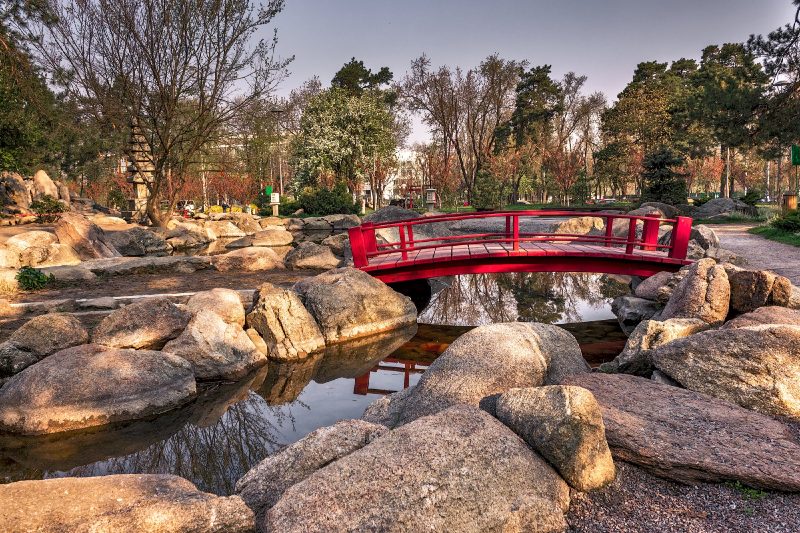 Kyoto Park in Kyiv: The City's Longest Sakura AlleyKyoto Park in Kyiv's Left Bank is a Japanese-style garden with a stone garden, a granite pagoda and a sakura alley of 360 cherry trees that blooms each spring.
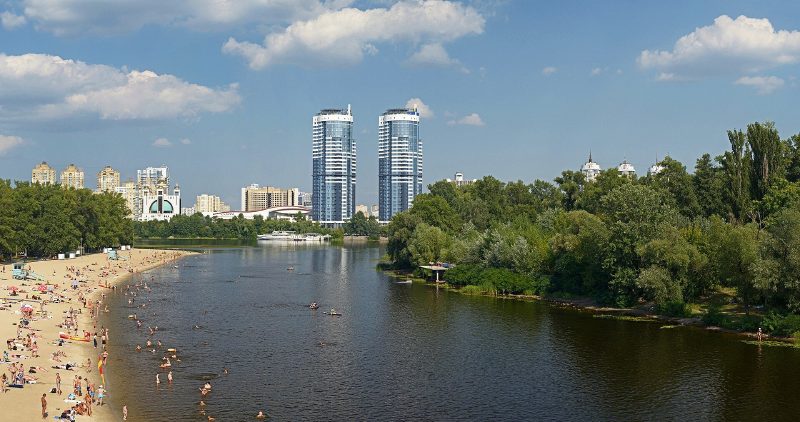 HydroparkAn island park between the Dnipro and the Rusanivska channel, laid out in the 1960s on the site of a burned-down suburb: beaches, the Venetian Bridge, the Metro Bridge and the Kachalka gym.
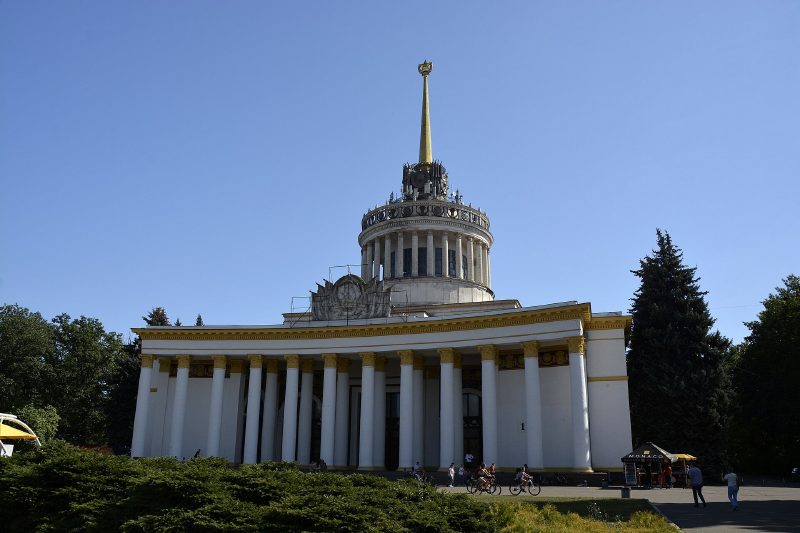 VDNH (Expocenter of Ukraine)A 1958 exhibition complex on the edge of Holosiiv Forest: the spired Main Pavilion, Stalinist and modernist pavilions, a large park and a busy festival calendar.

