
Clergy
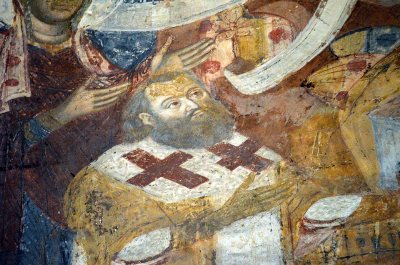
Petro Mohyla
December 31, 1596 — January 11, 1647
- Metropolitan of Kyiv
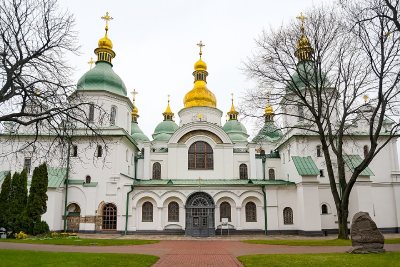
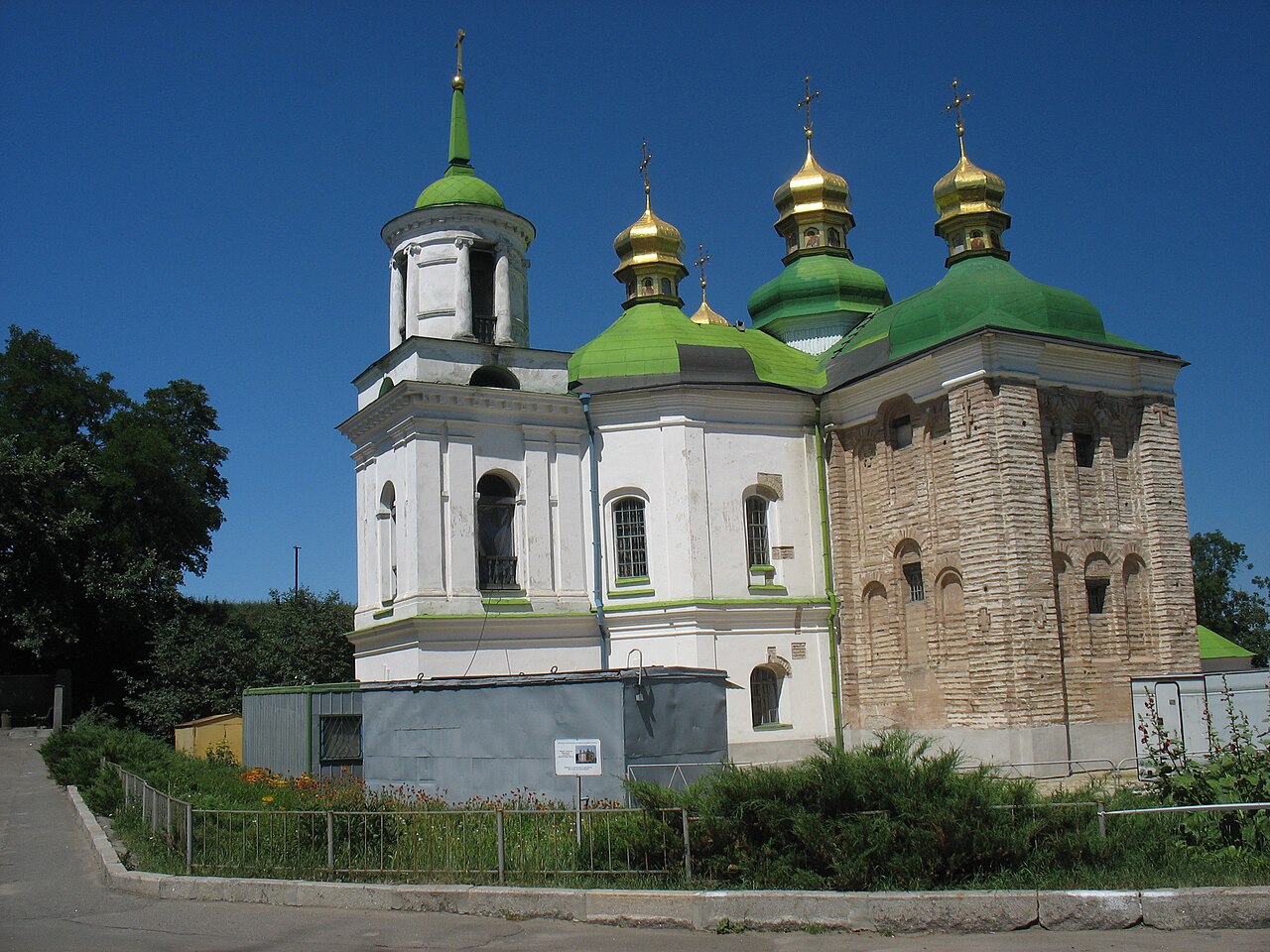
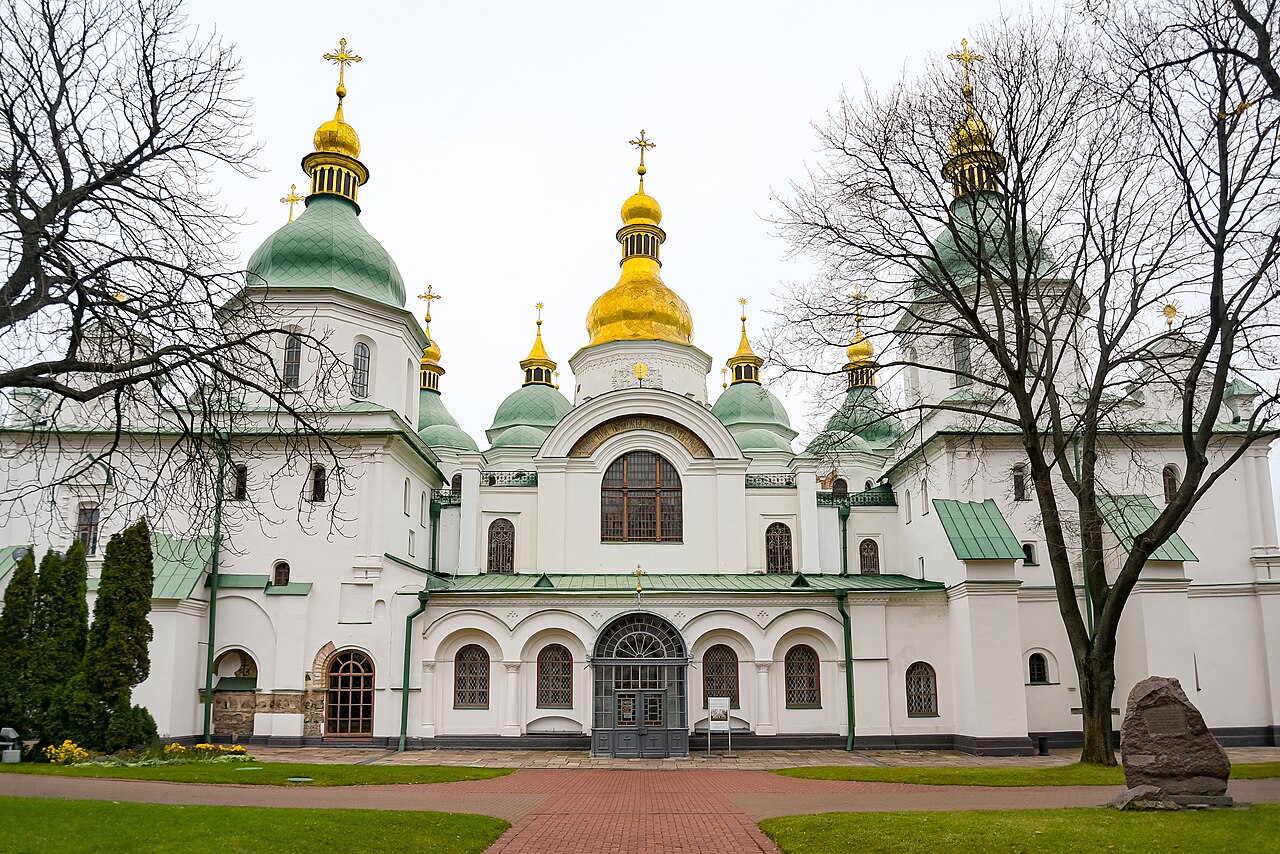
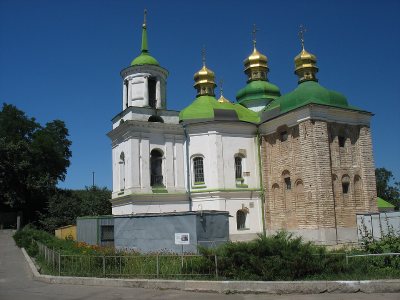
Archimandrite of the Pechersk Lavra and Metropolitan of Kyiv, founder of the Kyiv-Mohyla Collegium (1632). He restored St Sophia’s Cathedral and the Church of the Saviour at Berestove.
Biography
Petro Mohyla was born in 1596 in Suceava, the son of the Moldavian ruler Simion Movilă. After his father’s death the family found refuge in the Polish-Lithuanian Commonwealth, where the young man received a fine education, including at the Zamość Academy. Choosing a church career, in December 1627 he became archimandrite of the Kyiv Pechersk Lavra, the richest and most influential monastery in Ukraine.
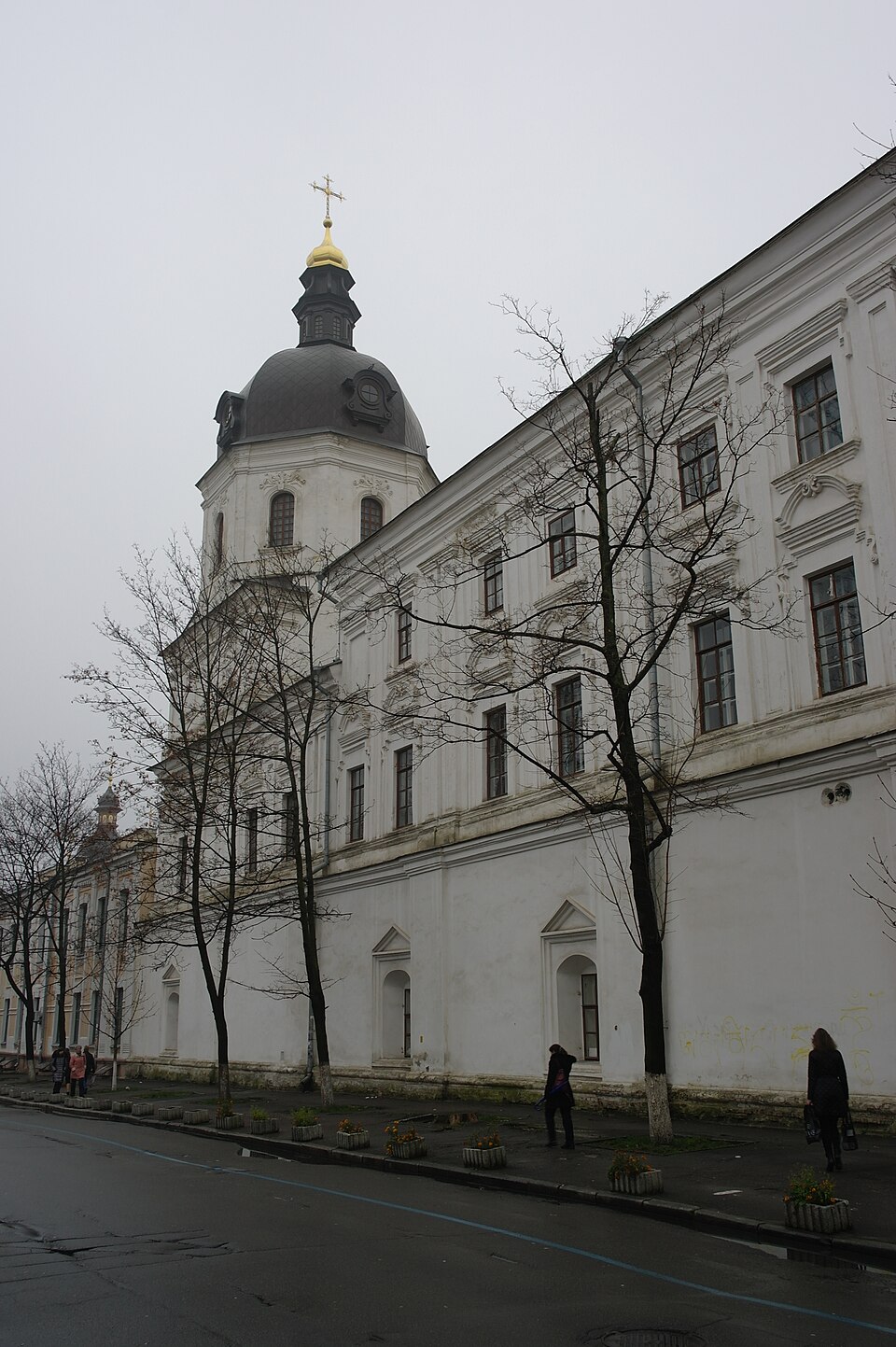
In autumn 1631 Mohyla opened a school at the Lavra on the model of European colleges, teaching Latin and Polish. In 1632 it was merged with the school of the Kyiv Brotherhood in Podil, Kyiv’s historic merchant quarter — creating the Kyiv-Mohyla Collegium, later the Academy, the leading centre of higher learning in Eastern Europe of its day. Its graduates included Feofan Prokopovych, Hryhoriy Skovoroda, Hetman Ivan Mazepa and many more.
In 1633 Mohyla was confirmed as Metropolitan of Kyiv, Halych and All Rus’. He returned St Sophia’s Cathedral to the Orthodox Church and spent about ten years from 1634 restoring it. At his own expense he rebuilt the ancient Church of the Saviour at Berestove near the Lavra, which was painted in the 1640s, and while the ruins of the Church of the Tithes were being cleared, relics venerated as those of St Volodymyr were recovered. During his time as archimandrite the Lavra press printed some fifteen books.
Mohyla was also a theologian: under his direction the Orthodox Confession of Faith was compiled and approved by the Council of Iași in 1642, and in 1646 his famous Euchologion (Trebnyk) appeared. He died in Kyiv on 1 (11) January 1647 and, as he had wished, was buried in the Lavra’s Dormition Cathedral; he left a large part of his fortune and his library to the Collegium.
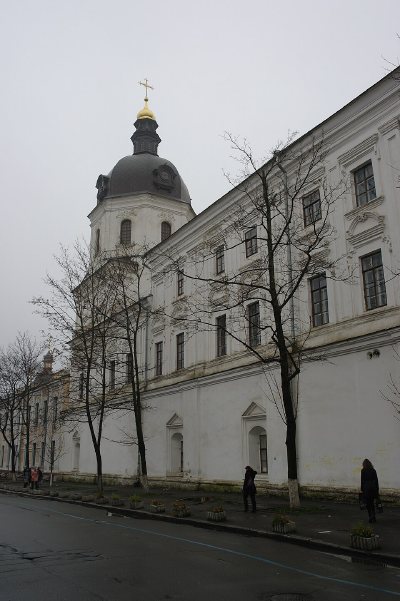
Petro Mohyla was canonized in 1996. The school he founded was revived in 1991 as the National University of Kyiv-Mohyla Academy, which still occupies the same site in Podil, next to Kontraktova Square.
Life timeline
- 1596 Birth Born in Suceava to the ruler of Moldavia.
- 1627 Archimandrite Becomes head of the Kyiv Pechersk Lavra.
- 1631 Lavra school Opens a European-style school.
- 1632 Kyiv-Mohyla Collegium The Lavra and Brotherhood schools merge in Podil.
- 1633 Metropolitan Confirmed as Metropolitan of Kyiv.
- 1634 St Sophia restored Begins restoring St Sophia’s Cathedral.
- 1642 Orthodox Confession The Council of Iași approves the Confession prepared under his direction.
- 1647 Death Dies in Kyiv and is buried in the Lavra’s Dormition Cathedral.
- 1996 Canonization Petro Mohyla is canonized.
Key achievements
- Mohyla Academy Founded the college that became Ukraine’s intellectual centre for two centuries.
- Restorer of shrines Restored St Sophia’s and the Saviour at Berestove, and cleared the ruins of the Tithes Church.
- Printing Expanded the Lavra press and published his famous Euchologion (1646).
- Theologian Directed the compilation of the Orthodox Confession of Faith.
Kyiv in their life
- Kyiv-Mohyla Academy (2 Hryhoriya Skovorody St, Podil) — successor to the 1632 Collegium; the Old Academic Building dates from the 18th century.
- Kyiv Pechersk Lavra — archimandrite from 1627; site of his school and press, and of his burial (Dormition Cathedral). A walk around the Lavra
- St Sophia’s Cathedral — restored on his initiative from 1634.
- Church of the Saviour at Berestove (5 Lavrska St) — rebuilt at his expense, painted in the 1640s.
- Church of the Tithes — ruins cleared and relics of St Volodymyr recovered.
Places in our guide


Gallery
-
-
-
-