
Kontraktova Square

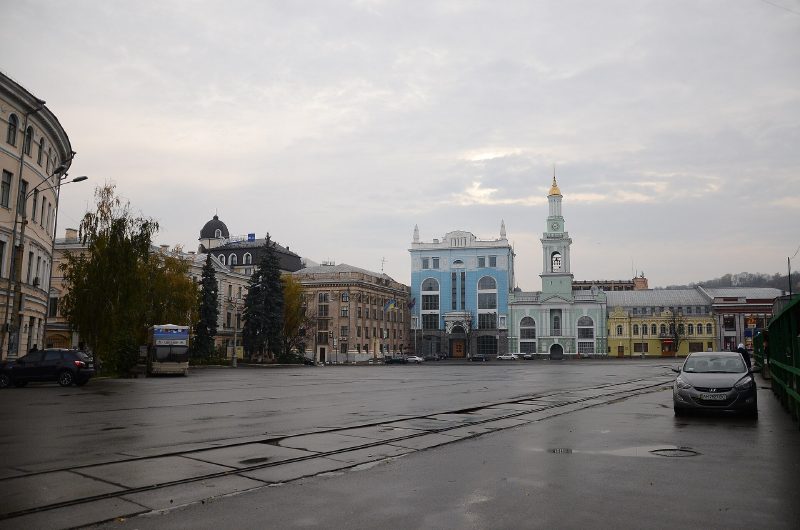
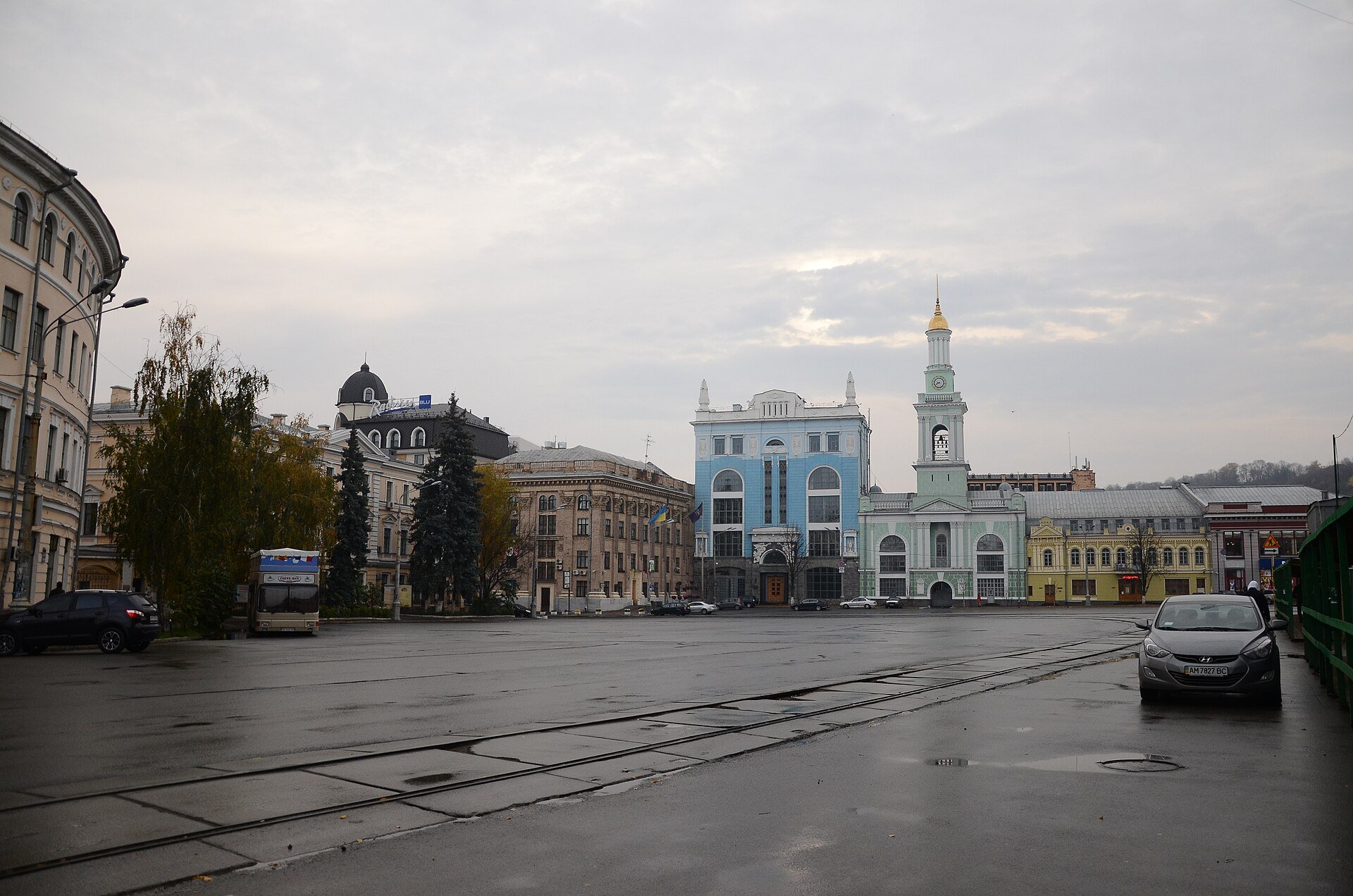
Podil's main square: a market since princely times and home to the great Contract fairs of the 19th century, still framed by Hostynyi Dvir, the Mohyla Academy and Pyrohoshcha church.
The market of Podil
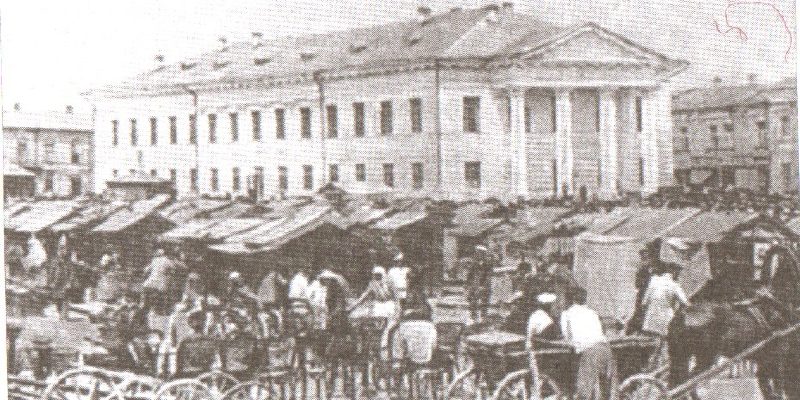
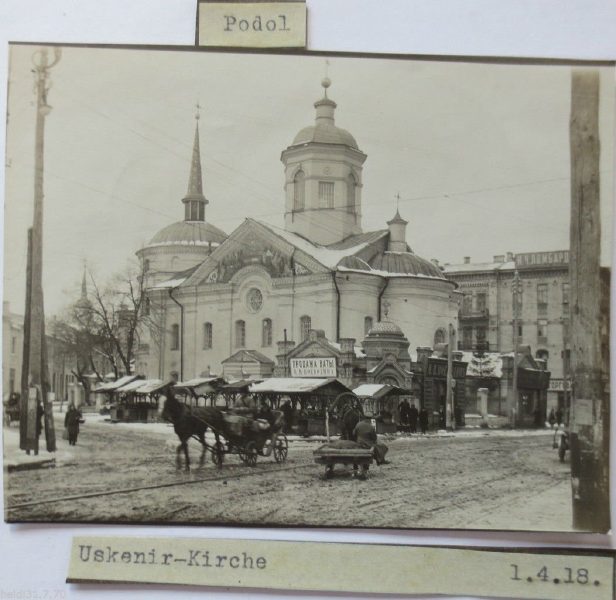
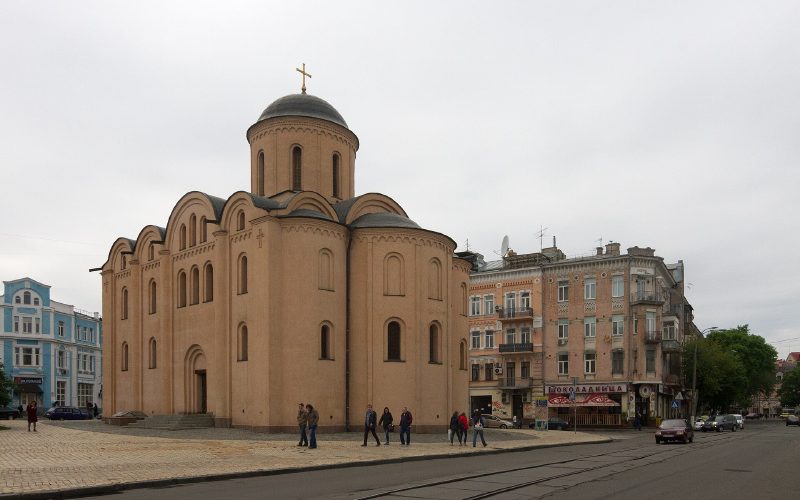
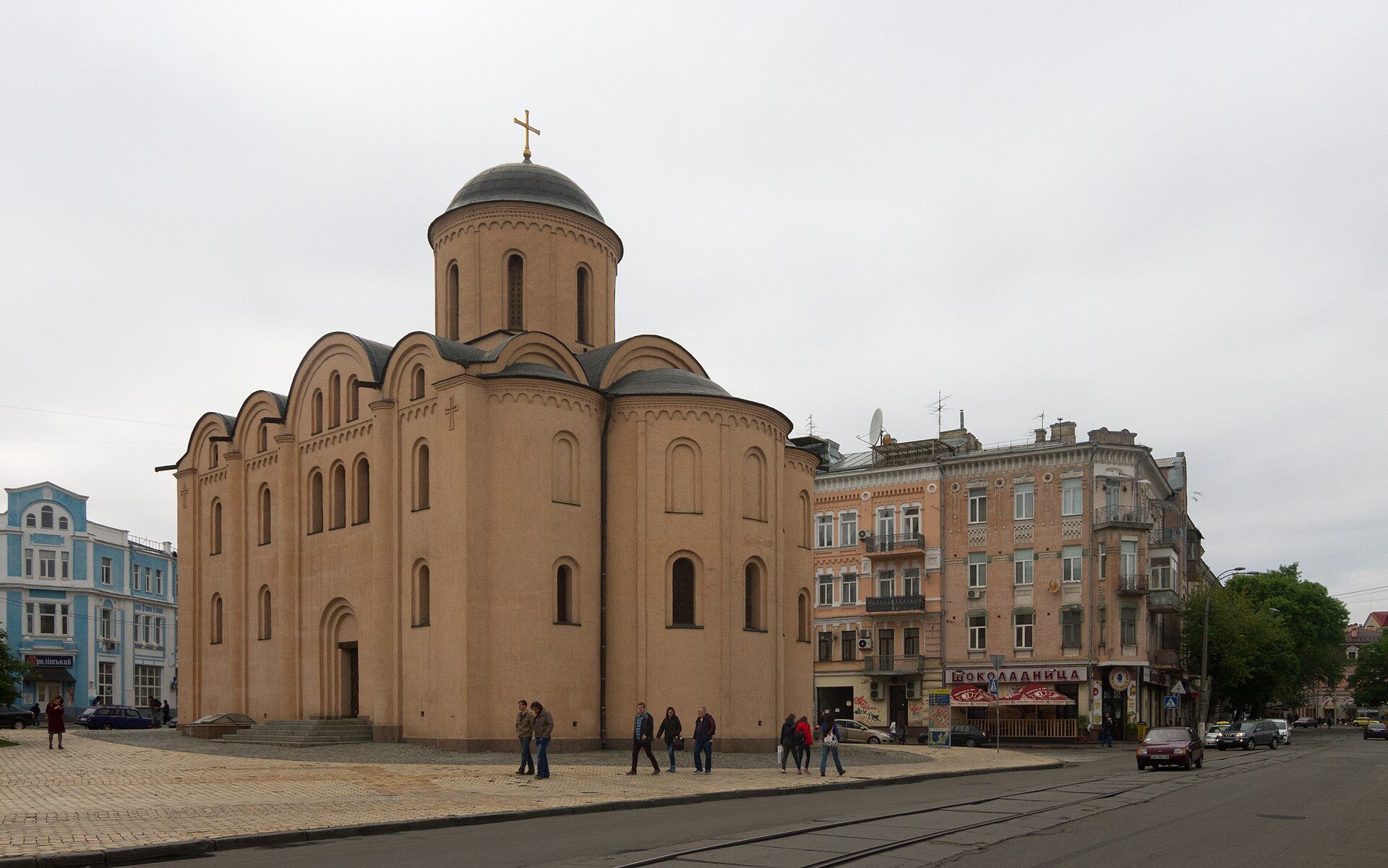
What is now Kontraktova Square was the commercial heart of Podil as early as the princely era. The harbour on the Pochaina was close by, and goods arrived here from all along the Dnipro. In 1131–1132 Prince Mstyslav Volodymyrovych founded the Church of the Mother of God Pyrohoshcha on the market place; it is mentioned in The Tale of Igor's Campaign. After the Mongols laid waste to the Upper Town, Podil became the real centre of Kyiv. The magistrate's town hall stood here, merchants kept their storehouses here and townspeople gathered here; in the 16th century the place was simply called the Market.
In the 17th and 18th centuries the Brotherhood Monastery and its school, the forerunner of the Kyiv-Mohyla Academy, grew up on the north side of the square. The Old Academic Building, built in 1703–1704 with money from Hetman Ivan Mazepa and given a second storey in the 1730s, still faces the square. In the middle stands the Samson fountain, which supplied Podil with water from the mid-18th century; it has its own article on this site.
The Contracts
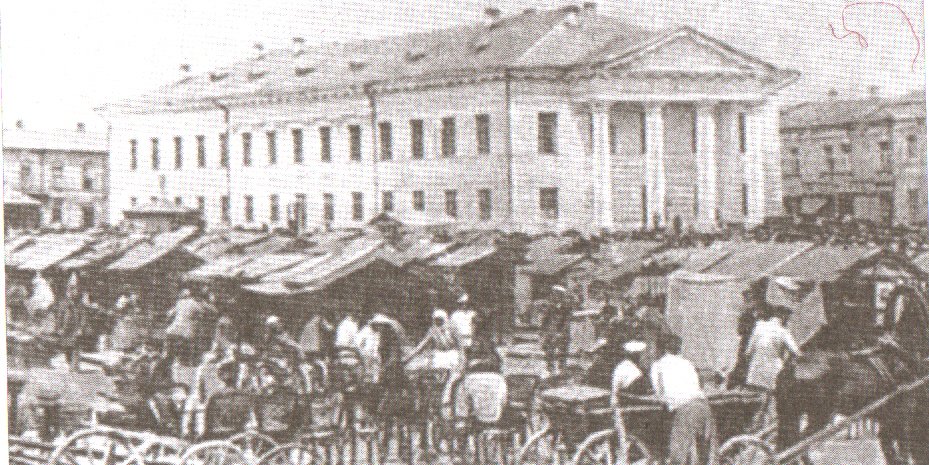
The square takes its name from a fair. In 1797 a decree of Emperor Paul I moved the contract fair from Dubno in Volhynia to Kyiv, and from 1798 every January, around Epiphany, Podil filled with landowners, merchants, bankers and agents from all over Right-Bank Ukraine and Poland. Less trading went on from carts than deal-making: contracts for grain and sugar, leases of estates, loans, the hiring of stewards. Balls, concerts and plays went with the fair, and in the 1850s a daily newspaper was even published while it lasted.
The Contracts peaked in the 1820s. Kharkiv and Odesa then drew business away, and railways and the Kyiv stock exchange made the annual gathering unnecessary. The fair slowly faded and disappeared altogether under Soviet rule. The name of the square was fixed in 1817, when the Contract House was built, although it was later called Oleksandrivska (1869–1919) and Red Square (on and off until 1990).
After the fire of 1811
On 9–11 July 1811 a fire swept through Podil and in three days destroyed most of its wooden buildings along with several churches and monasteries. The district was rebuilt to a new plan by the St Petersburg architect William Hastie and the Kyiv city architect Andrii Melenskyi: crooked lanes gave way to straight streets and rectangular blocks, and Kontraktova Square took on its present shape.
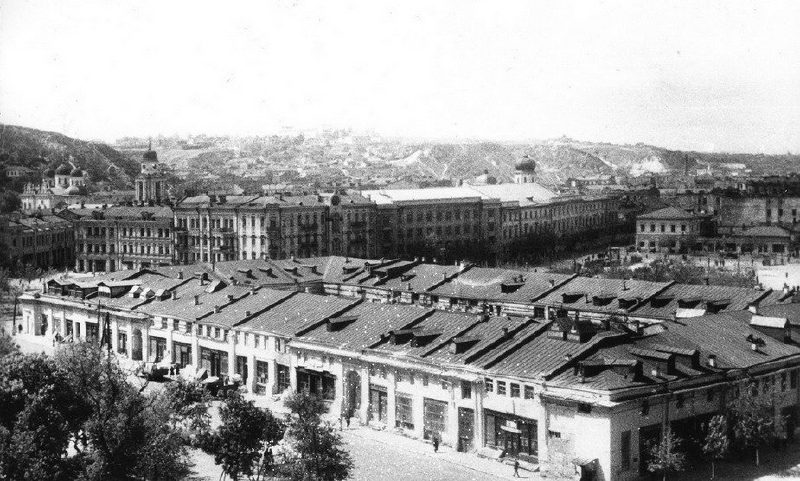
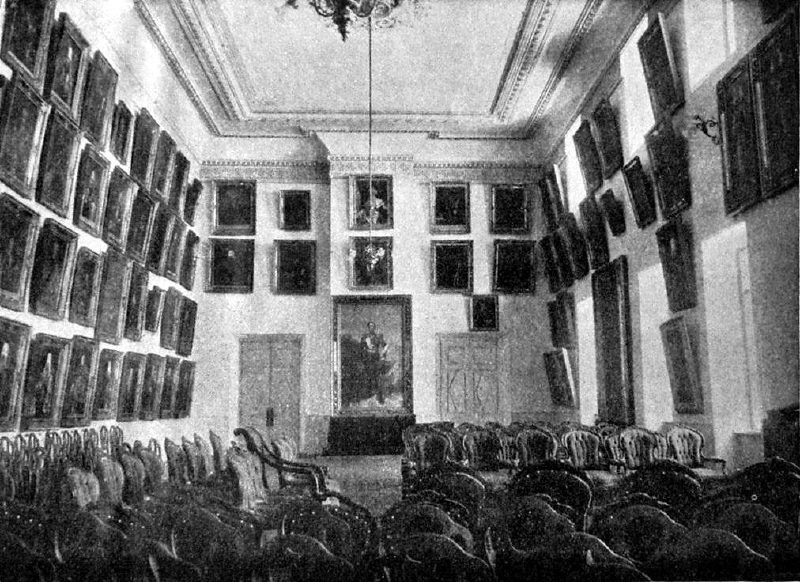
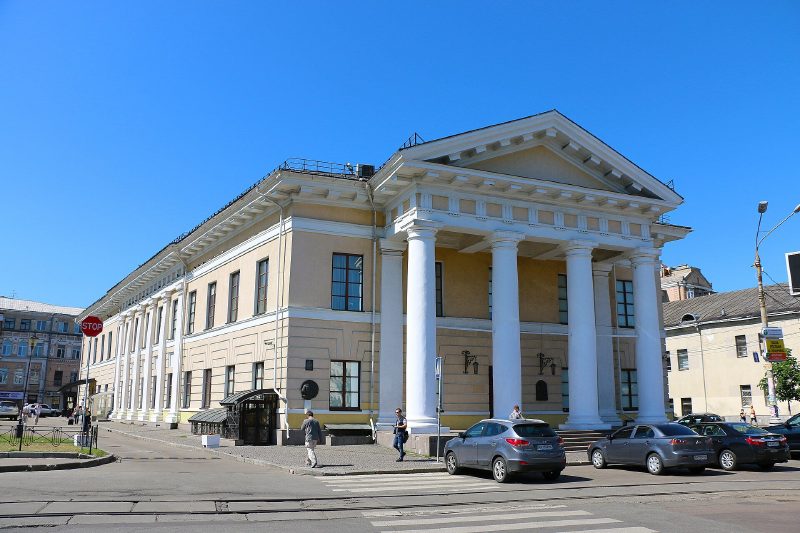
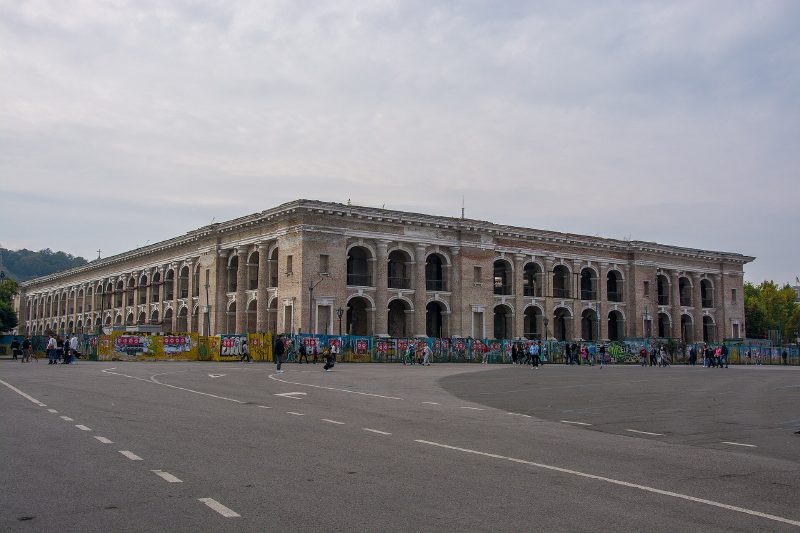
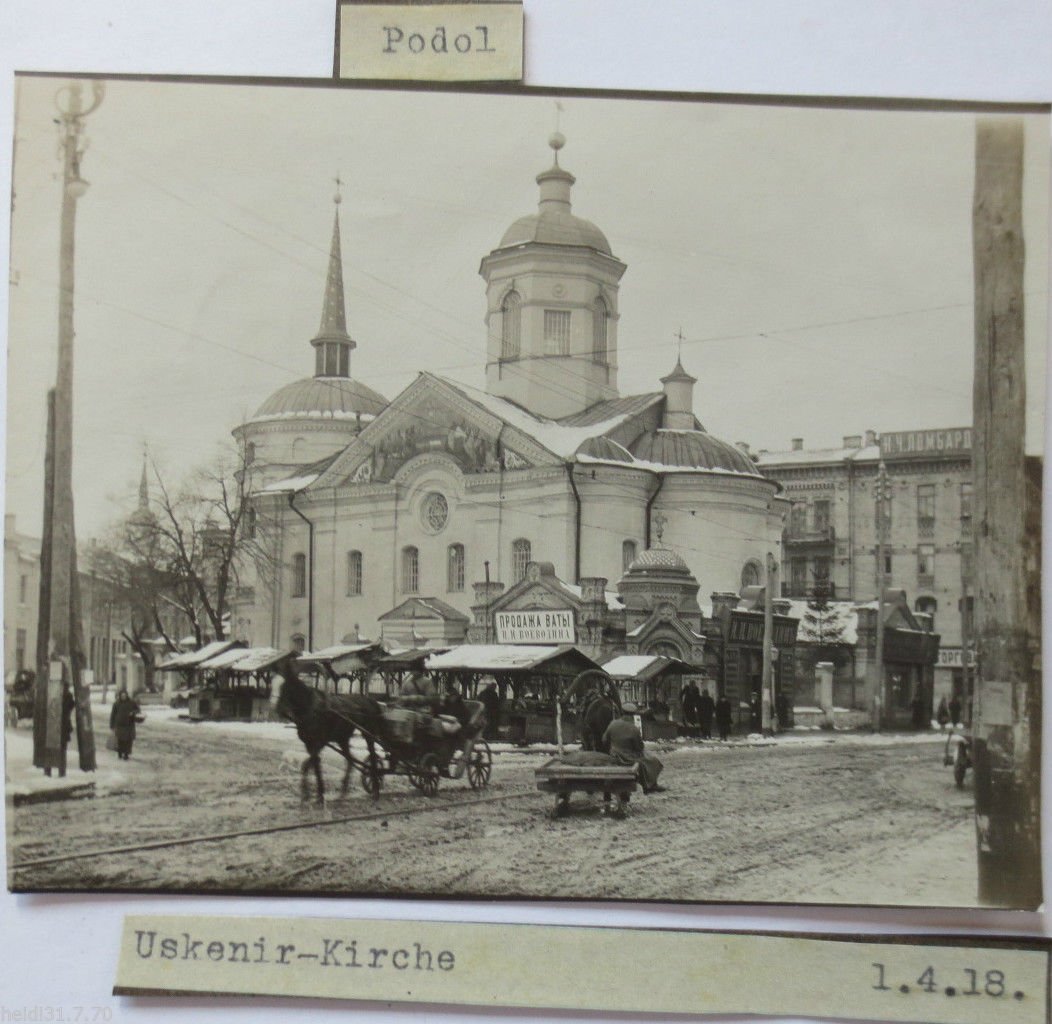
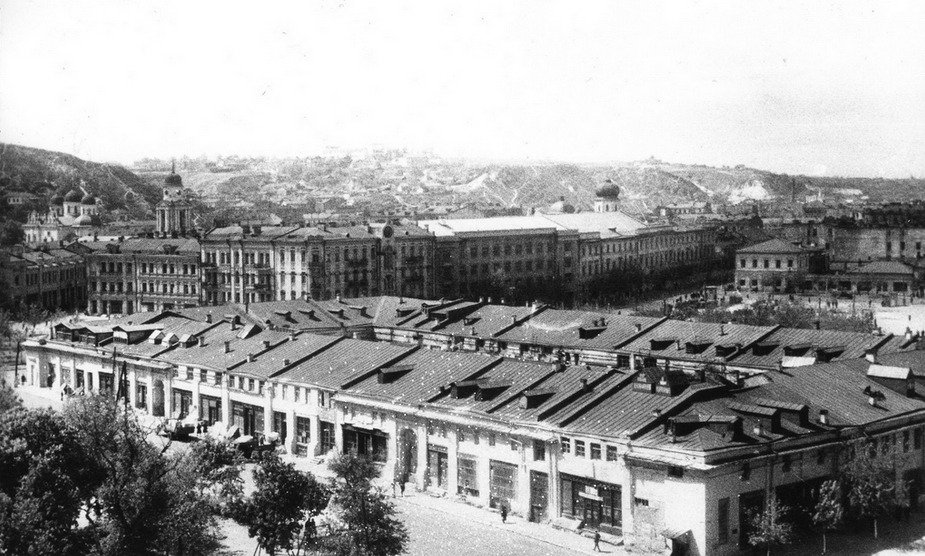
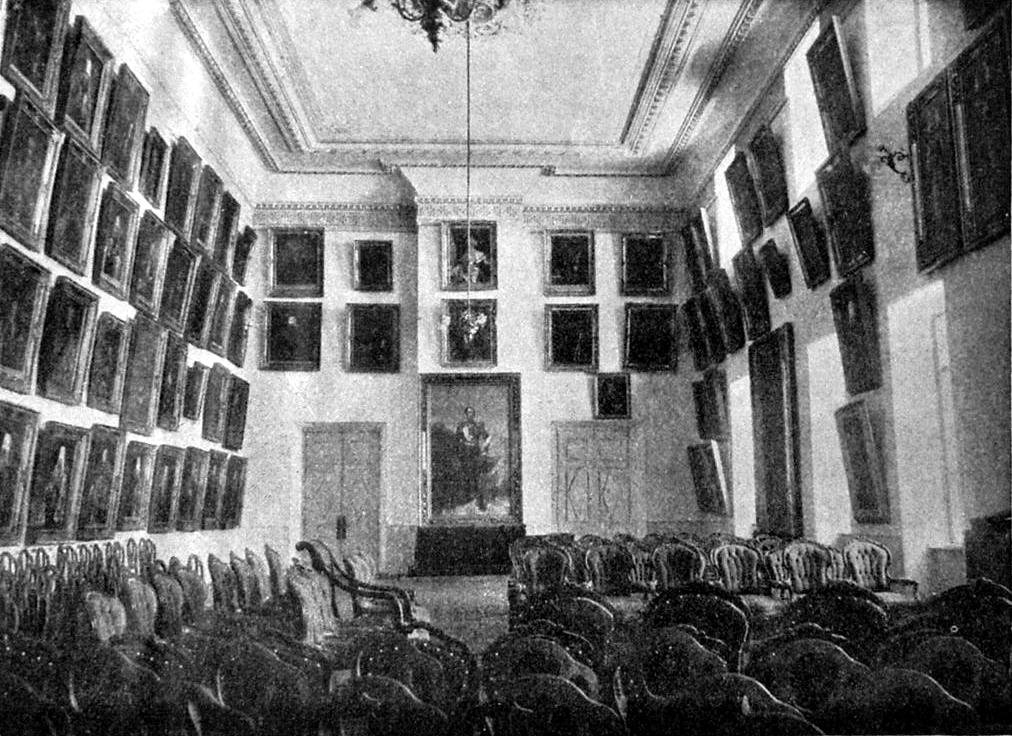
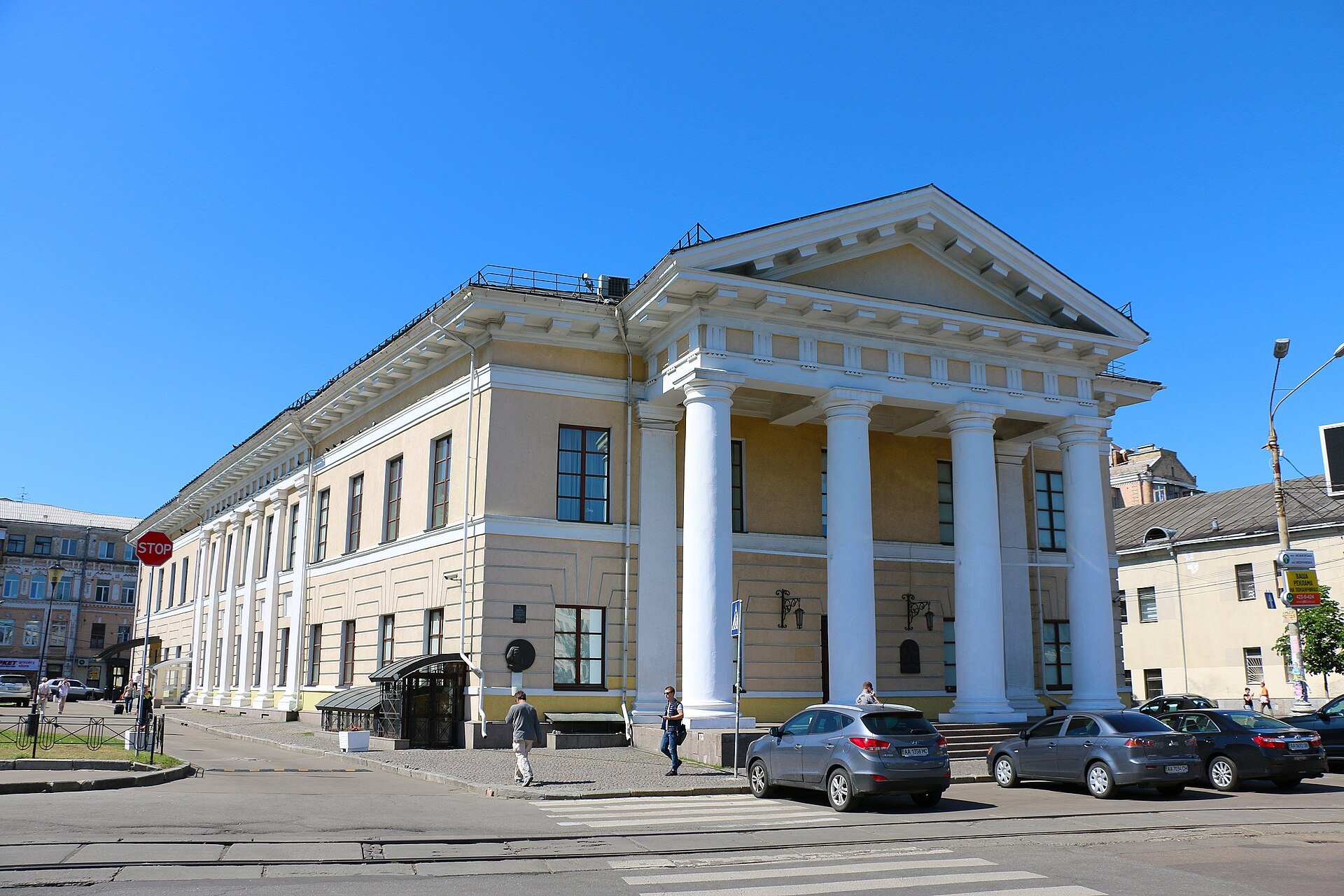
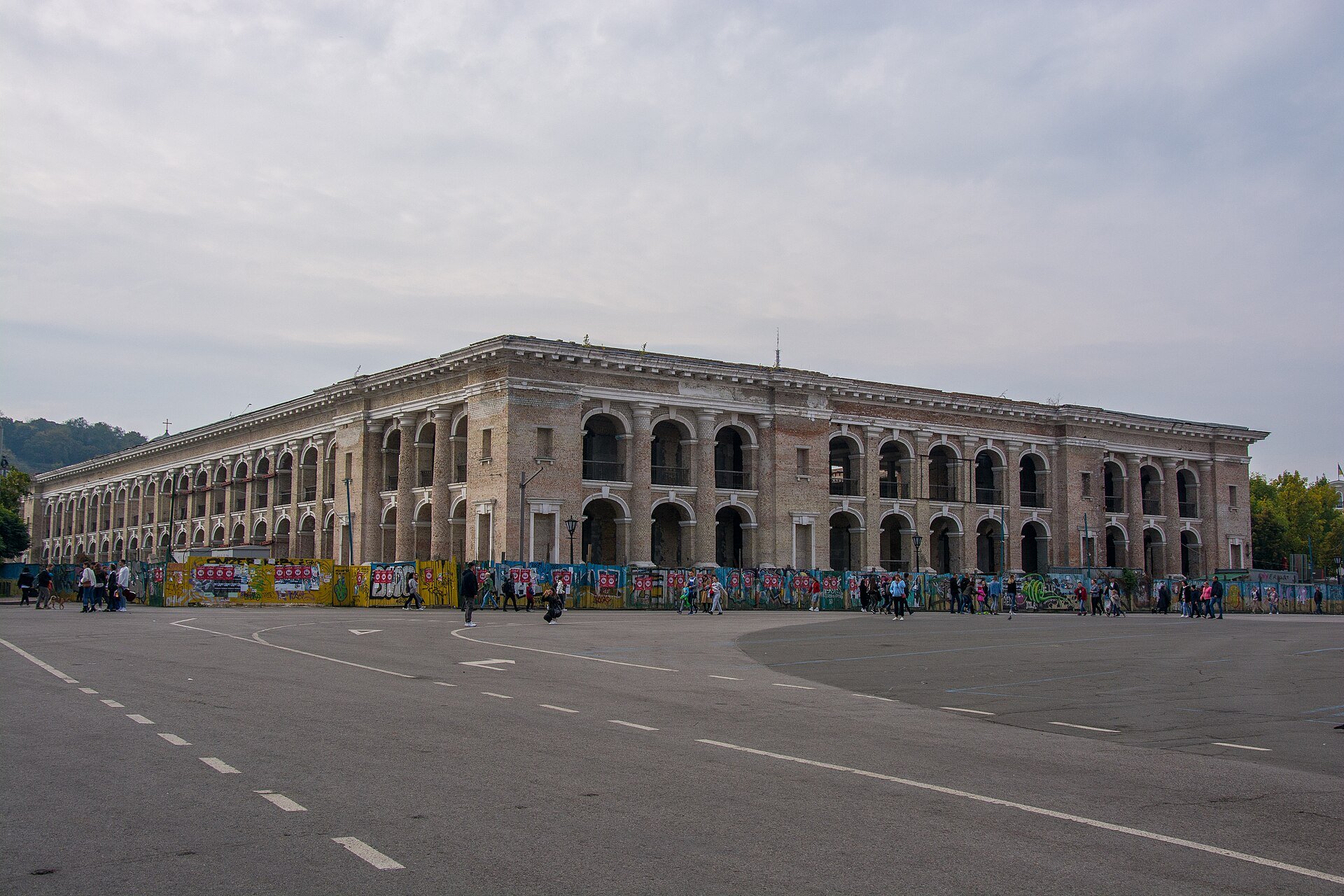
Its main buildings date from this time. The Contract House (1815–1817, designed by Hastie with Melenskyi), with its Doric portico, became the centre of the fair; Franz Liszt and Henryk Wieniawski performed in its hall, and Honoré de Balzac, Adam Mickiewicz and Taras Shevchenko visited the Contracts. Hostynyi Dvir, the merchants' arcade, was designed by Luigi Rusca; work began in 1809, stopped because of the fire and the war of 1812, and was finished only in 1828–1833 in Melenskyi's simplified version. Pyrohoshcha, whose dome had collapsed in 1809, was also rebuilt in neoclassical form.
The 20th century and today
The Soviet authorities demolished Pyrohoshcha in 1935. In the 1980s Hostynyi Dvir, which had subsided when the metro was dug beneath it, was taken down and rebuilt to Rusca's drawings, and in 1997–1998 Pyrohoshcha was recreated in its 12th-century form to a design by Yurii Asieiev; the church now belongs to the Orthodox Church of Ukraine. Hostynyi Dvir had a rougher ride. In 2011 it was stripped of its listed status to make way for a shopping centre, Kyivans spent months defending it, and the courts eventually returned it to the state. In 2021 it was listed as a monument of national importance and handed to the Ministry of Culture, but restoration has been postponed until after the war, and the building still stands roofless around an empty courtyard.
Today the square is partly pedestrian: in 2017 it was closed to traffic together with part of Petra Sahaidachnoho St. Fairs, concerts and festivals are held here, and Andriivskyi Uzviz, Zamkova Hora and the embankment are all a few minutes' walk from Kontraktova Ploshcha metro station.
What to see
- Hostynyi Dvir, the long arcades along the square and Podil's largest neoclassical building.
- The Contract House at 1 Mezhyhirska St, with its plaque to Franz Liszt.
- The Old Academic Building of the Kyiv-Mohyla Academy and the monument to Hryhorii Skovoroda in front of it.
- Pyrohoshcha church and the excavated foundations beside it.
- The Samson fountain and the monument to Hetman Petro Konashevych-Sahaidachnyi.
People and eras


Photo gallery · 8 photos
Through the years
-
-
-
-
-
-
-
-
Video
Kontraktova Square on screen
#Урбан рефлексії. Контрактова Площа — hromadske · YouTube


Guide
Similar places
 Castle Hill (Zamkova Hora) in Kyiv: History and LegendsCastle Hill in Kyiv: a Lithuanian castle, an old cemetery and a Soviet jamming station. The history and mystique of one of the city's most enigmatic hills.
 Andriivskyi Descent: A Walk Through Kyiv's Historic StreetWalk Kyiv's Andriivskyi Descent from Podil to the Upper Town: Bulgakov's house, Richard's Castle, St. Andrew's Church and the stories behind its old buildings.
 Landscape Alley in Kyiv: How It Came to BeLandscape Alley in Kyiv was laid out in the 1980s along the line of 10th-13th century fortifications, offering sweeping views of Podil and the Left Bank.

