
National Chornobyl Museum

A museum of the 1986 disaster housed in an old Podil fire station — from declassified files and liquidators' belongings to its partial destruction by a Russian missile in 2026.
A fire station turned museum
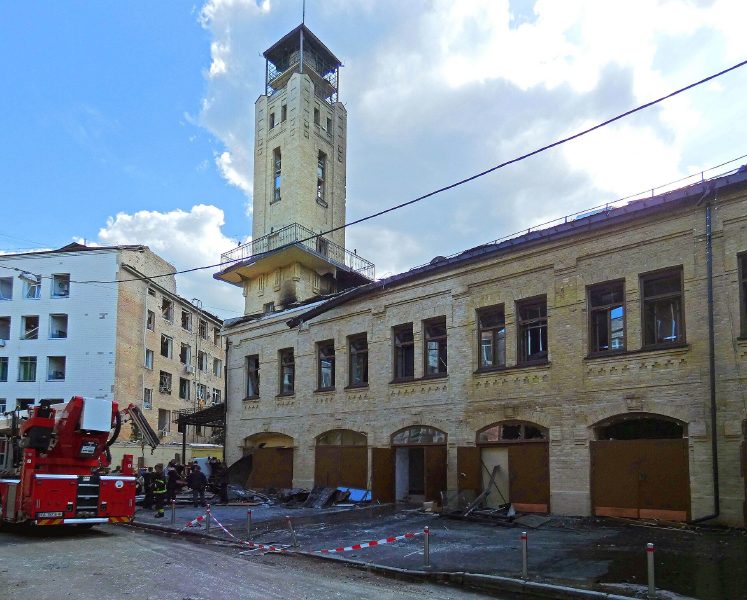
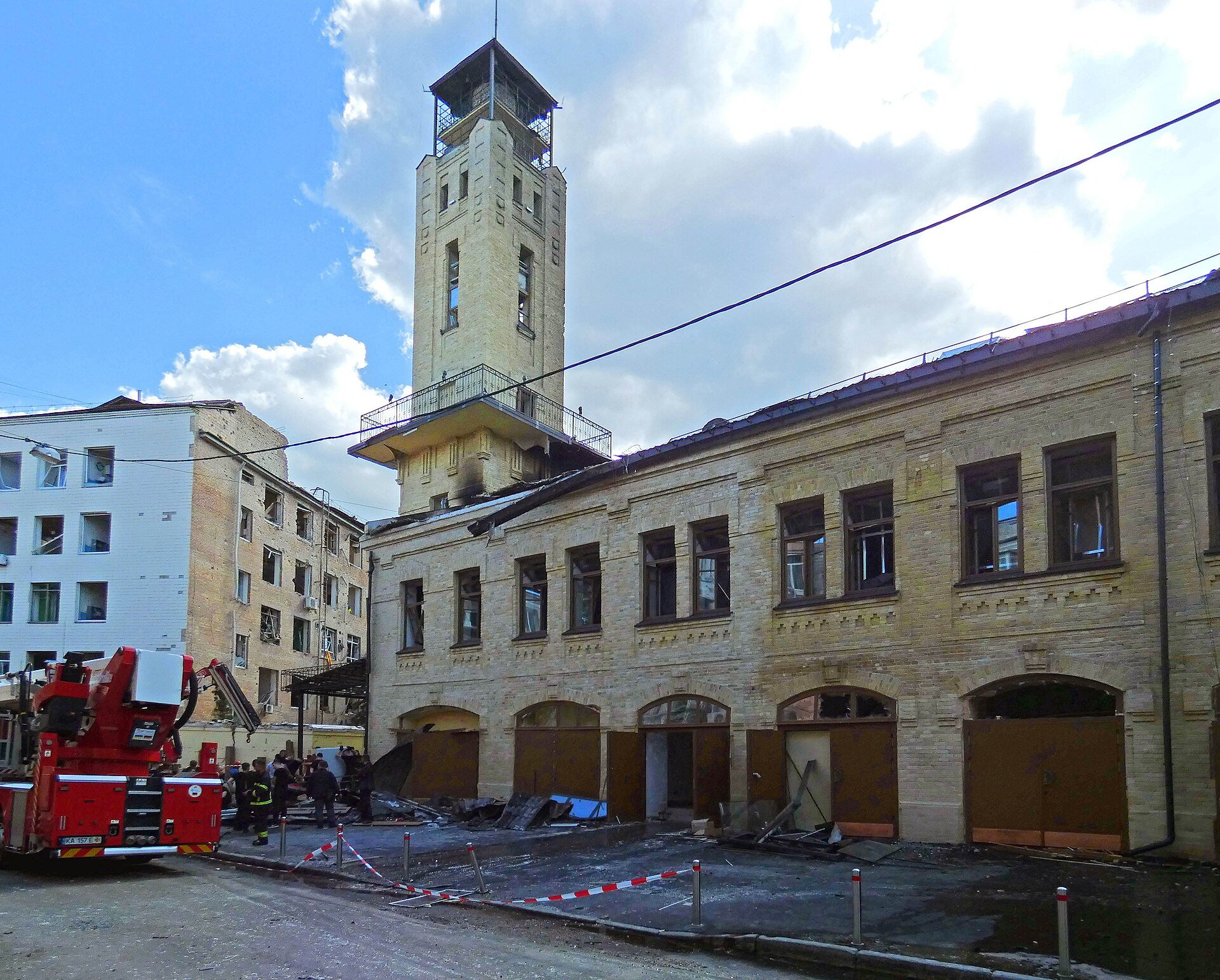
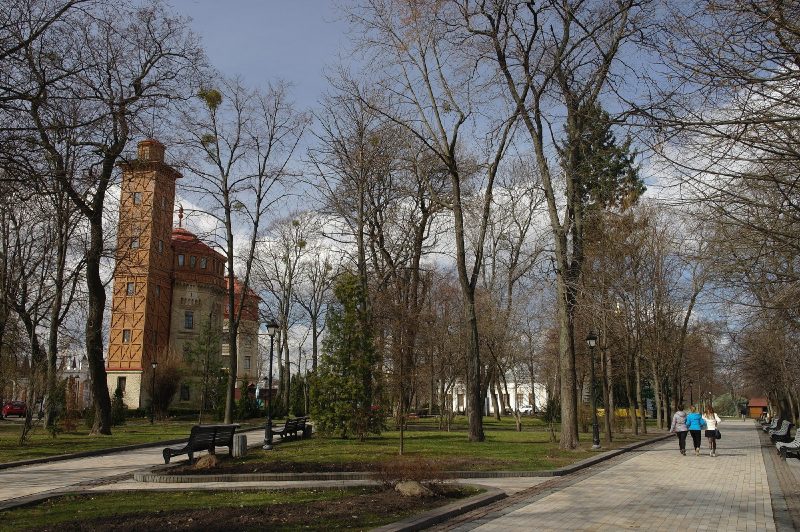
The museum occupies a building that is itself part of a story of rescue. The fire depot of the Podil police district was built on Khoryva Lane in 1910–1911 with funds from the Kyiv City Duma: a two-storey block with wide arches for the fire brigades' wagons and a tall watchtower from which firemen once scanned the wooden streets of Podil for smoke. The design is attributed to the architect Eduard Bradtman.
In the 1980s this building and its neighbour housed the fire service headquarters of Kyiv Oblast. Its units were the first to fight the blaze at Reactor No. 4 of the Chornobyl Nuclear Power Plant on the night of 26 April 1986. So when the fire service handed the building over to the new museum in 1992, the choice of place carried real meaning.
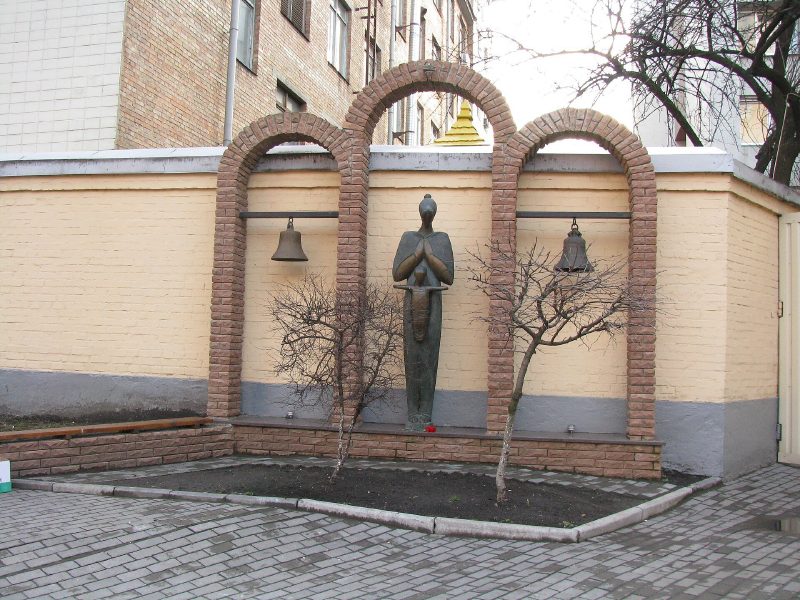
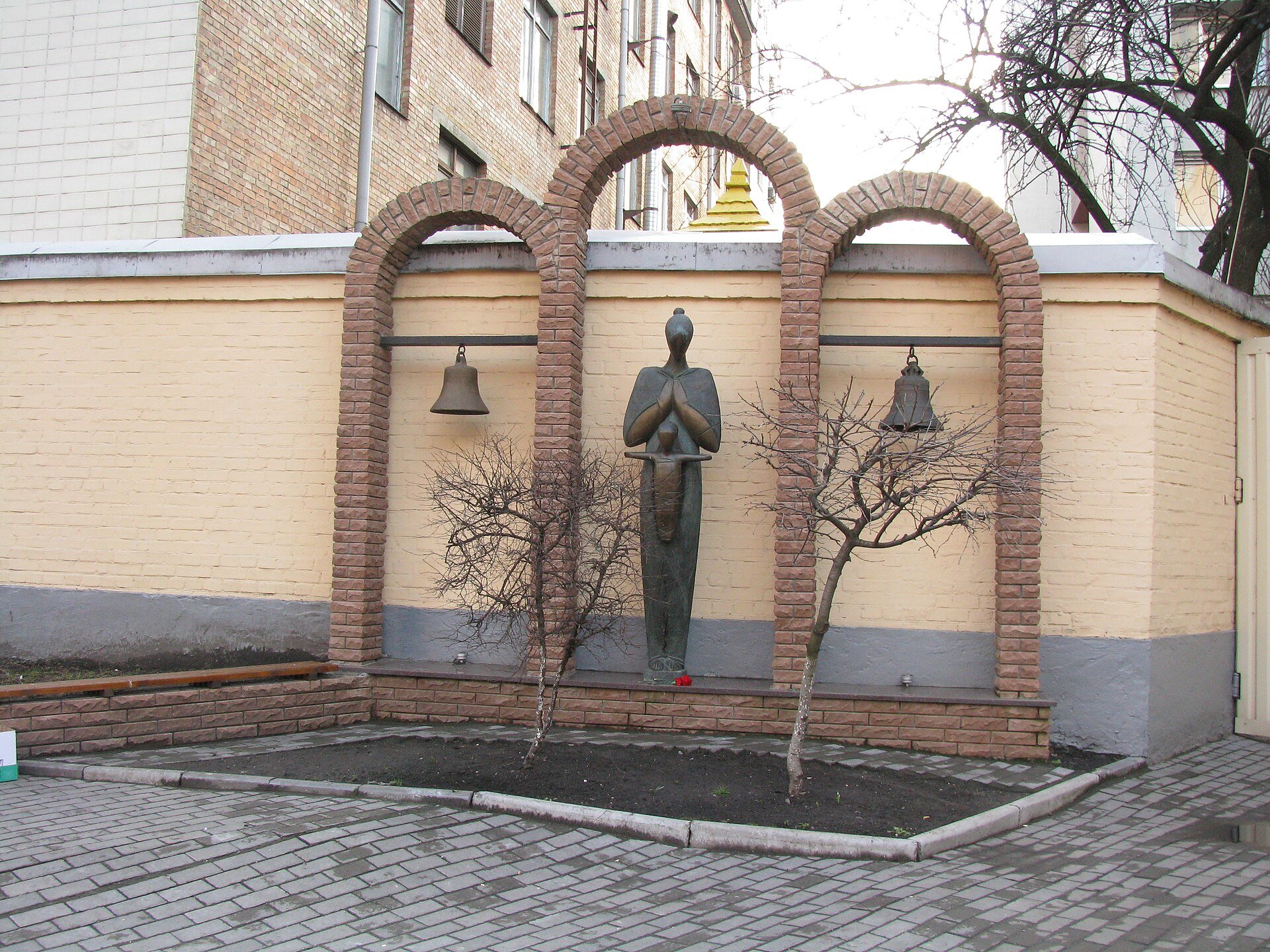
The museum opened in April 1992, on the sixth anniversary of the accident. It was created on the initiative of Ukraine's Ministry of Internal Affairs, which still runs it, and received national status in 1996. A memorial, the “Chornobyl Madonna” (1996), stands by the entrance.
A road that no longer exists
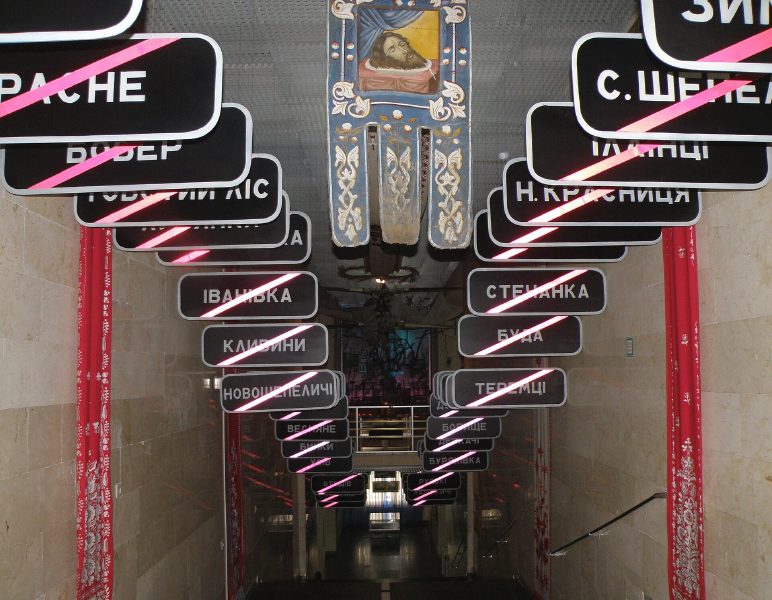
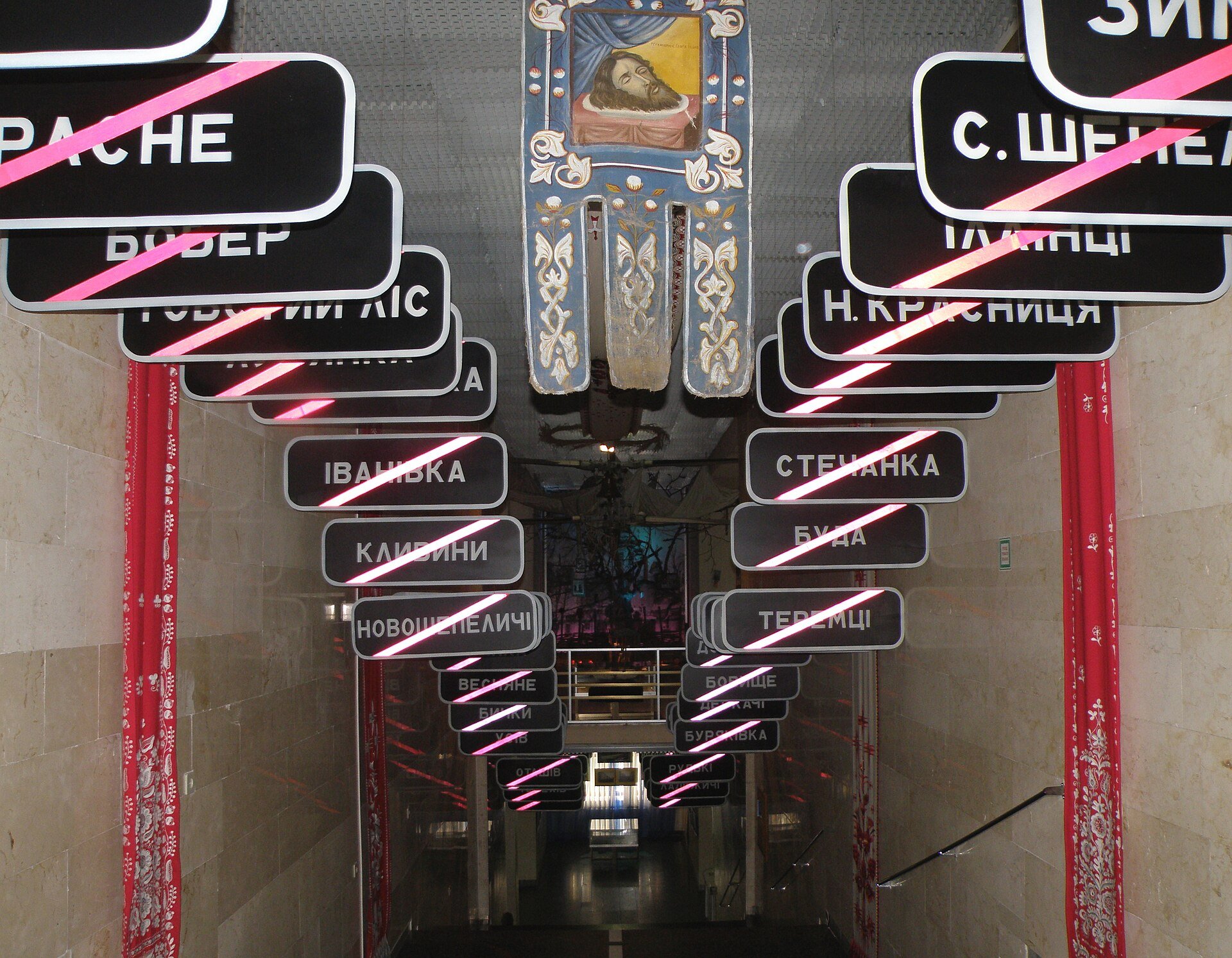
Visitors were met by an unforgettable corridor: overhead hung road signs bearing the names of the villages evacuated from the Exclusion Zone. Instead of the usual blue and white, they were black and slashed with a red stripe, the sign that marks the end of a settlement. Above them hung a genuine church banner from an abandoned village church. This “road to nowhere” became one of the best-known museum installations in Ukraine.
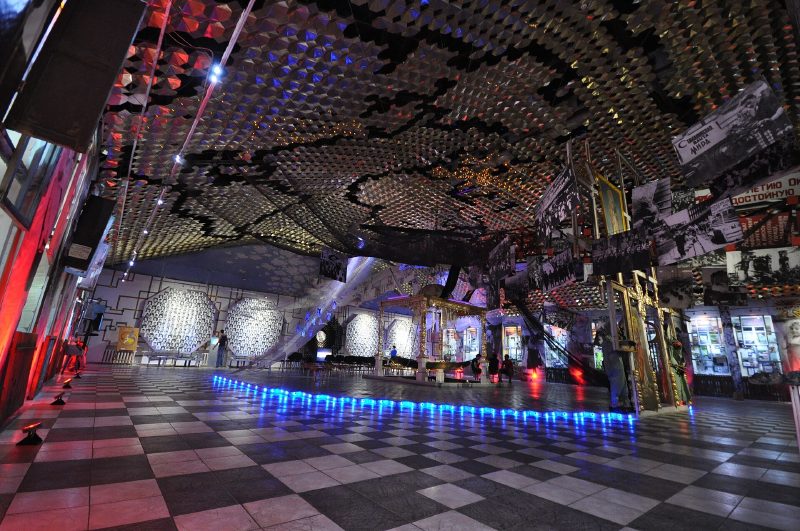
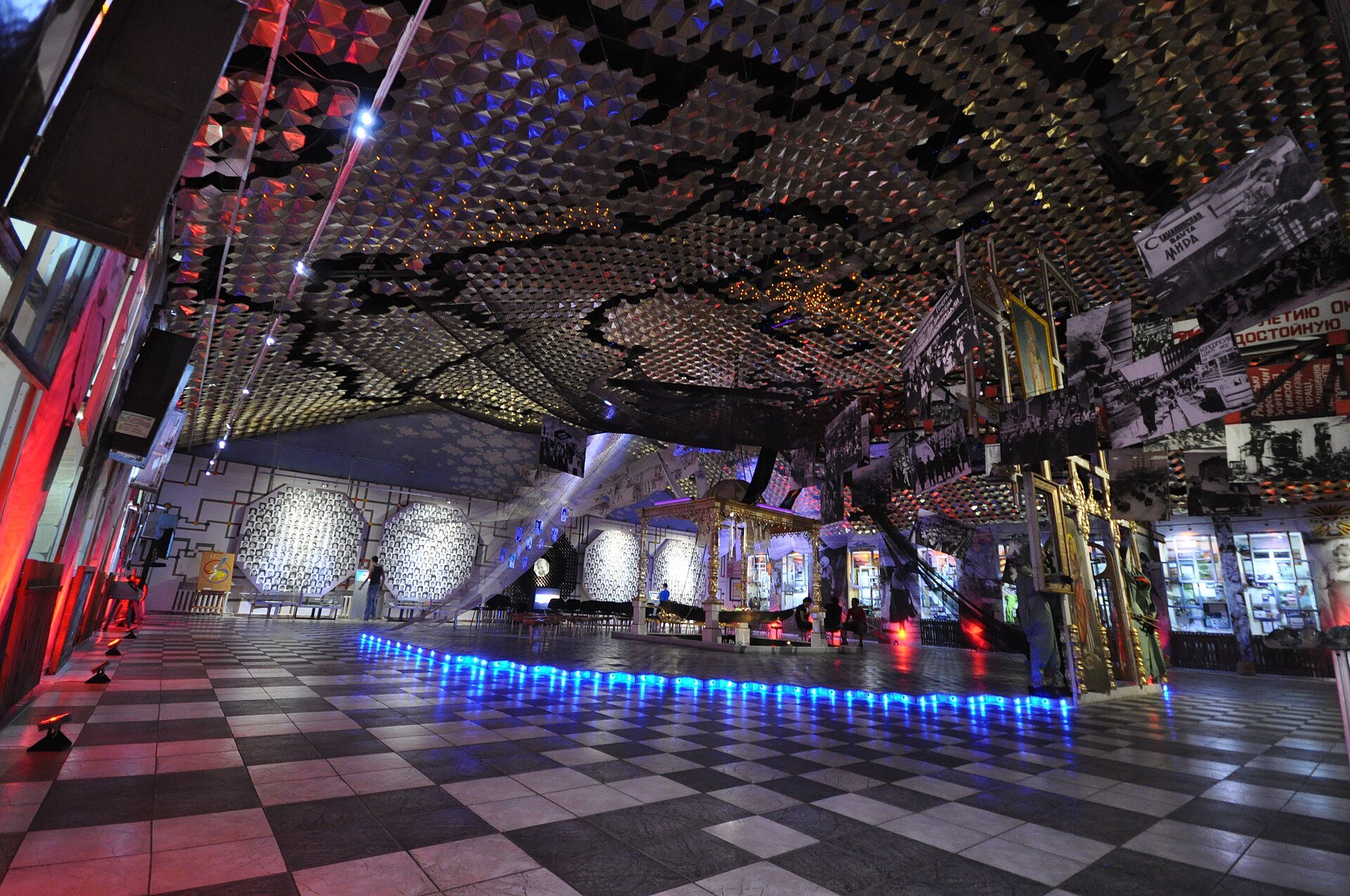
The collection numbered about seven thousand items: declassified documents of government commissions, maps and technical papers from the plant, photographs, liquidators' personal belongings and passes to the zone, plant specimens showing radiation-induced mutations, icons and Polissian folk costumes collected by museum expeditions to the deserted villages. Highlights included a diorama of the plant “before, during and after” the accident and a working model of a reactor unit explaining how the RBMK reactor works and what went wrong that night. The electronic Book of Memory preserves the names and photographs of those who took part in the clean-up.
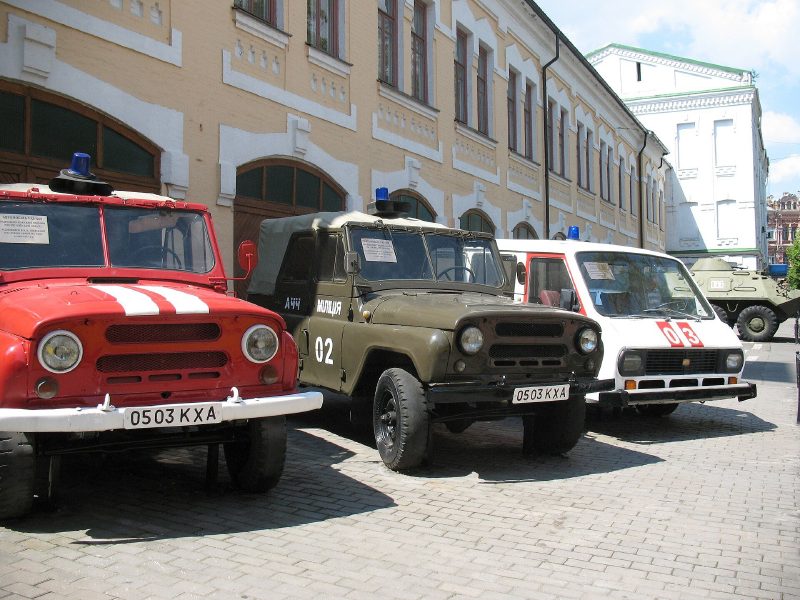
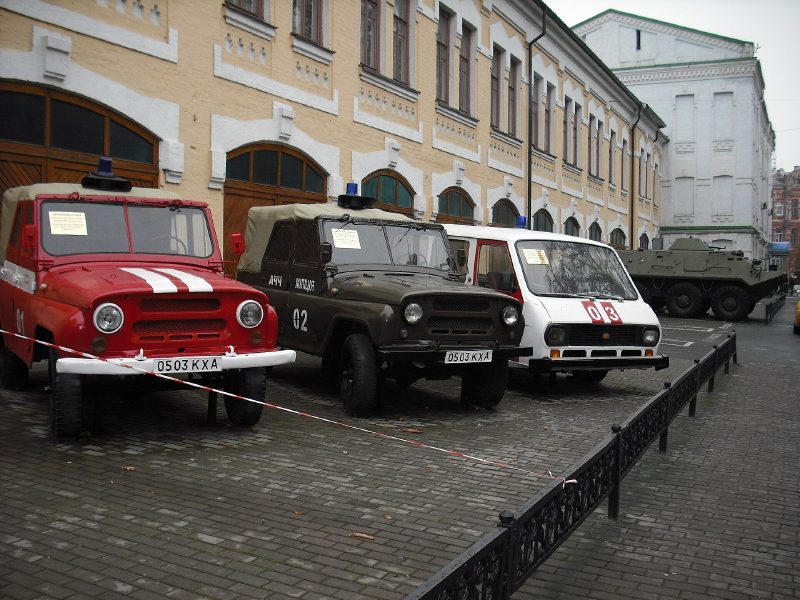
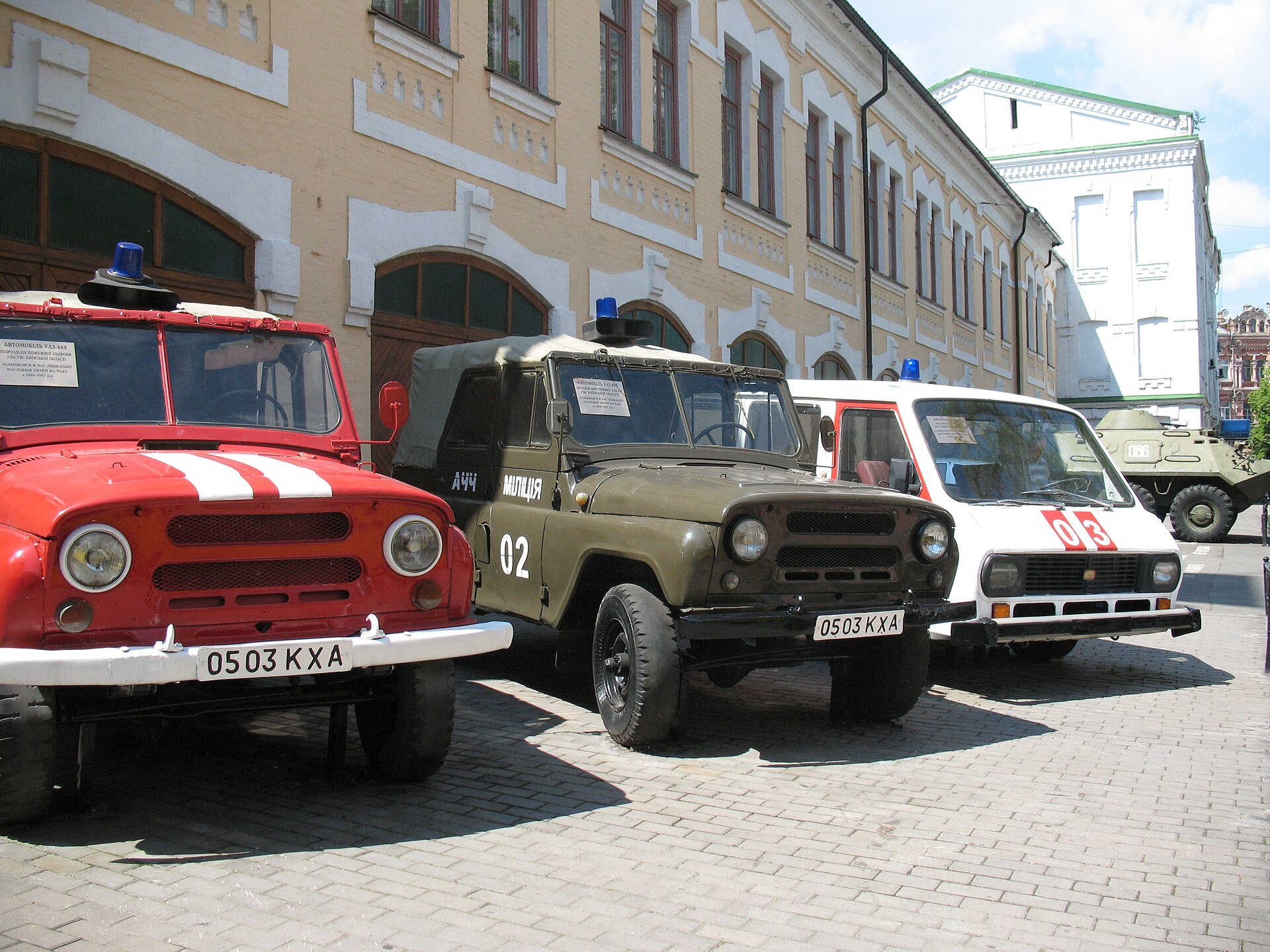
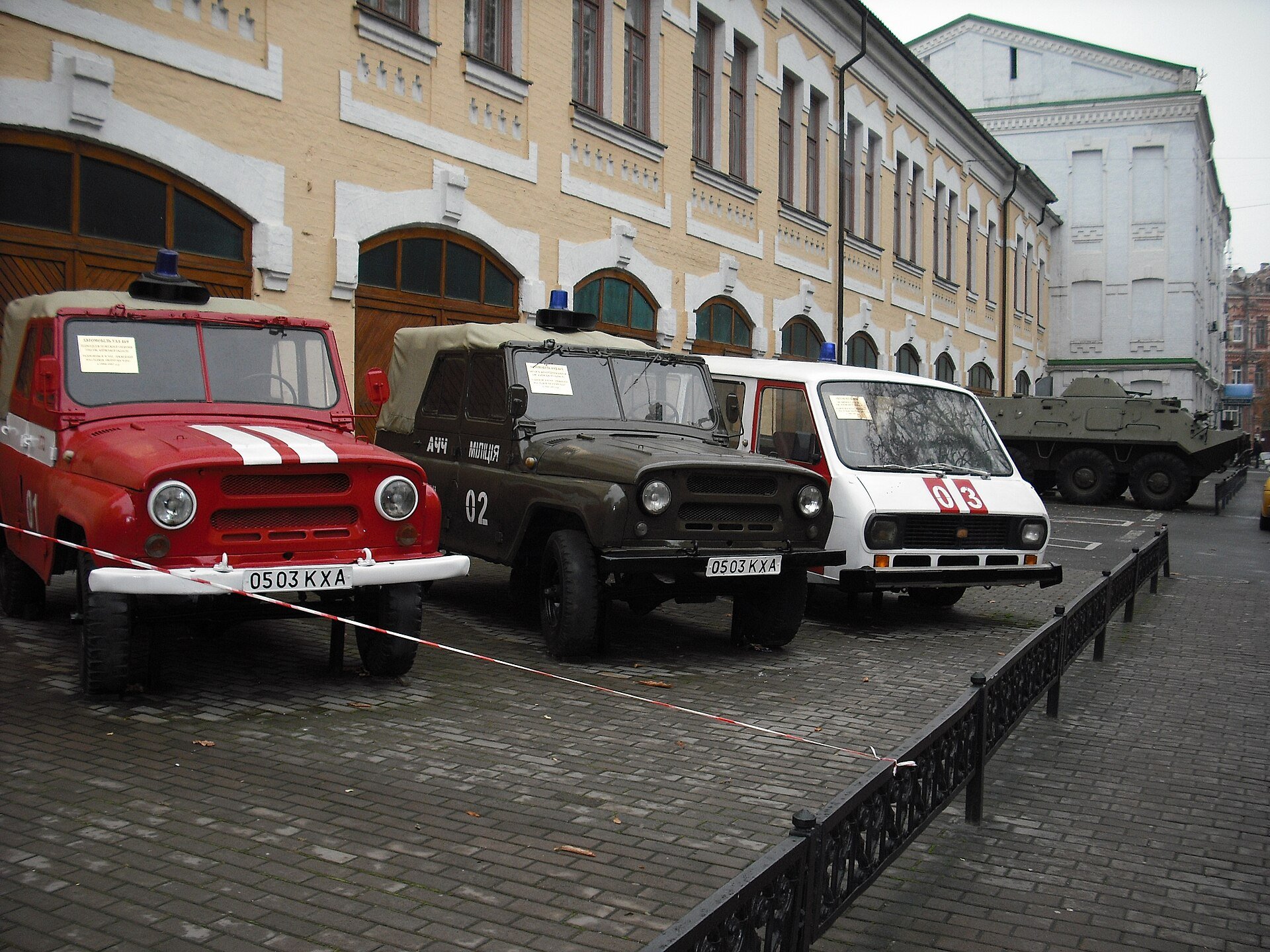
The courtyard displays vehicles of the era — a fire engine, a RAF ambulance, an armoured personnel carrier — reminders of the thousands of people and machines sent to deal with the consequences of the disaster.
Renewed for the 40th anniversary
Ahead of the 40th anniversary the building underwent months of repair and restoration. In late April 2026 the museum reopened with a new interactive and accessible exhibition, “Chornobyl: People and Meanings”, unveiled in the presence of President Volodymyr Zelenskyy and IAEA Director General Rafael Grossi. The restored watchtower was due to open as a new viewing platform over Podil.
The strike of 24 May 2026
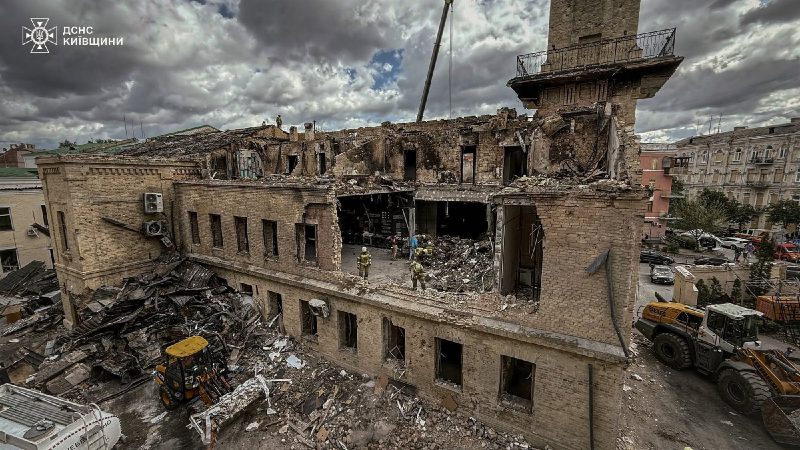
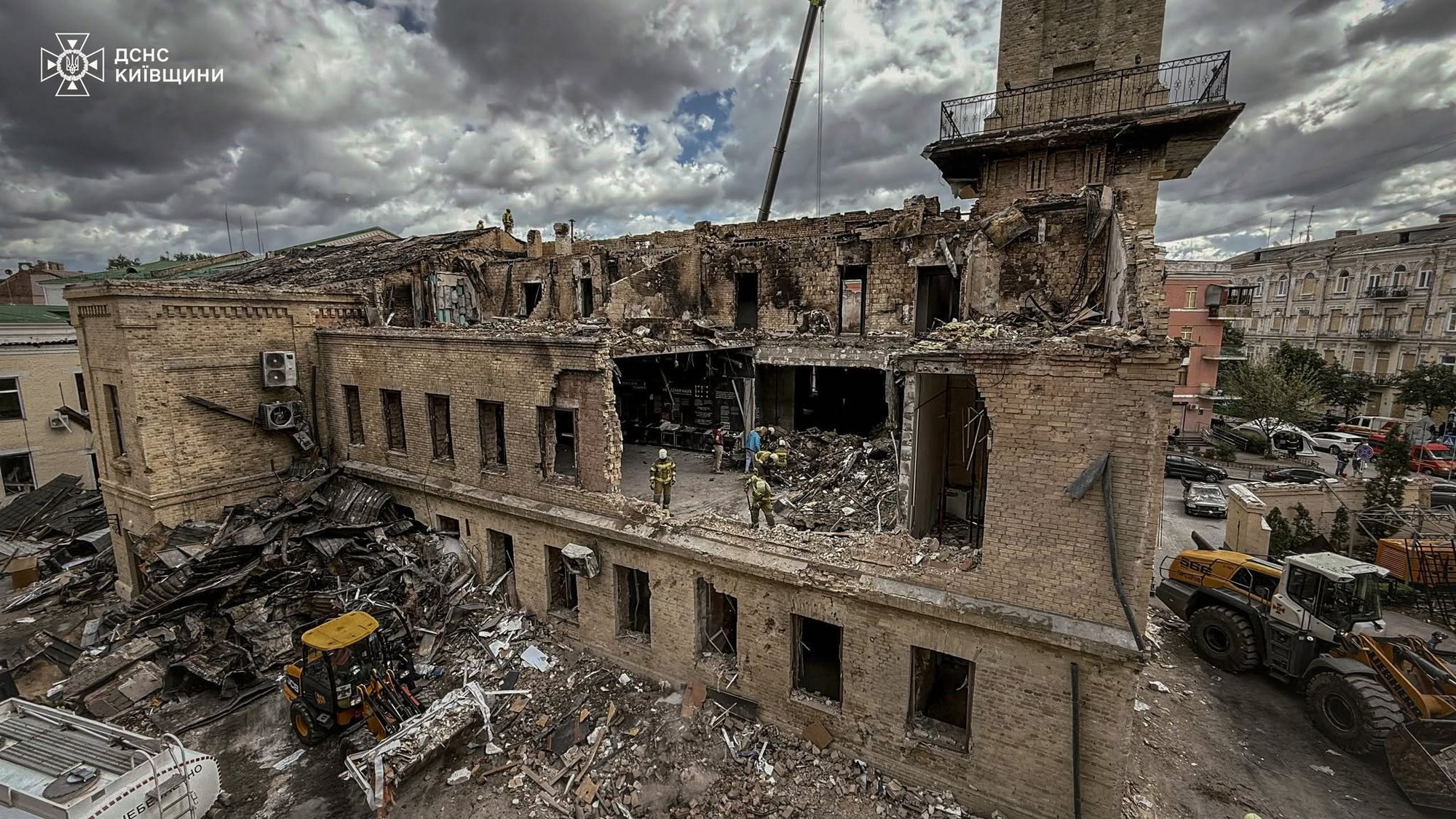
A month later, during a massive Russian attack on Kyiv on the night of 24 May 2026, missiles hit the museum. Fire engulfed the roof, the rear part of the building collapsed together with the upper floors, and the water used to put out the flames flooded the newly opened galleries. According to the Ministry of Internal Affairs, about 40% of the items on display were lost for good. Rescuers and staff carried what they could out of the ruins: objects from the storerooms, a painting by Maria Prymachenko, and the Ukrainian flag raised over the Chornobyl plant after its liberation in 2022. The street façade and the watchtower survived.
A museum created to preserve the truth once hidden by the Soviet authorities has itself become evidence of a new war. Despite the damage it carries on: in autumn 2026 the only surviving hall hosted the international exhibition “Chornobyl 40: New Meanings for a Sustainable Future”, with works by 40 artists from 19 countries.
Photo gallery · 7 photos
Through the years
-
-
-
-
-
-
-
Then and now
Compare yourself
Drag the slider to see how the place has changed.
Slider


Photo overlay
Video
National Chornobyl Museum on screen
Музей «Чорнобиль» — ТСН · YouTube


Guide
Similar places
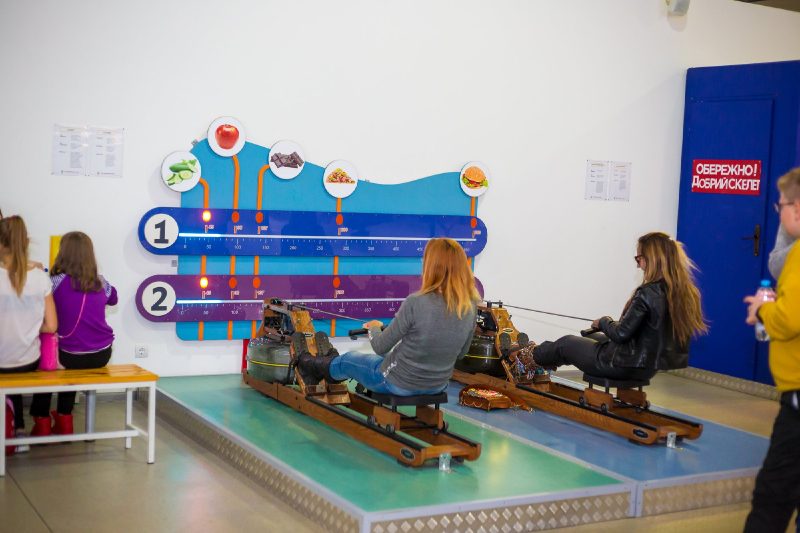 Experimentanium Kyiv: Hands-On Science Museum for All AgesExperimentanium in Kyiv is a hands-on science museum with over 250 interactive exhibits, Tesla and chemistry shows, laser mazes and a tornado machine for kids.
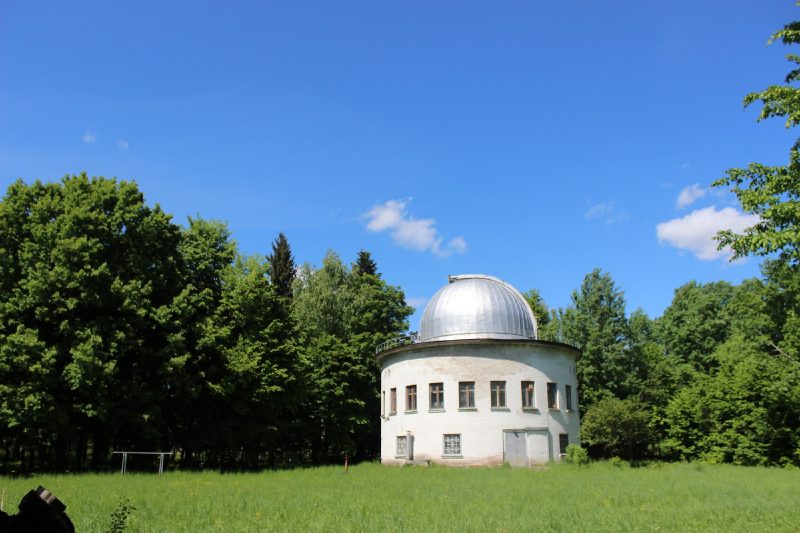 Museum of the Main Astronomical Observatory in KyivFounded in 1944 in Holosiiv, Ukraine's Main Astronomical Observatory has a museum of astronomy, expedition finds and a demonstration telescope for stargazing visitors.
 Water Museum in Kyiv: Water Information CenterKyiv's Water Museum fills a 19th-century waterworks with aquariums, a giant toilet and an indoor thunderstorm. Learn about its history and its seven exhibition zones.


