
Museum of the Hetmanate in Kyiv: The Mazepa House in Podil

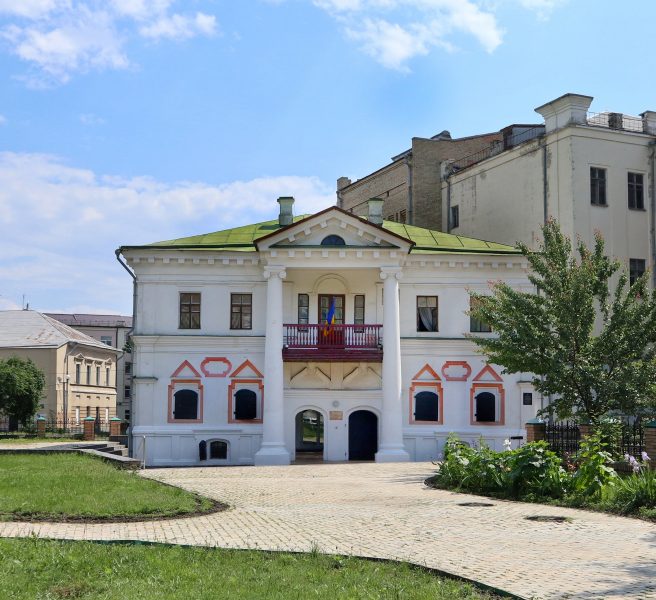
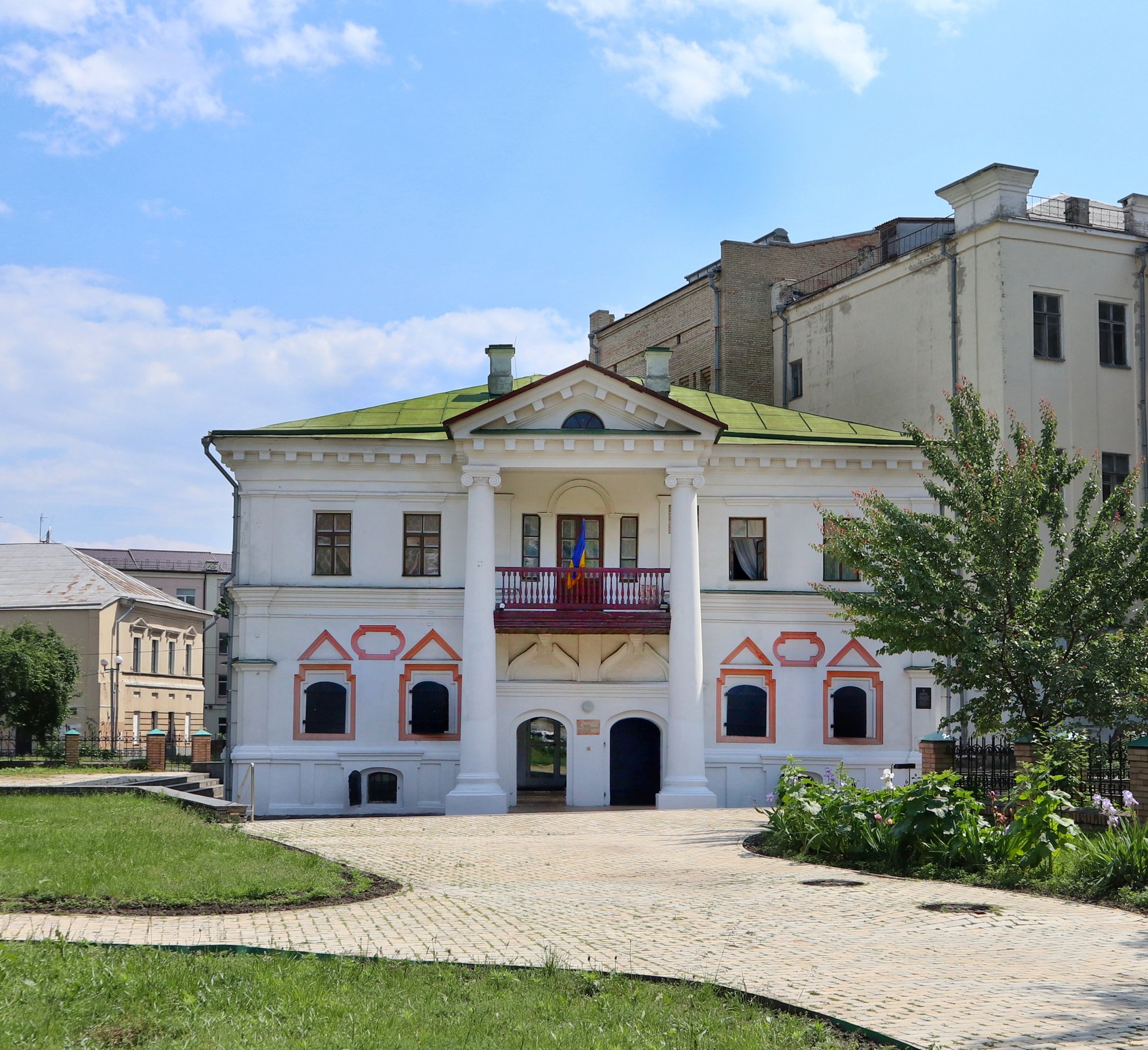
Housed in a late 17th-century building known as Mazepa's house in Podil, Kyiv's Museum of the Hetmanate preserves relics of the Cossack era and Ukraine's hetmans.

The Museum of the Hetmanate is a state cultural, educational and research institution devoted to history, preserving artifacts of material and spiritual culture connected with the history and traditions of the Cossack-Hetman period.
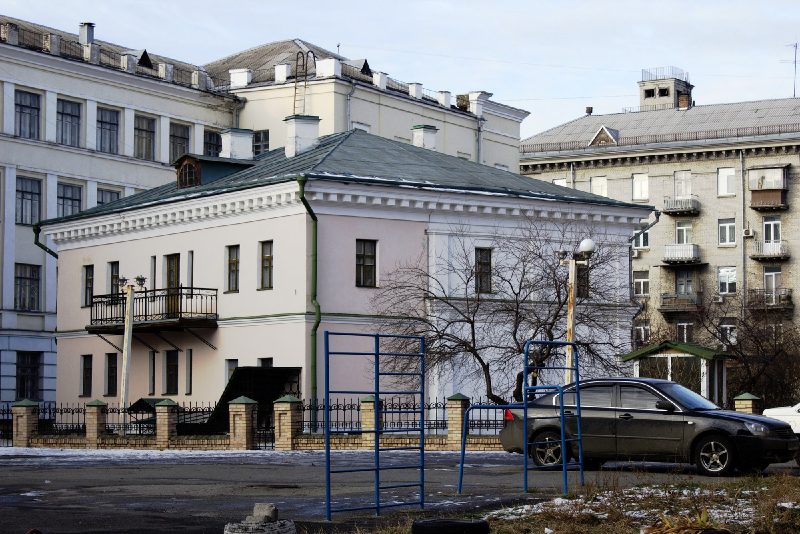
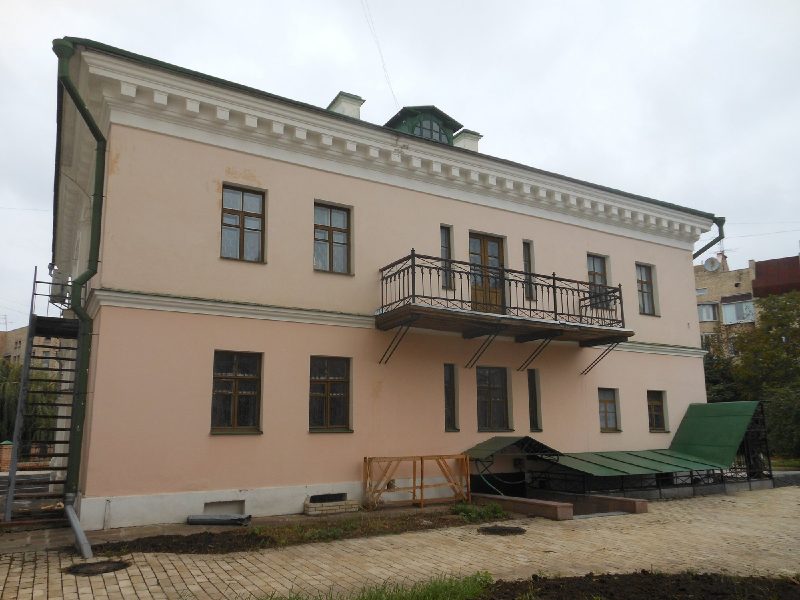
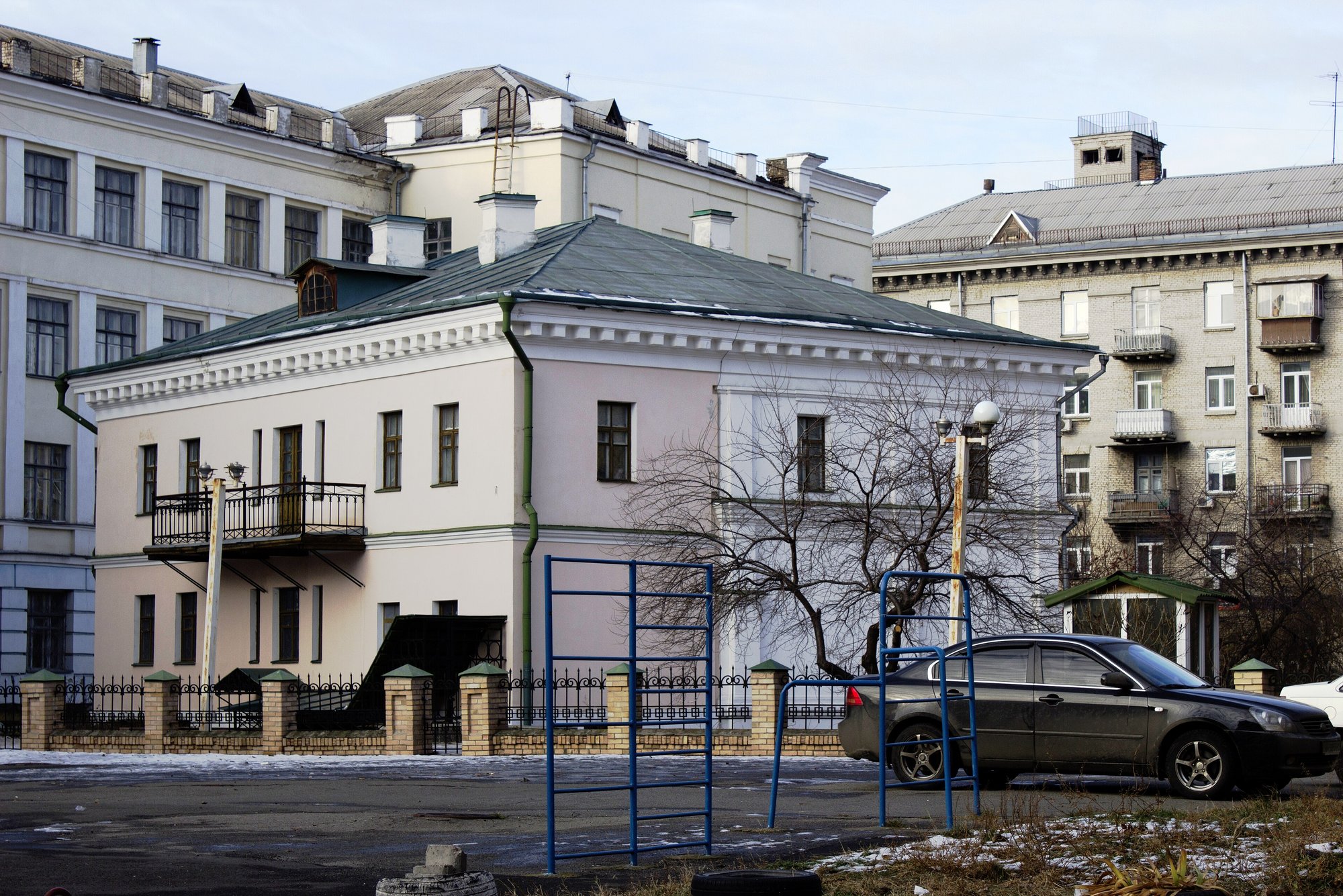
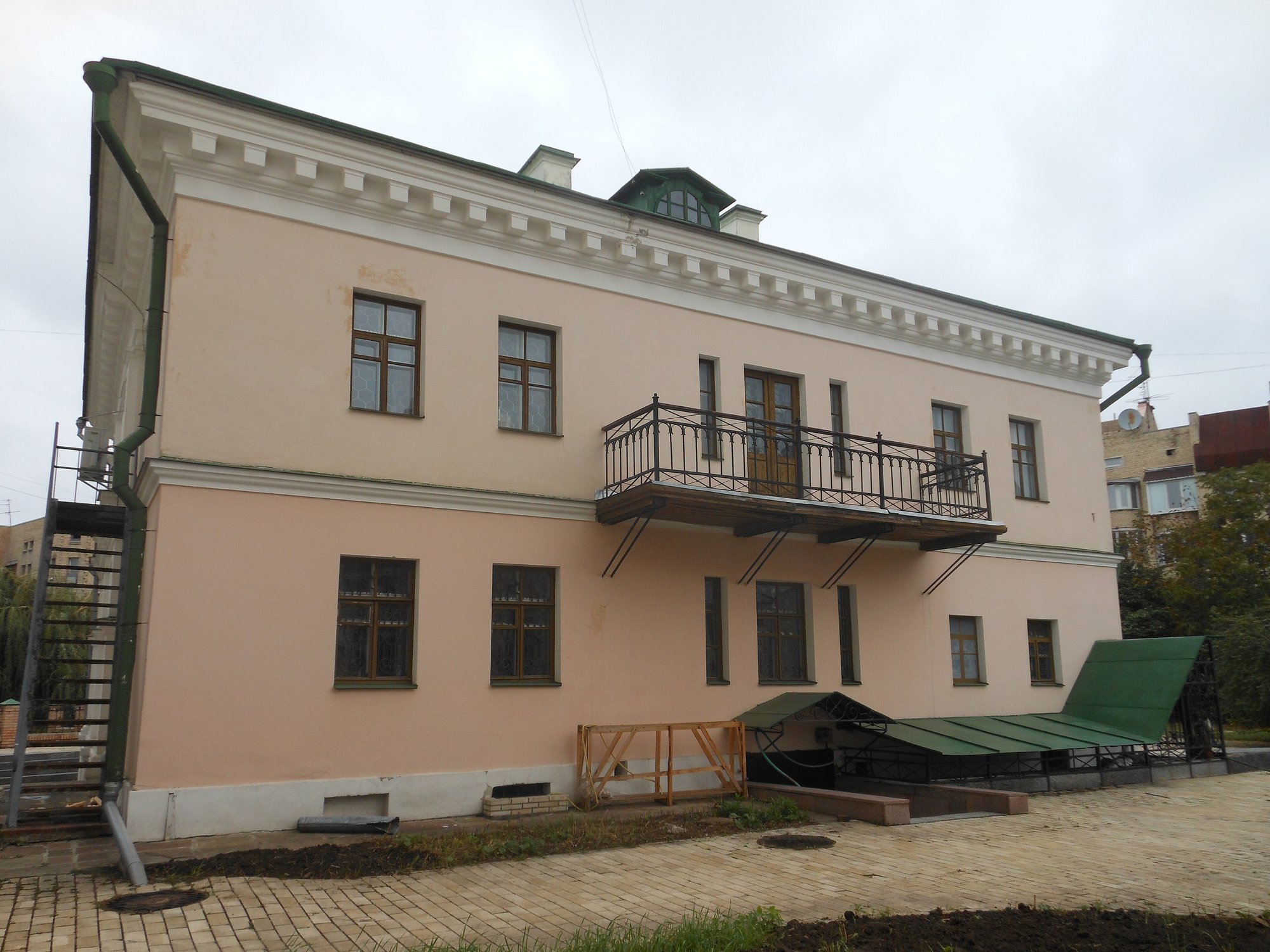
The museum is housed in a late 17th-century architectural landmark (some parts were rebuilt in the 19th century) also known as the "House of Hetman Ivan Mazepa." From 1717 the house is known to have belonged to the Sychevskyi family, whose members held very high positions in Kyiv's magistrate in the 18th century. It is believed that Petro Kalnyshevskyi, the last Koshovyi Otaman of the Zaporozhian Sich, visited the house in 1763. The building was damaged by fire in 1811 and restored to a design by architect Andrii Melenskyi. At the end of the 19th century, it belonged to the Morachevskyi family. After the 1917 revolution, the house was nationalized and turned into communal housing. In the late 1980s, its residents were resettled and the building stood empty until March 11, 1993, when the Museum of the Hetmanate was established there by order of the Presidential Representative in Kyiv.
The museum's main tasks are to preserve, collect, study and present artifacts of Ukrainian history and culture from the Cossack era, as well as to study the history of urban planning in Ukraine.
Highlights
• The museum's research library holds more than 3,000 volumes.
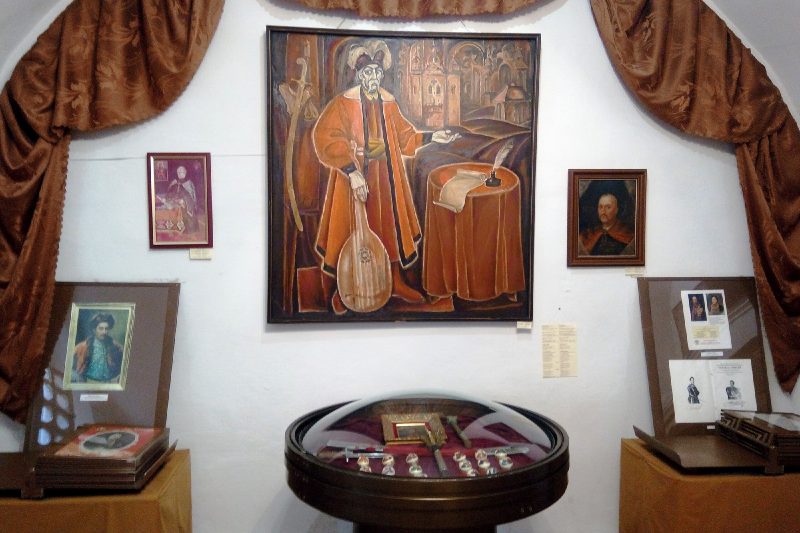
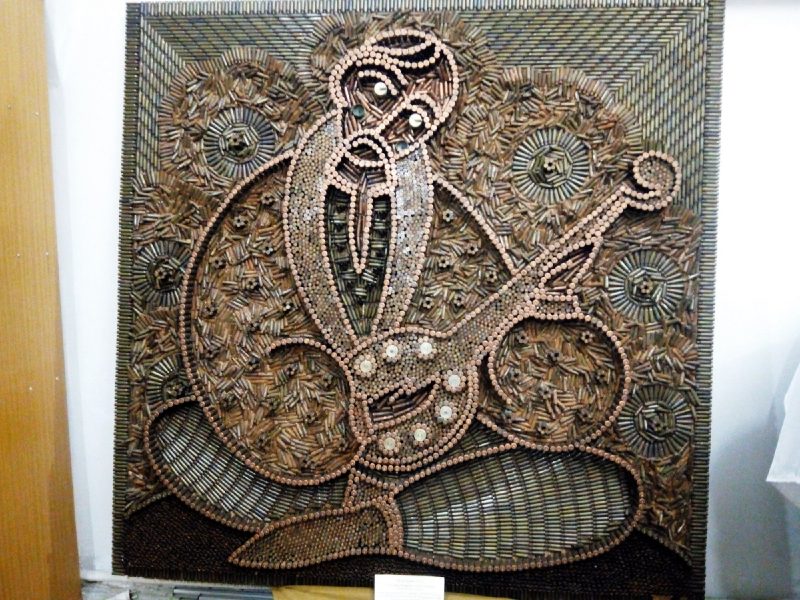
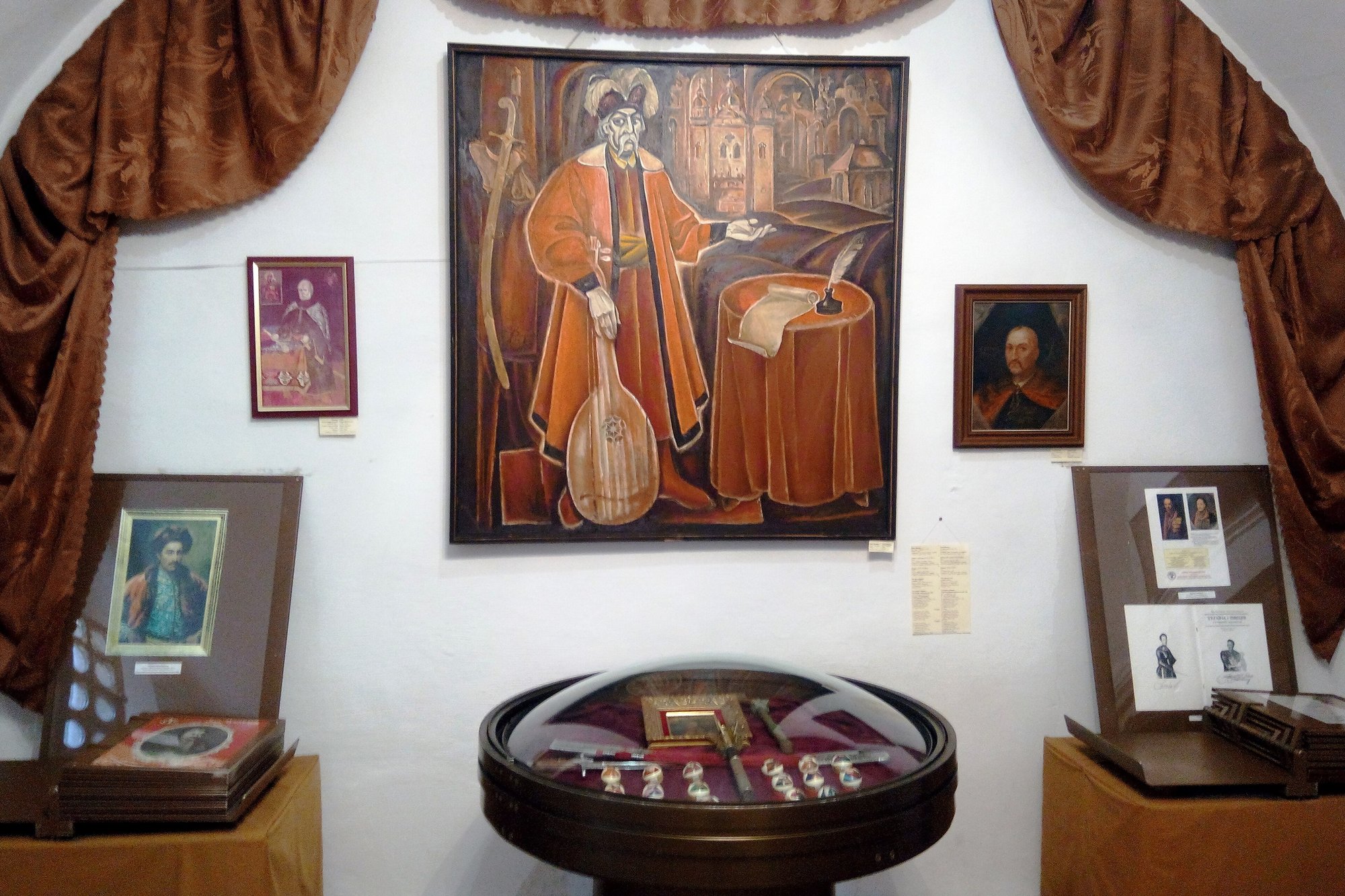
• The collection numbers over 6,000 items, some found by museum staff and others donated by people from other countries (the USA, Germany, the Czech Republic). Among them are materials on the activities of Hetman Pylyp Orlyk during his years in forced exile.
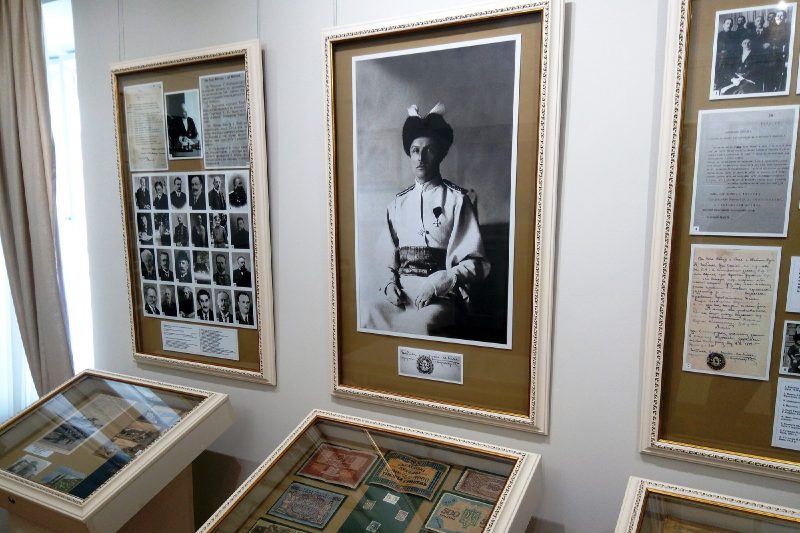
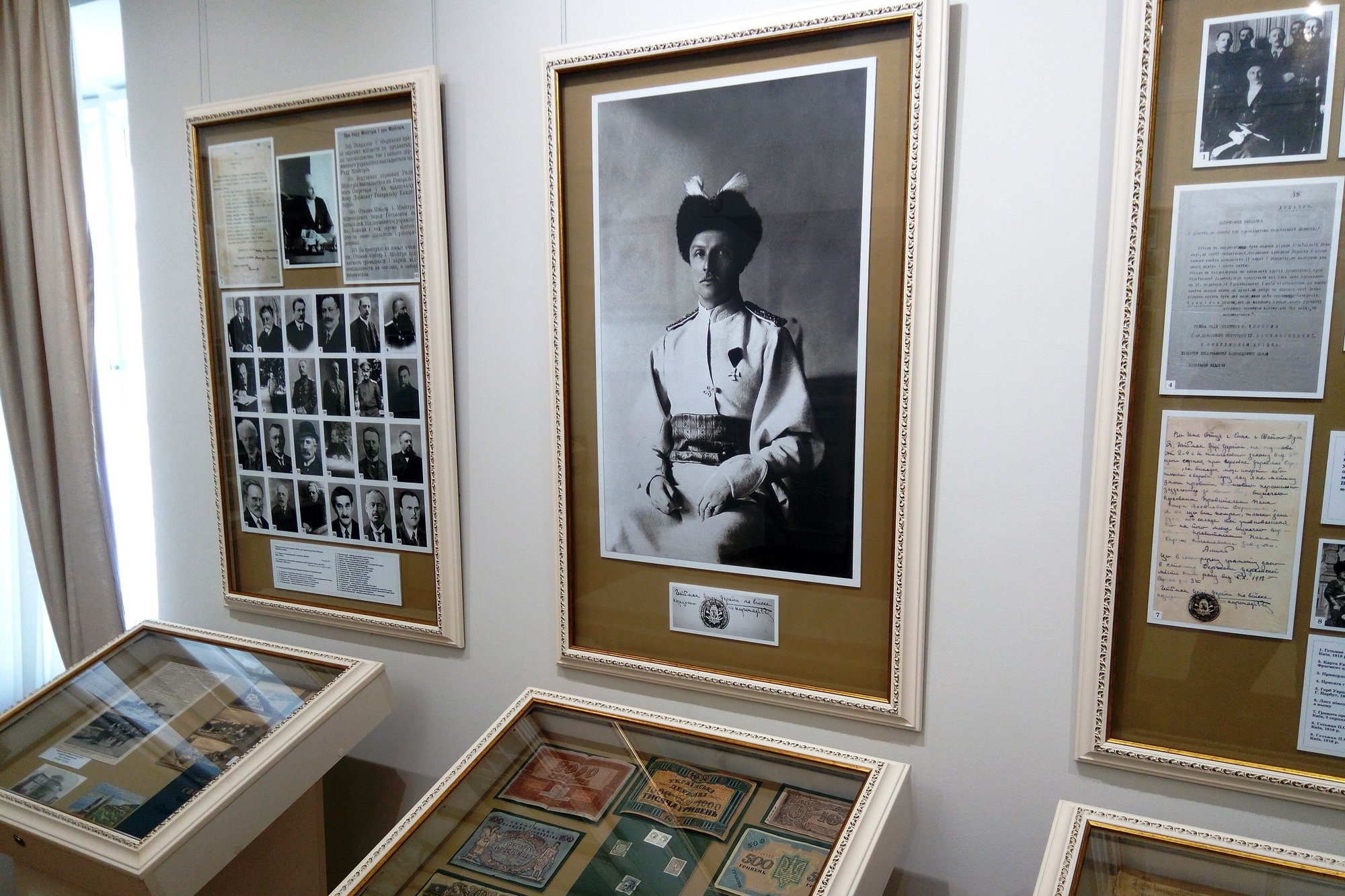
• The private archives of Pavlo Skoropadskyi, the last hetman of Ukraine.
• Personal belongings of Ukrainian statesmen (Symon Petliura's awards and death mask, awards and belongings of soldiers of the Ukrainian People's Republic), books, leaflets and banknotes of the UPR.
• Rare historical maps of Ukrainian lands.
• Graphic works, including the engraving "Mazepa Among His Good Deeds" by Ilarion Myhura, published in 1706.
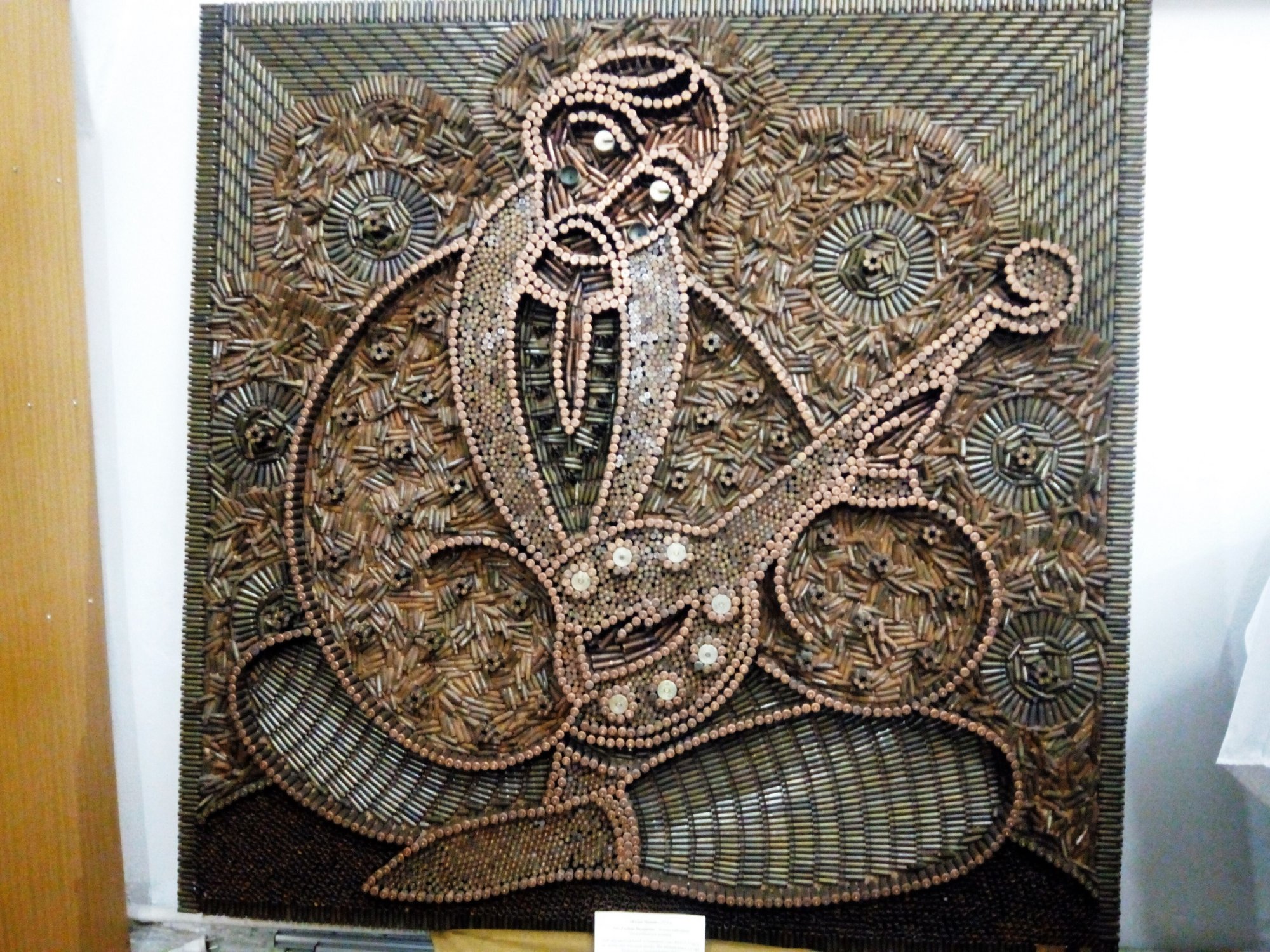
• A collection of items from everyday Cossack life.
Since its founding, the museum has been actively pursuing its mission, holding numerous historical and art exhibitions, academic conferences, discussions, and civic and artistic events. The "Hetman's Drawing Room" discussion club meets here, and the museum's exhibitions have included "Hetman Ivan Mazepa," "Pylyp Orlyk: Hetman and Author of Ukraine's First Democratic Constitution" and "Pavlo Skoropadskyi and the Ukrainian State of 1918."
Anyone interested in the history of the Ukrainian Cossacks and the rule of these hetmans will truly enjoy a visit. The museum's substantial library on the Cossack era may also appeal to young researchers and anyone who wants to learn more about Cossack history.
Address: Kyiv, 16b Spaska Street.
People and eras


Photo gallery · 6 photos
Through the years
-
-
-
-
-
-
Then and now
Compare yourself
Drag the slider to see how the place has changed.
Slider


Photo overlay


Guide
Similar places
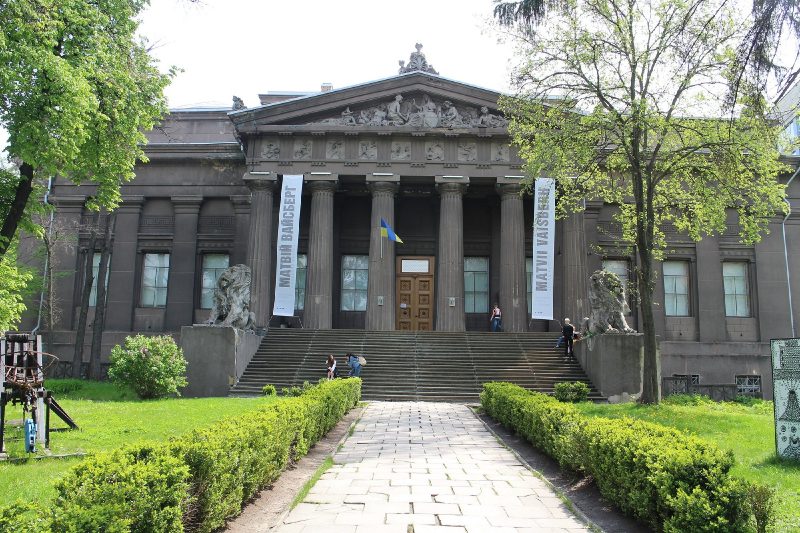 National Art Museum of UkraineKyiv's first public museum, in Horodetskyi's Neoclassical building with lions by the steps, and the fullest collection of Ukrainian art, from 12th-century icons to the avant-garde.
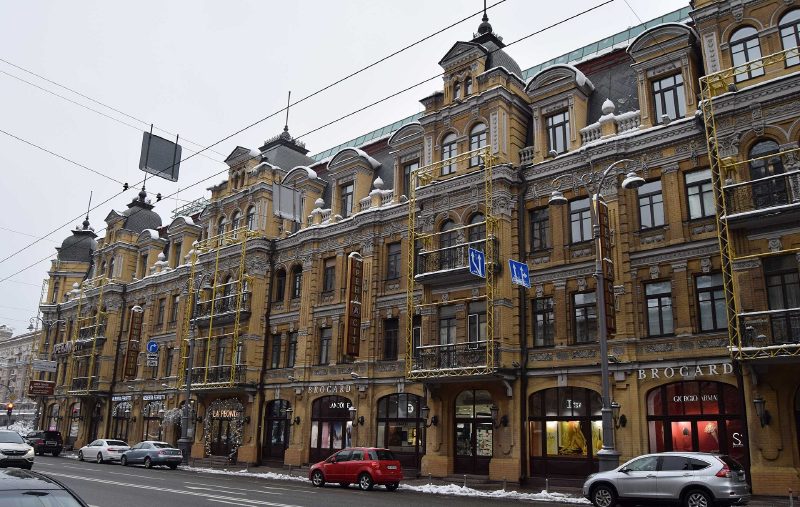 PinchukArtCentreA private contemporary art centre at Besarabka, opened in 2006: shows by international and Ukrainian artists, the Future Generation Art Prize, and free admission.
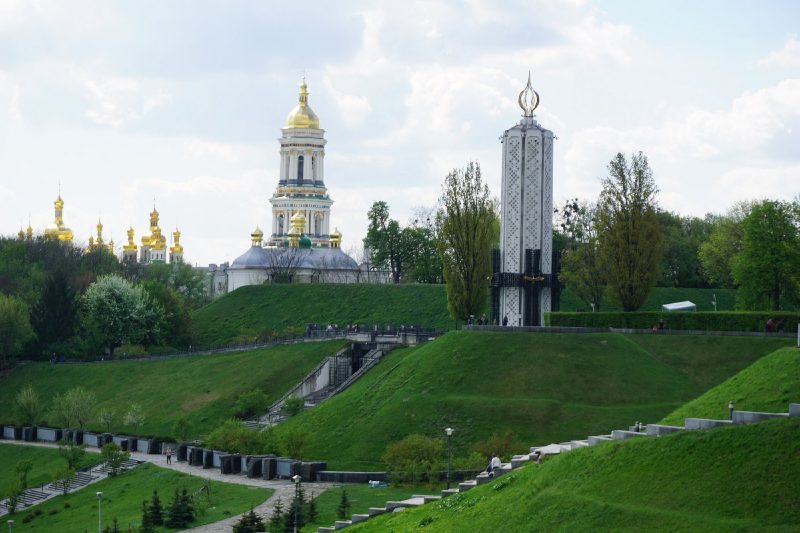 Holodomor Genocide MuseumUkraine's national memorial to the victims of the 1932–1933 Holodomor on the slopes by the Lavra: the 30-metre Candle of Memory, the girl with ears of wheat and the Alley of Black Boards.


