
PinchukArtCentre

A private contemporary art centre at Besarabka, opened in 2006: shows by international and Ukrainian artists, the Future Generation Art Prize, and free admission.
A private museum at Besarabka
PinchukArtCentre was founded by the businessman and philanthropist Victor Pinchuk. It opened in September 2006 and soon became one of the largest private centres for contemporary art in Central and Eastern Europe. From the start it has followed a principle that was unusual for Kyiv at the time: admission is free, as are the guided tours and most events. According to the centre, more than 3.5 million people have visited in its twenty years.
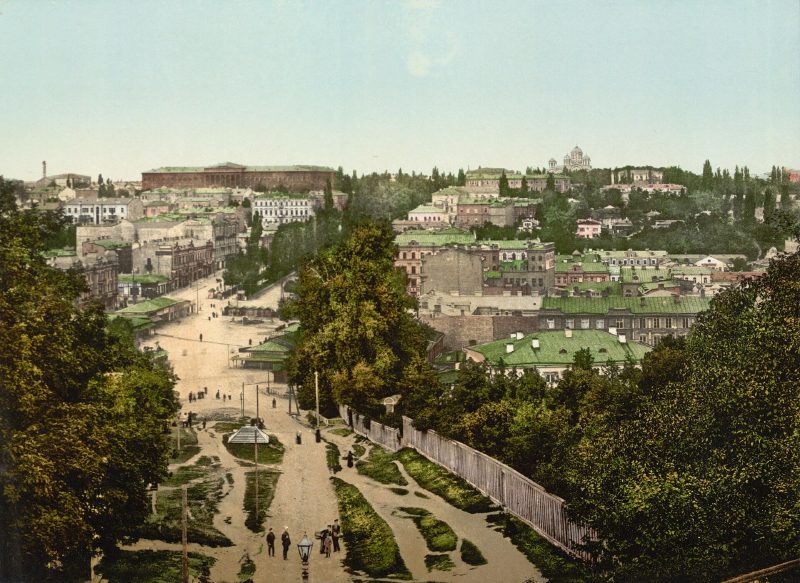
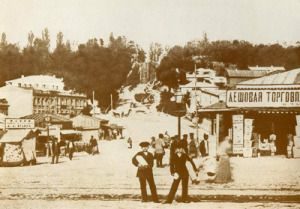
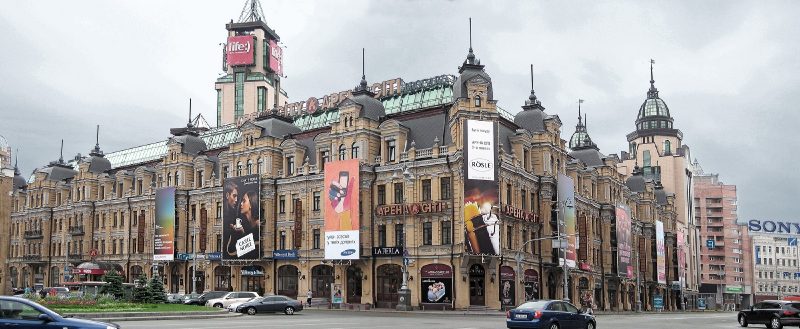
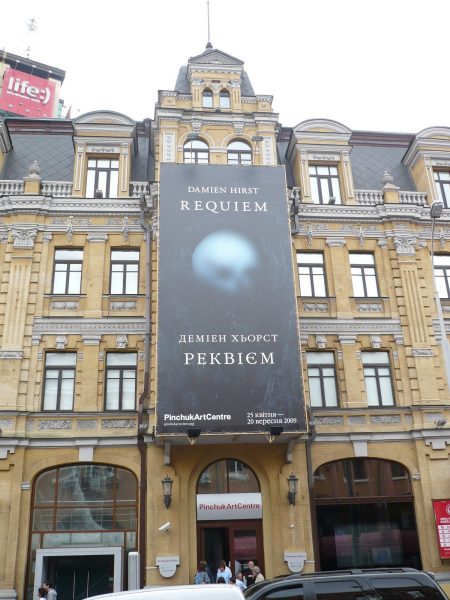
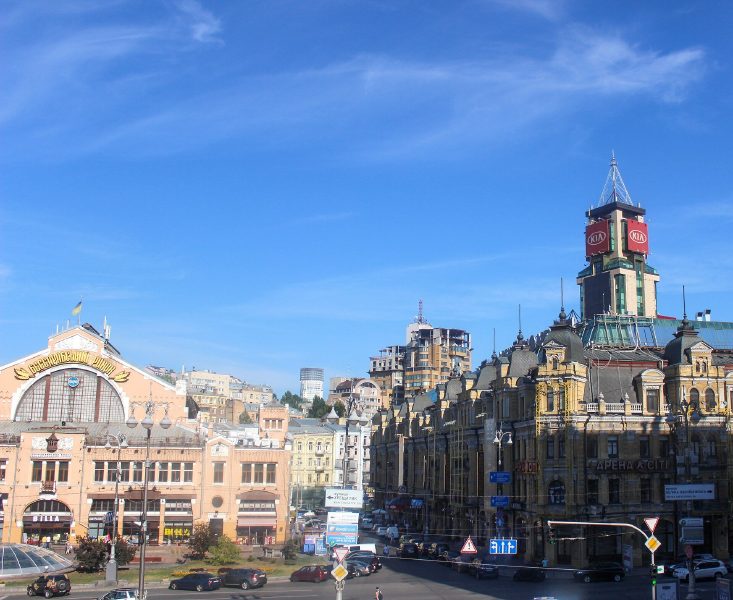
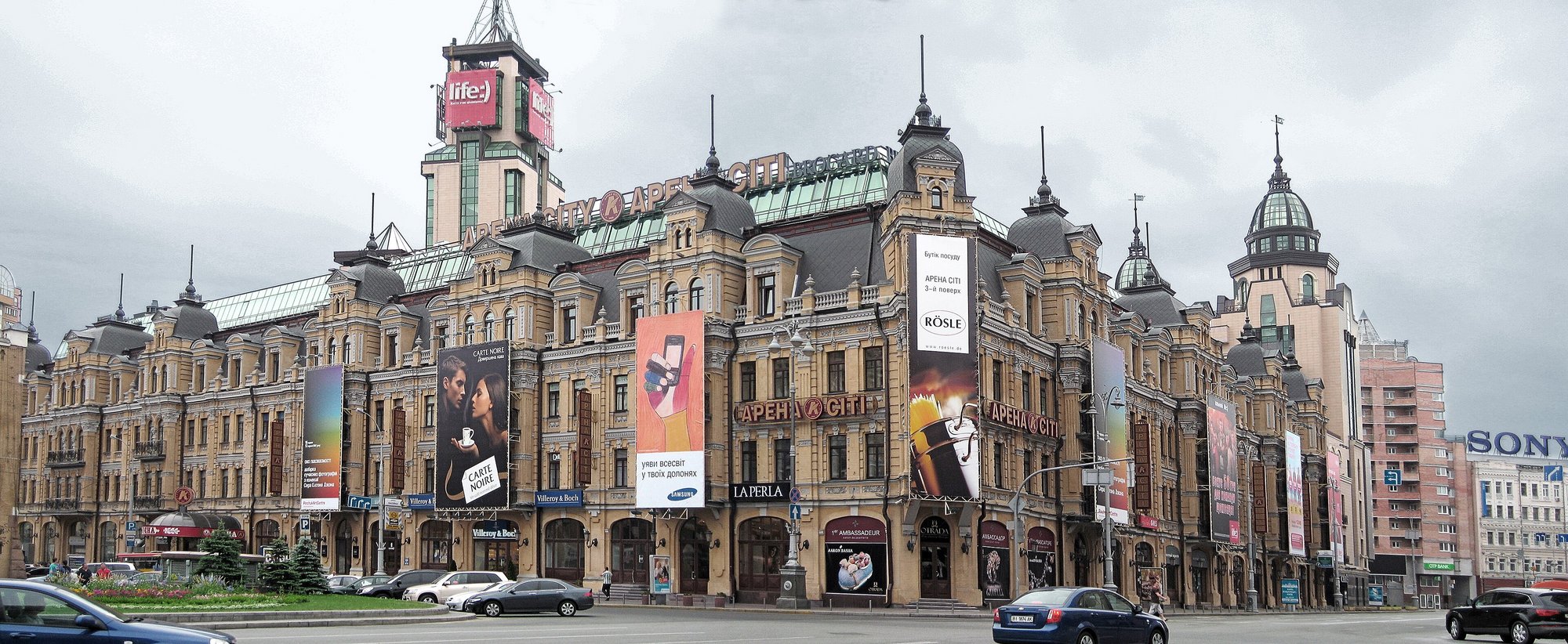
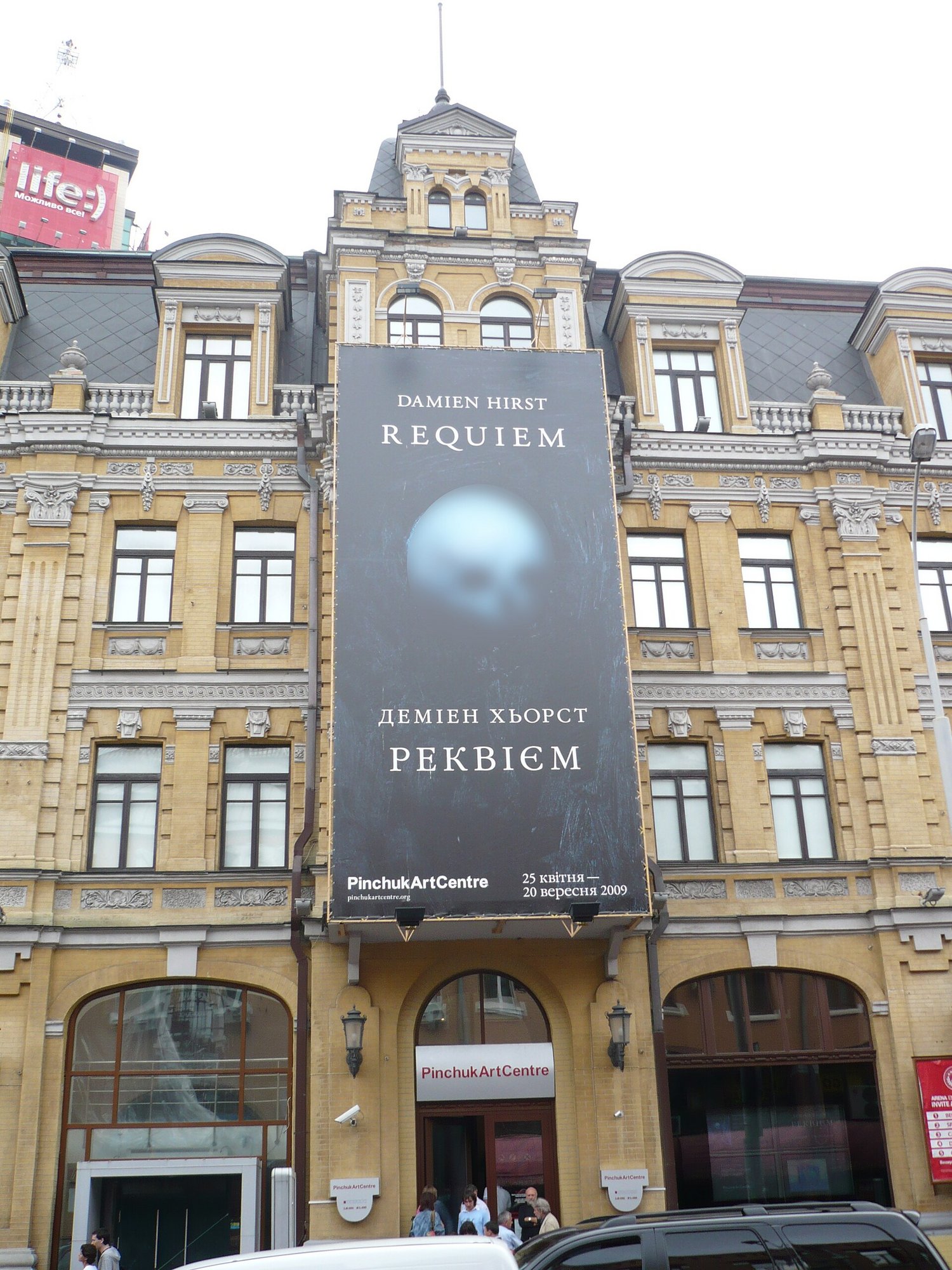
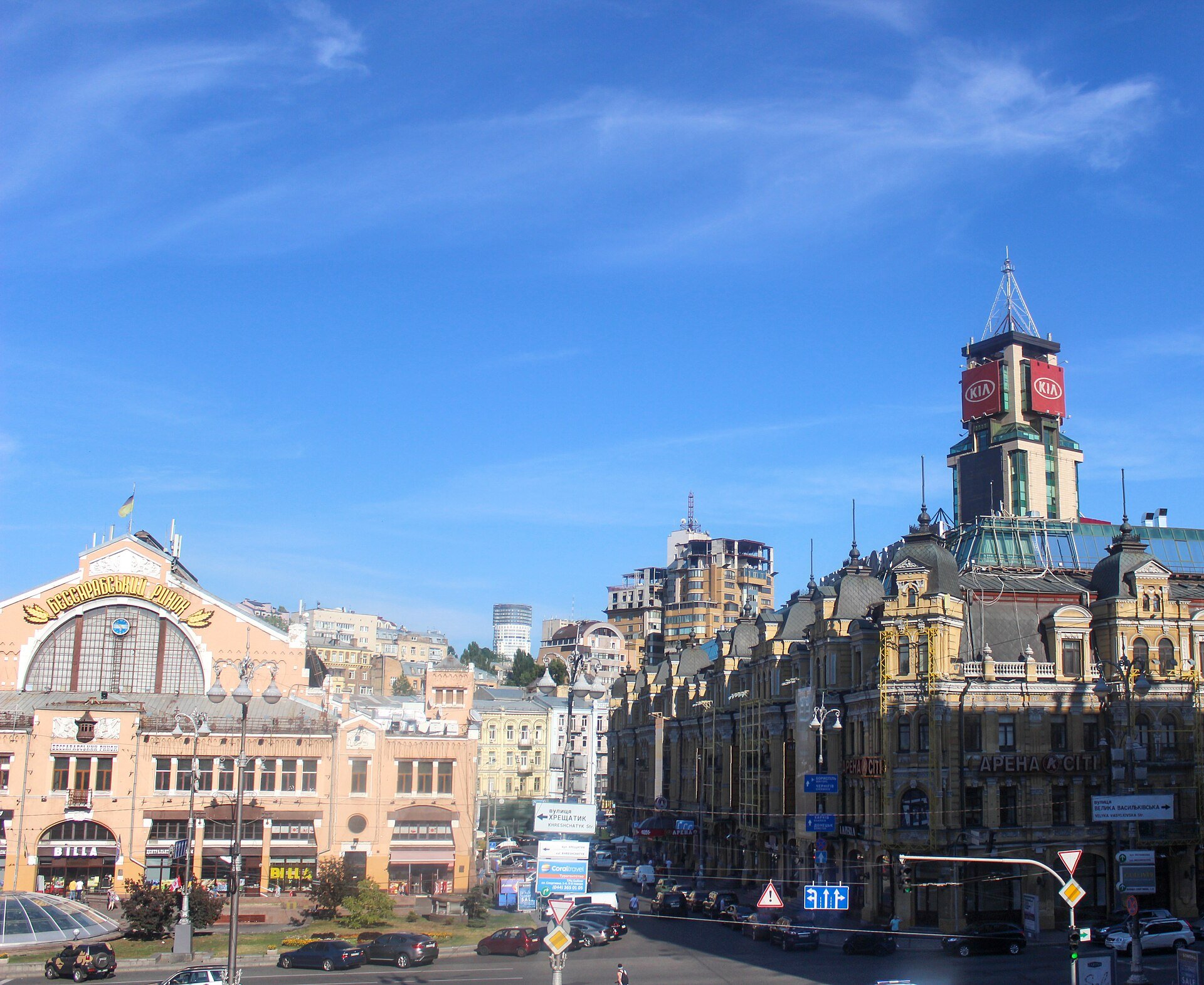
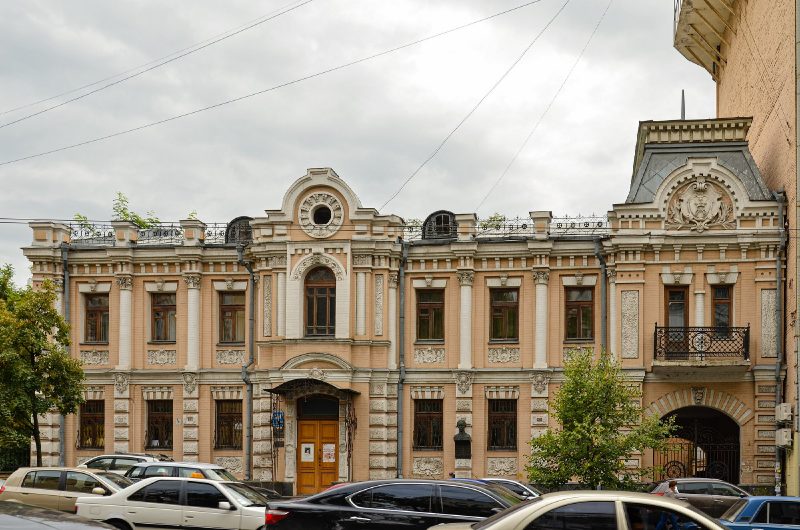
The centre occupies six floors of a historic building on the corner of Velyka Vasylkivska and Baseina streets, opposite the Besarabskyi Market. It was once an apartment house with the Orion hotel, part of the so-called Besarabka triangle of old hotels that was restored in the early 2000s together with the neighbouring Arena entertainment complex. Outside is an ornate late 19th or early 20th-century facade; inside are white galleries designed by the French architect Philippe Chiambaretta. Exhibition spaces cover more than 3,000 m² on four floors, with the Research Platform library on the fourth floor and a café overlooking Besarabka on the sixth.
Hirst, Murakami, Eliasson
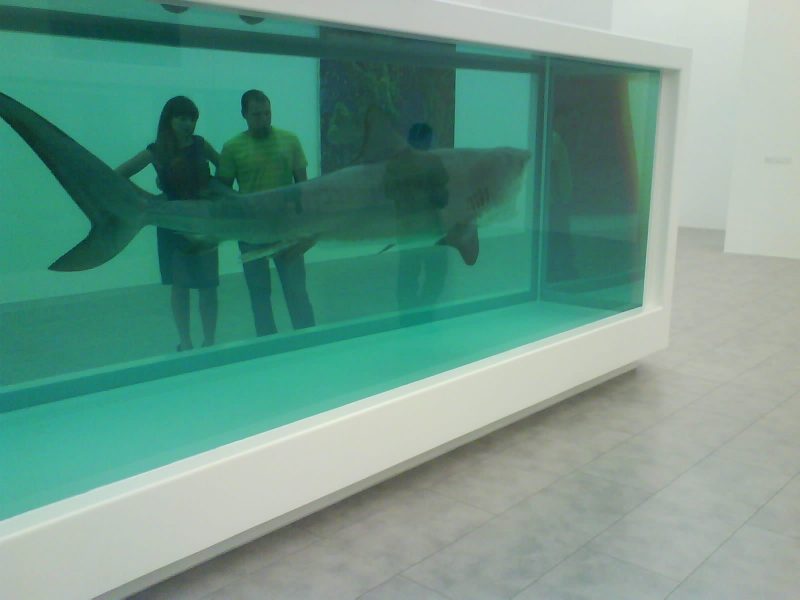
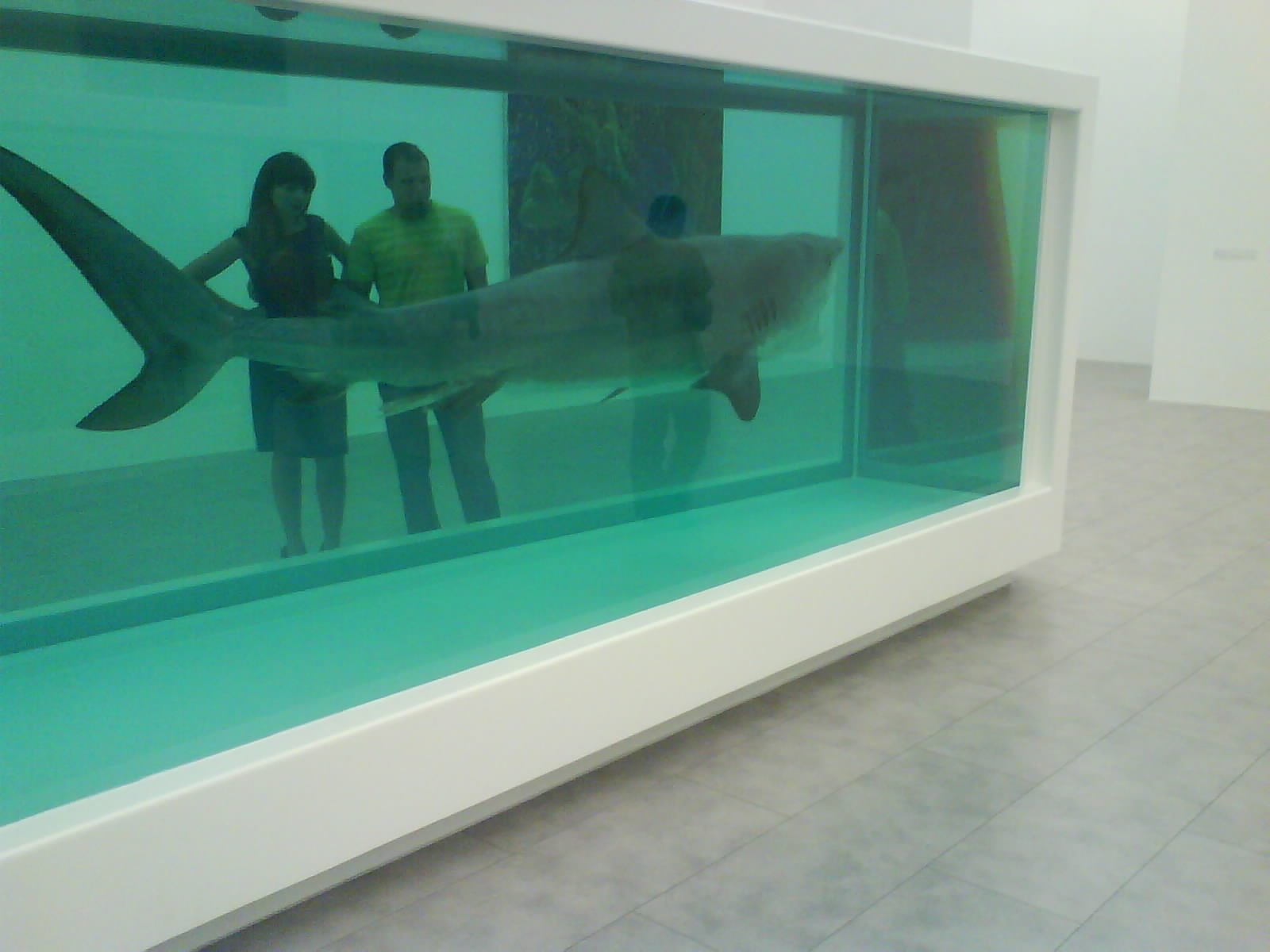
In its early years PinchukArtCentre brought big international names to Kyiv for the first time. In 2008 it staged Requiem, then the largest retrospective of Damien Hirst. Shows by Takashi Murakami, Mariko Mori, Vik Muniz and Andreas Gursky followed, along with photographs from Elton John's collection, paintings by Paul McCartney and Olafur Eliasson's Your Emotional Future. At the same time the centre showed Ukrainian artists, from the older generation to the very young, in its Collection Platform series and the PAC UA space on the fifth floor.
The centre organised the Ukrainian Pavilion at the Venice Biennale in 2007 and 2009, and the Hope! pavilion in 2015. In 2011 it launched the Curatorial Platform, a two-year programme for young Ukrainian curators, and in 2016 the Research Platform, which is building a living archive of Ukrainian art from the early 1980s onwards.
Prizes for young artists
Since 2009 the centre has awarded two prizes for artists aged 35 and under. The PinchukArtCentre Prize is a national award: its first winner was Artem Volokitin from Kharkiv, and later main prizes went to Mykyta Kadan and Zhanna Kadyrova. The international Future Generation Art Prize is one of the world's largest awards for young artists, worth USD 100,000, of which 40,000 goes towards producing new work. Winners include Cinthia Marcelle, Lynette Yiadom-Boakye, Emilija Škarnulytė and Aziz Hazara. In 2024 the shortlist of 21 artists was shown in Kyiv for the first time since the full-scale invasion, and the prize went to Ashfika Rahman from Bangladesh. An eighth edition has been announced for 2027.
Art in wartime
After 24 February 2022 the centre closed for 143 days, reopening on 17 July 2022 with When Faith Moves Mountains, organised with the M HKA museum in Antwerp. Earlier that spring it had presented This is Ukraine: Defending Freedom as a collateral event of the Venice Biennale, while the documentary exhibition Russian War Crimes, about destruction and civilian deaths, travelled from Kyiv to Berlin, Bratislava and other cities.
The war years brought Zhanna Kadyrova's solo show Flying Trajectories, JR's project We Are Here, the international exhibition I Feel You and a retrospective of Oleksandr Roitburd. In 2026 the centre showed the international group exhibition Joy and the research project Without Asking Permission, and abroad, Still Joy in Venice and Copenhagen. During air-raid alerts the centre closes and visitors are asked to go to the shelter in the Metrograd underground mall beneath Besarabska Square.
Visiting
Check the website before you go, as the centre may close temporarily between major exhibitions. Free guided tours need no booking; just come to the reception desk on the second floor. Large bags and rucksacks are not allowed in the galleries, and some rooms may be closed to children. After the exhibition, go up to the sixth floor, then cross the road to the Besarabskyi Market or stroll down Khreshchatyk.
Photo gallery · 6 photos
Through the years
-
-
-
-
-
-
Video
PinchukArtCentre on screen
Відеоекскурсія виставкою номінант_ок Премії PinchukArtCentre 2025 — PinchukArtCentre · YouTube
Nearby
On the map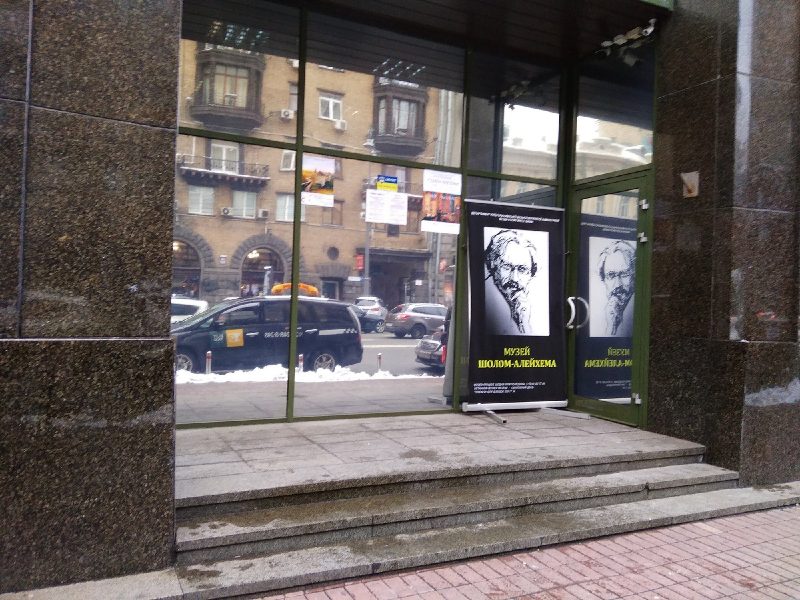 Sholem Aleichem Museum in Kyiv: Life of a Yiddish Classic
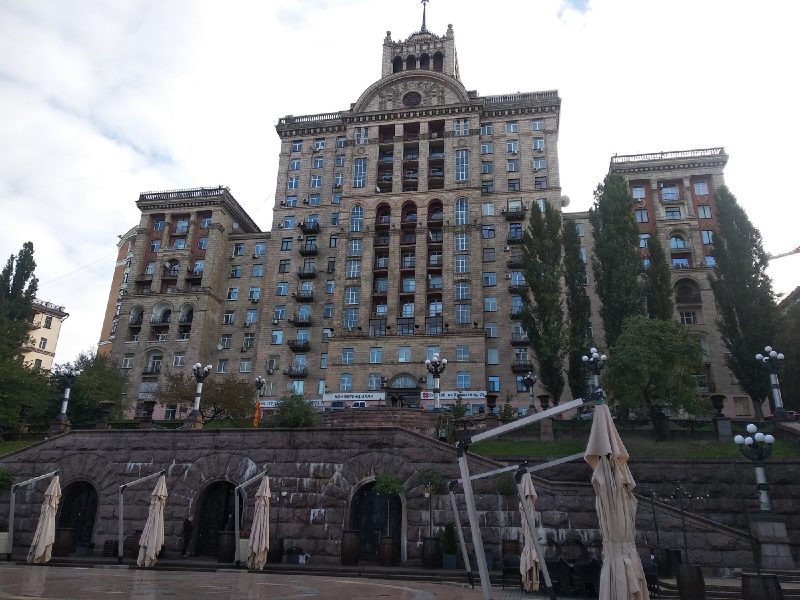 House with a Star, Khreshchatyk 25: History of Kyiv's Postwar Tower
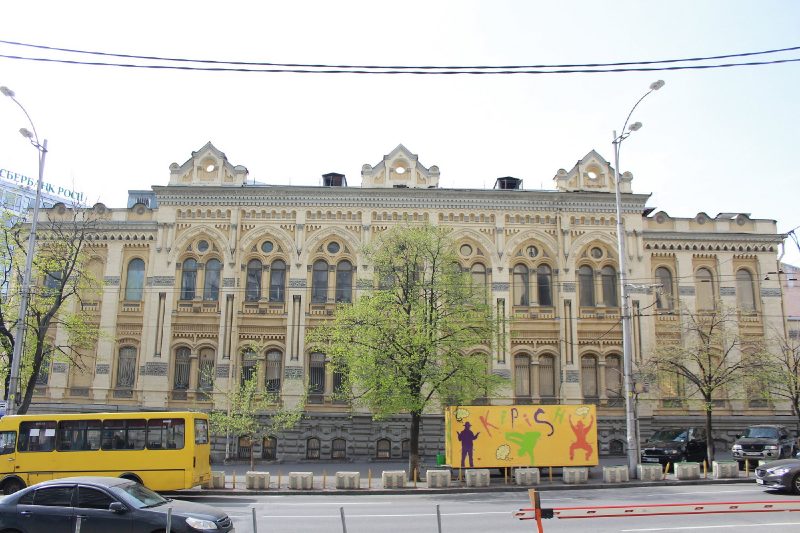 Brodsky Choral Synagogue in Kyiv: History and Architecture
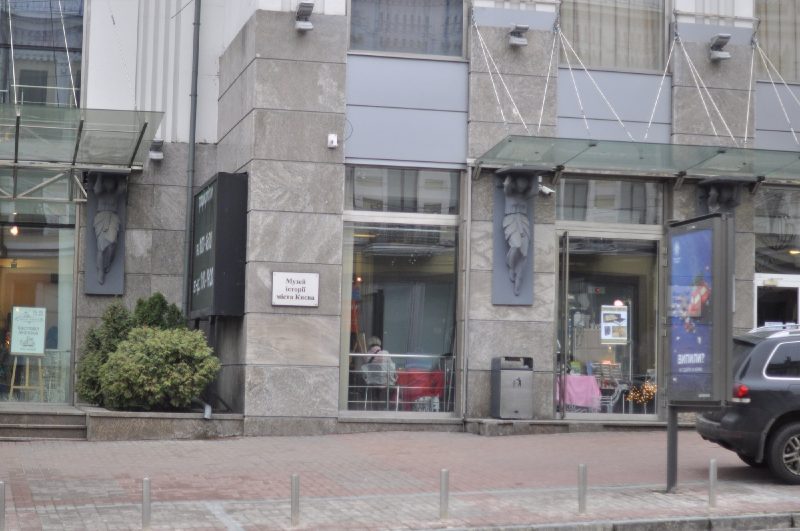 Museum of Kyiv History: From Podil to Bohdana Khmelnytskoho Street


This place is a stop on the walk: From Yaroslaviv Val to Bessarabka: theatres, cathedrals and gardens
Guide
Similar places
 Lesia Ukrainka Museum in Kyiv: The Kosach Family HomeVisit the Lesia Ukrainka Museum in Kyiv, the Kosach family home where the great Ukrainian poet lived, with her study, manuscripts, rare books and family heirlooms.
 State Toy Museum in Kyiv: A Trip Back to ChildhoodThe State Toy Museum in Kyiv holds some 15,000 toys, from a 19th-century doll to a vintage steam engine model, tracing a century of Ukrainian toymaking.
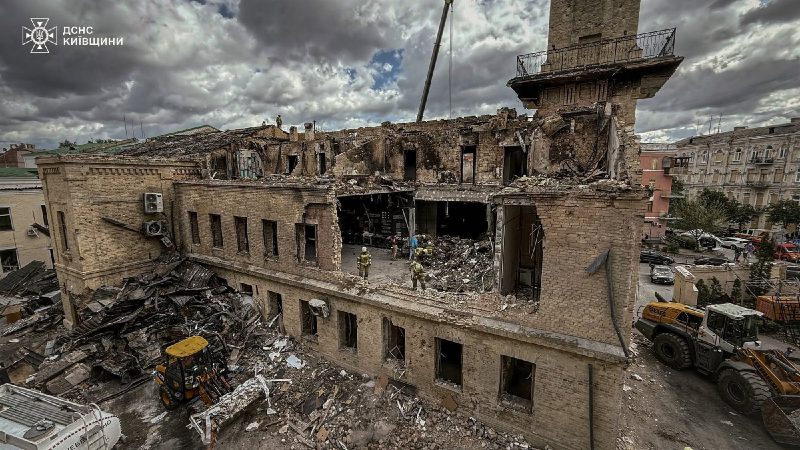 National Chornobyl MuseumA museum of the 1986 disaster housed in an old Podil fire station — from declassified files and liquidators' belongings to its partial destruction by a Russian missile in 2026.


