
Holodomor Genocide Museum

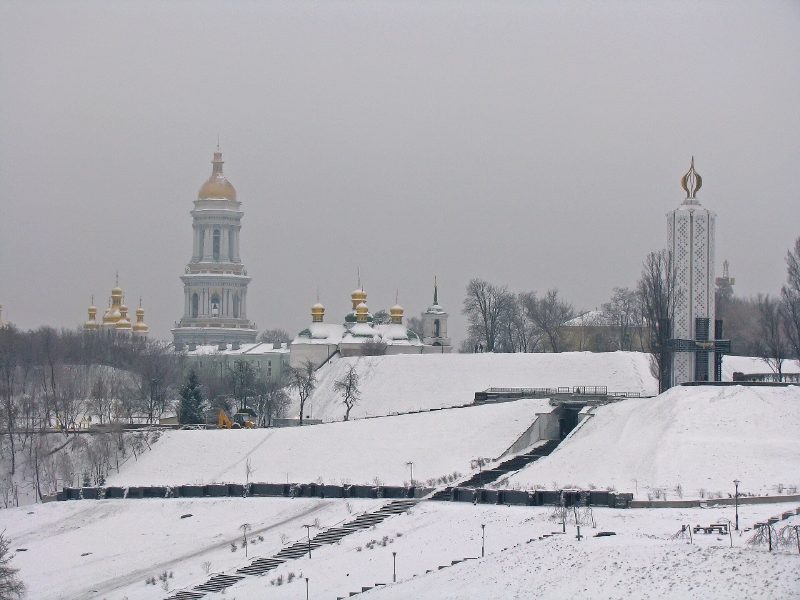
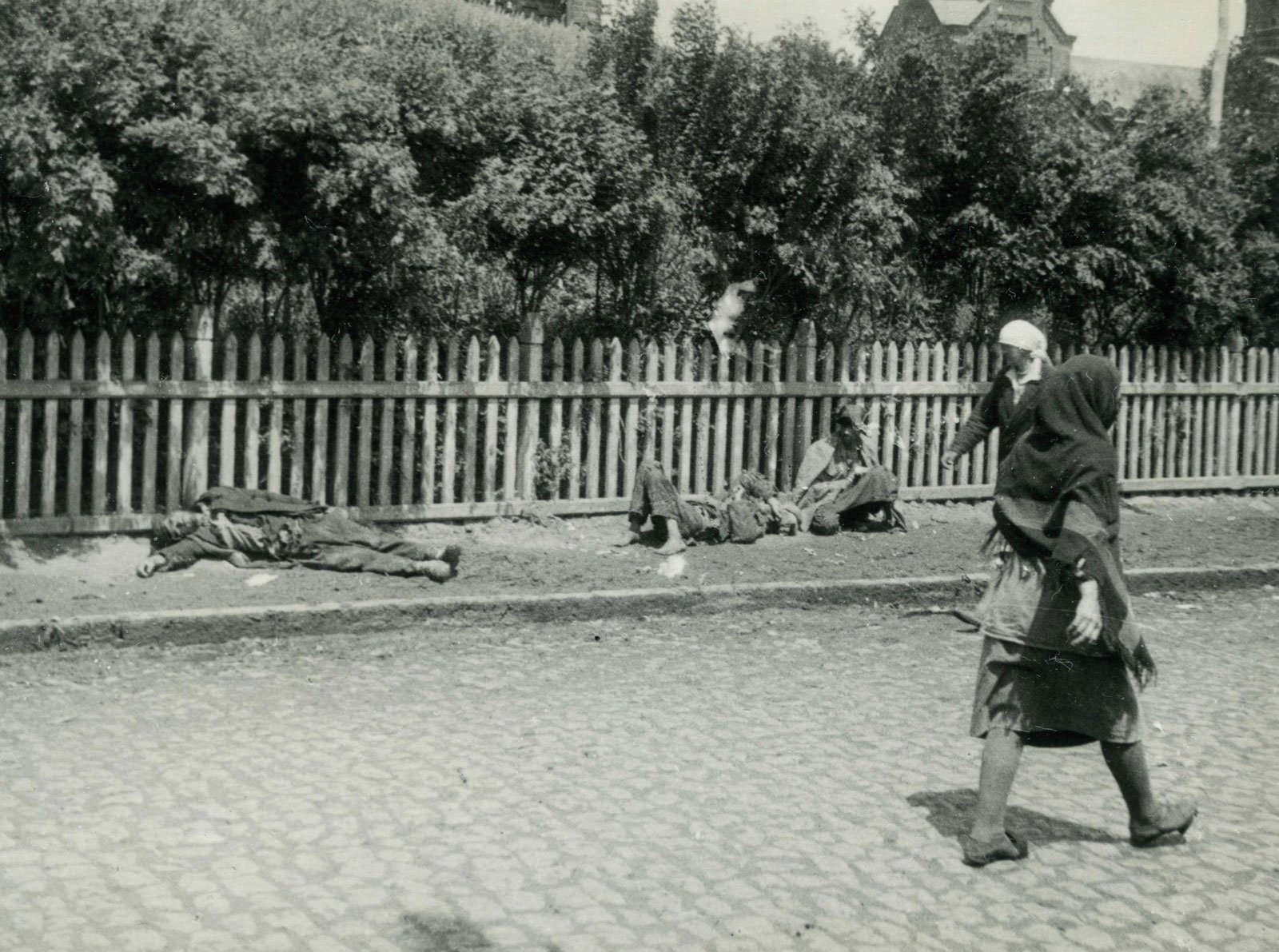
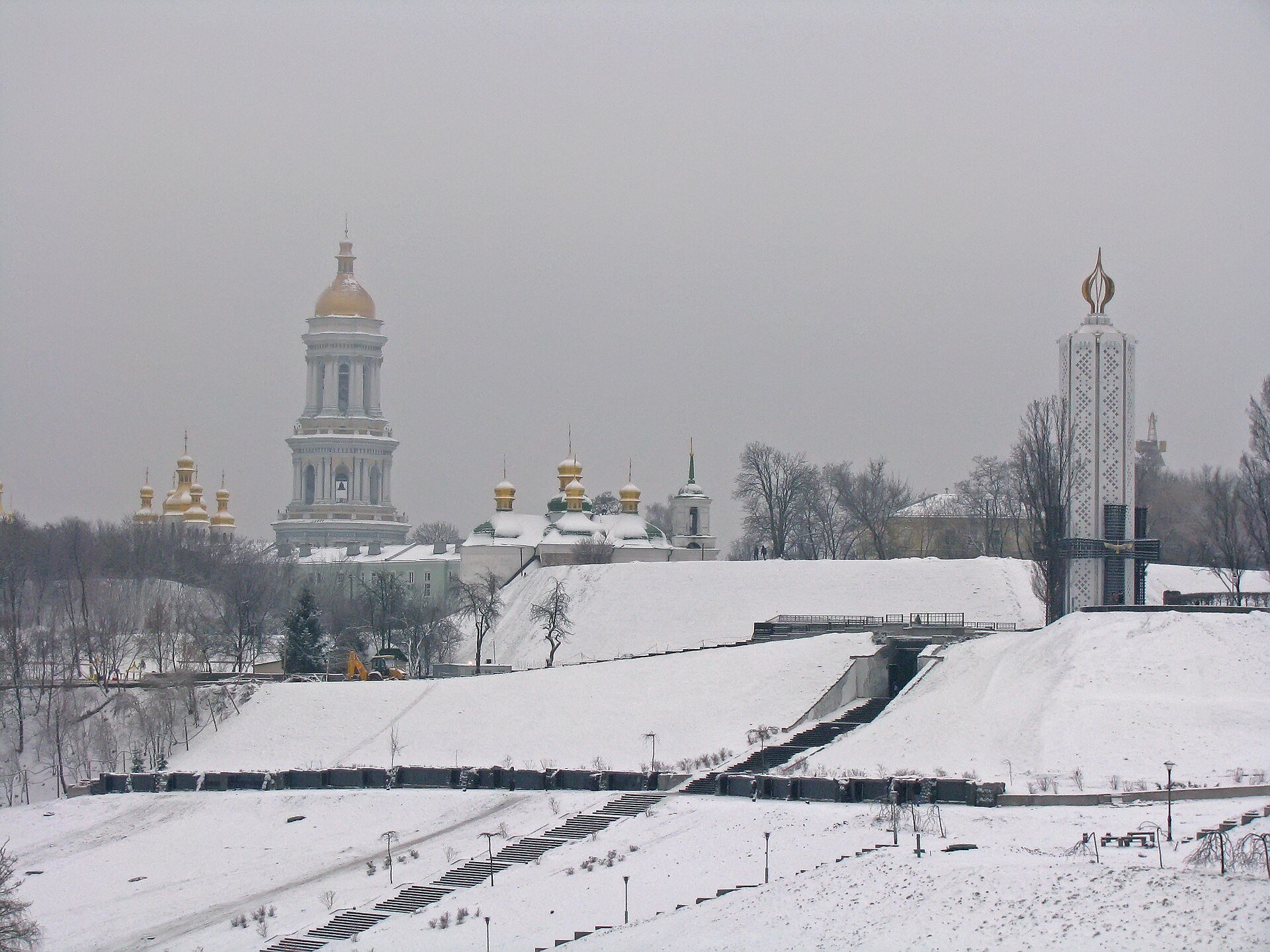
Ukraine's national memorial to the victims of the 1932–1933 Holodomor on the slopes by the Lavra: the 30-metre Candle of Memory, the girl with ears of wheat and the Alley of Black Boards.
A memorial on the slopes by the Lavra
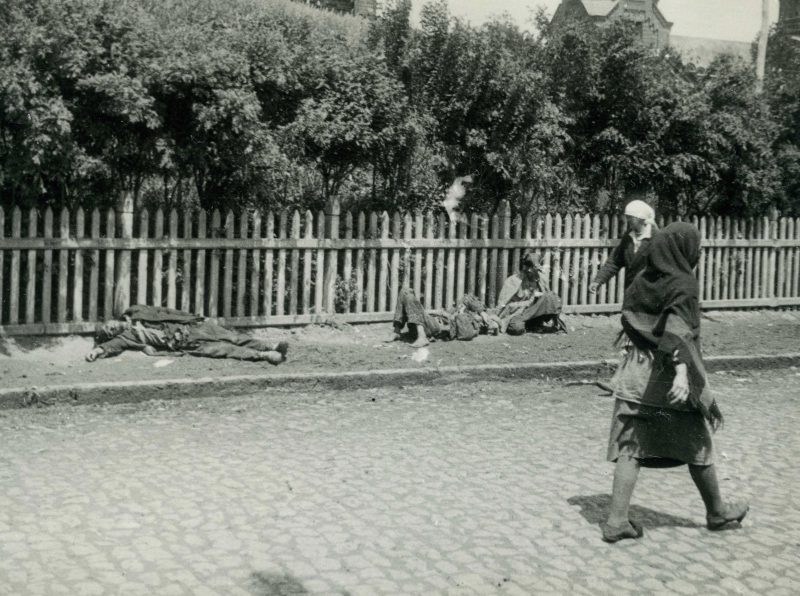
The memorial to the victims of the Holodomor stands on a slope of the Park of Eternal Glory, next to the Kyiv-Pechersk Lavra. In 2006 a design competition was won by the People's Artist of Ukraine Anatolii Haidamaka, who worked with the firm Proektni Systemy to plan a complex in two phases. The first phase was built in 2008 for the 75th anniversary of the 1932–1933 famine, and a year later the government set up a museum on its basis. On 18 February 2010, in one of his last decrees in office, President Viktor Yushchenko gave it national status.
The name has changed several times: first the Memorial to the Victims of Famines in Ukraine, from 2015 the Holodomor Victims Memorial, and since 2019 the National Museum of the Holodomor-Genocide. The switch to the singular has a legal point: in Ukraine the status of genocide applies to the Holodomor of 1932–1933, while the famines of 1921–1923 and 1946–1947 are classed as mass famines.
Symbols of the memorial
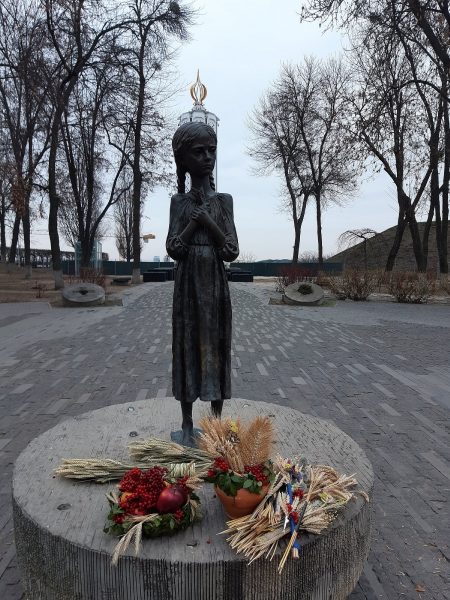
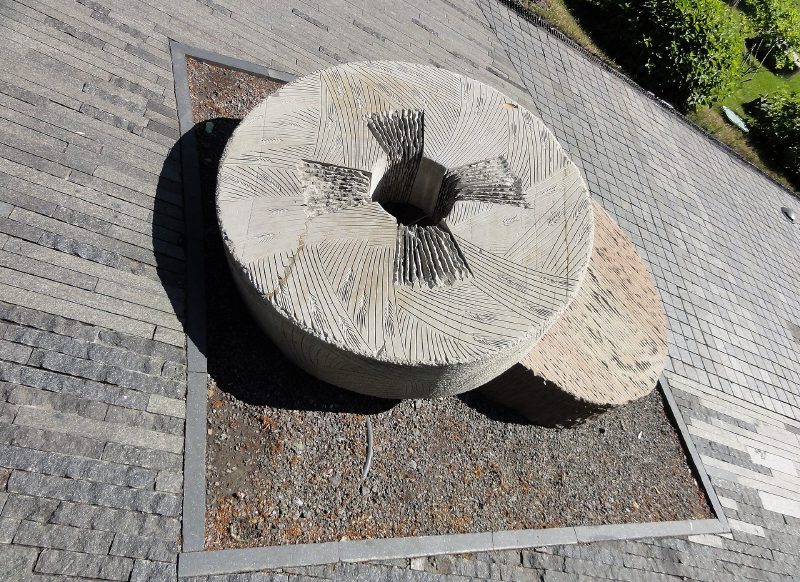
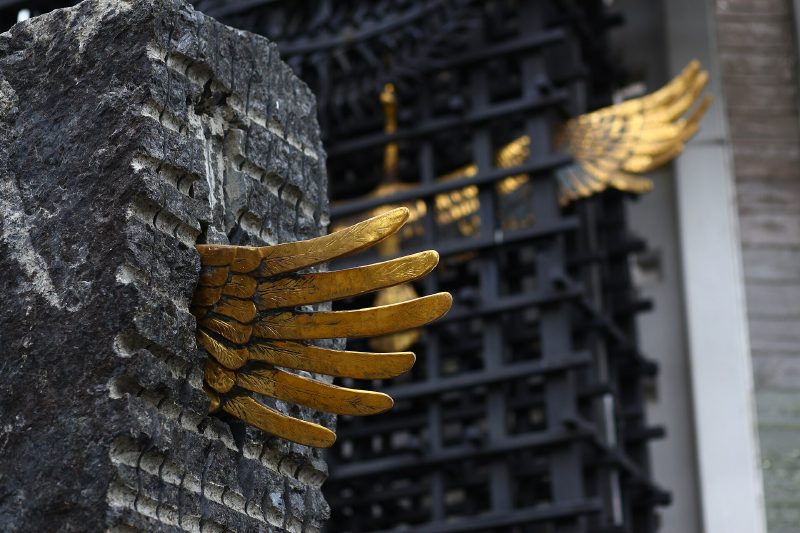
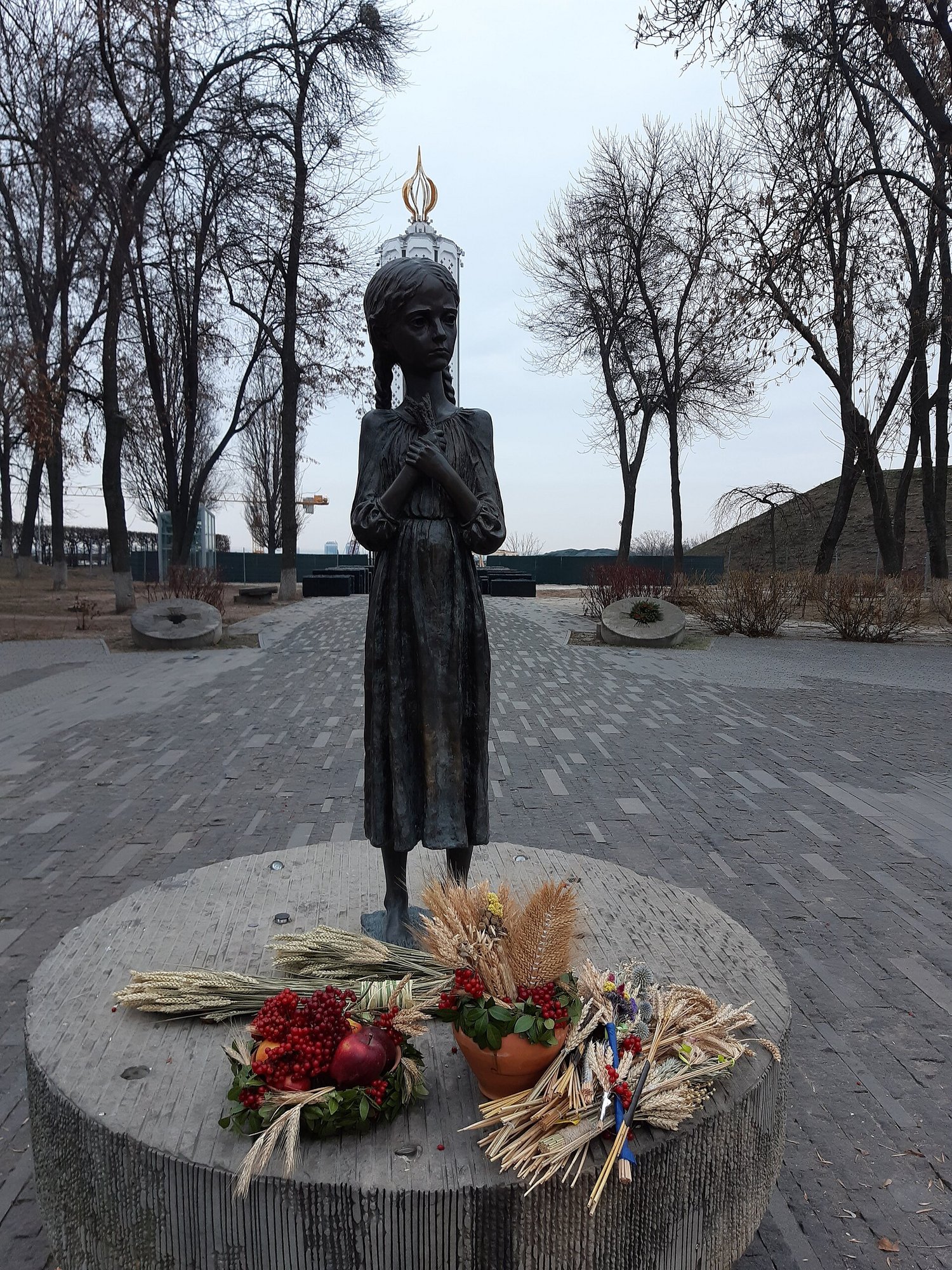
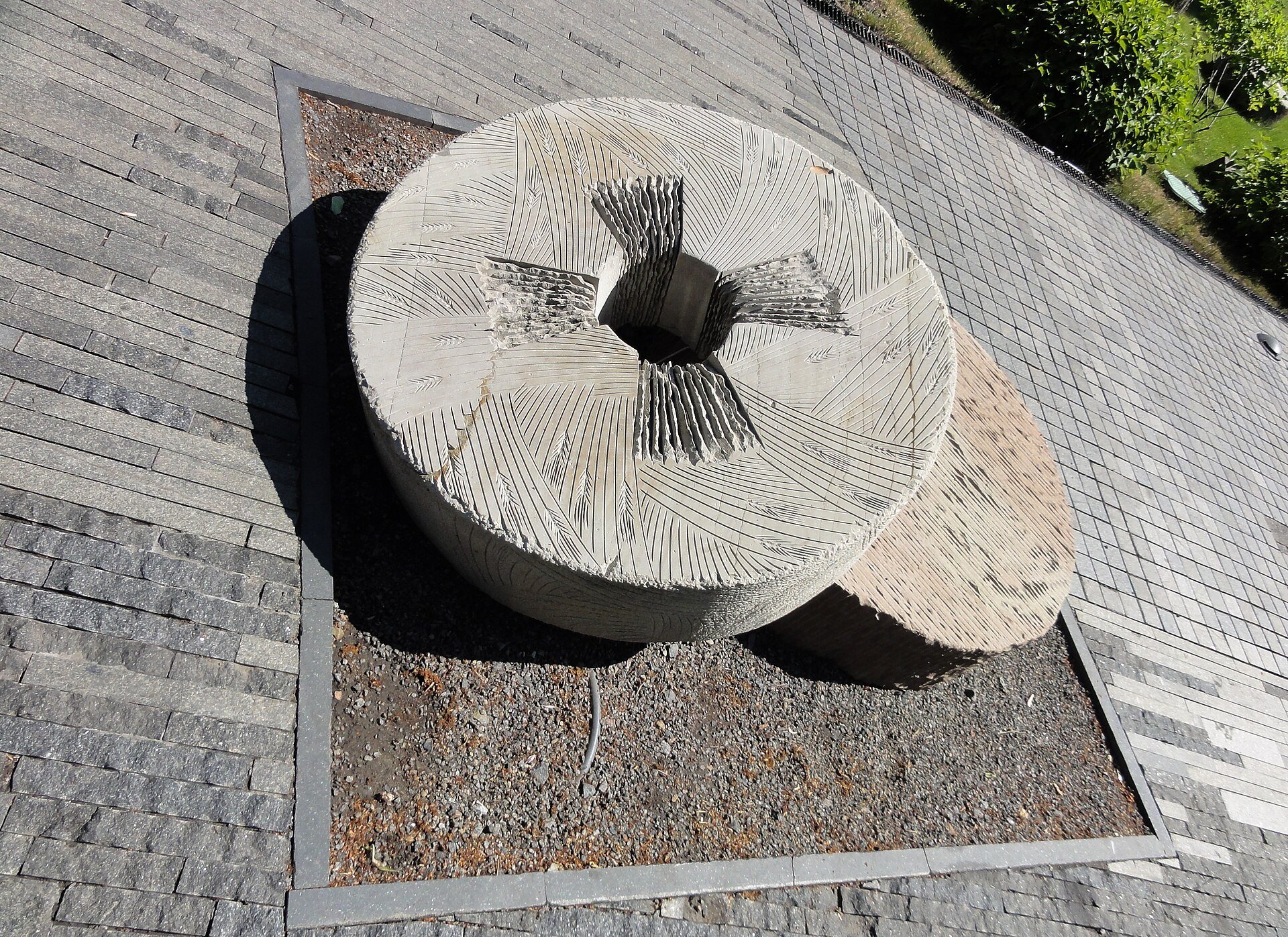
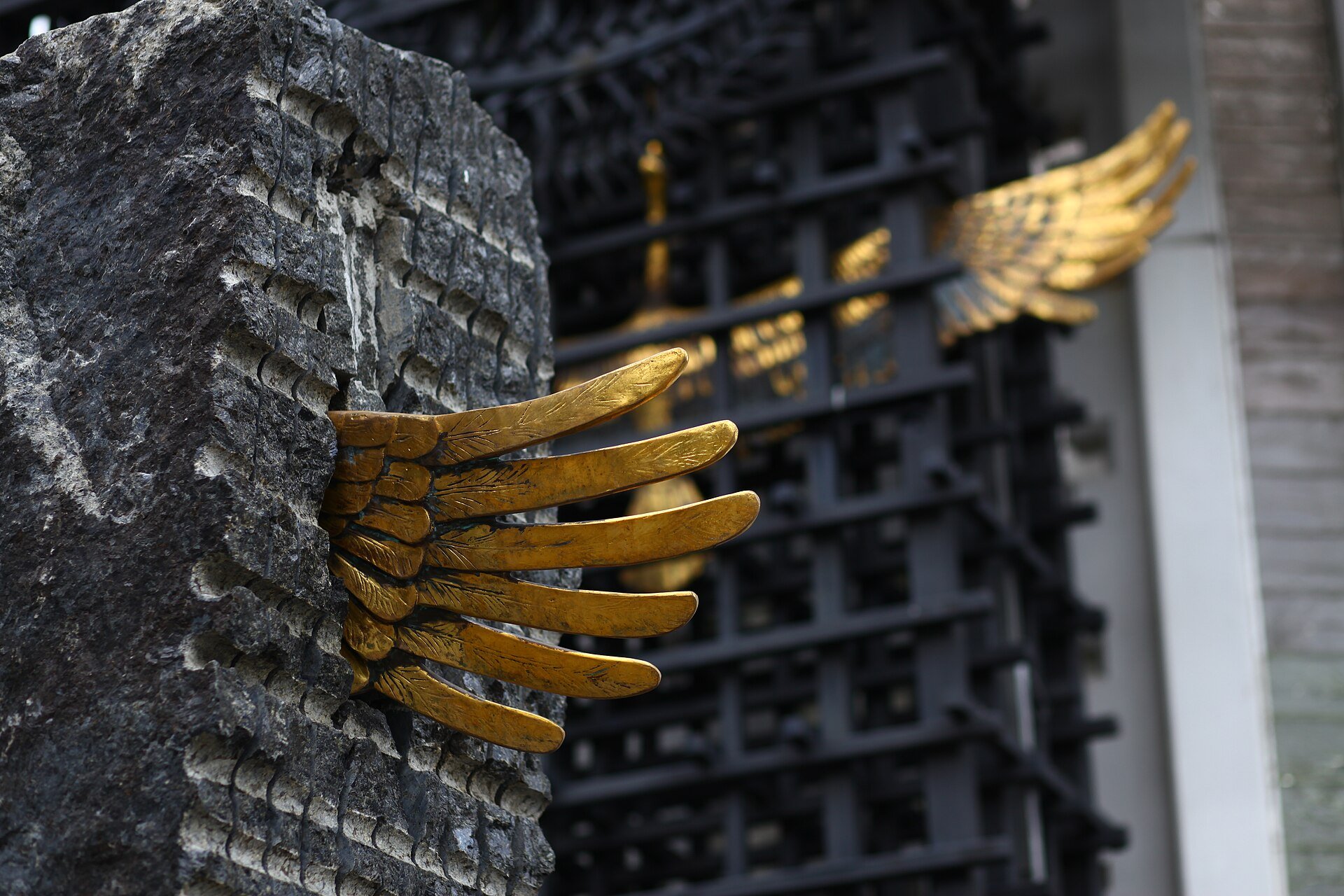
Two sculpted angels guard the entrance. Beyond them lies the Millstones of Fate square: during the Holodomor, activists smashed and confiscated hand mills so that villagers could not grind even a handful of grain. At its centre stands a bronze girl holding five ears of wheat, "Bitter Memory of Childhood" by the sculptor Petro Drozdovskyi. The ears recall Stalin's "law of five ears of grain", under which people were convicted for picking a few stalks on a collective farm field. Copies of the statue stand in Winnipeg and at other memorials in Ukraine and the diaspora.
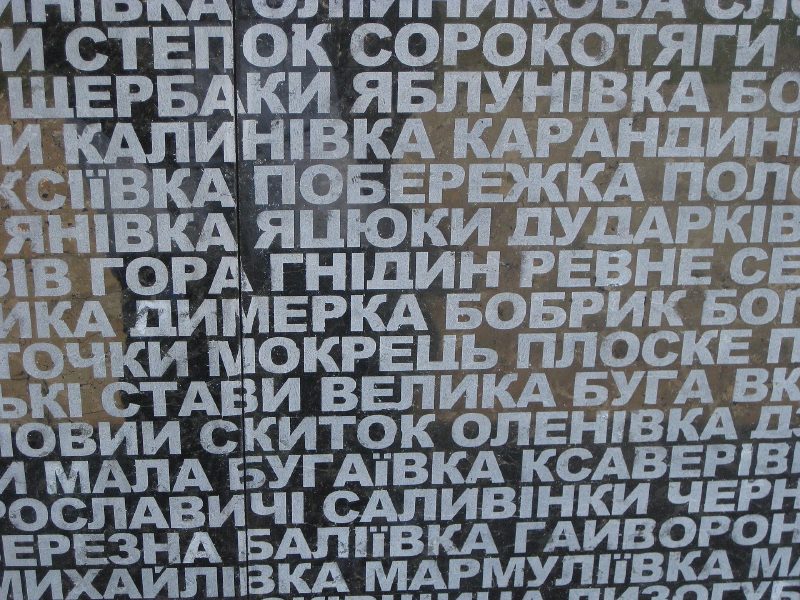
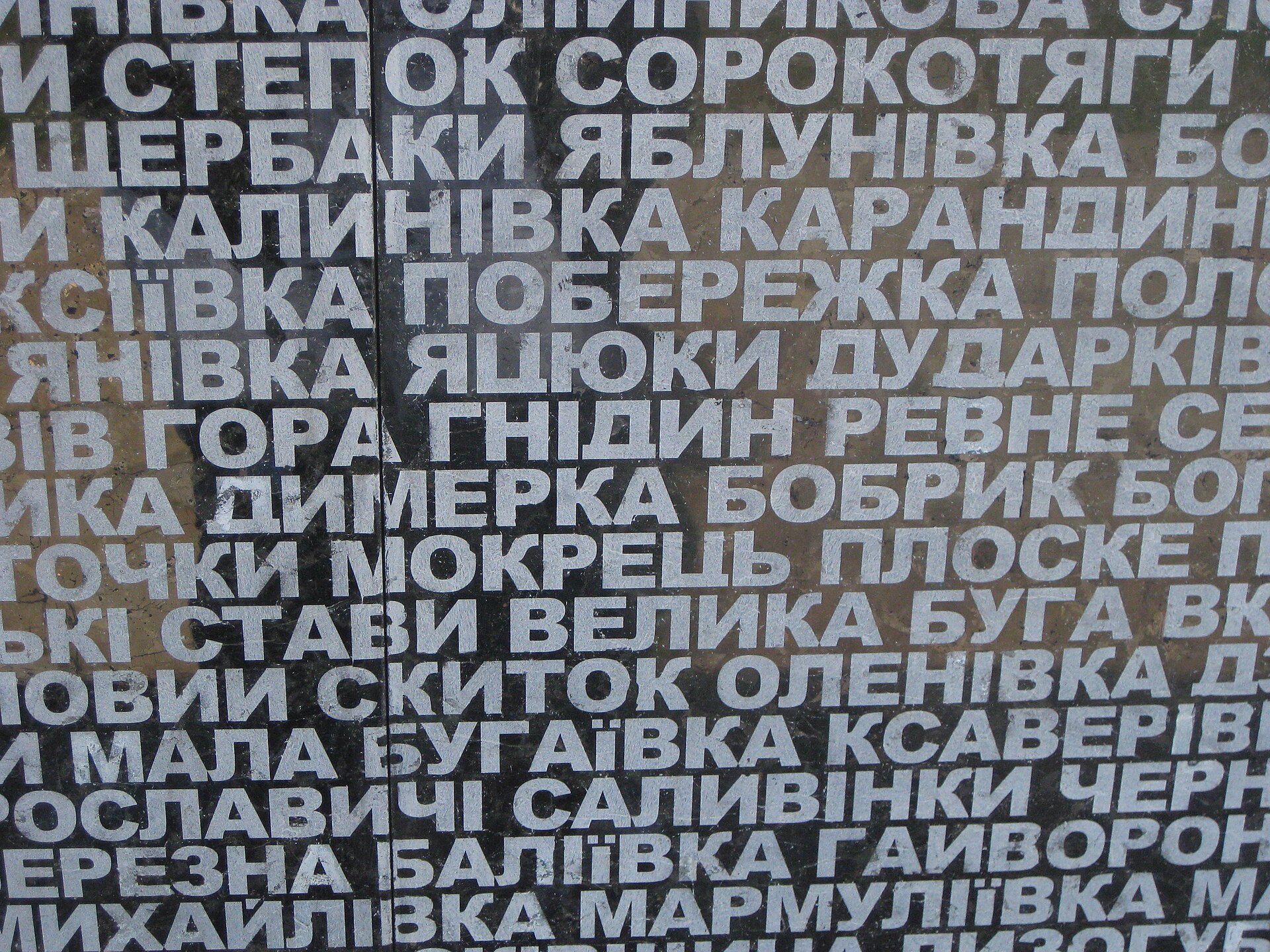
Above it all rises the 30-metre Candle of Memory, decorated with glass crosses of different sizes, small ones for children who died and larger ones for adults. Its base is formed by black metal crosses that resemble prison bars. In front of the Candle is "Thirst for Freedom", a stork breaking out of a stone vice. From the Candle runs the Alley of Black Boards, granite slabs carved with the names of villages put on the Soviet "black boards" in 1932–1933; researchers have identified about 14,000 so far.
The Hall of Memory
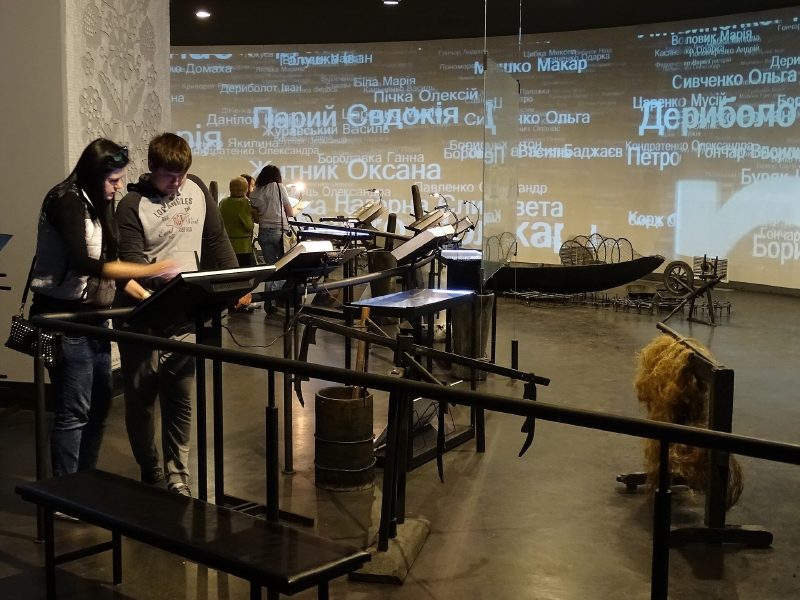
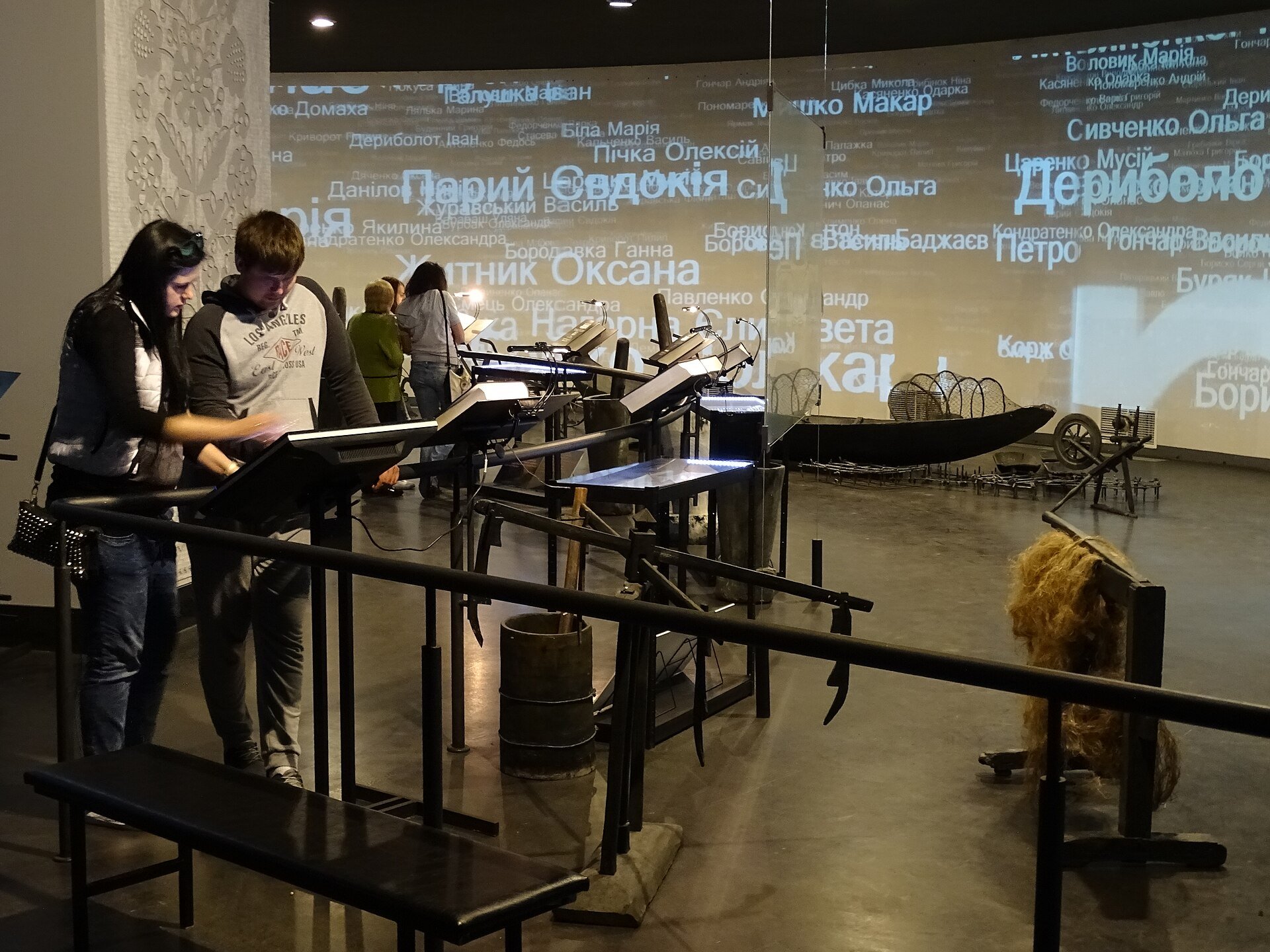
Beneath the Candle is the Hall of Memory, in effect the museum's first exhibition. It holds peasant household objects of the 1920s and 1930s gathered in affected villages and the volumes of the National Book of Memory, with the names of almost 900,000 people who died in 1932–1933. The display was renewed in 2021 with interactive screens showing the Digital Atlas of the Holodomor, letters a foreign engineer sent from Soviet Ukraine in 1932–1933, material on peasant resistance to collectivisation, and a 3D-mapping video in which a girl called Oksanka tells her family's story. The audio guide is available in dozens of languages.
The second phase and the museum in wartime
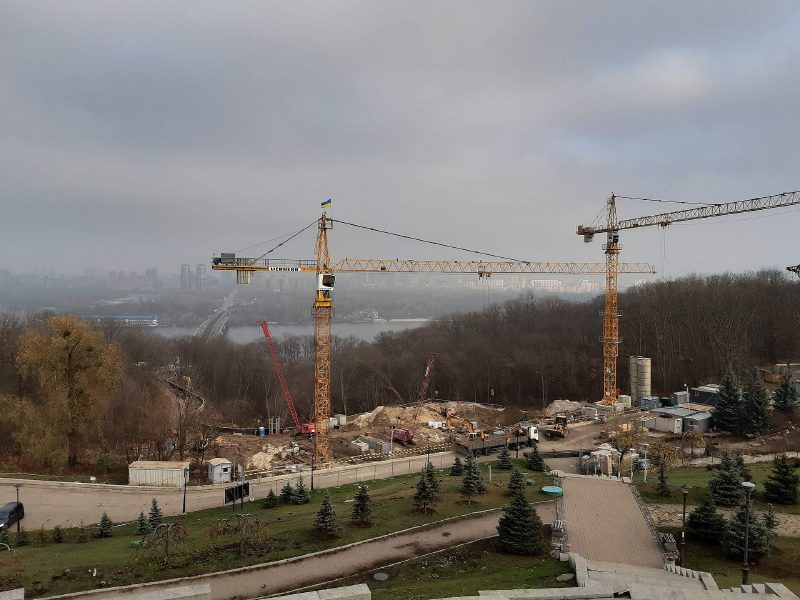
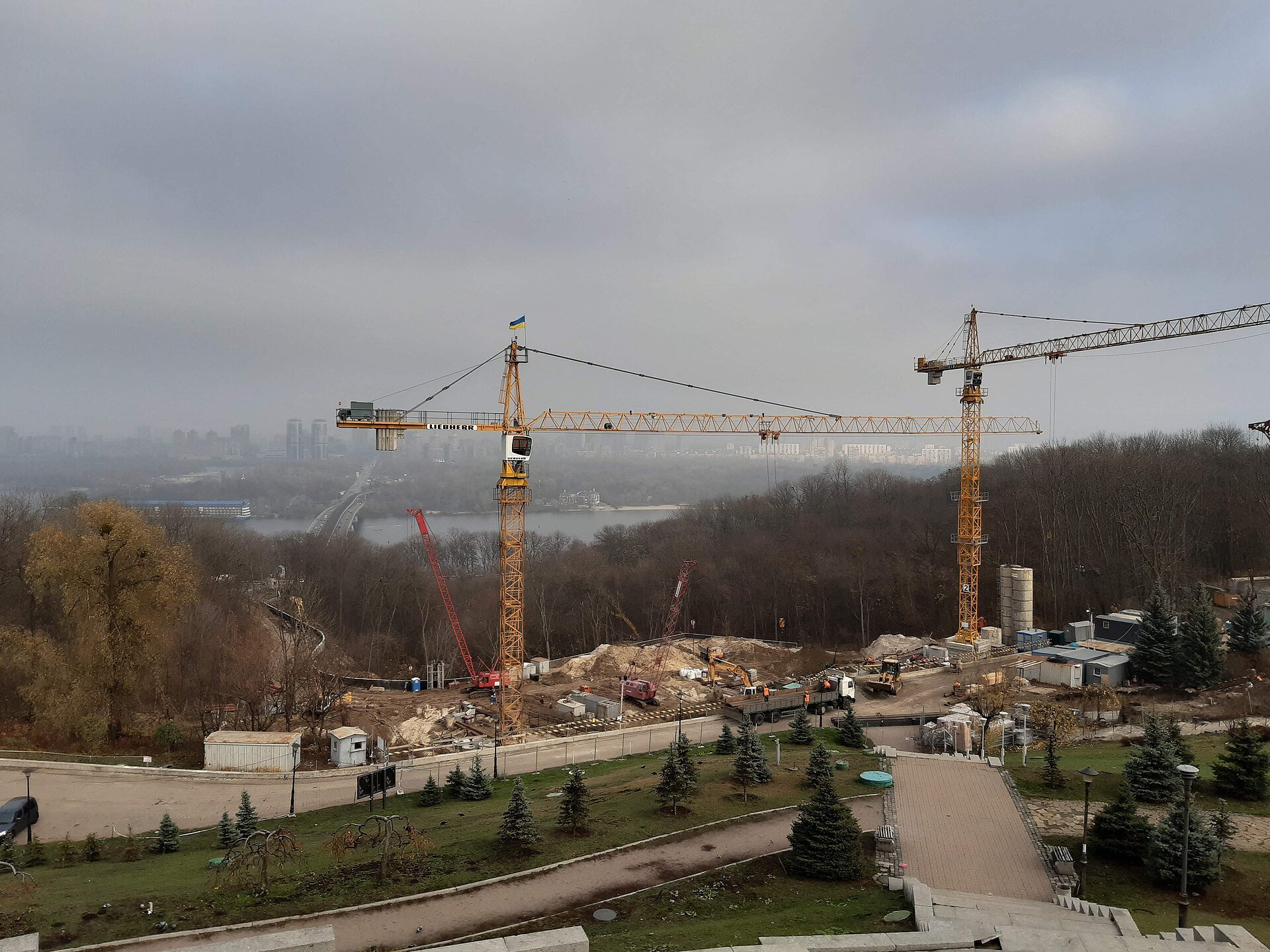
The memorial was always meant to be only the first part of the complex. Work on the second phase, a full museum with exhibition halls, an archive and a research centre, began in 2017 but was not finished on schedule. In 2023 Ukraine agreed co-funding with the government of Canada, and in 2024 the Verkhovna Rada added articles to the law on museums that gave the museum supervisory and expert boards with international and diaspora members. As of 2026 the second phase has still not opened.
The museum has stayed open during the full-scale war and runs online tours for Ukrainian schoolchildren abroad. Every year on the fourth Saturday of November, the Holodomor Remembrance Day, the country's leaders, foreign delegations and thousands of Kyivans come here, and at 16:00 candles of memory are lit across Ukraine.
Visiting
You can walk round the memorial freely, from the entrance on Ivana Mazepy St to the Candle and on along the Alley of Black Boards. Leave time for the Hall of Memory under the Candle: the display is small but needs careful attention. From here it is only a few minutes' walk to the Holy Gate of the Lavra.
Photo gallery · 8 photos
Through the years
-
-
-
-
-
-
-
-
Video
Holodomor Genocide Museum on screen
Ідемо в музей. Національний музей Голодомору-геноциду — Суспільне Культура · YouTube


Guide
Similar places
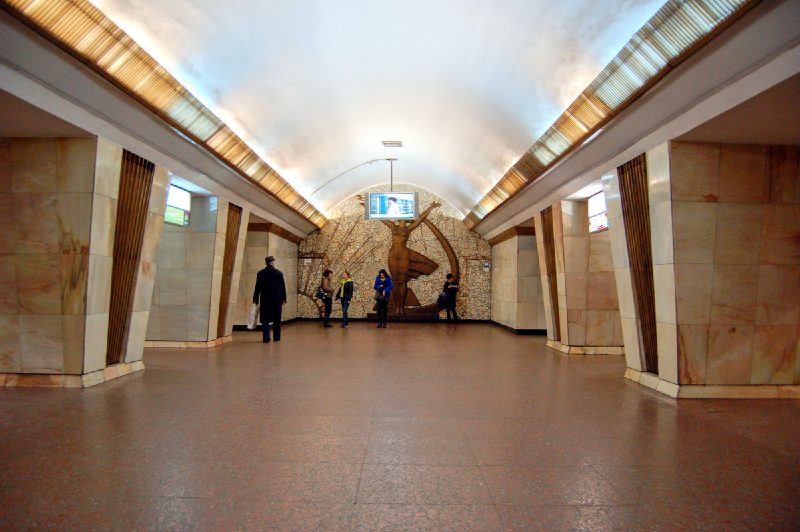 Kyiv Metro Museum: The Story of the City's SubwayDiscover the Kyiv Metro Museum: three halls of photos, documents, train models, rare tickets and a working depot model that tell the story of the city's subway.
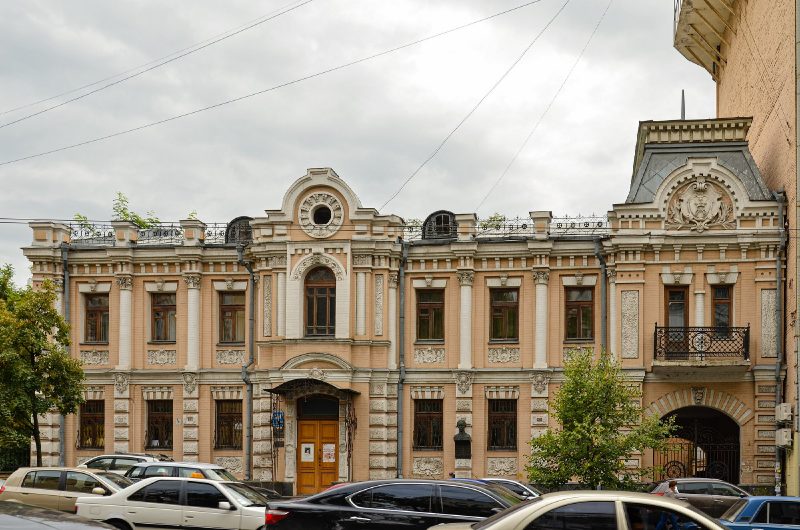 Lesia Ukrainka Museum in Kyiv: The Kosach Family HomeVisit the Lesia Ukrainka Museum in Kyiv, the Kosach family home where the great Ukrainian poet lived, with her study, manuscripts, rare books and family heirlooms.
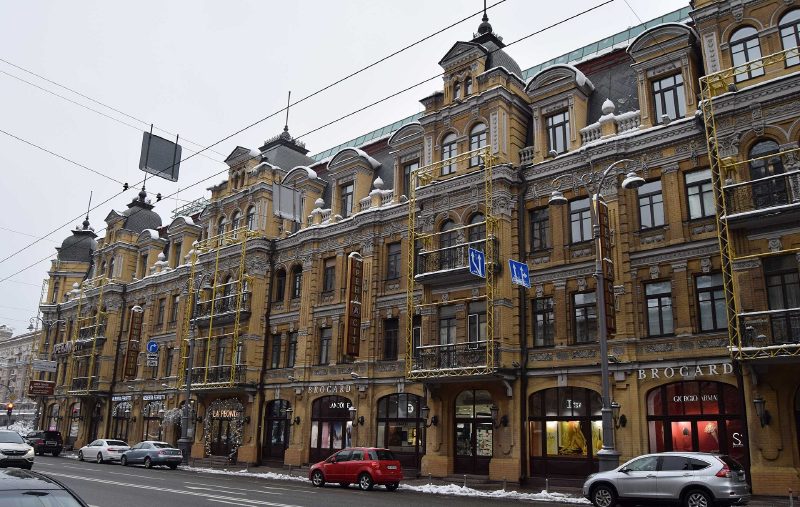 PinchukArtCentreA private contemporary art centre at Besarabka, opened in 2006: shows by international and Ukrainian artists, the Future Generation Art Prize, and free admission.


