
Mystetskyi Arsenal

A late-18th-century fortress arsenal built on the site of Mazepa's mother's convent, now Ukraine's flagship exhibition venue and home of the Book Arsenal festival.
The Ascension Convent
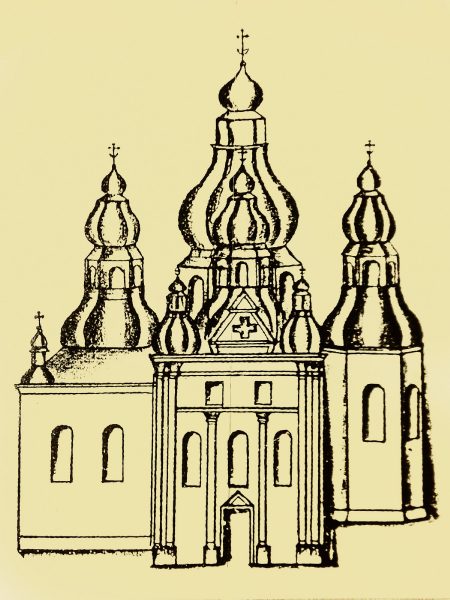
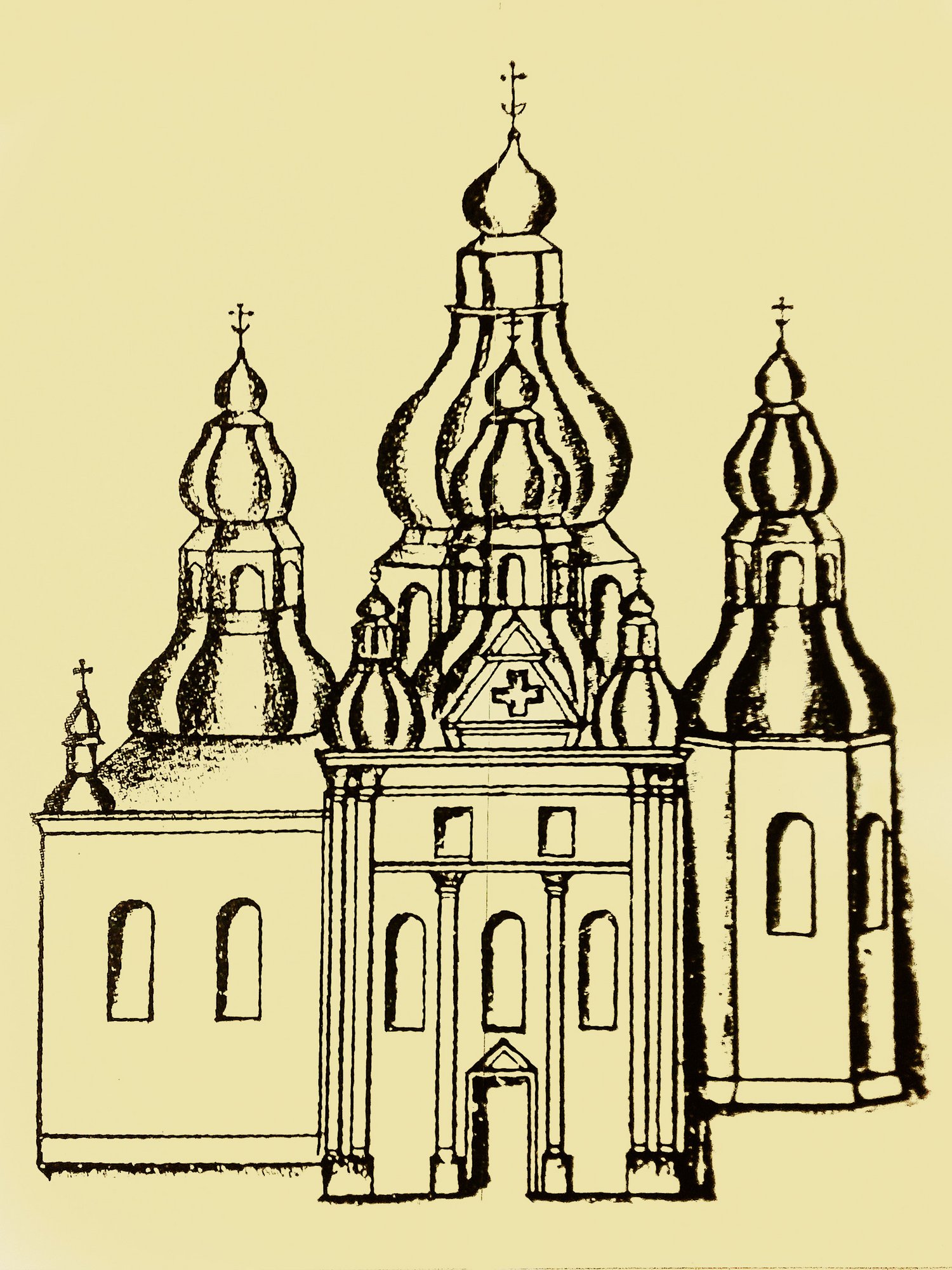
Long before cannon and workshops, this was the site of the Ascension Convent, a community of nuns that had lived beside the Pechersk monastery since at least the 1540s. It flourished at the turn of the 18th century, when its abbess was Mariia Mahdalyna, the mother of Hetman Ivan Mazepa. In 1701–1705 she paid for a stone five-domed Ascension Cathedral and a bell tower to replace the wooden church. Once the Pechersk Fortress was built around it, the convent was closed in 1712 and the nuns moved to the Florivskyi Convent in Podil. Its buildings first served as an artillery store, and from 1768 as a gun yard where cannon were repaired and cast.
The fortress arsenal
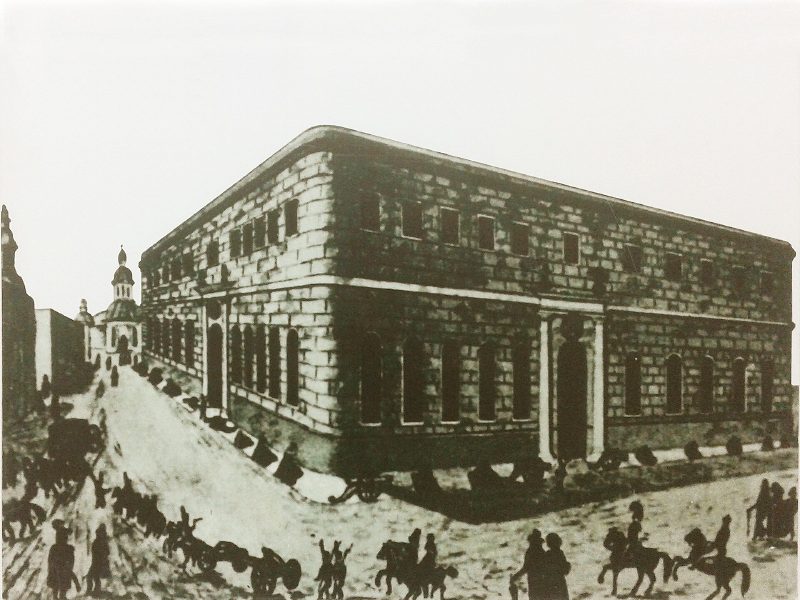
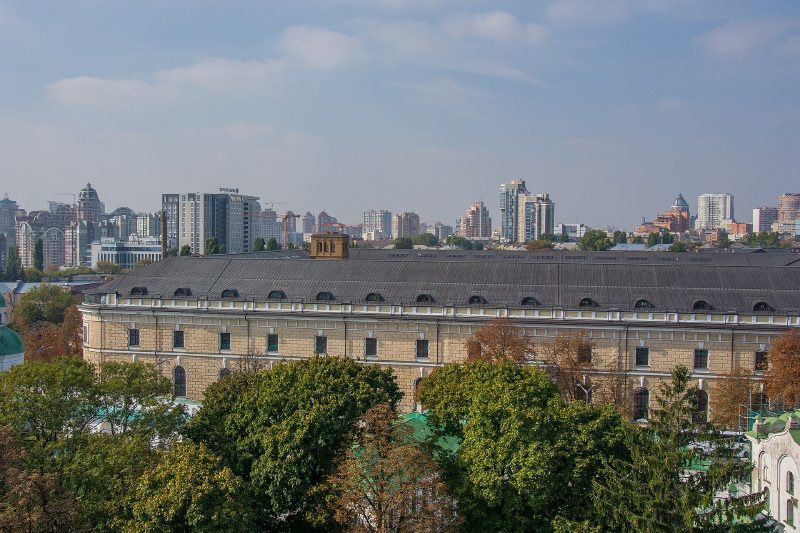
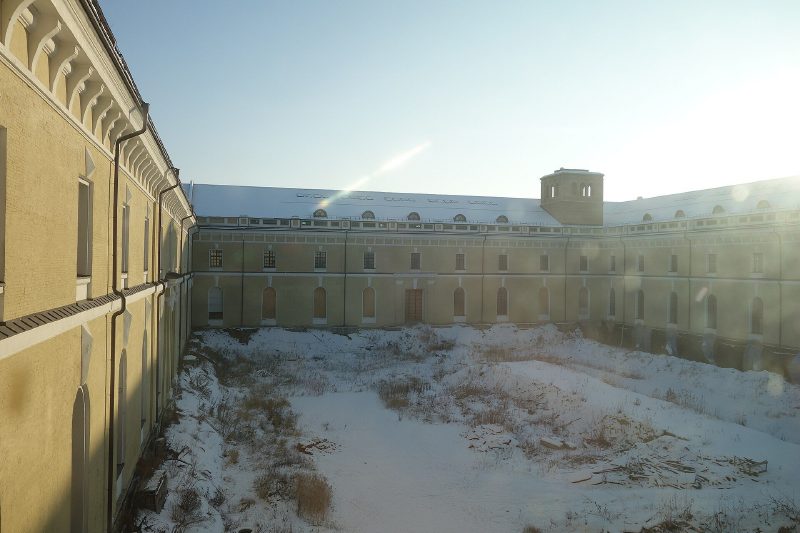
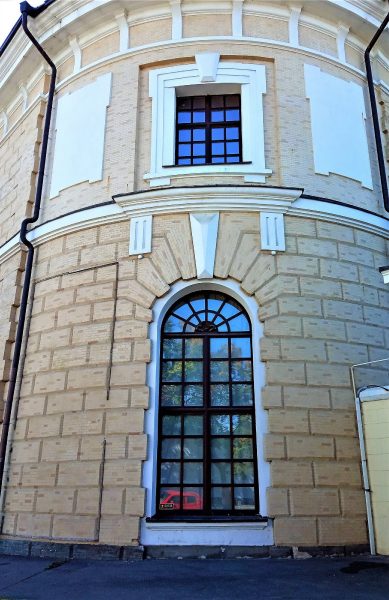
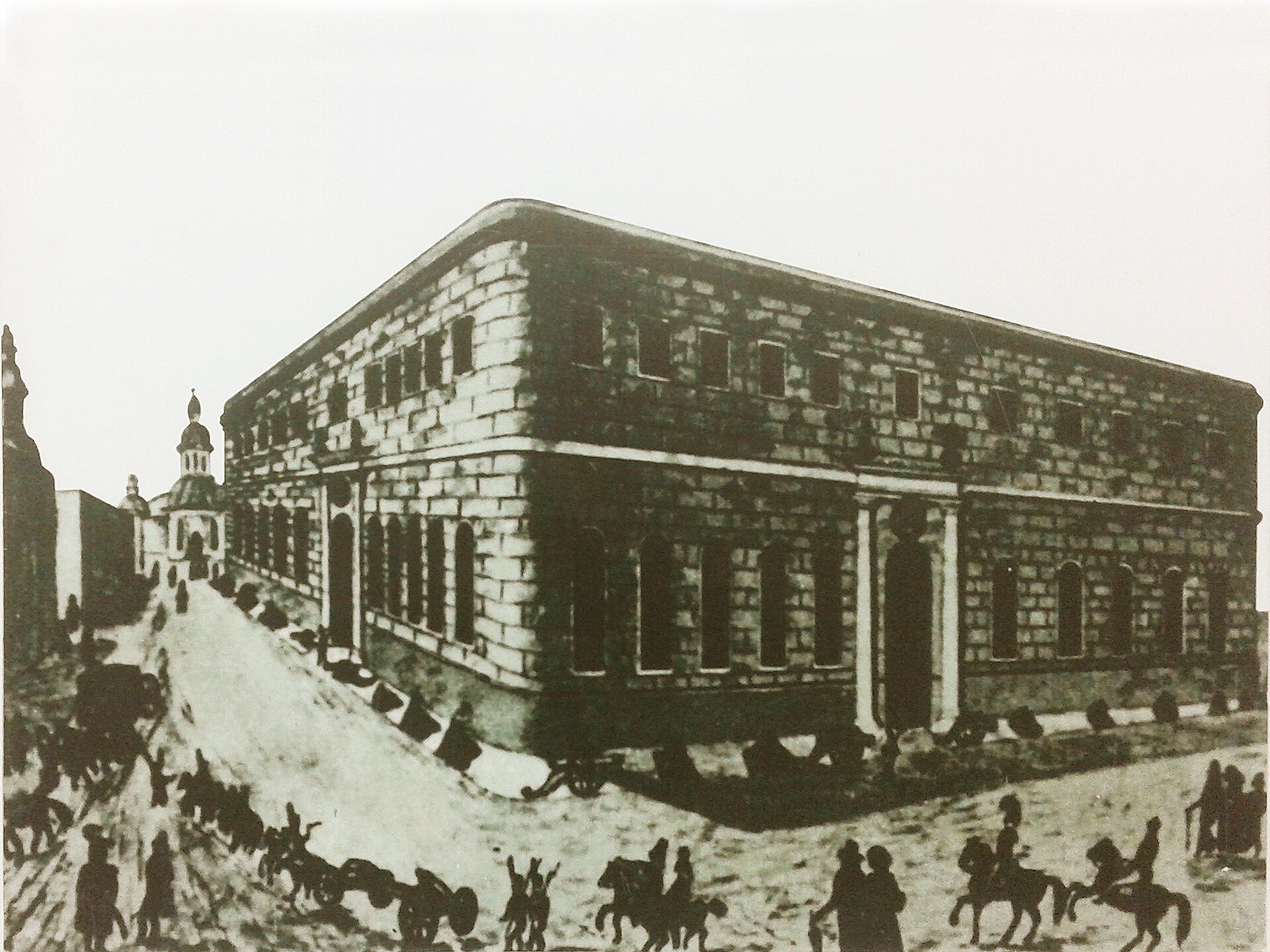
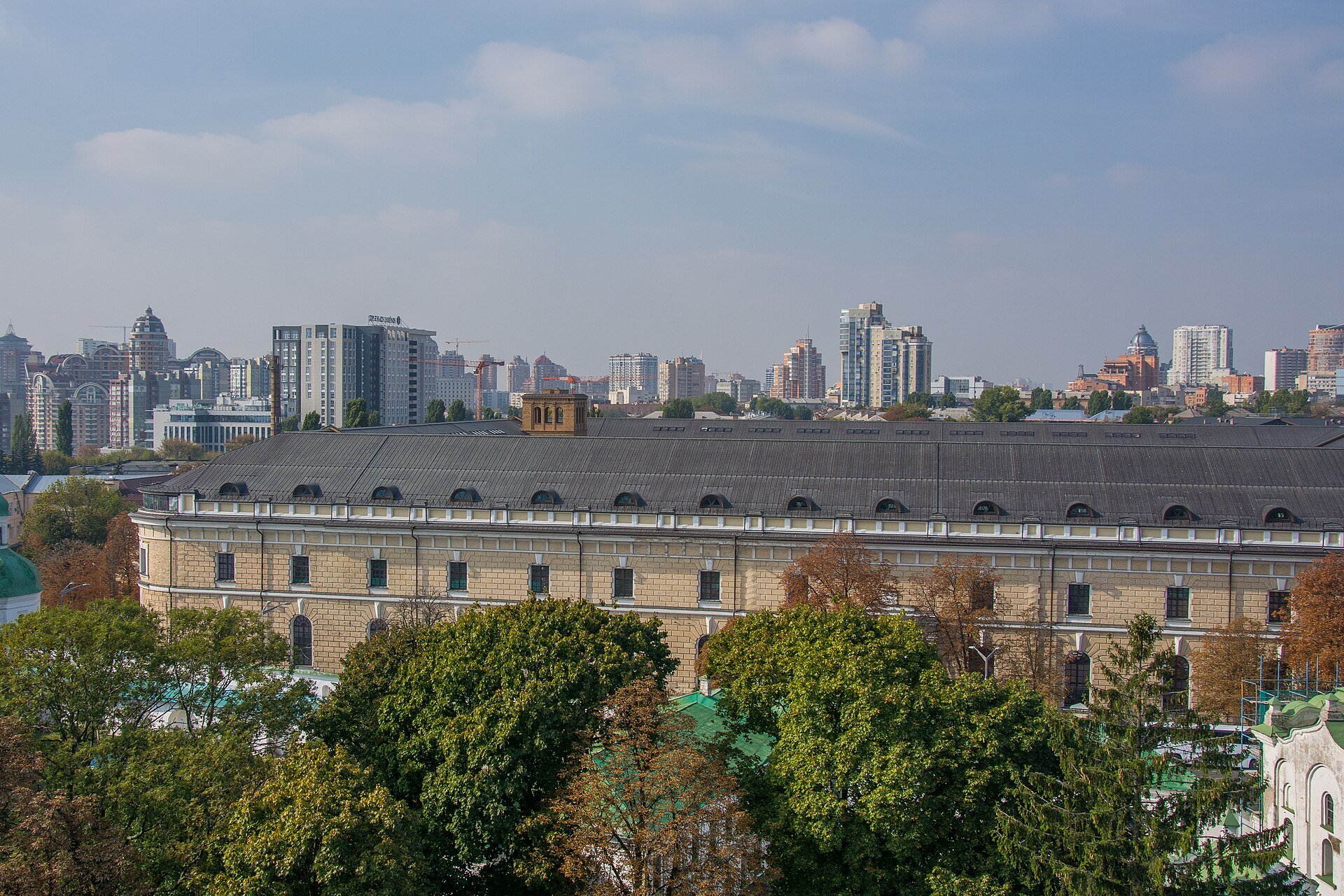
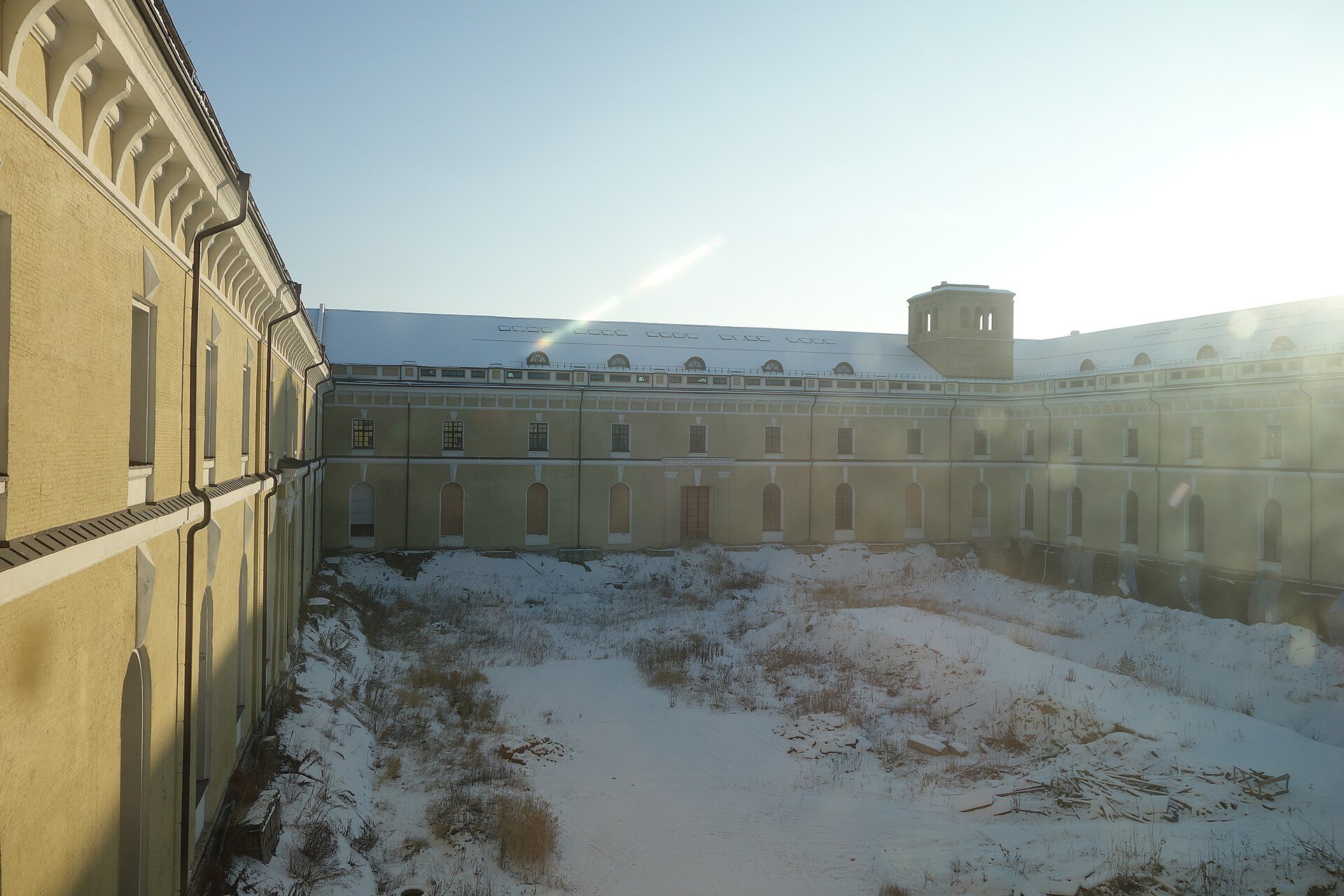
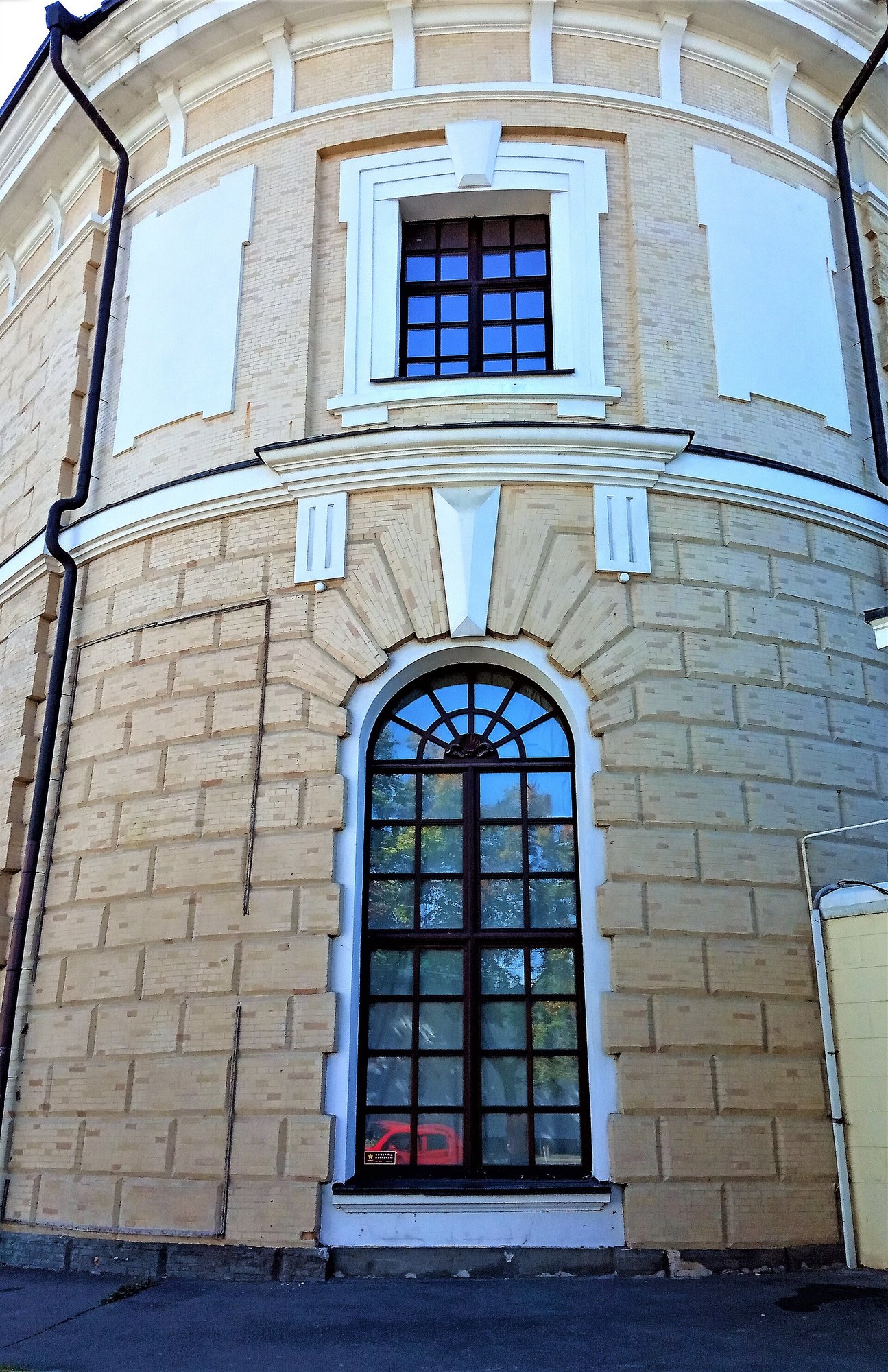
The arsenal building was begun in 1784. In 1797 the military signed a contract with a Kyiv merchant, Hryhorenko, to pull down the Ascension church and finish the work, and the arsenal was handed over to the artillery command in 1803. The result was a huge rectangle, 168 by 135 metres, with rounded corners, an inner courtyard and four gates on the axes of the façades. The walls, about two metres thick, are built of pale yellow Kyiv brick, which earned it the nickname "the porcelain arsenal". It is Kyiv's first Neoclassical building, though the rounded corners and portal niches still recall the Baroque.
The ground floor held workshops and a guardroom, and the upper floor a drawing office, administration and stores. Cannon and gun carriages, shot, grapeshot, swords and harness were made and repaired here; in 1817 the arsenal stored 46,000 new muskets. Production later moved to the Arsenal plant's new buildings by the square that still bears its name. It was there, not in the old building, that the Bolshevik uprising against the Central Rada broke out in January 1918. The old building stayed in military hands, housing a repair plant into the early 2000s, even though it had been listed as an architectural monument in 1979.
From factory to museum complex
Mystetskyi Arsenal was the idea of President Viktor Yushchenko: the government founded the complex in 2005, and in 2006 the military site was handed over to the city. Excavations in the courtyard in 2005–2009 uncovered the foundations of the Ascension church and a cemetery with more than 260 burials of nuns, possibly including Mariia Mahdalyna's grave. The first exhibitions were held in 2007, and in August 2009 came "De profundis", a major show of Ukrainian sculpture. On 3 February 2010 the complex was given national status.
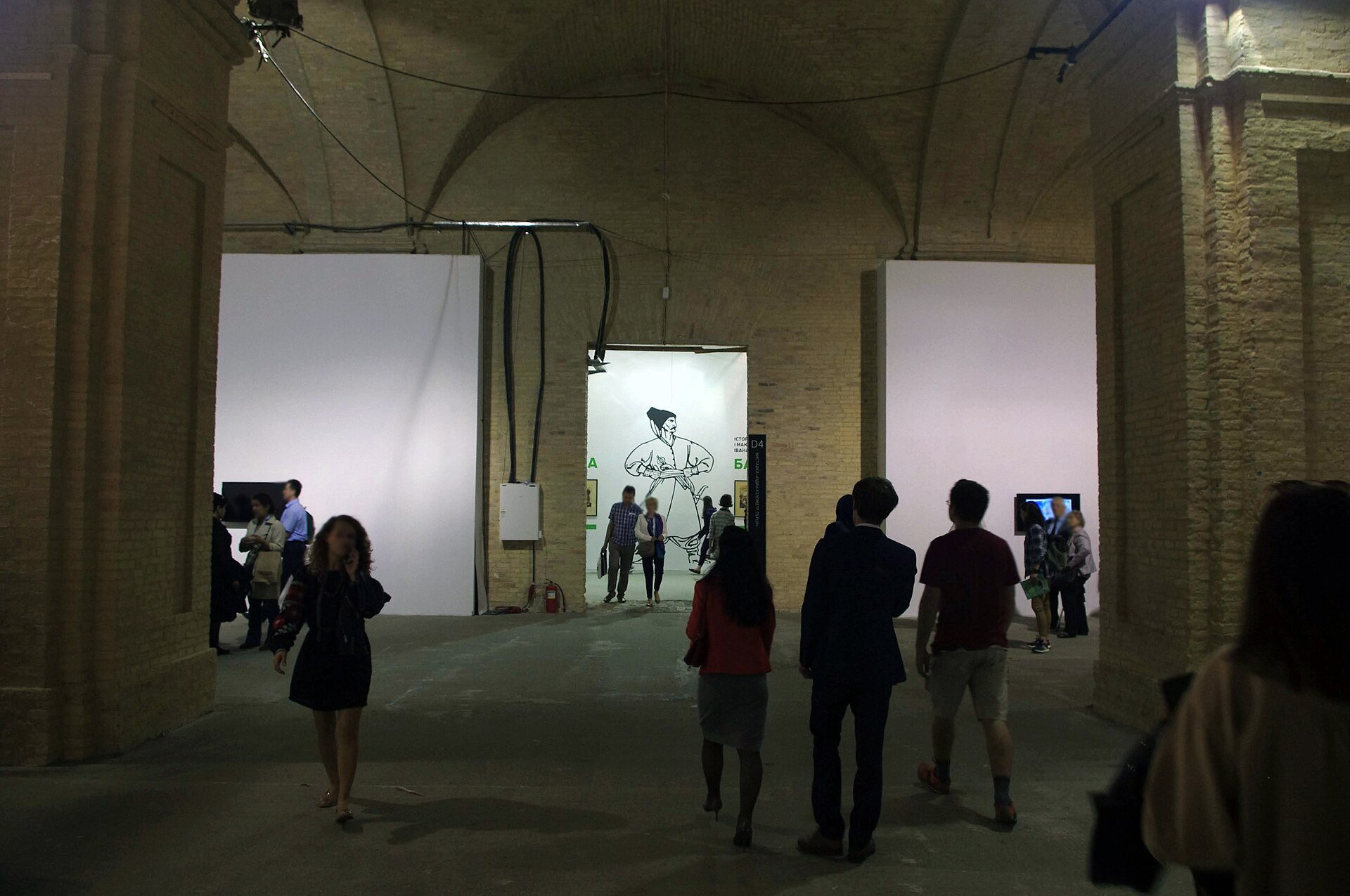
Over fifteen years Mystetskyi Arsenal became one of Ukraine's leading cultural institutions. It has hosted the Arsenale biennial, major exhibitions of Maria Prymachenko, Mykhailo Boichuk and his school, Kazimir Malevich and Ivan Marchuk, surveys of the Ukrainian avant-garde, as well as Ukrainian Fashion Week and theatre premieres.
Book Arsenal
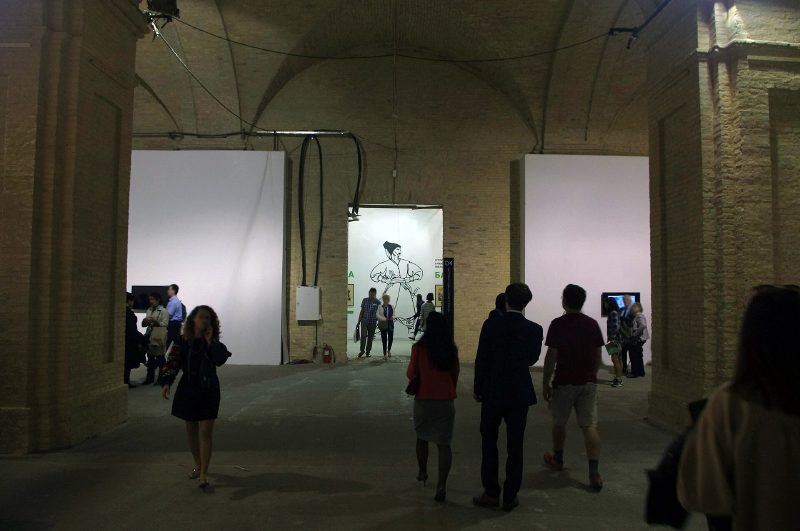
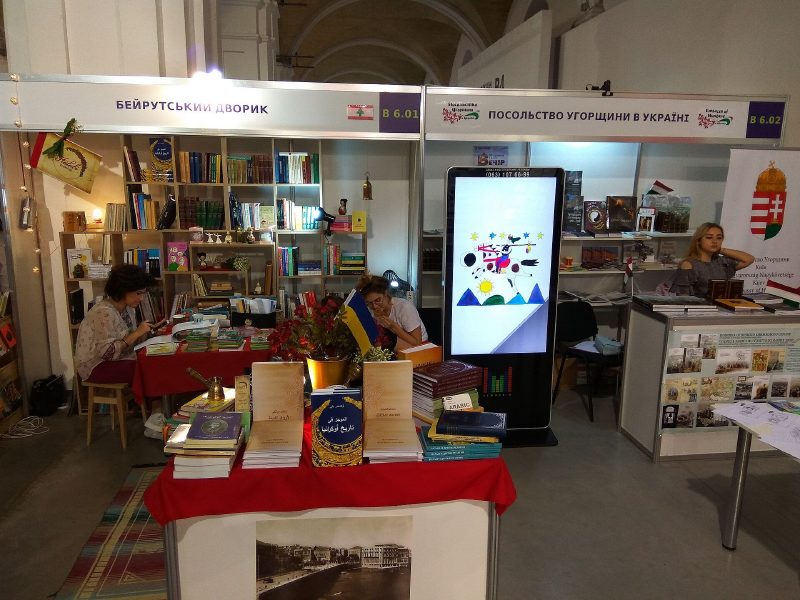
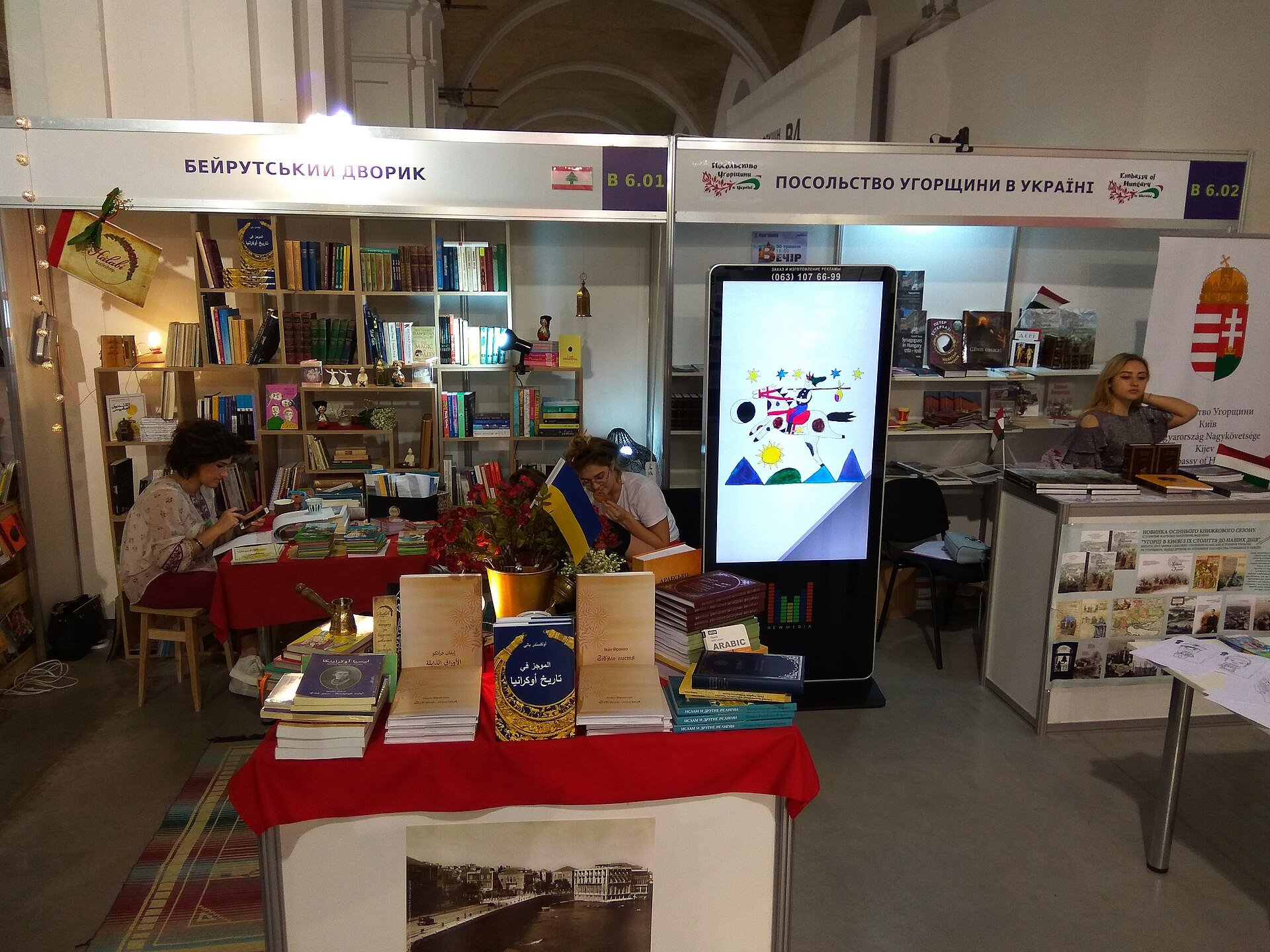
Since 2011 the building has hosted the Book Arsenal international festival every spring, the biggest book event in Ukraine, with publishers' stands, talks, exhibitions and concerts. The full-scale war has not stopped it: the 14th Book Arsenal took place on 28–31 May 2026 under the motto "Carrying Your Freedom", and the Nobel laureate Olga Tokarczuk was among the guests.
The strike of 15 June 2026
On the night of 15 June 2026 Russian attack drones struck Pechersk, hitting both the Lavra's Dormition Cathedral and Mystetskyi Arsenal. A Shahed set off a fire that destroyed about 2,000 square metres of roof and attics. No staff were hurt. The Ukrainian Cultural Heritage Fund made its first grant for repairs, and the roof, windows and doors are due to be restored before winter. Even so, in early July the Arsenal opened "Flickering Connections", an exhibition of Ukrainian painting. Check the official website before you go to see whether the galleries are open.
Visiting
Even without an exhibition, the building is worth walking round: look at the rounded corners, the rusticated ground floor and the Doric portal of the main entrance on Ivana Mazepy St. The Lavra, the Holodomor Genocide Museum and the Park of Eternal Glory are all nearby, so they fit easily into one walk.
People and eras

Photo gallery · 7 photos
Through the years
-
-
-
-
-
-
-
Then and now
Compare yourself
Drag the slider to see how the place has changed.
Slider


Photo overlay
Video
Mystetskyi Arsenal on screen
Чим є Мистецький арсенал? • Ukraïner — Ukraїner · YouTube


Guide
Similar places
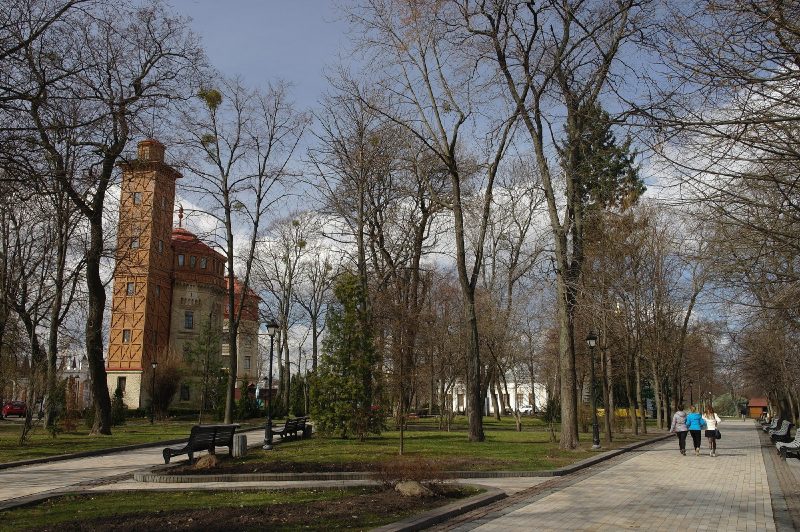 Water Museum in Kyiv: Water Information CenterKyiv's Water Museum fills a 19th-century waterworks with aquariums, a giant toilet and an indoor thunderstorm. Learn about its history and its seven exhibition zones.
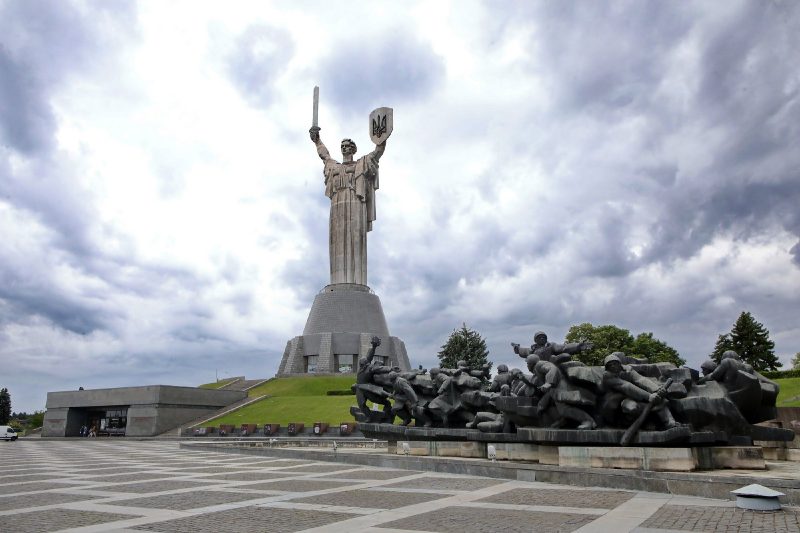 Motherland MonumentA 102-metre steel statue above the Dnipro, with the trident on her shield, and the National Museum of the History of Ukraine in the Second World War at her feet.
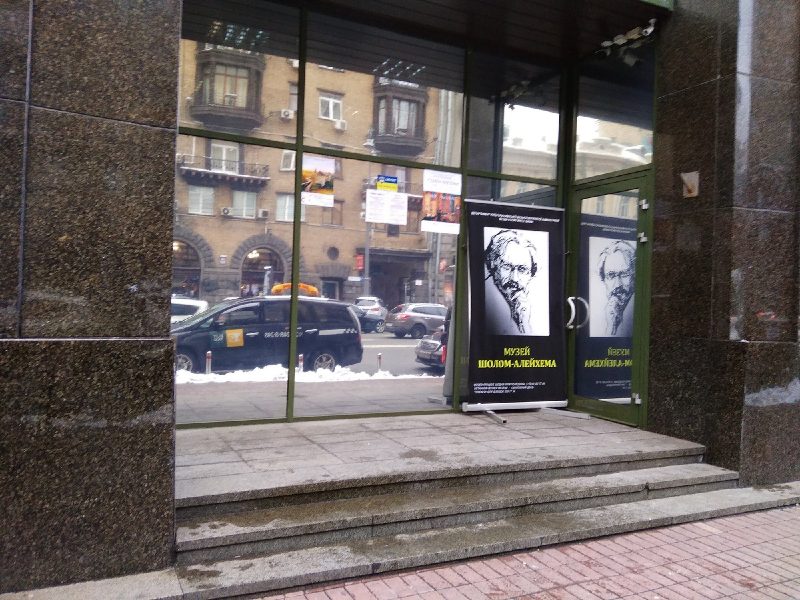 Sholem Aleichem Museum in Kyiv: Life of a Yiddish ClassicThe Sholem Aleichem Museum in Kyiv tells the story of the great Yiddish writer, his Kyiv years and Jewish culture, in the building where he once lived.


