
St Sophia Cathedral

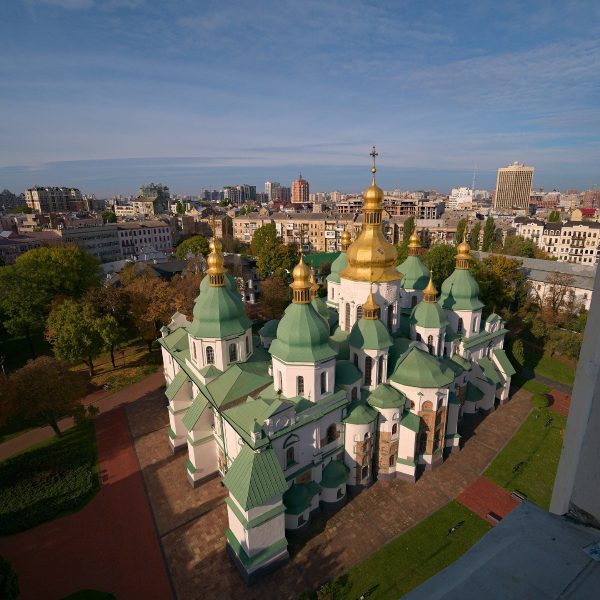
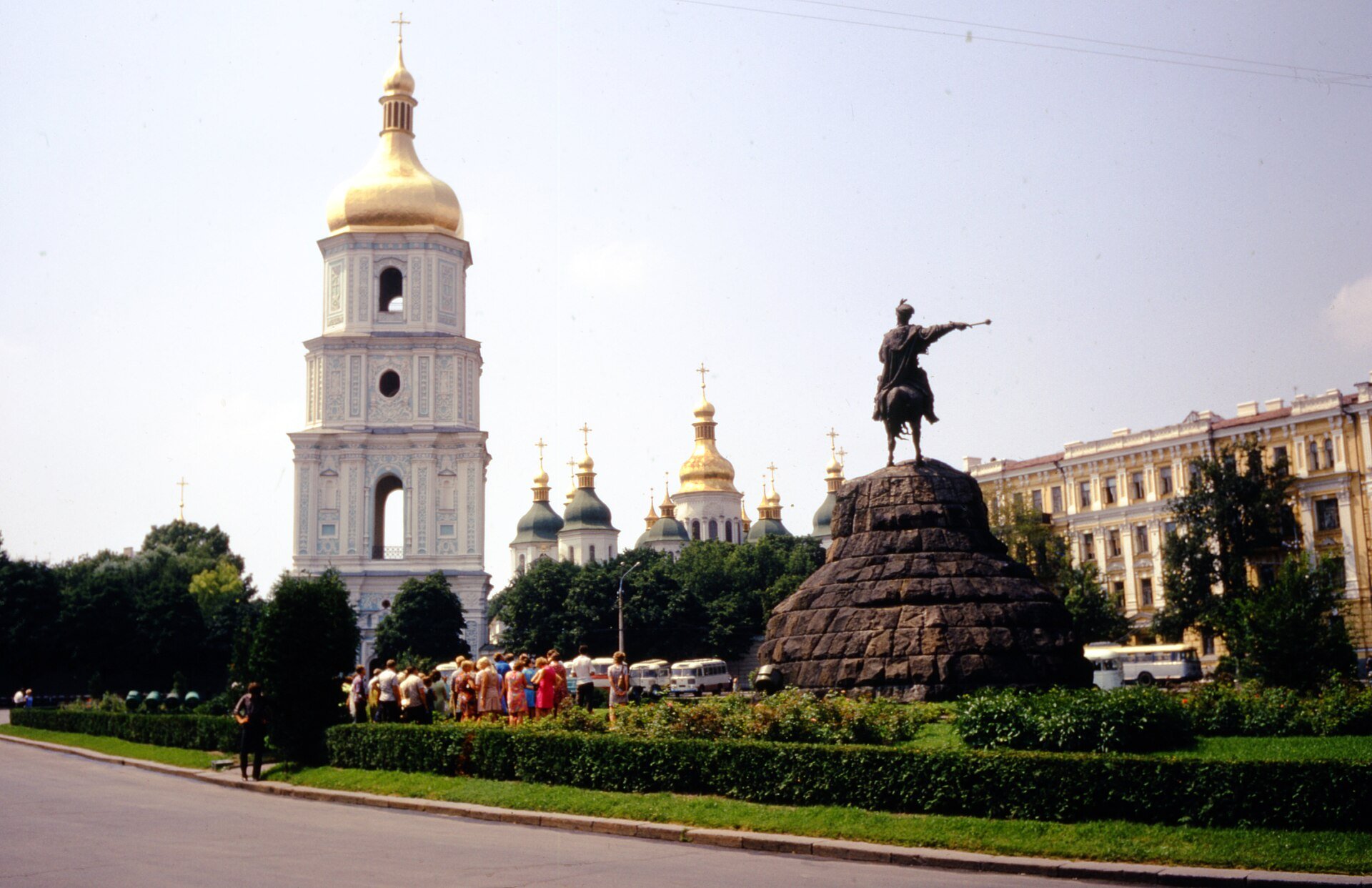
The principal church of Kyivan Rus, built in the first half of the 11th century, with thirteen domes, the largest surviving set of mosaics and frescoes of its age and a Baroque bell tower over Sofiiska Square.
Yaroslav's cathedral, or Volodymyr's?
The Primary Chronicle records the founding of St Sophia under the year 1037 and credits Prince Yaroslav the Wise, saying the cathedral rose on the field where the people of Kyiv had defeated the Pechenegs a year earlier. The Novgorod Chronicle gives two dates, 1017 and 1037. Metropolitan Ilarion, who saw the building go up, wrote that Yaroslav finished what his father Volodymyr had begun. Building on this, the historian Nadiia Nikitenko has argued that the cathedral was founded in 1011 under Volodymyr the Great and consecrated in 1018, citing dated graffiti and a new reading of the secular frescoes. Most scholars do not accept her theory, but in 2011 the cathedral's millennium was celebrated nationally and under UNESCO auspices.
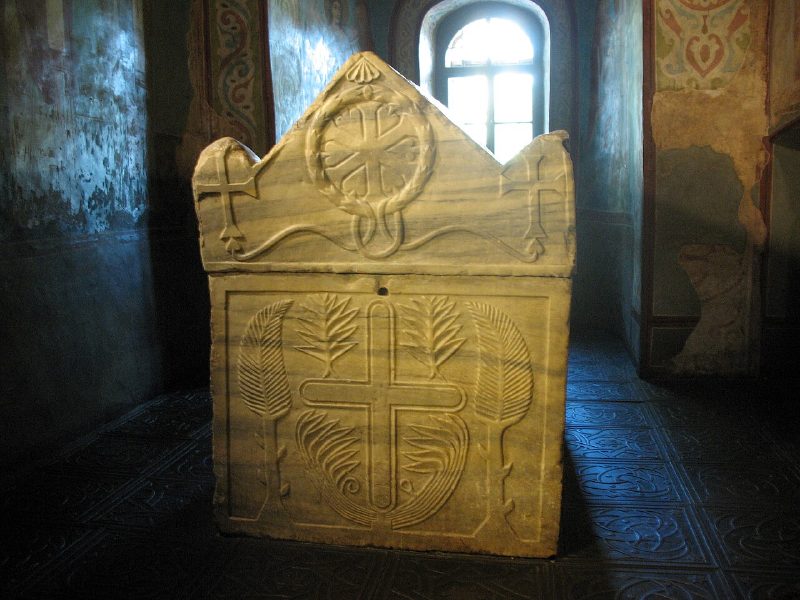
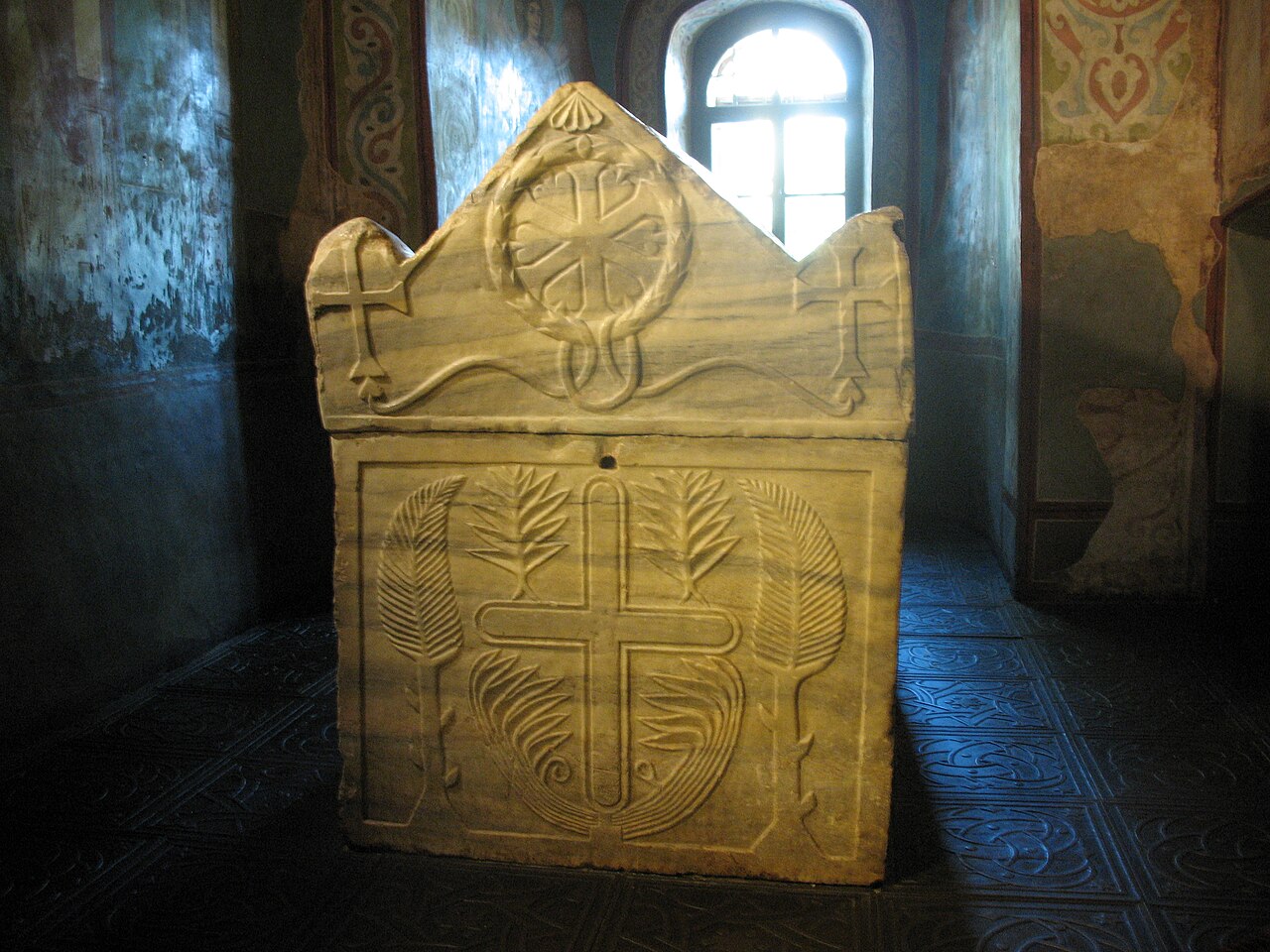
Like the great church of Constantinople, it was dedicated to Holy Wisdom (Sophia). It was the seat of the metropolitans of Kyiv. Princes were enthroned and foreign envoys received here, and the cathedral housed a scriptorium and Yaroslav's library. Yaroslav the Wise, Vsevolod Yaroslavych and Volodymyr Monomakh were buried inside. Yaroslav's marble sarcophagus still stands in the north part of the church.
Mosaics, frescoes and graffiti
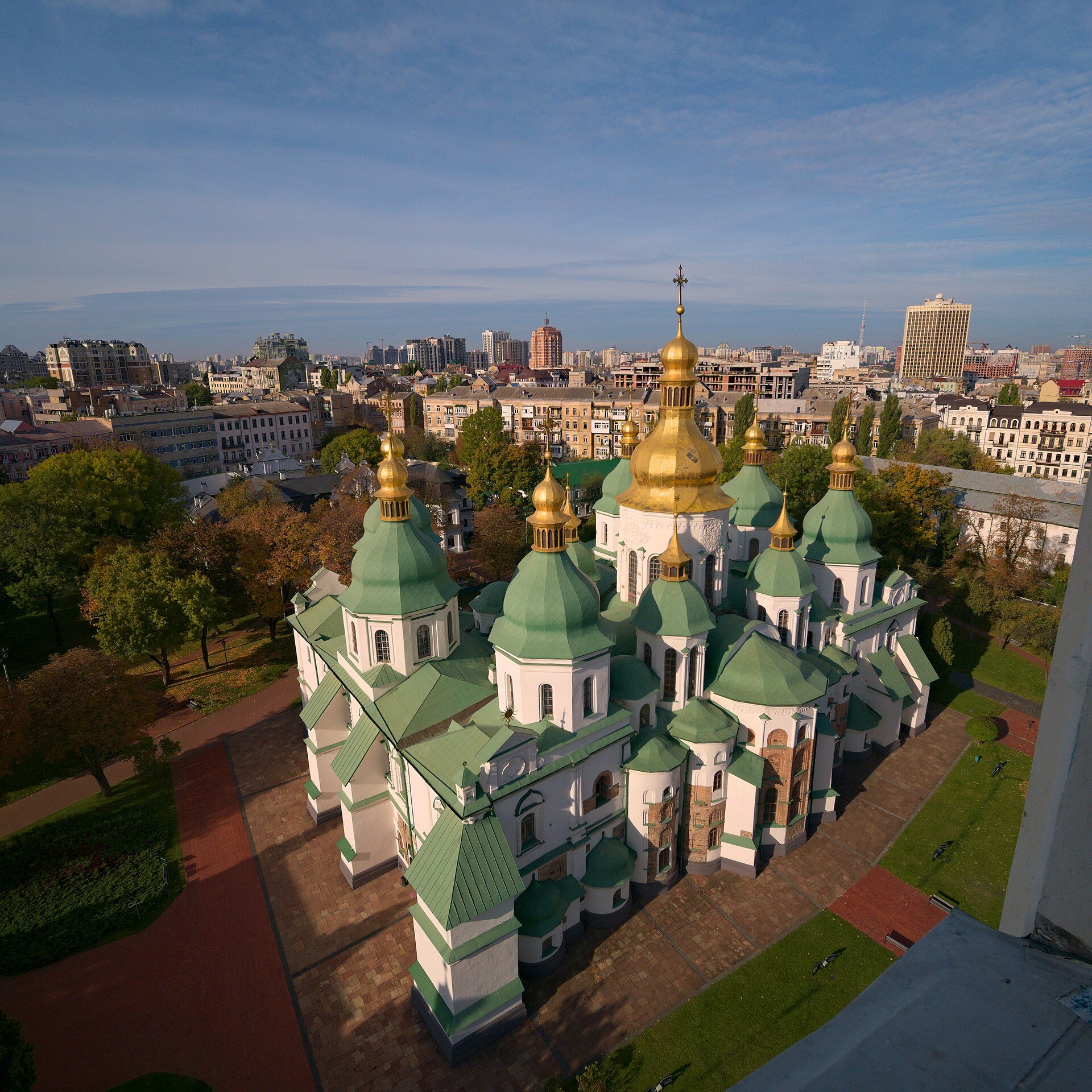
The original cathedral had five aisles and thirteen domes rising in tiers towards the central one, with open galleries on three sides. The walls were laid in granite and pink quartzite, alternating with courses of thin brick (plinthos) set in pink mortar, and at first the exterior was left unrendered.
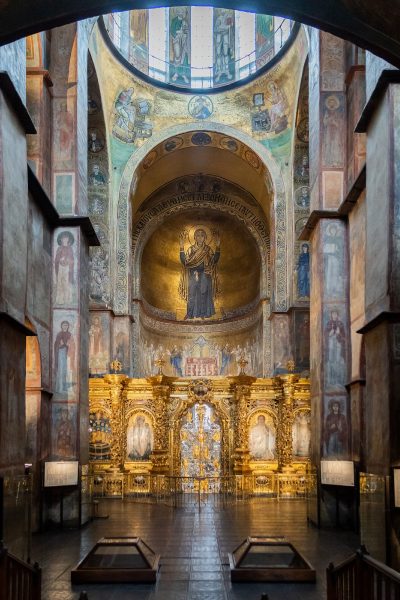
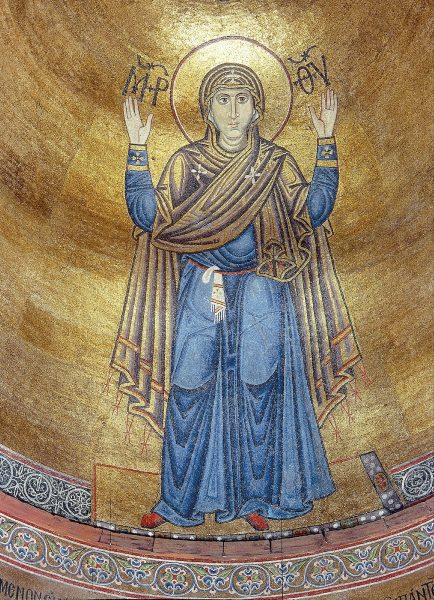
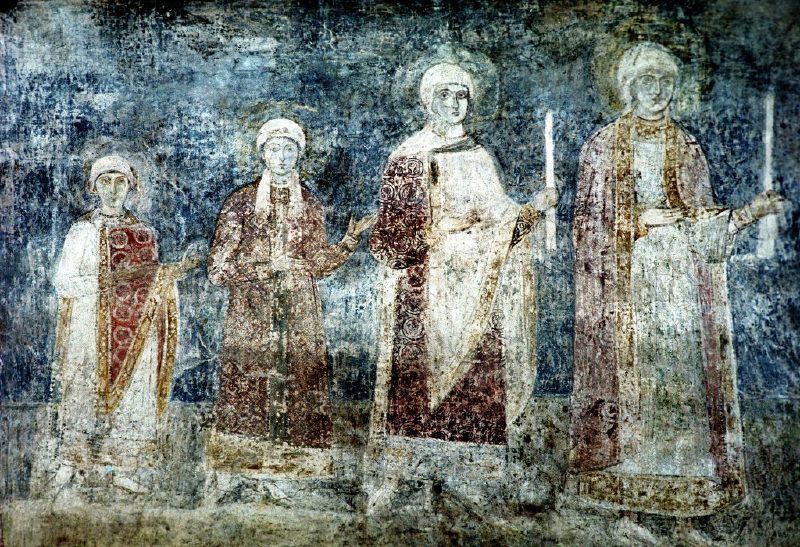
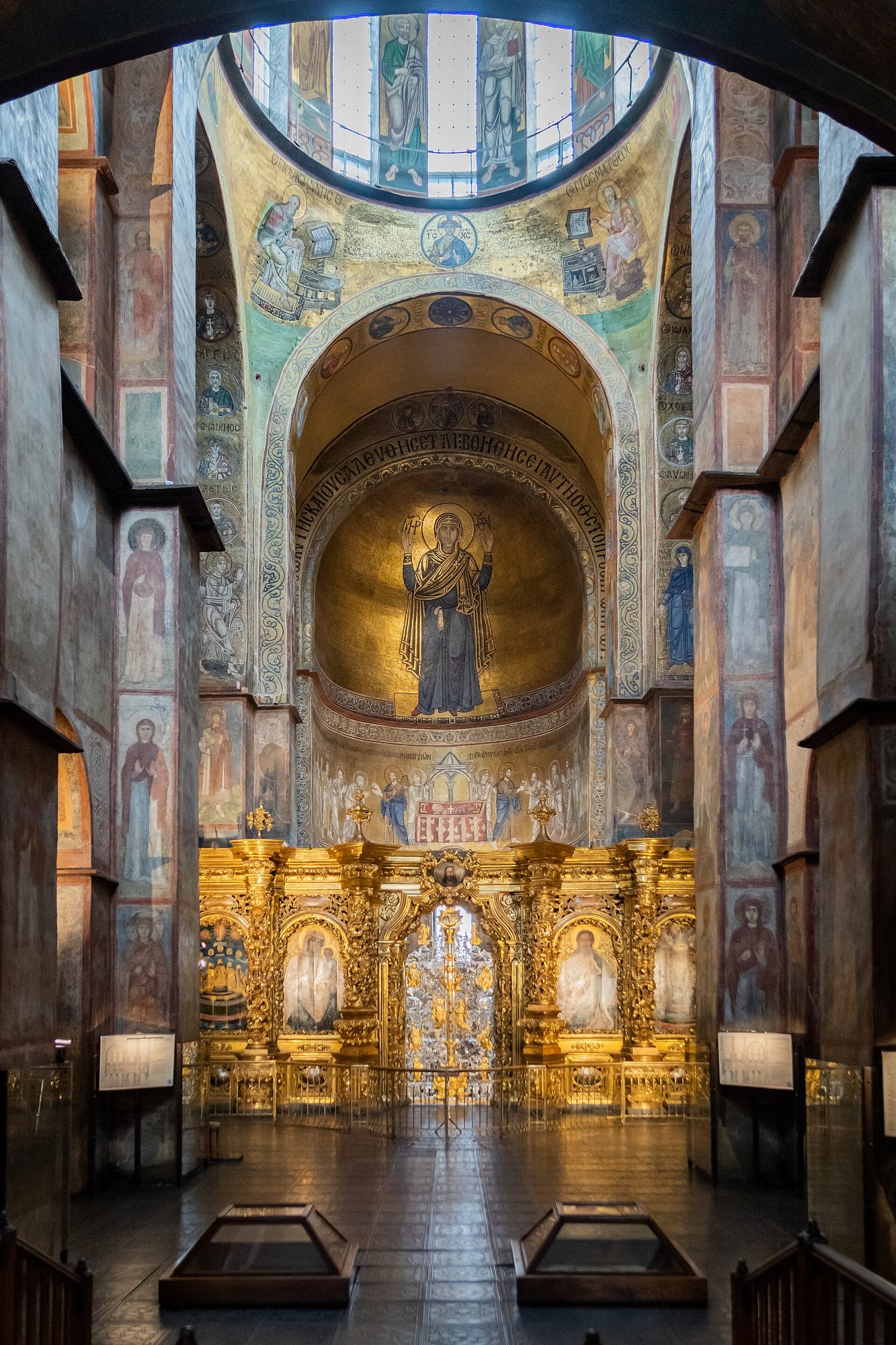
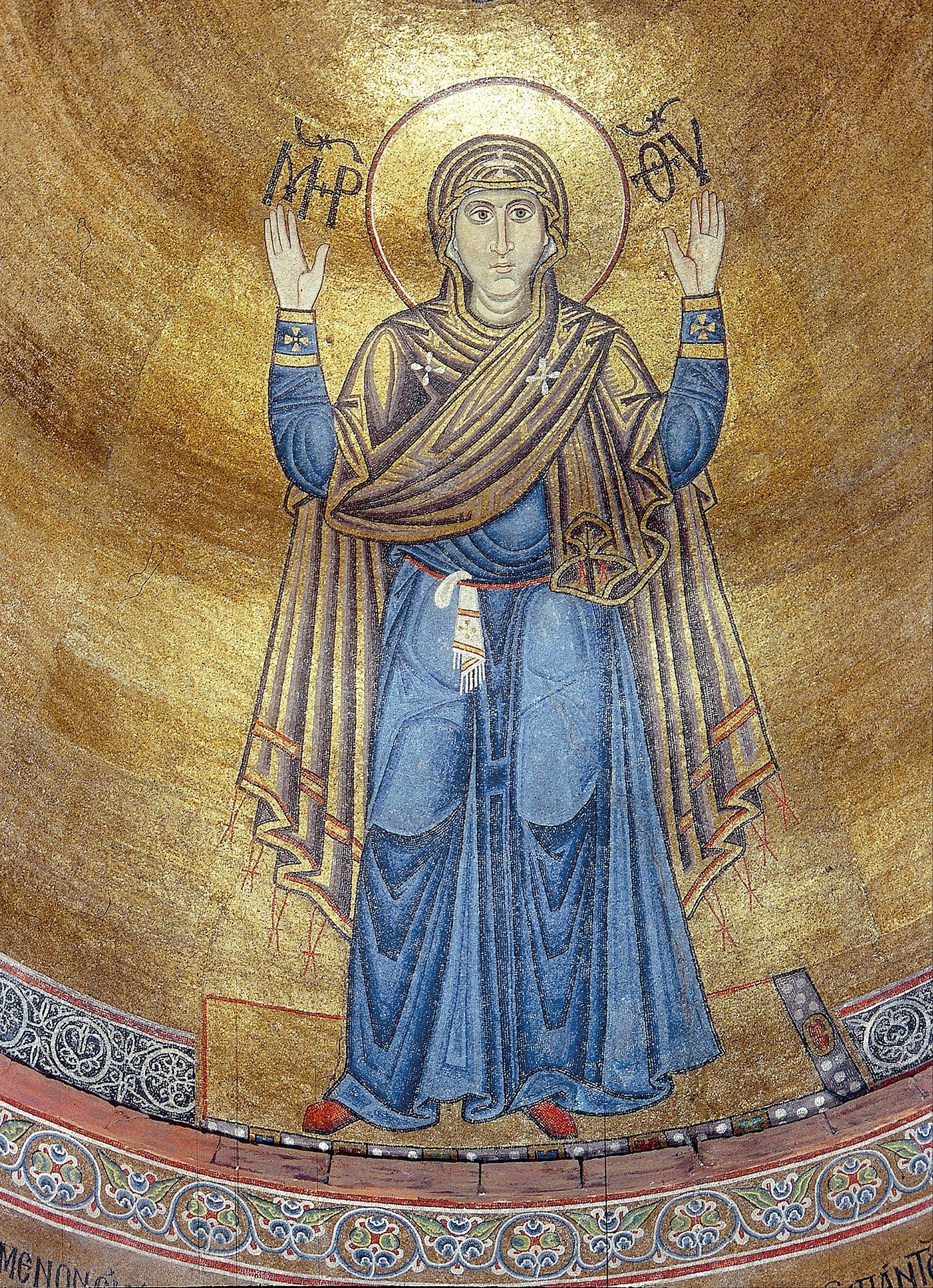
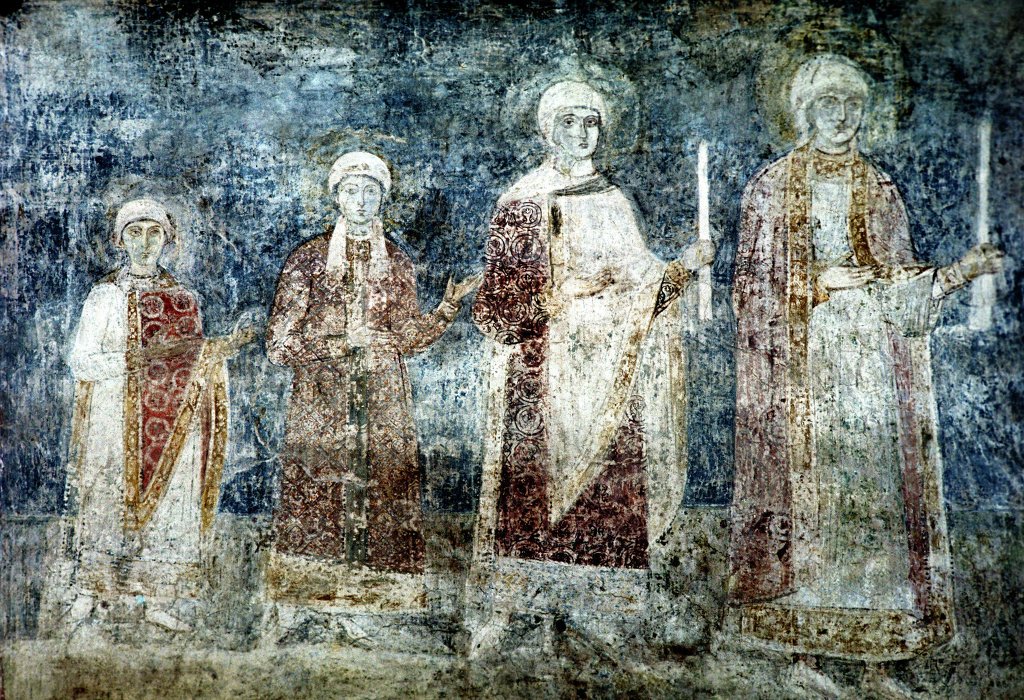
The real treasure is inside. Some 260 m² of mosaics and 3,000 m² of frescoes survive from the 11th century, the largest such ensemble of the period anywhere. The six-metre Virgin Orans in the main apse has long been called the "Unbreakable Wall": legend says Kyiv will stand as long as she does. Christ Pantocrator looks down from the central dome, and the Eucharist fills the sanctuary. The mosaicists worked with more than 150 shades of smalt. Among the frescoes is a fragment of a group portrait of Yaroslav's family, and the stair towers leading to the galleries show secular scenes such as hunting, minstrels and horse races. The walls are also covered in medieval graffiti, which historians now treat as a source in their own right.
From ruin to Baroque
Batu Khan's army looted the cathedral in 1240 but did not destroy it. After further raids in the 15th century it stood half-abandoned for a long time. Following the Union of Brest in 1596 it passed to the Greek Catholics. In 1633 Metropolitan Petro Mohyla won it back for the Orthodox Church and began restoring it, bringing in the Italian architect Octaviano Mancini, and in 1638 he founded a monastery around it.
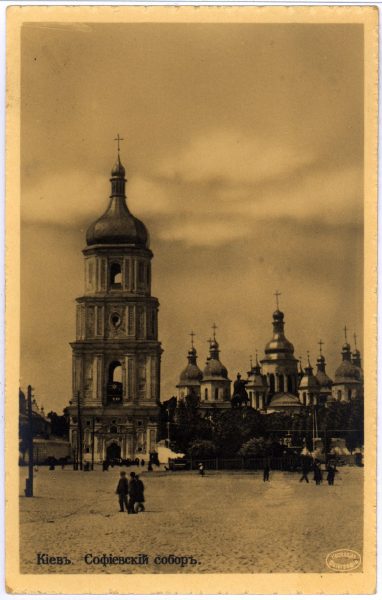
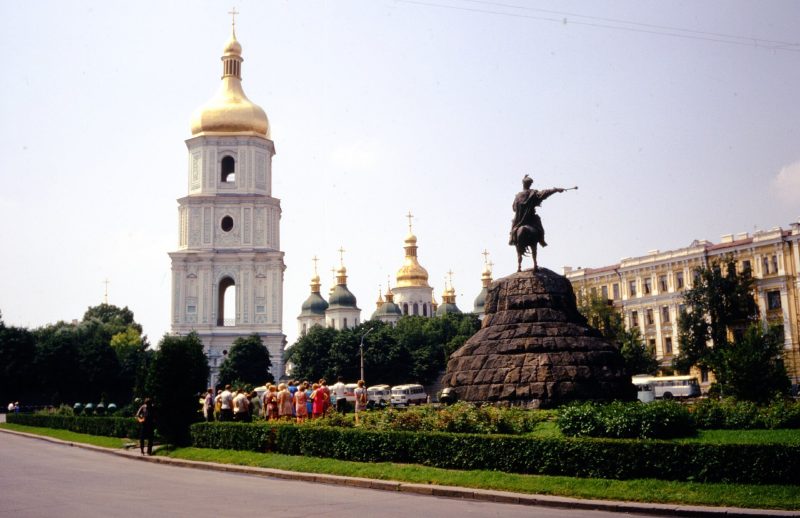
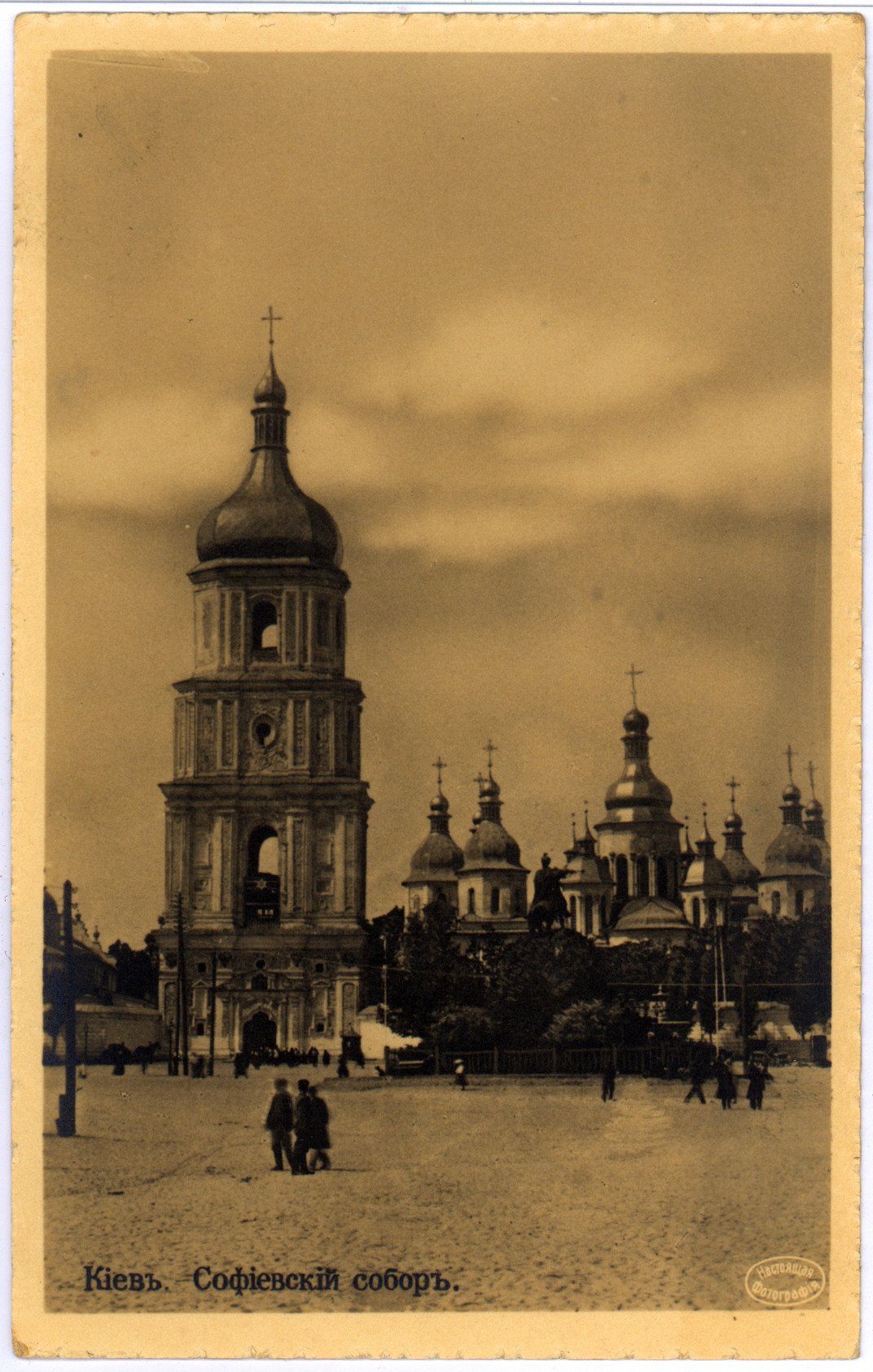
The cathedral owes its present look to Metropolitan Varlaam Yasynskyi and Hetman Ivan Mazepa. In 1690–1707 a second storey was added above the galleries, and new domes were topped with pear-shaped Baroque cupolas. A masonry monastery grew up around it at the same time, with the Metropolitan's House, the refectory, the bakery, the bursa and the Zaborovskyi Gate. The bell tower went up in 1699–1706. In the 1740s Johann Gottfried Schädel rebuilt its upper tiers, and in 1851–1852 a fourth tier was added to a design by Pavel Sparro, bringing it to 76 metres. The Mazepa bell, cast in 1705, hangs on the second tier.
The 20th century: a museum instead of demolition
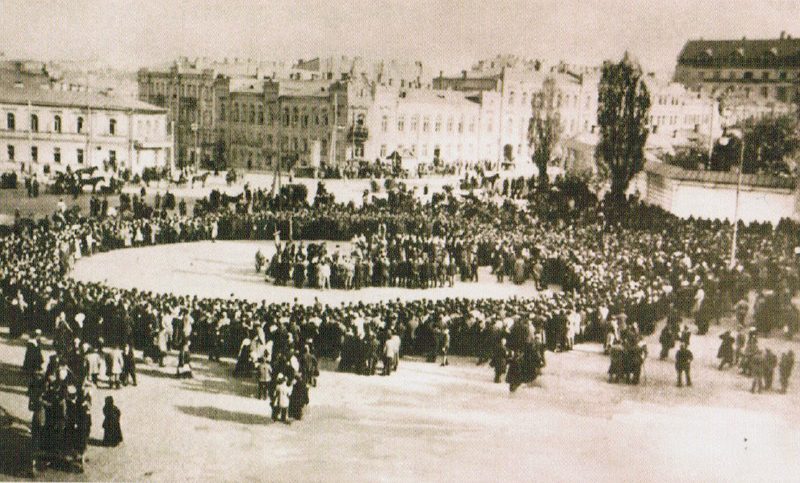
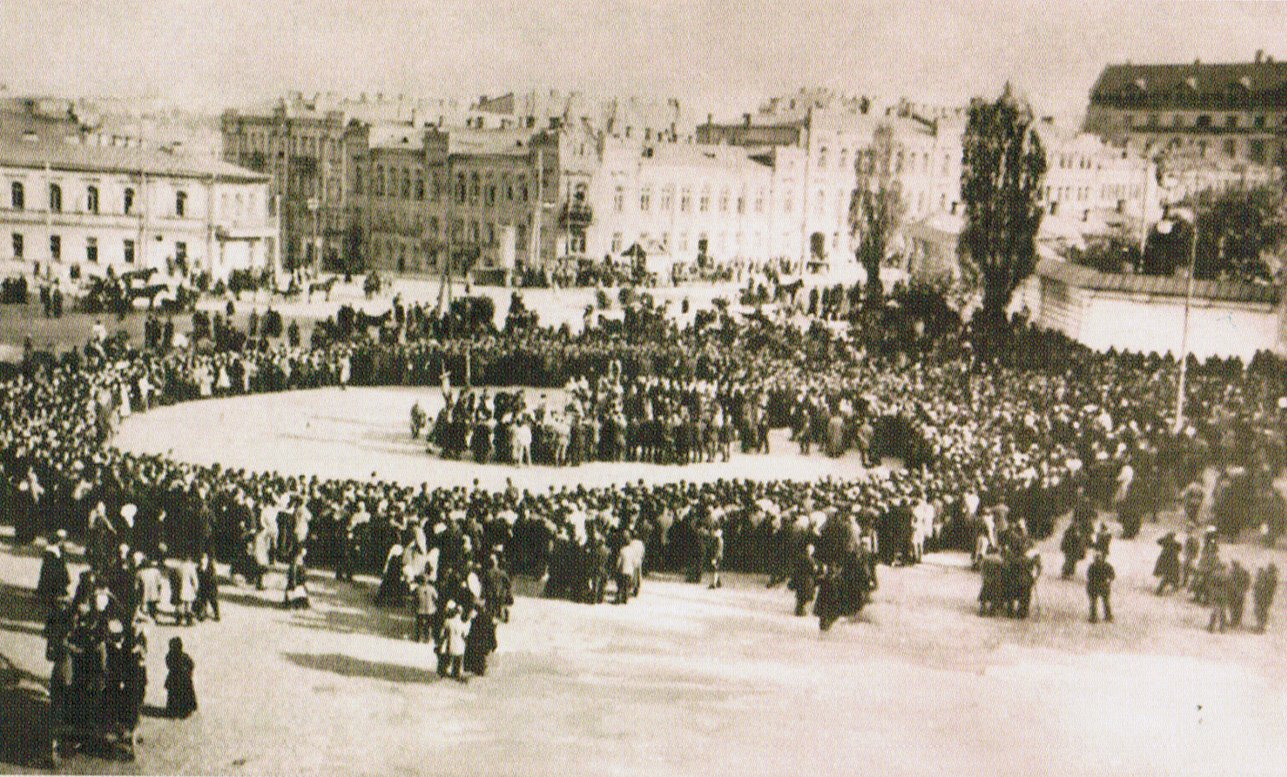
On 29 April 1918 Pavlo Skoropadskyi received a blessing as Hetman in the cathedral, and in 1921 Vasyl Lypkivskyi was consecrated here as the first metropolitan of the Ukrainian Autocephalous Orthodox Church. In the late 1920s the Sophia Commission of the All-Ukrainian Academy of Sciences managed to save the cathedral from demolition. In 1934 the monastery was declared a preserve, and its church plate, gilded iconostases and vestments were confiscated. Restorers in the 1950s uncovered 11th-century frescoes from under later layers of paint.
In 1990 St Sophia and the Kyiv-Pechersk Lavra became Ukraine's first UNESCO World Heritage site. Services are held here only with the preserve's permission. On 15 December 2018 the cathedral hosted the Unification Council that founded the Orthodox Church of Ukraine.
St Sophia in wartime
Since 2022 the preserve has worked around air-raid alerts, and visitors are taken to shelter whenever a siren sounds. On 10 June 2025 the blast wave from a Russian strike on central Kyiv brought down the rendered cornice of the central apse on the east façade. In February 2026 a UNESCO monitoring mission inspected the cathedral, and in May seismic sensors began to be installed to track vibrations around the clock. On 4 September 2026 another attack blew out the windows of the Consistory, an 18th-century building inside the preserve. In autumn 2026 emergency and restoration work began on the cathedral's south-eastern dome, the first in half a century.
What to see
Start in the central space beneath the main dome, where the Orans, the Pantocrator and the Eucharist are all in view. Then climb to the galleries, where an exhibition hall shows 12th-century mosaics and frescoes from St Michael's Golden-Domed Cathedral, removed from its walls before it was destroyed in the 1930s. At Yaroslav's sarcophagus, look for the carved crosses and plant ornament. Finish by climbing the bell tower for a view over Sofiiska and Mykhailivska squares and down onto the cathedral's domes. Allow at least two hours for the cathedral and its grounds.
People and eras
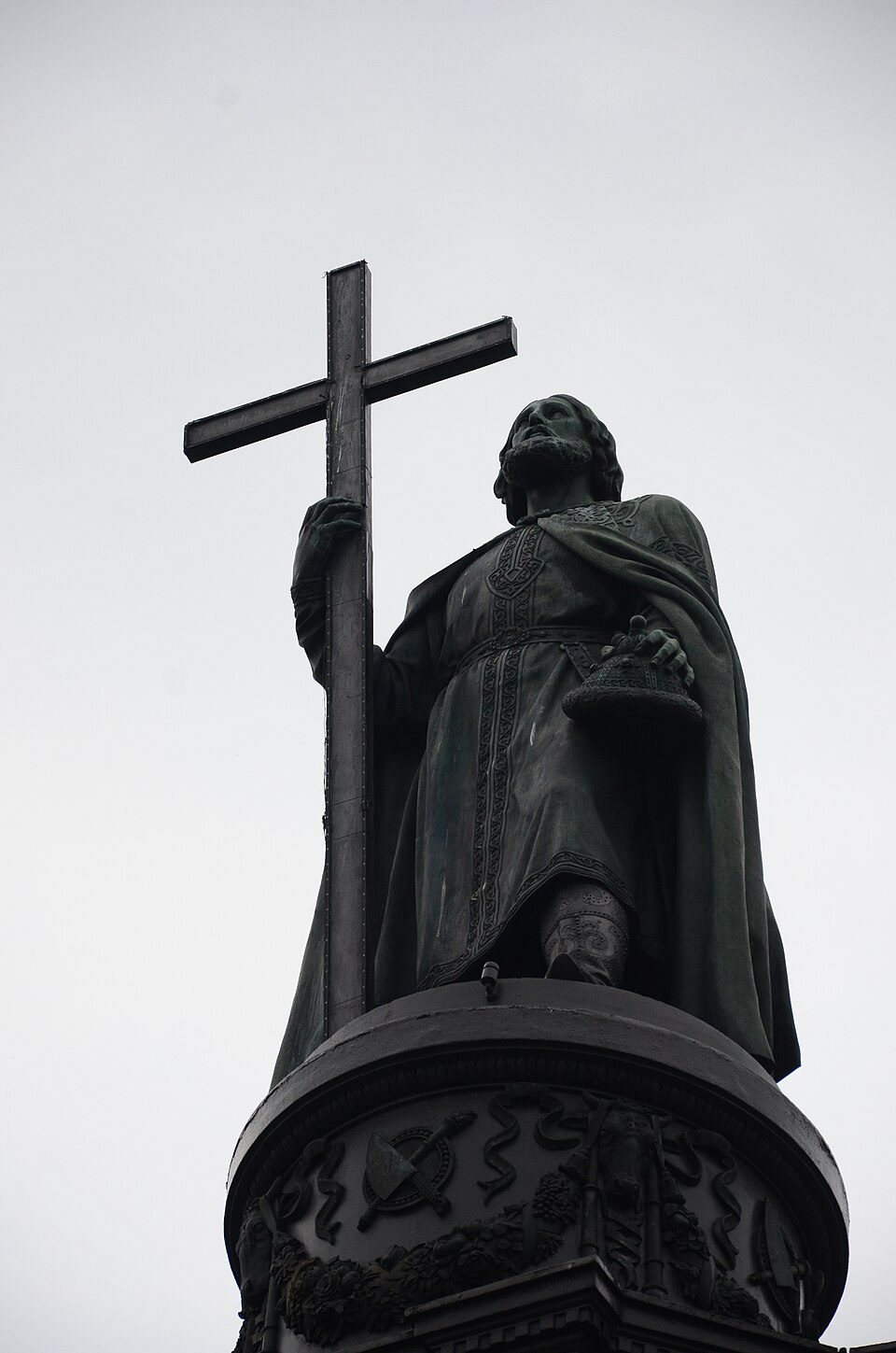 Volodymyr the Greatбл. 960–1015 · Baptizer of Rus’
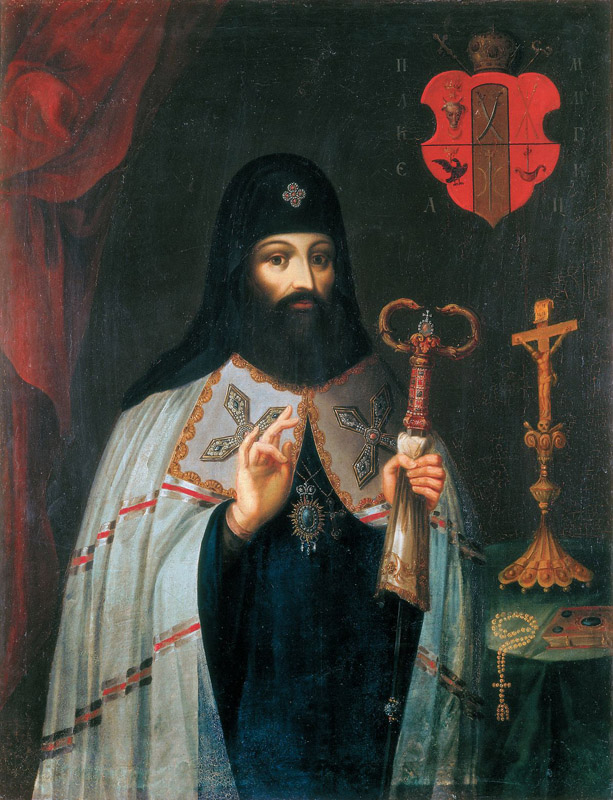 Petro Mohyla1596–1647 · Metropolitan of Kyiv
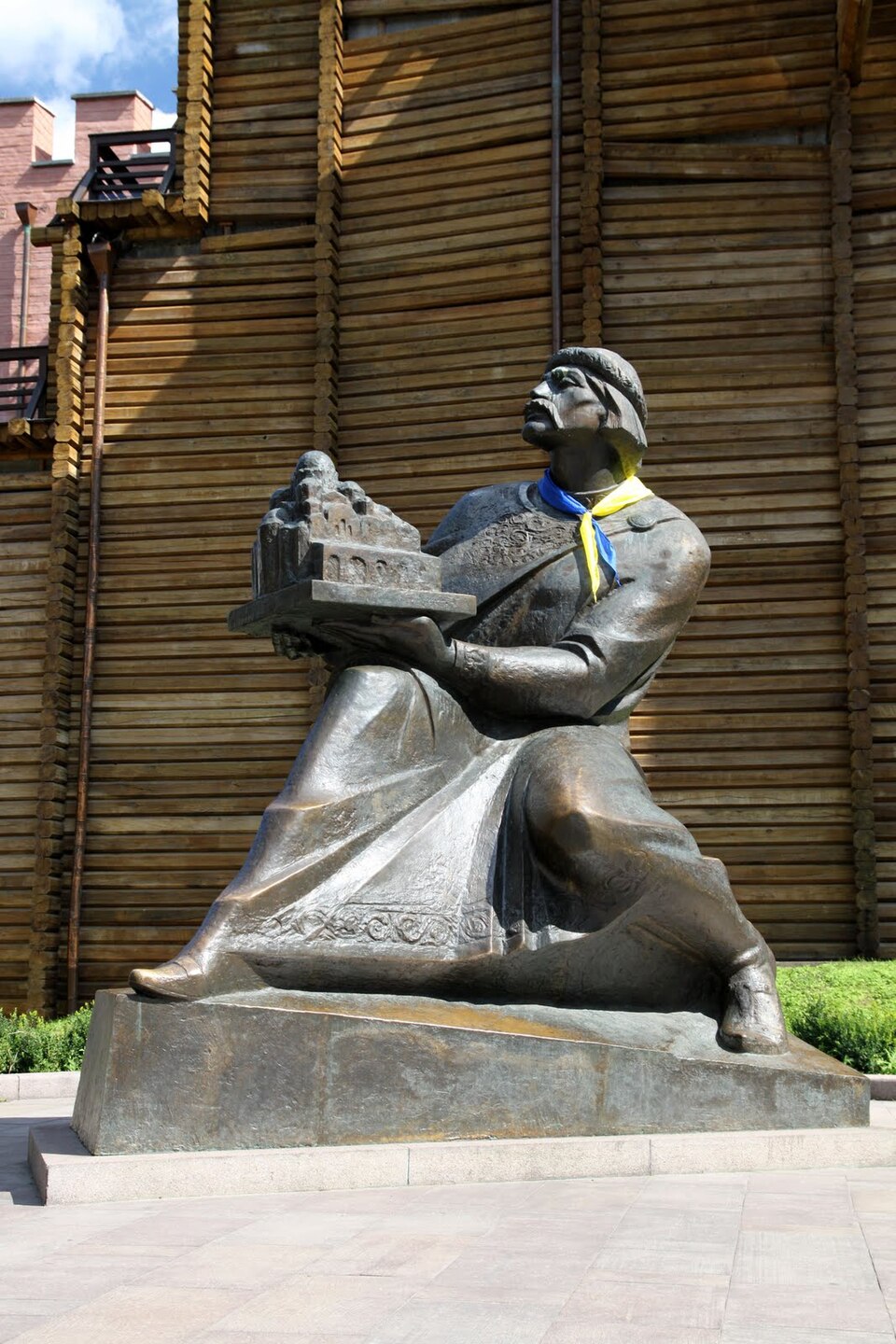 Yaroslav the Wiseбл. 978–1054 · Grand Prince of Kyiv
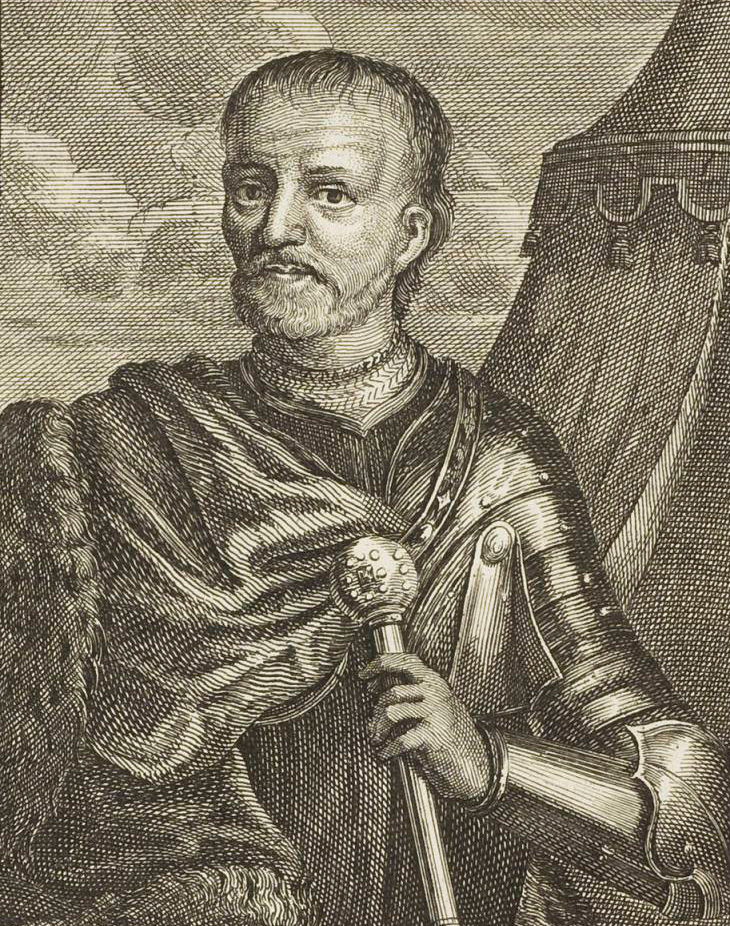 Ivan Mazepa1639–1709 · Hetman, church builder
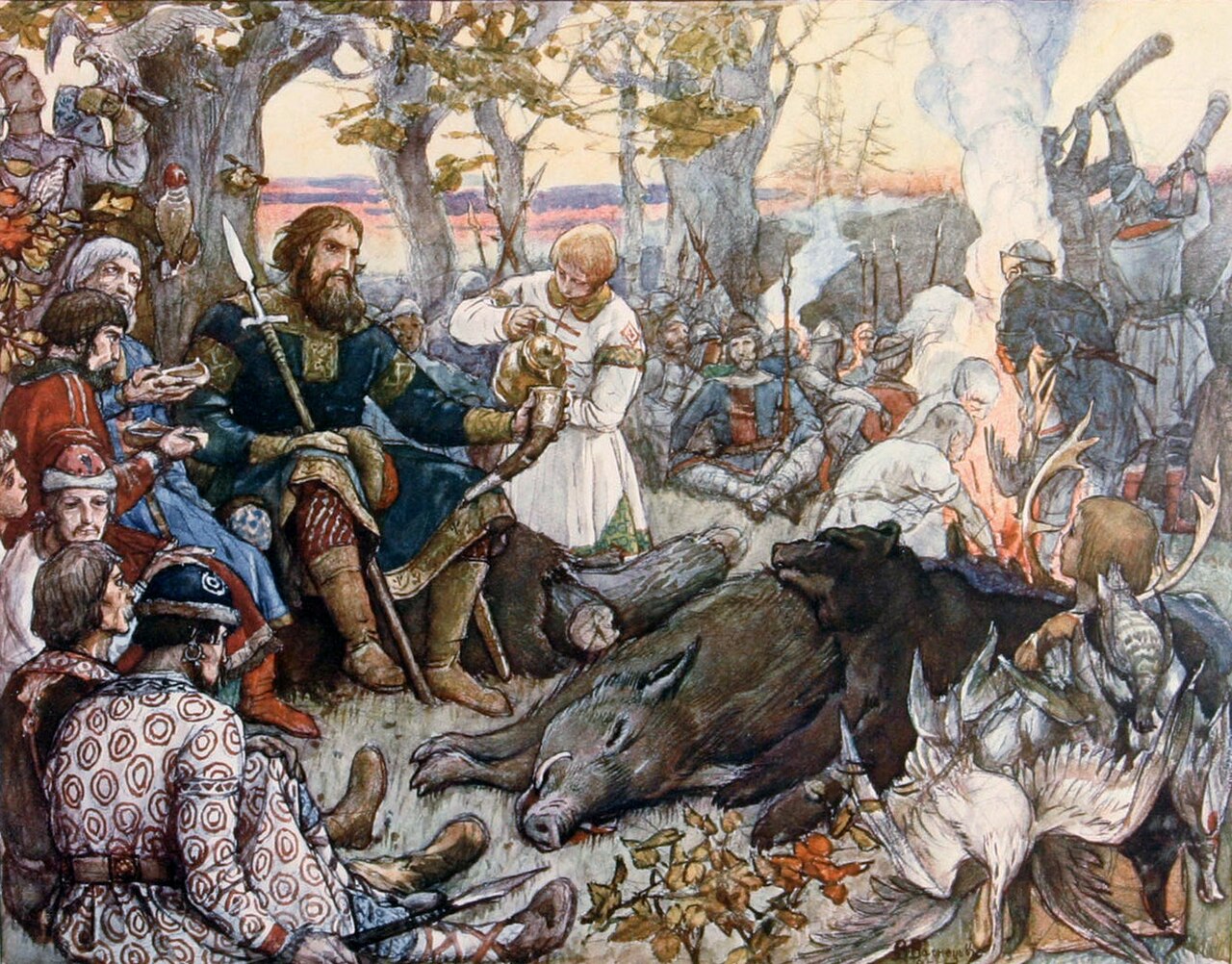 Volodymyr Monomakh1053–1125 · Grand Prince of Kyiv
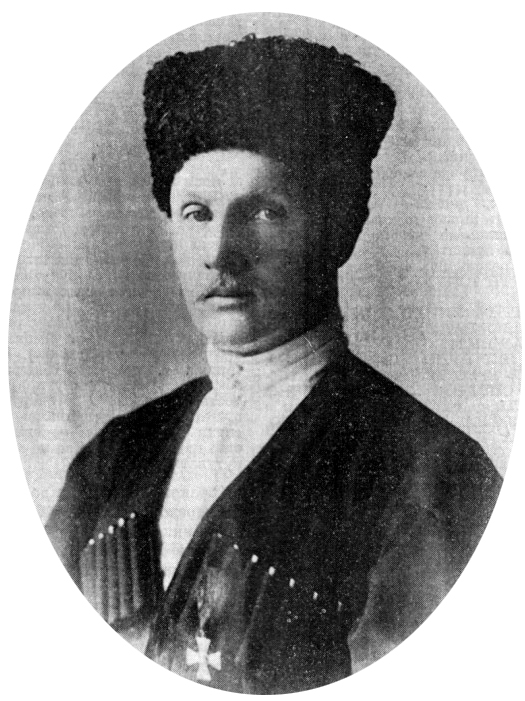 Pavlo Skoropadsky1873–1945 · Hetman of the Ukrainian State


Photo gallery · 8 photos
Through the years
-
-
-
-
-
-
-
-
Then and now
Compare yourself
Drag the slider to see how the place has changed.
Slider


Photo overlay
Video
St Sophia Cathedral on screen
Код: Софія — Національний заповідник «Софія Київська» · YouTube


Guide
Similar places
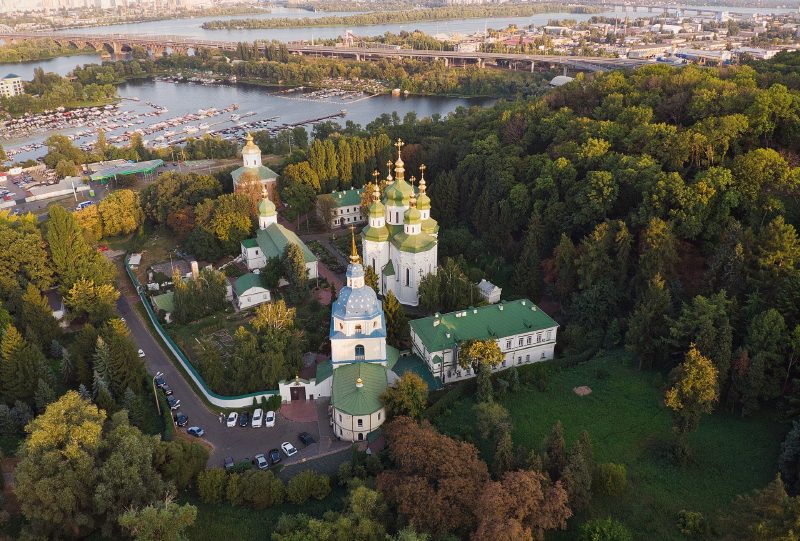 Vydubychi MonasteryA monastery founded by Prince Vsevolod above the Dnipro in 1070, with the 11th-century St Michael's, the Baroque St George's Cathedral and the Botanical Garden's lilacs next door.
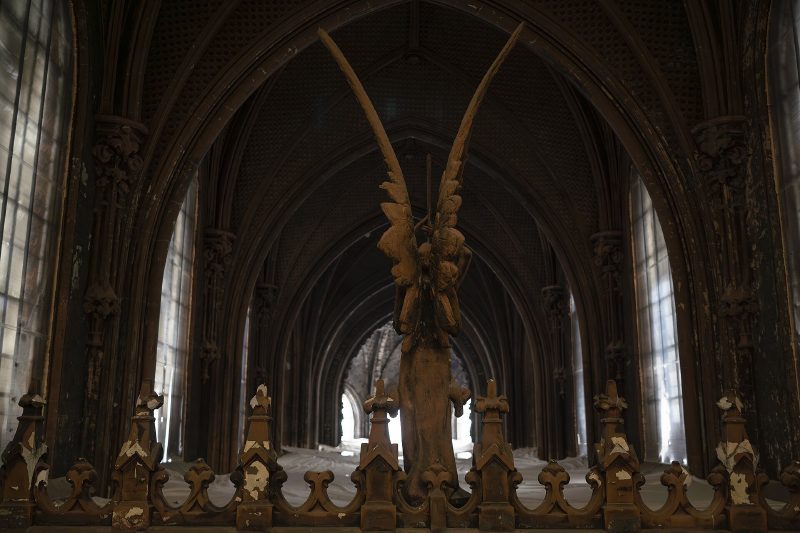 St Nicholas Roman Catholic ChurchHorodecki's Gothic Revival church with twin 60-metre spires: a church, a warehouse, an archive, an organ hall — and a church again, awaiting rescue after the 2021 fire.
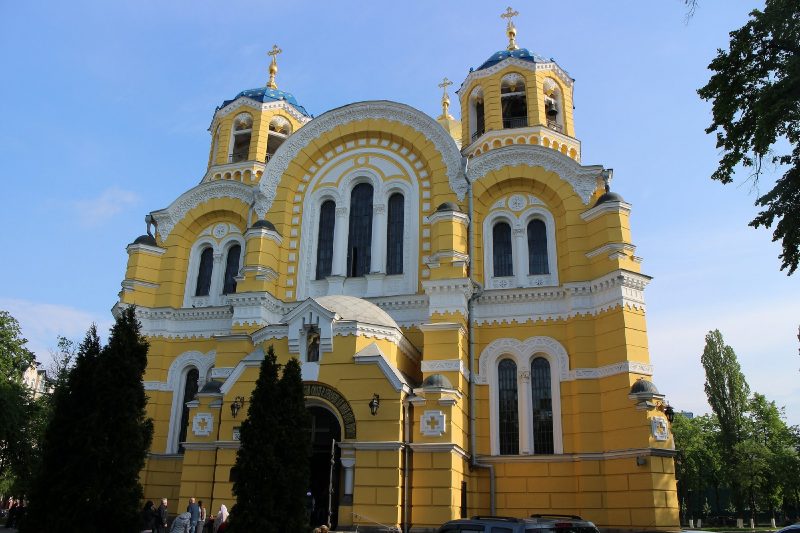 St Volodymyr's CathedralA yellow, seven-domed cathedral on Shevchenko Boulevard, built for the 900th anniversary of the baptism of Rus, with murals by Viktor Vasnetsov, Mikhail Nesterov, Pavel Svedomsky and Mikhail Vrubel.


