
St Michael's Golden-Domed Monastery

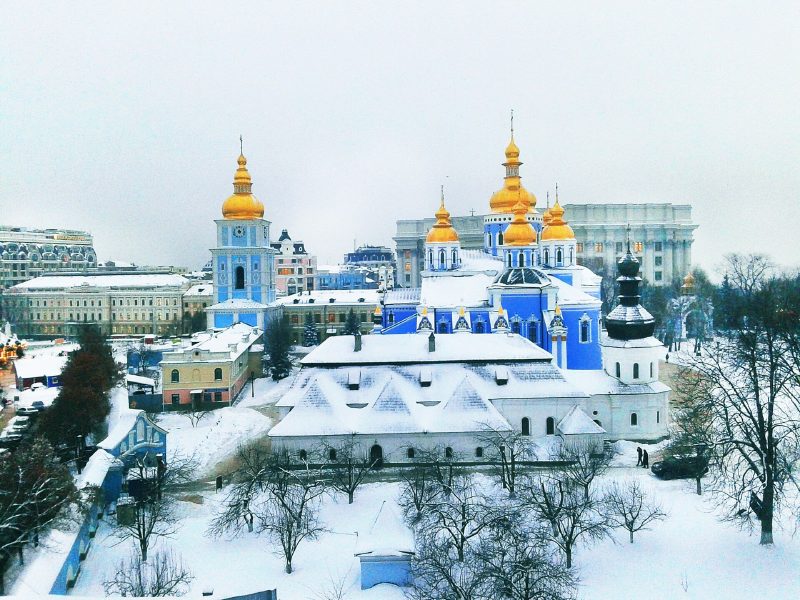
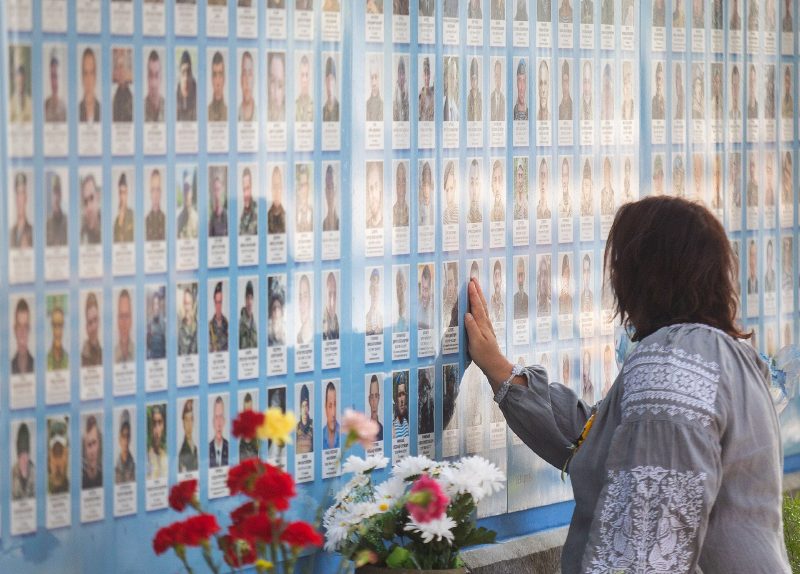
A 12th-century monastery destroyed by the Soviet authorities in the 1930s and rebuilt in the late 1990s, now the main cathedral of the Orthodox Church of Ukraine, its wall lined with the faces of fallen defenders.
Sviatopolk's church and the first golden dome
The monastery grew out of a family foundation of the Iziaslavych princes of Kyiv. In the 1050s Iziaslav Yaroslavych, baptised Demetrius, founded the Monastery of St Demetrius in the Upper Town. In 1108 his son Sviatopolk Iziaslavych began a church here dedicated to his patron saint, the Archangel Michael. It was finished in 1113, and the prince was buried in it that same year. It was a six-pillared, cross-domed church decorated with mosaics and frescoes, and its gilded dome, a rarity at the time, gave the monastery its name, Golden-Domed. Tradition holds that the relics of the martyr St Barbara, brought to Kyiv from Byzantium, were kept here.
Cossack Baroque
The monastery was plundered during the Mongol invasion of 1240, and the gold was stripped from its dome. It revived at the end of the 15th century, now under the name of St Michael. In 1620 Metropolitan Yov Boretskyi made it the seat of the restored Orthodox Metropolis of Kyiv, and it became a stronghold of opposition to the Church union with Rome. In 1655, with Bohdan Khmelnytskyi's support, the cathedral's dome was again covered in gilded copper.
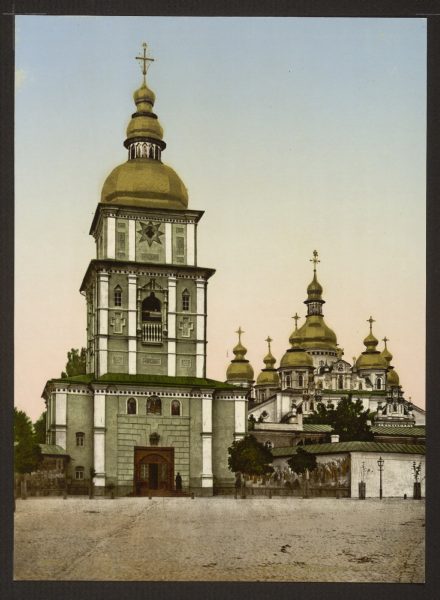
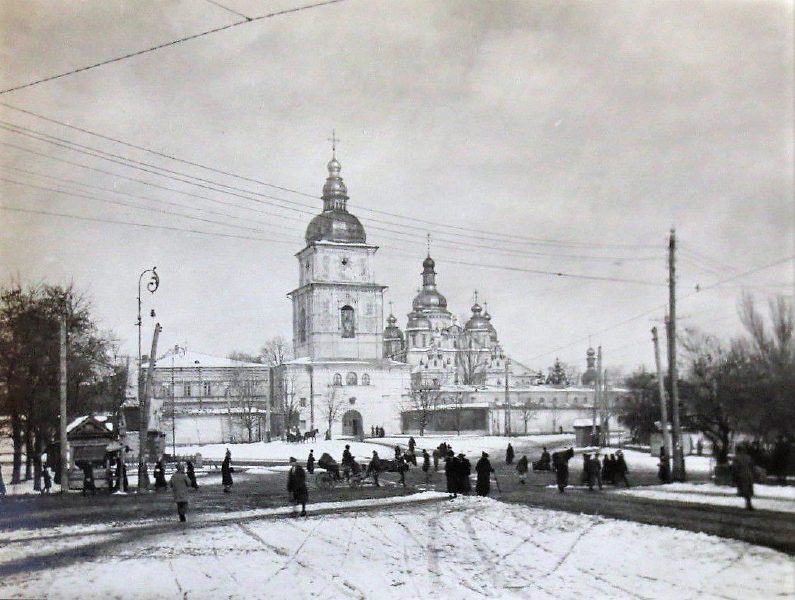
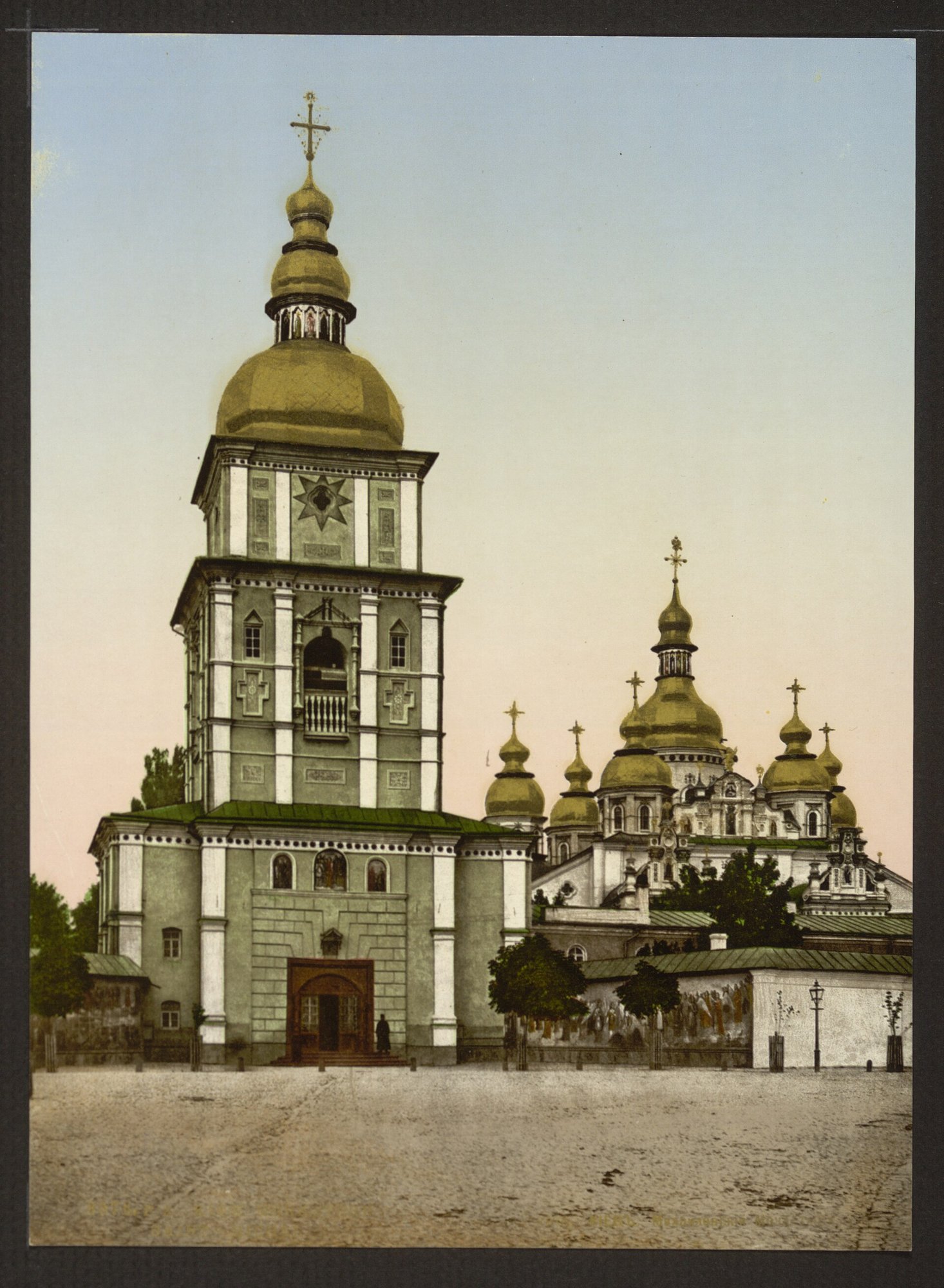
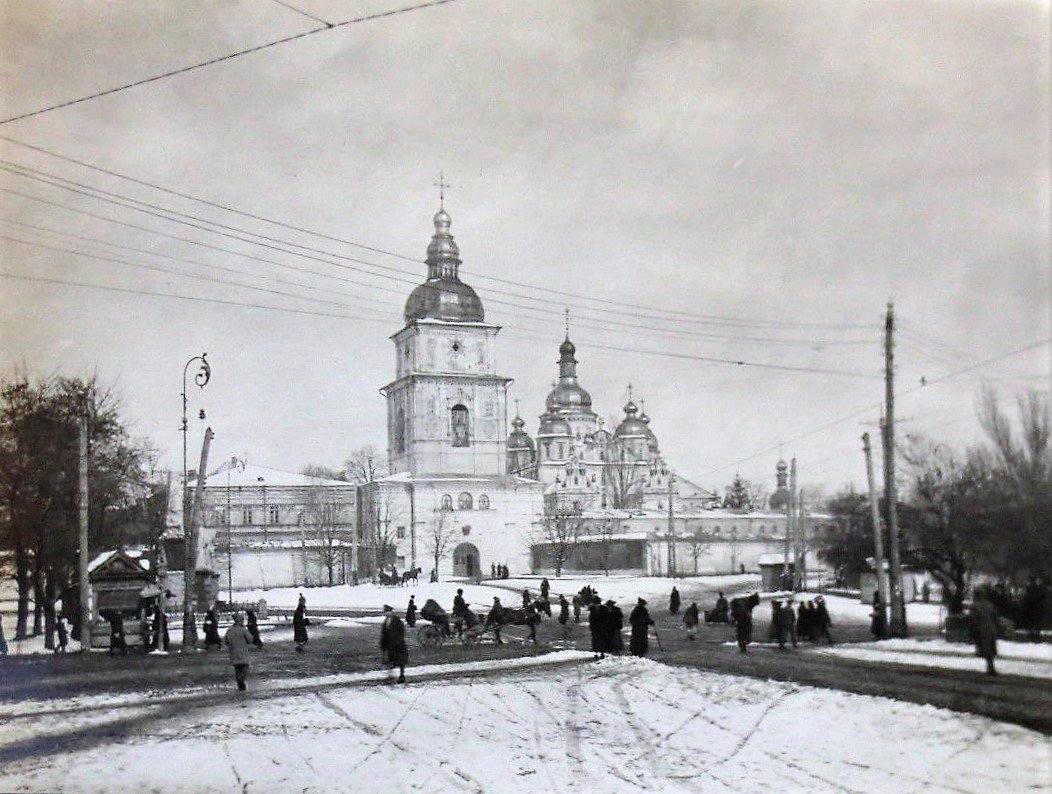
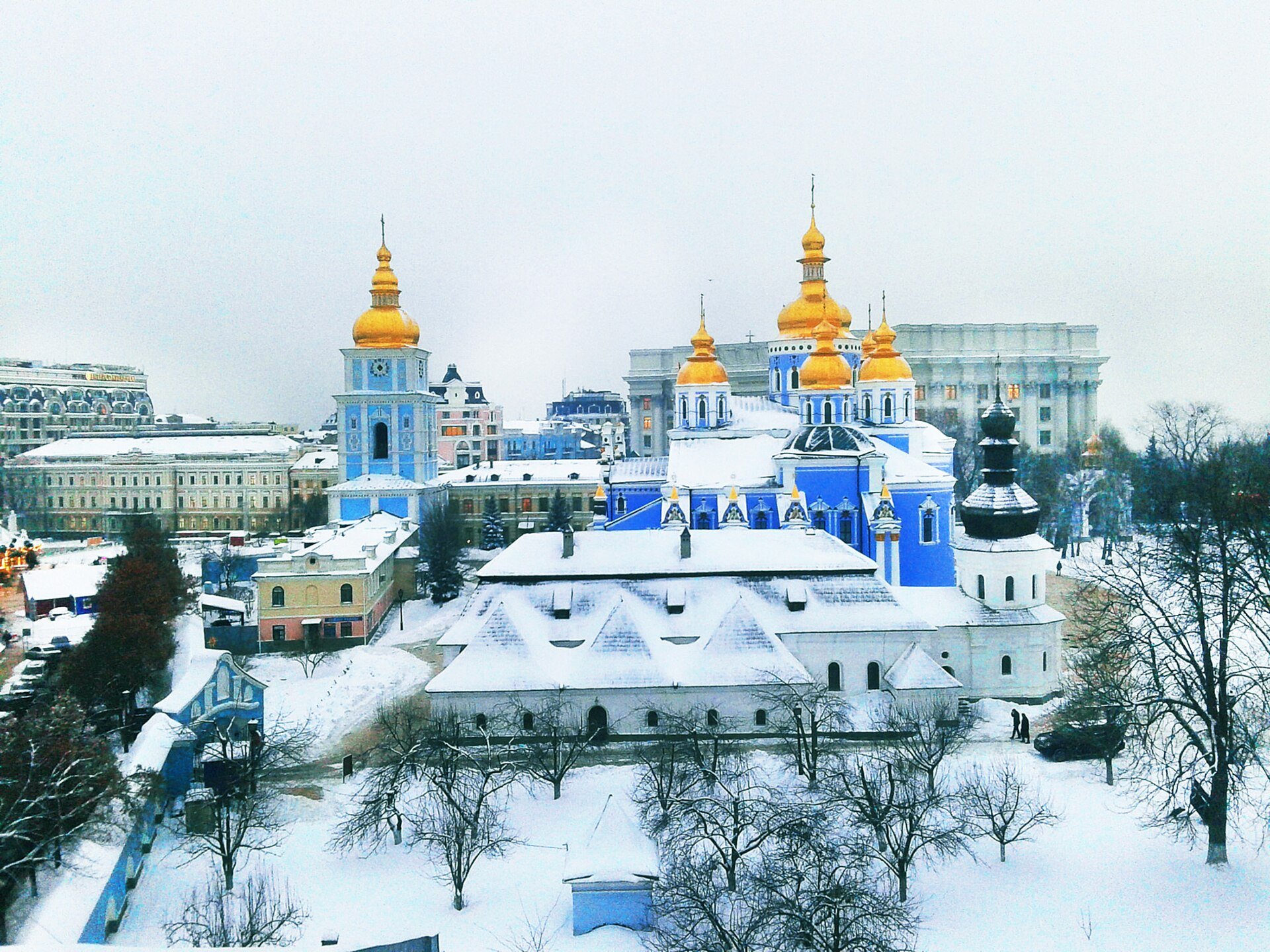
In the 18th century the medieval church was enlarged in the Ukrainian Baroque style, with side chapels and new domes, so that by the early 20th century it had seven. The masonry refectory Church of St John the Theologian went up in 1713–1715, a three-tier bell tower with a ceremonial gateway in 1716–1719, and the Economic Gate in 1760. The refectory church and the gate survive, making them the oldest buildings of today's monastery.
Destruction in the 1930s
The Bolsheviks closed the monastery in 1922. When the capital of Soviet Ukraine moved from Kharkiv to Kyiv in 1934, a government quarter was planned on the site of Mykhailivska and Sofiiska squares. The decision to demolish the monastery was taken even before the architectural competition had a winner. Art historians, among them Mykola Makarenko, pleaded for at least the medieval core of the cathedral to be spared. Makarenko refused to sign the demolition order and later died in the purges.
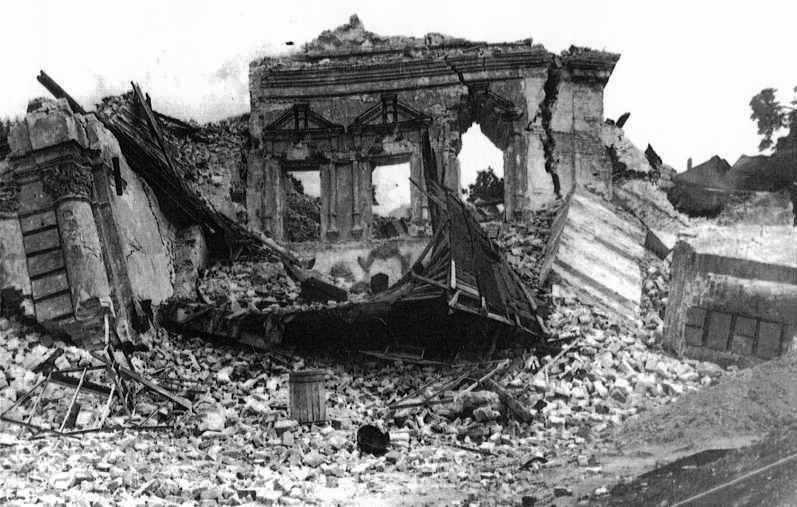
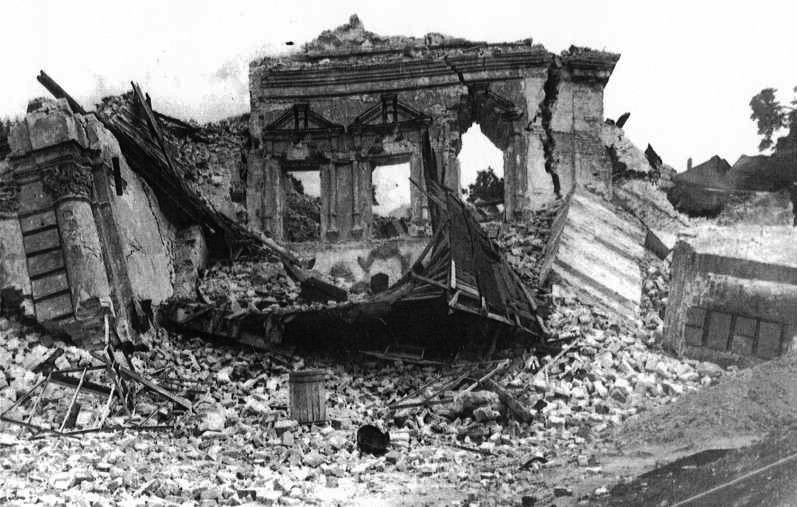
The authorities agreed only to have the mosaics and frescoes taken down. They were shared out among museums in Kyiv, Moscow and Leningrad, and some were lost in the Second World War. The bell tower and cathedral were dismantled from 1935, and what was left of the cathedral was blown up in August 1937. The government centre was never completed: the only building that went up is the one now housing the Ministry of Foreign Affairs. St Barbara's relics went to St Volodymyr's Cathedral, where they remain.
Rebuilding
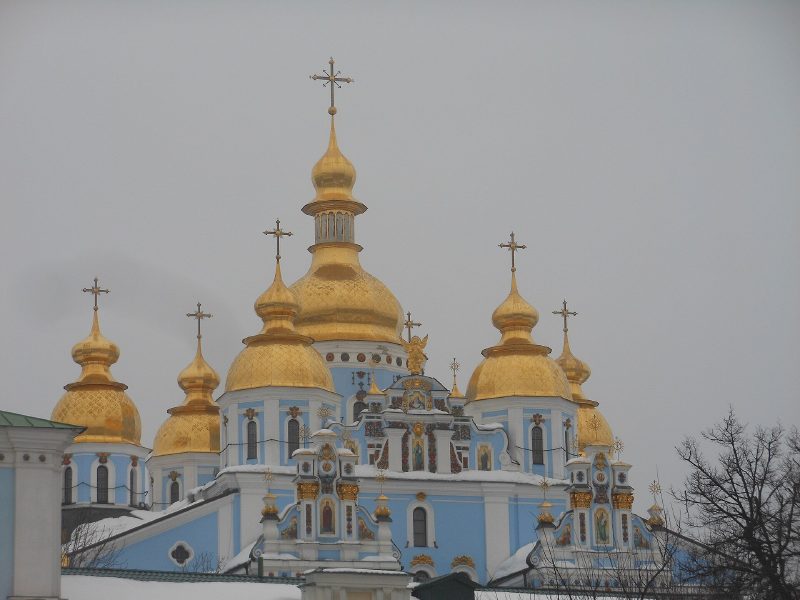
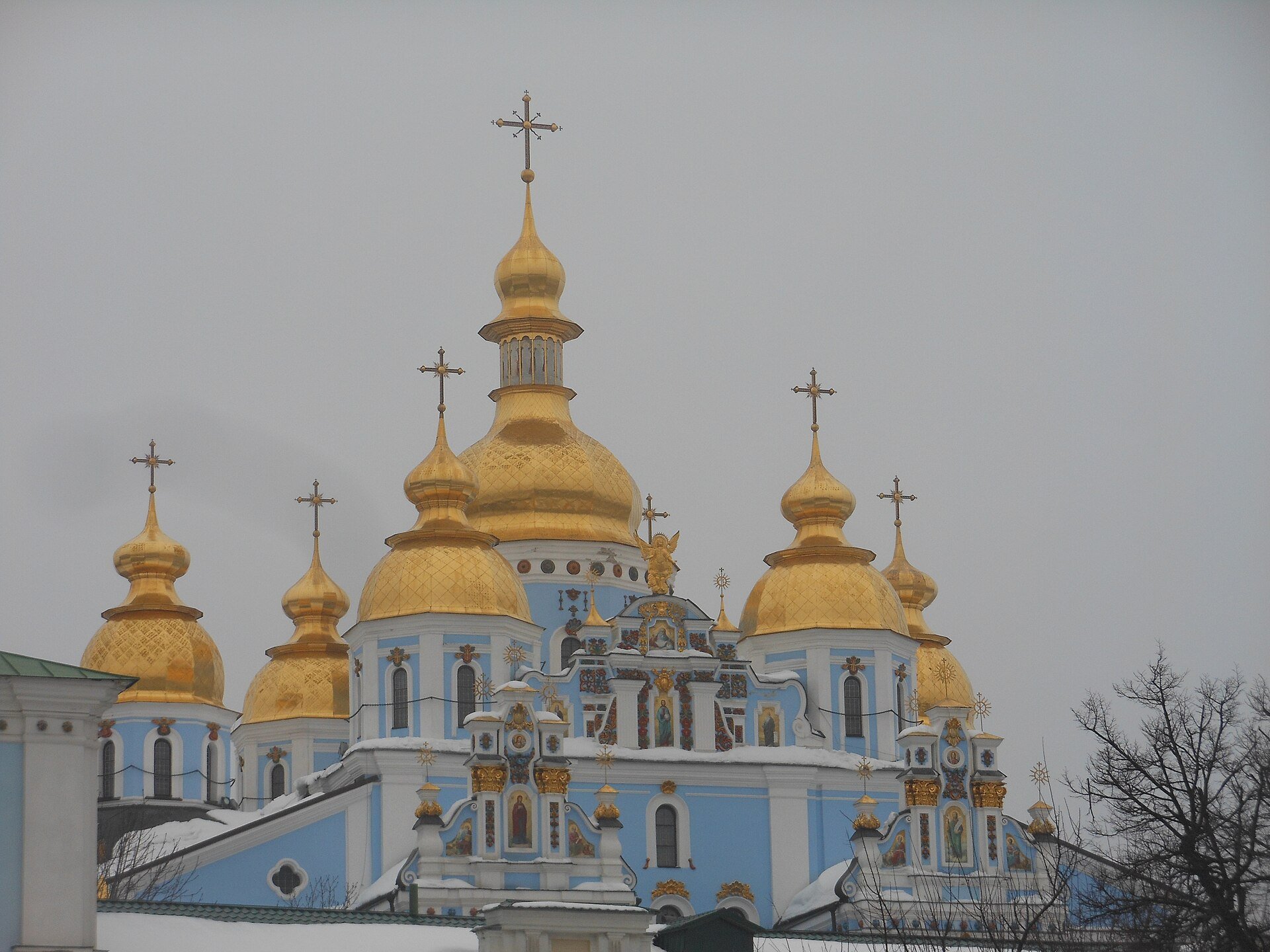
The writer Oles Honchar was among those who campaigned for reconstruction, and in 1995 the state made rebuilding the monastery a national priority. Archaeologists excavated the foundations, and the bell tower was the first building to be recreated. Work on the cathedral began in 1997 to a design by Yurii Losytskyi. The church opened in 1999 and was consecrated on 28 May 2000, once the interiors were finished. The mosaics and murals were made afresh, guided by the surviving fragments. In 2001 and 2004 the Hermitage returned some of the 12th-century frescoes to Ukraine.
In December 2018, after the Unification Council, the monastery passed to the Orthodox Church of Ukraine, and Metropolitan Epiphanius celebrated his first liturgy here as its primate. A Metropolitan's House has operated on the grounds since 2021. In March 2026 the monastery hosted several days of mourning for Patriarch Filaret before a procession carried his coffin to St Volodymyr's Cathedral.
The Maidan and the Wall of Remembrance
On the night of 30 November 2013, after riot police violently dispersed students on the Maidan, the monastery opened its gates to people fleeing the Berkut. In the months that followed, protesters slept in the cathedral and a makeshift hospital was set up in the refectory church. On the night of 11 December 2013 the monastery's bells rang the alarm, and people across Kyiv headed for the city centre. Tradition holds that the alarm had last been rung here in 1240. On 14 May 2025 the monastery's bell-ringing tradition was added to Ukraine's National Inventory of Intangible Cultural Heritage.
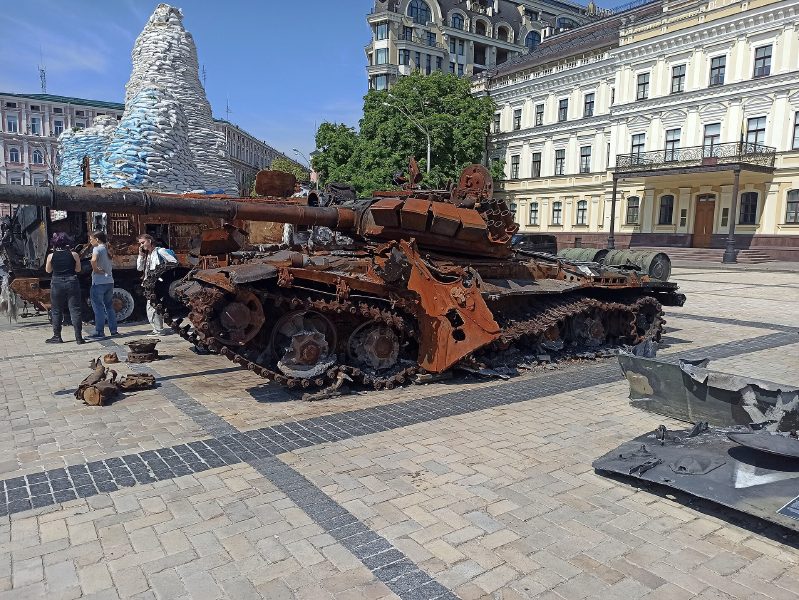
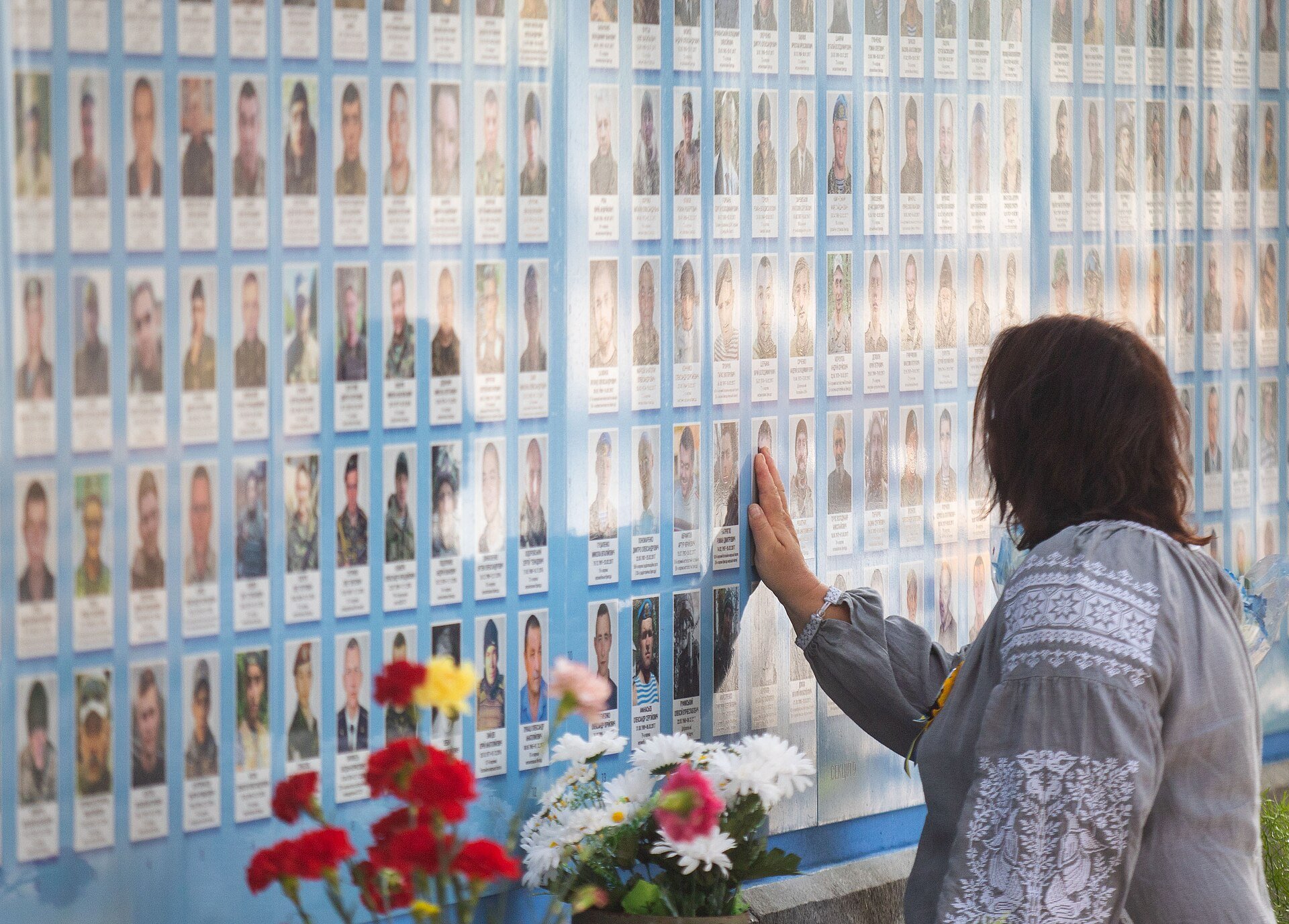
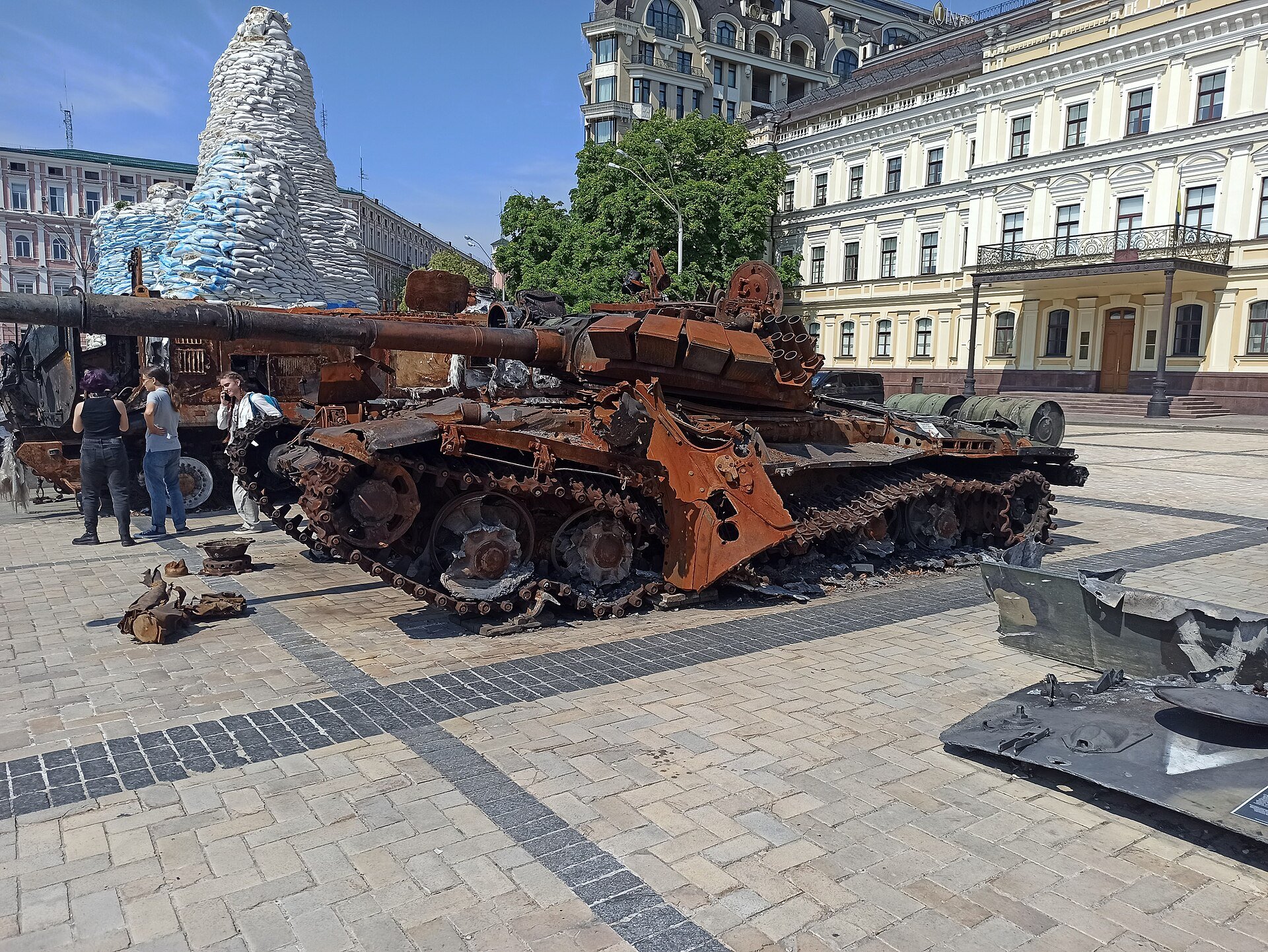
In August 2015 the Wall of Remembrance of fallen defenders of Ukraine appeared on the monastery's outer wall along Trokhsviatytelska St. Since 2022 it has grown to thousands of portraits, and families of the fallen, local people and foreign delegations come to lay flowers. In 2022 burnt-out Russian armour from the battles around Kyiv was put on display on Mykhailivska Square opposite.
What to see
Step into the cathedral, with its recreated mosaics and murals in gold and blue, and into the small refectory Church of St John the Theologian with its 19th-century paintings. The bell tower houses a museum of the monastery's history, with archaeological finds and the story of its destruction and rebuilding, and its clock chimes every hour. Finish with a walk along the Wall of Remembrance. The upper station of the funicular and a viewpoint over the Dnipro and Podil are five minutes away.
Photo gallery · 7 photos
Through the years
-
-
-
-
-
-
-
Then and now
Compare yourself
Drag the slider to see how the place has changed.
Slider


Photo overlay
Video
St Michael's Golden-Domed Monastery on screen
Михайлівський Золотоверхий монастир. 900 років. — HRADOLI · YouTube
Nearby
On the map


This place is a stop on the walk: Old Kyiv: from the Golden Gate to Andriivskyi Descent
Guide
Similar places
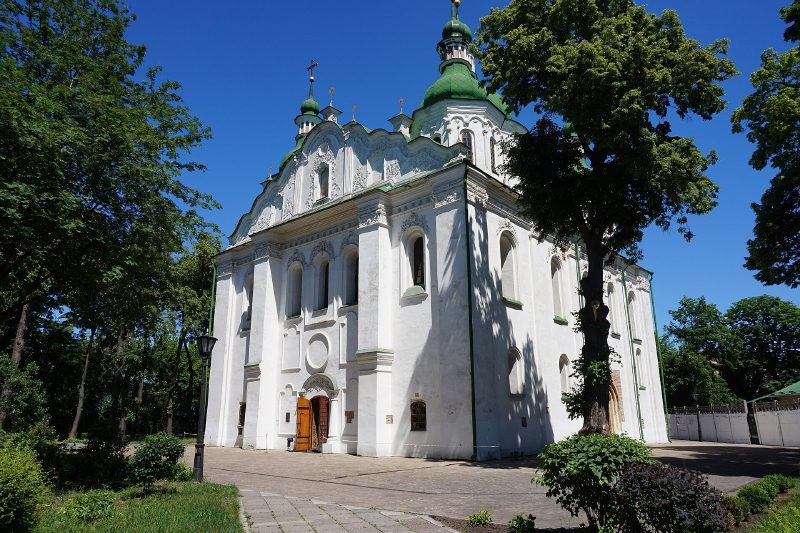 St Cyril's ChurchA 12th-century church at Dorohozhychi, burial place of the Olhovych princes, with Baroque façades by Hryhorovych-Barskyi, medieval frescoes and murals and icons by Mikhail Vrubel.
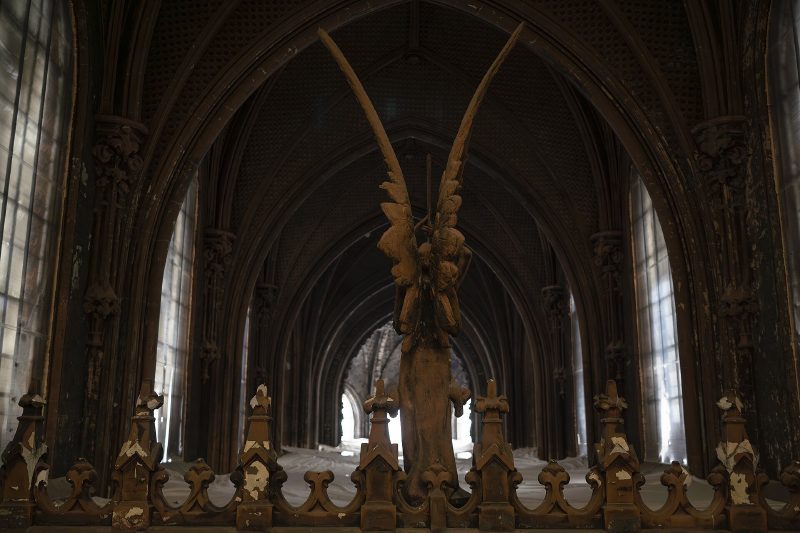 St Nicholas Roman Catholic ChurchHorodecki's Gothic Revival church with twin 60-metre spires: a church, a warehouse, an archive, an organ hall — and a church again, awaiting rescue after the 2021 fire.
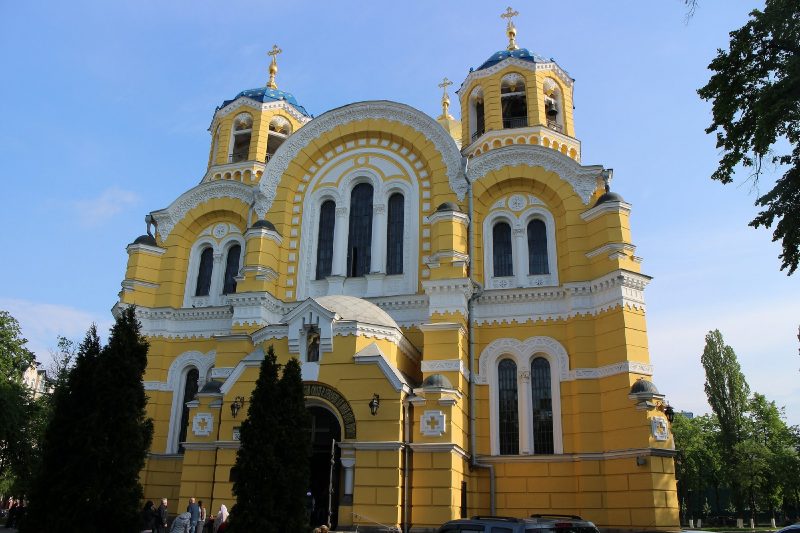 St Volodymyr's CathedralA yellow, seven-domed cathedral on Shevchenko Boulevard, built for the 900th anniversary of the baptism of Rus, with murals by Viktor Vasnetsov, Mikhail Nesterov, Pavel Svedomsky and Mikhail Vrubel.


