
St Andrew's Church

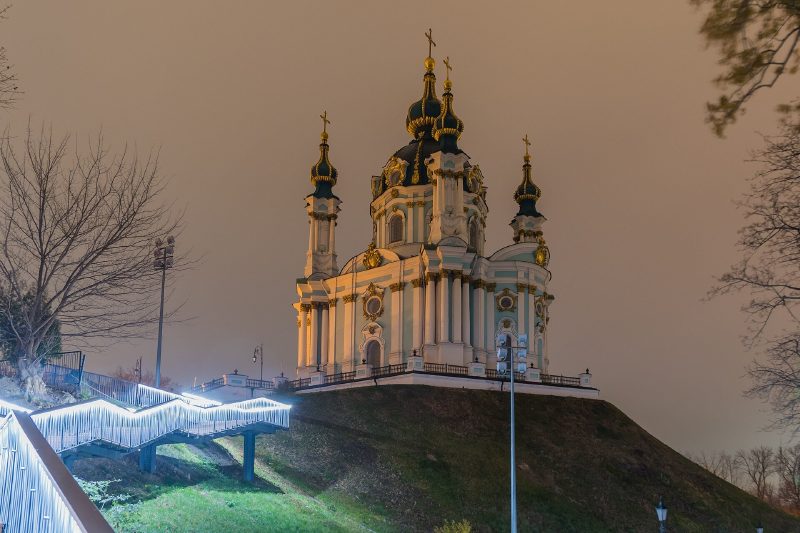
Bartolomeo Rastrelli's Baroque church on steep St Andrew's Hill above Podil, with five green domes, a gilded iconostasis and a terrace commanding one of Kyiv's finest views.
The hill of St Andrew
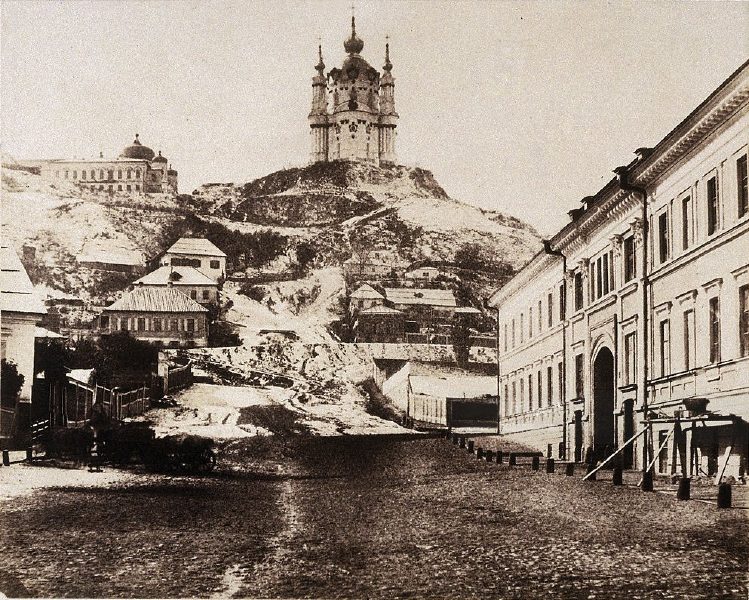
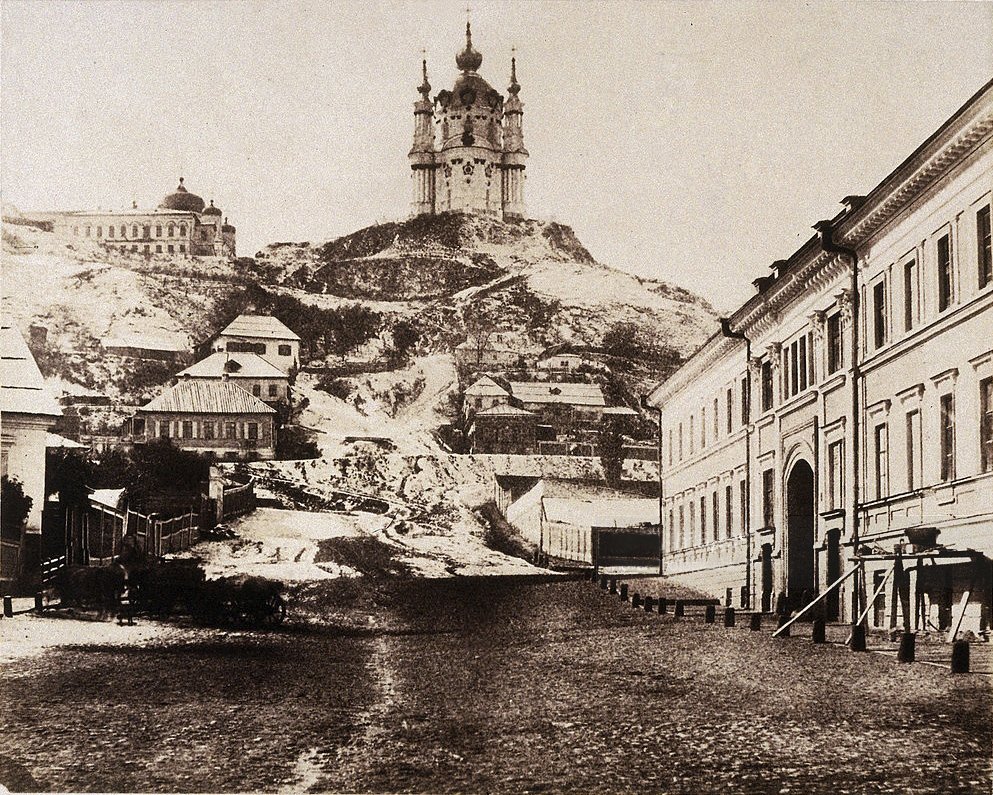
According to the Primary Chronicle, the Apostle Andrew, sailing up the Dnipro, stopped beneath the hills of Kyiv, climbed one of them and set up a cross, foretelling that a great city with many churches would rise there. That hill has long been known as St Andrew's Hill. One church succeeded another on it over the centuries, and the last wooden one was taken down in the first half of the 18th century.
A palace church for Empress Elizabeth
In 1744 the Russian Empress Elizabeth visited Kyiv. She planned a summer residence here, later built as the Mariinskyi Palace, and a palace church on St Andrew's Hill, and on 9 September 1744 she laid the first stones of the church herself. A first design by Johann Gottfried Schädel was rejected, and the commission passed to the court architect Bartolomeo Francesco Rastrelli.
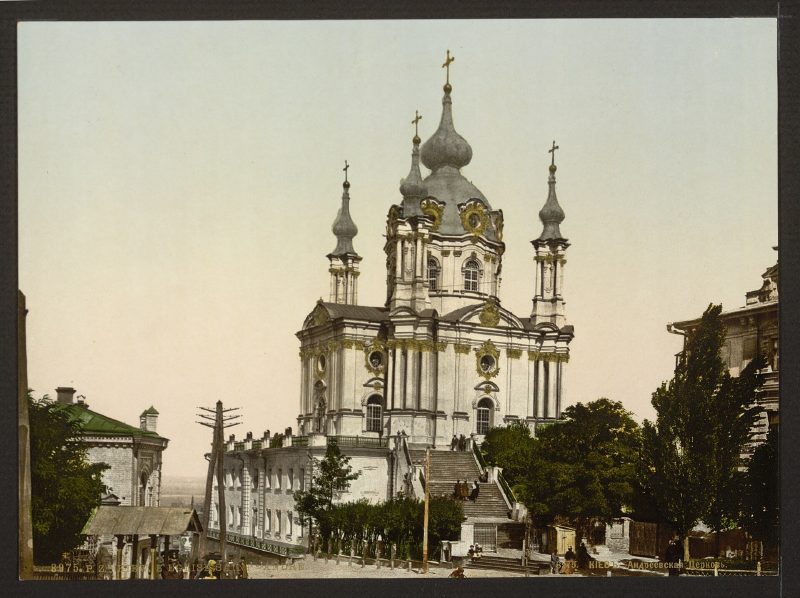
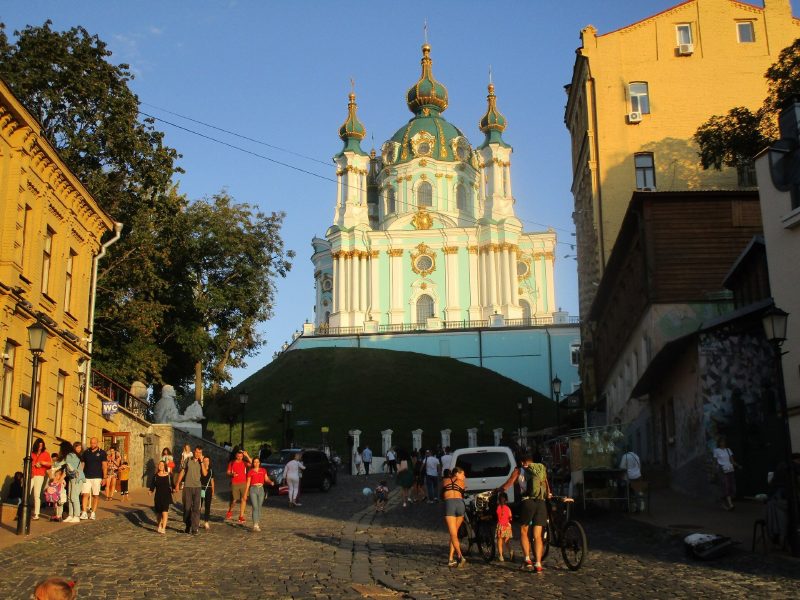
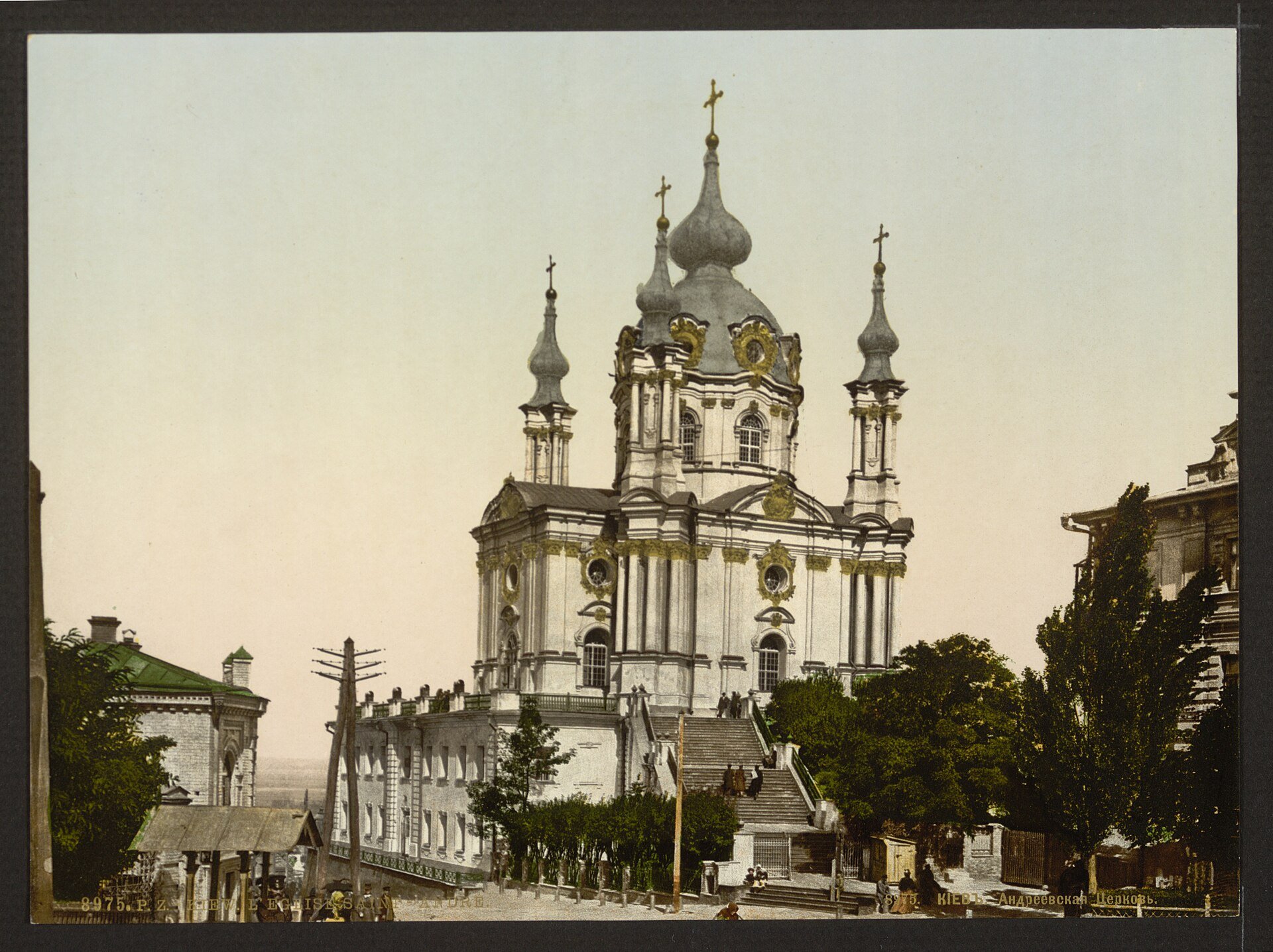
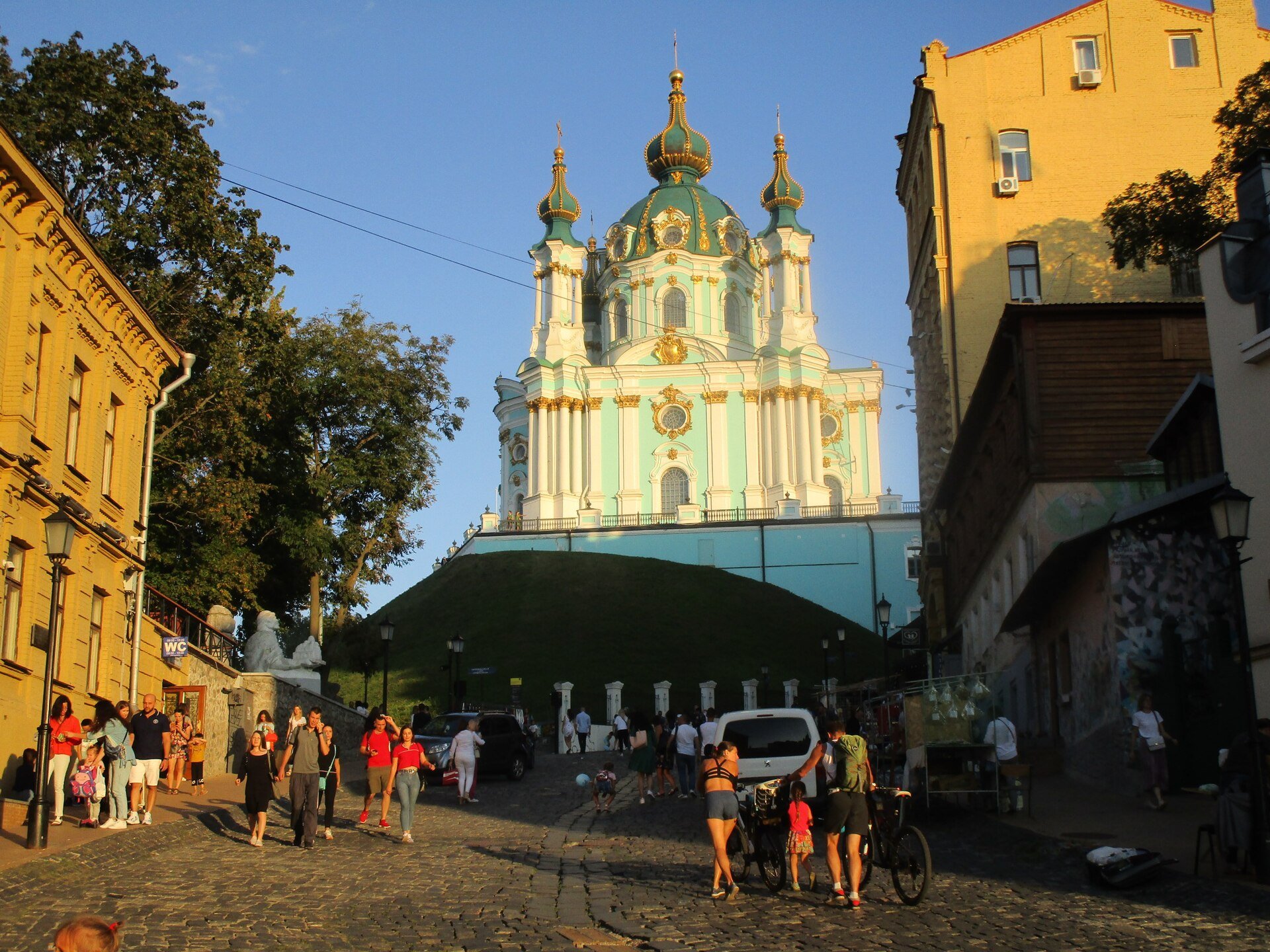
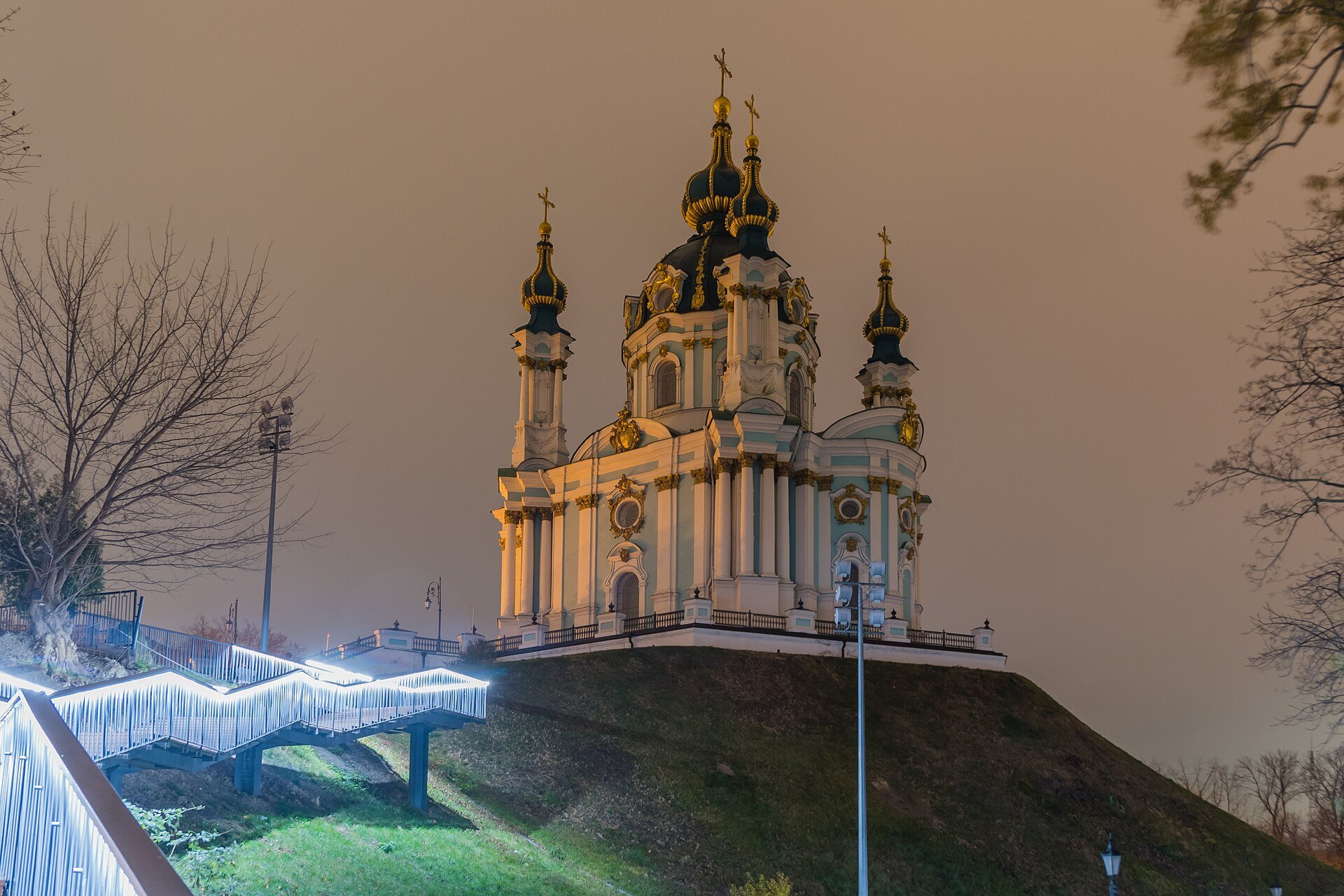
Construction was managed by the Moscow architect Ivan Michurin. His survey of the hill showed that beneath the made ground, soaked by underground water, solid soil lay only at a depth of 13–14 metres. The church was therefore set on a two-storey base building more than ten metres high, whose walls serve as its foundation. The masonry was finished in 1754, but the decoration took more than another decade, and the church was not consecrated until 1767. Its single-domed, cross-shaped body is framed by four decorative towers with Corinthian columns. The green domes, white and turquoise façades and gilded ornament make its silhouette instantly recognisable from Podil and the river.
Rastrelli's interior
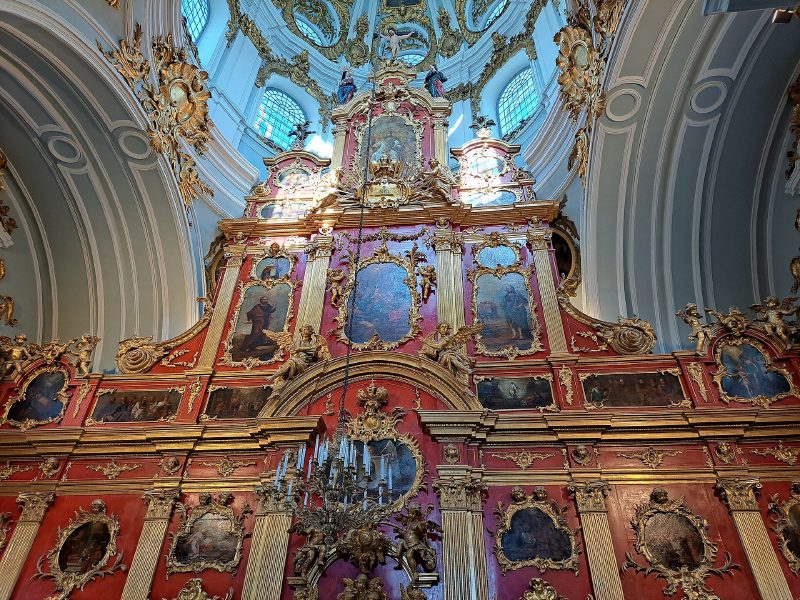
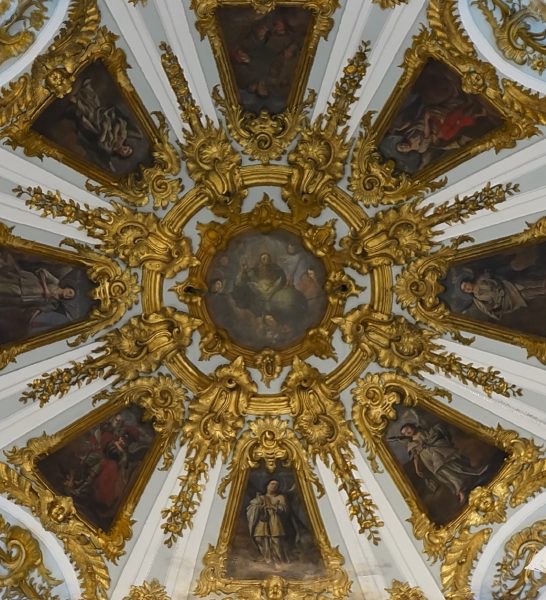
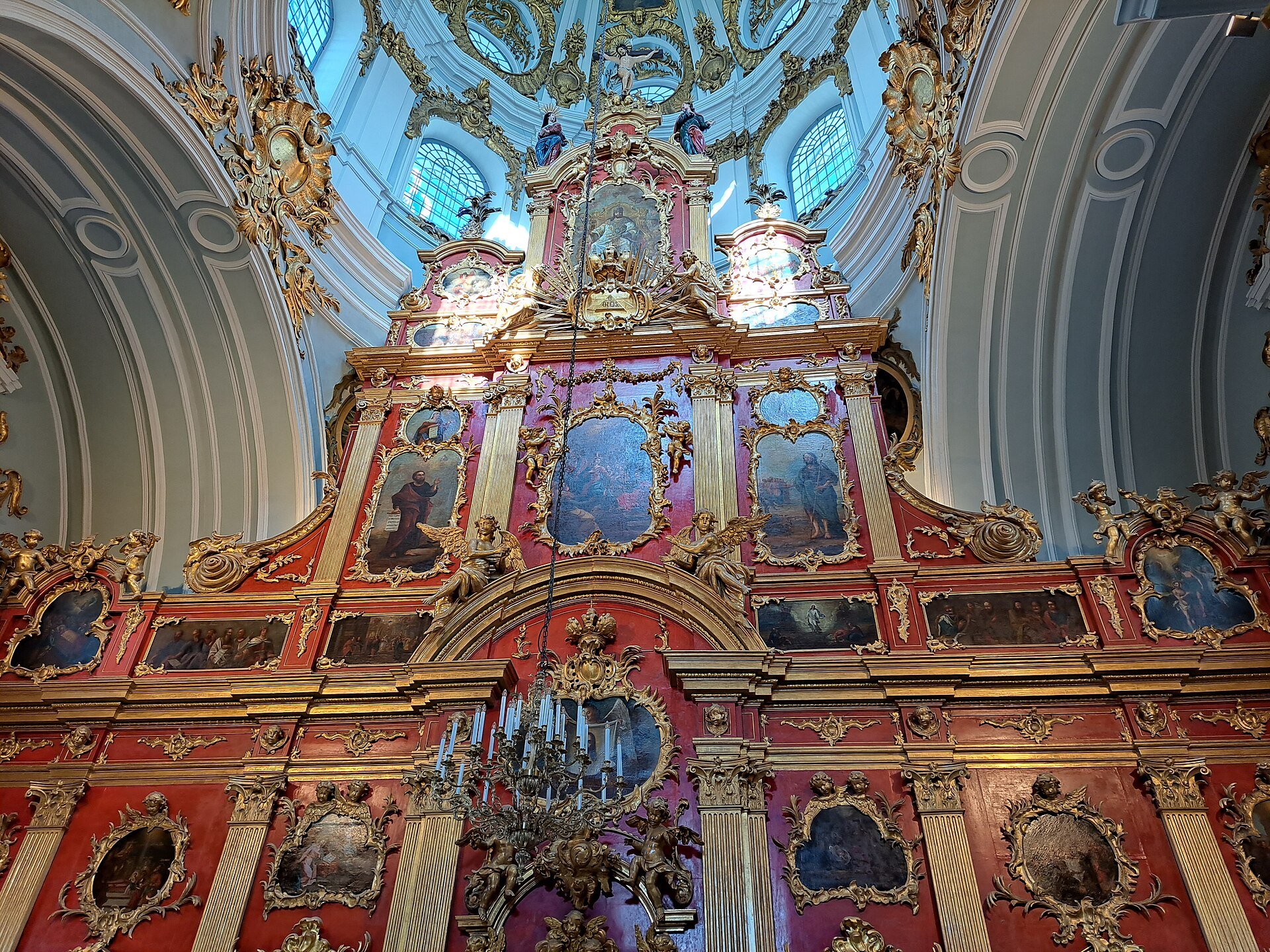
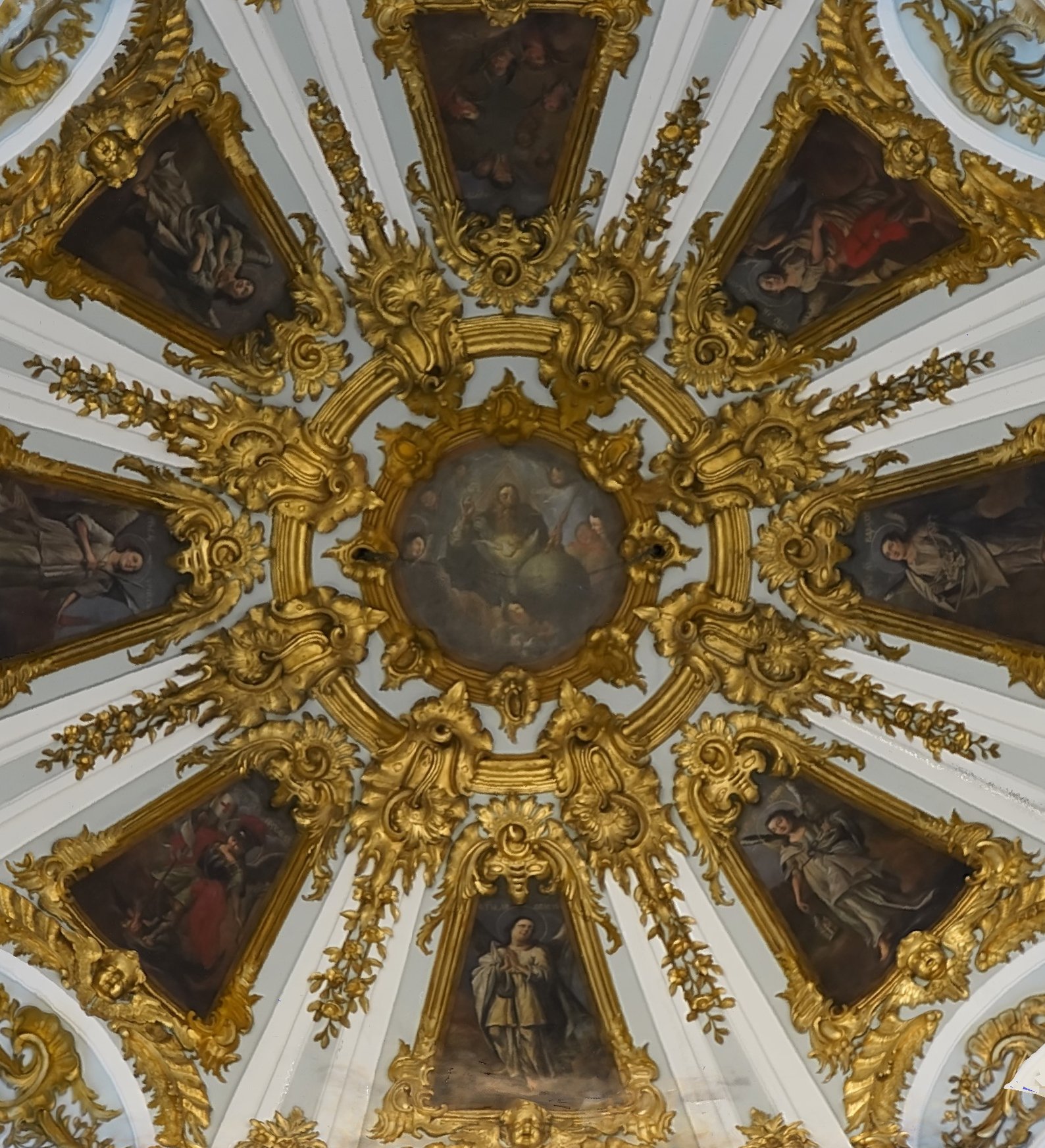
The interior has no piers and no galleries, so the space beneath the dome opens up at once. Its highlight is the carved and gilded iconostasis to Rastrelli's drawings. To save time, its parts were carved in St Petersburg and then assembled in Kyiv. The icons were painted in 1751–1752 by Ivan Vishniakov's team of painters, and Oleksii Antropov painted several images as well as the Last Supper in the sanctuary. The ciborium over the altar and the pulpit are equally fine. Two 19th-century canvases in the transept illustrate chronicle accounts of how Christianity spread in Rus. The preserve describes this as the only sacred interior designed by Rastrelli to survive intact.
From parish to museum and stavropegion
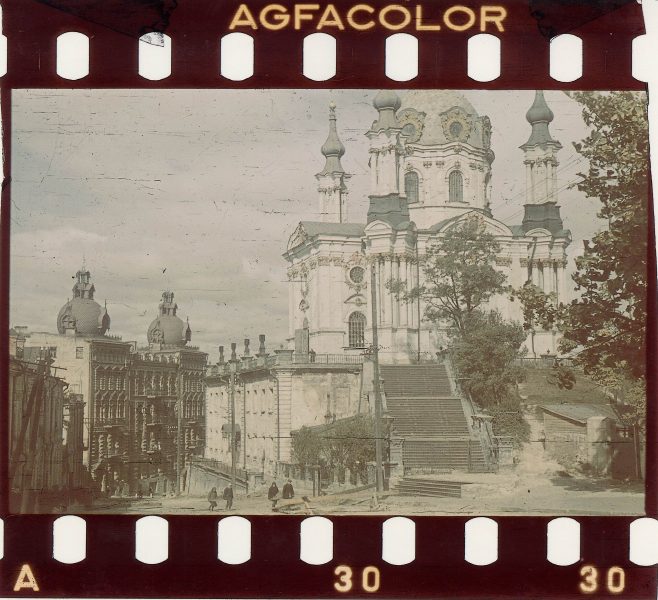
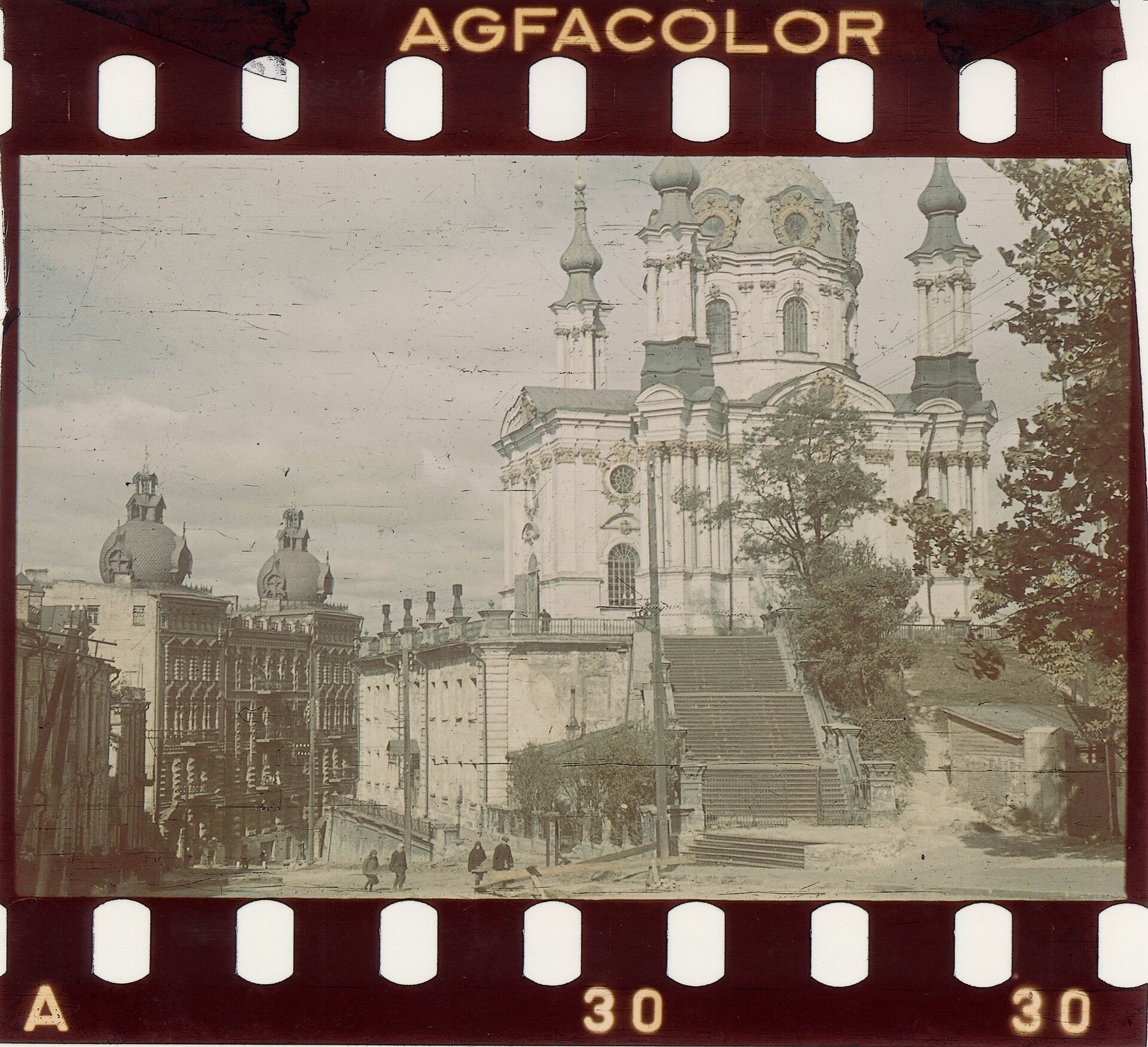
Soon after its consecration the church was handed to the Kyiv magistracy and later to the city council. In 1932 the Soviet authorities banned services here, and during the 1930s the church became a branch of museum institutions. Services resumed during the Second World War, but the church was closed again in 1961. In 1968 an architectural and historical museum opened inside, later becoming part of the Sophia of Kyiv National Preserve. The restoration of 1974–1987 drew on copies of Rastrelli's original drawings found in the Albertina in Vienna.
In the early 21st century the Ukrainian Autocephalous Orthodox Church held services here. On 18 October 2018 the Verkhovna Rada passed a law granting the church to the Ecumenical Patriarchate for use free of charge. It became the Stavropegion of the Patriarchate of Constantinople while remaining state property and a museum. The Stavropegion celebrated its first hierarchical liturgy here on 13 December 2018, the feast of St Andrew.
Saving the hill: the great restoration
The main threat lies beneath the church: for years landslides ate into St Andrew's Hill, and the walls and foundations cracked. Before Euro 2012 the slope was stabilised and the roadway of Andriivskyi Uzviz rebuilt. A full programme of emergency and restoration work then ran for eleven years, from 2009 to 2020. The church was formally reopened on 13 December 2020 and has welcomed visitors again since 15 December that year. In 2022 the project won a Europa Nostra award for heritage conservation.
How to visit
A steep cast-iron staircase leads up to the entrance from Andriivskyi Uzviz. Be sure to walk around the church along the terrace behind the balustrade, which looks out over the roofs of Podil, the Dnipro, Trukhaniv Island and the Left Bank. Andriivskyi Uzviz itself starts below, with its galleries, Richard's Castle and the One Street Museum. The final scene of the comedy Chasing Two Hares, with its botched wedding, was filmed beside the church, and the spot is easy to recognise.
Photo gallery · 7 photos
Through the years
-
-
-
-
-
-
-
Then and now
Compare yourself
Drag the slider to see how the place has changed.
Slider


Photo overlay
Video
St Andrew's Church on screen
Десятилітня реставрація закінчилася – у Києві відкриють оновлену Андріївську церкву — ТСН · YouTube


Guide
Similar places
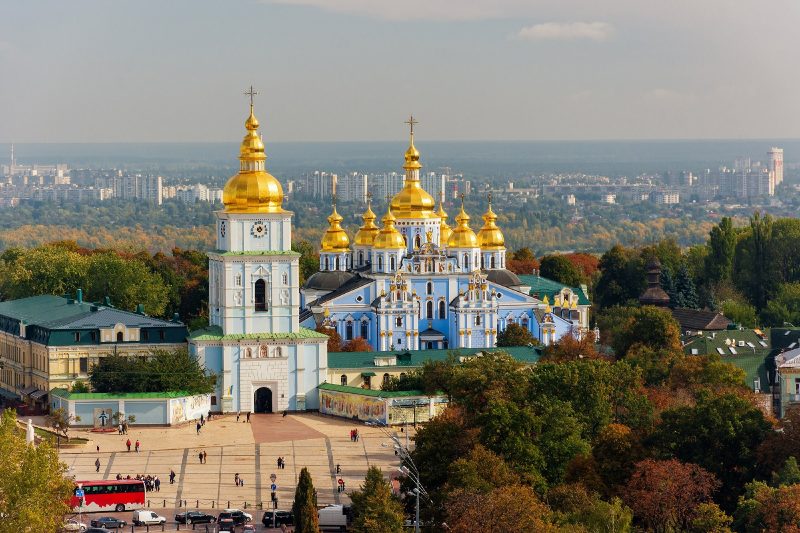 St Michael's Golden-Domed MonasteryA 12th-century monastery destroyed by the Soviet authorities in the 1930s and rebuilt in the late 1990s, now the main cathedral of the Orthodox Church of Ukraine, its wall lined with the faces of fallen defenders.
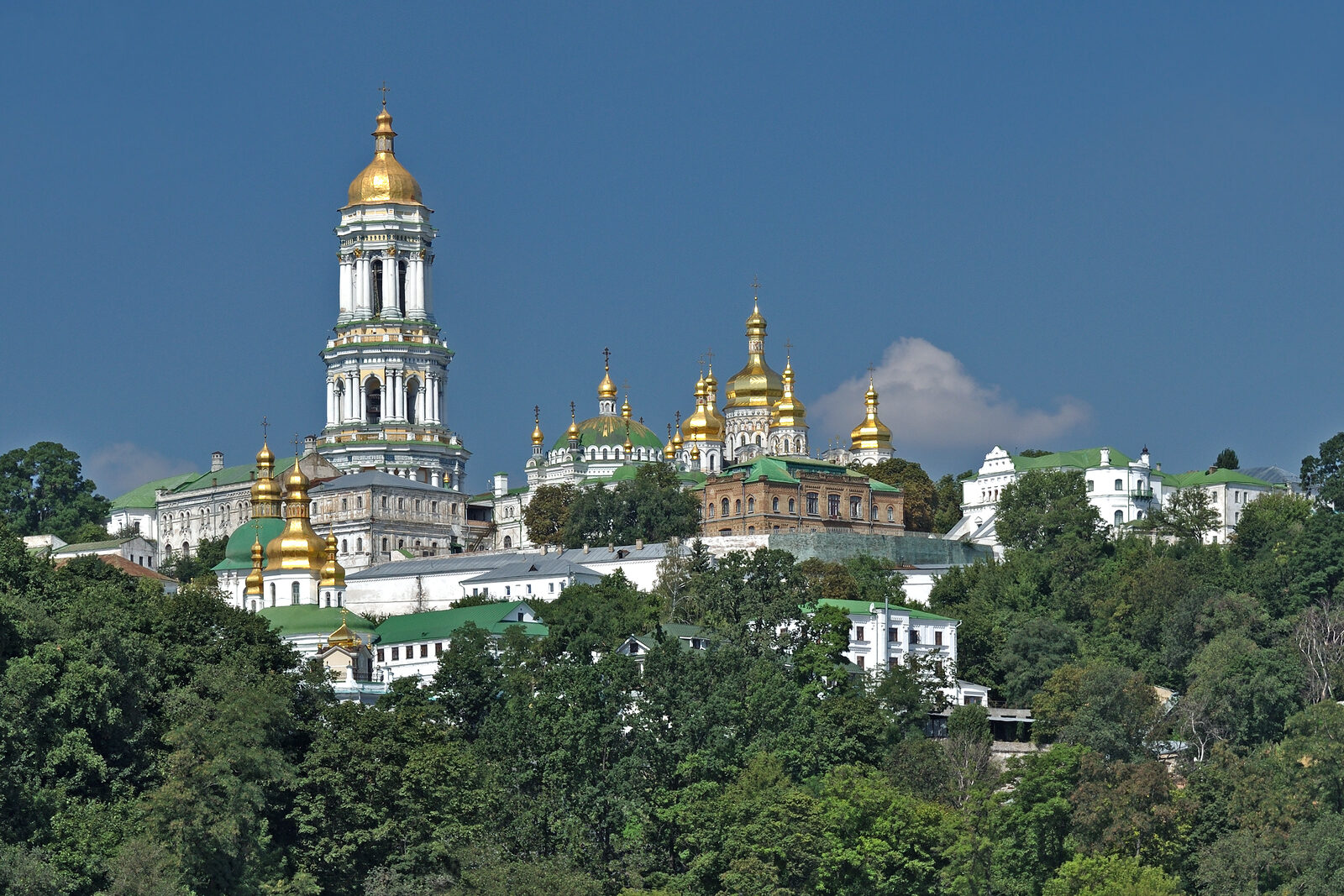 Kyiv-Pechersk LavraA monastery founded in 1051 in caves above the Dnipro: the Dormition Cathedral, the Trinity Gate Church, the Great Bell Tower and underground passages with saints' relics.
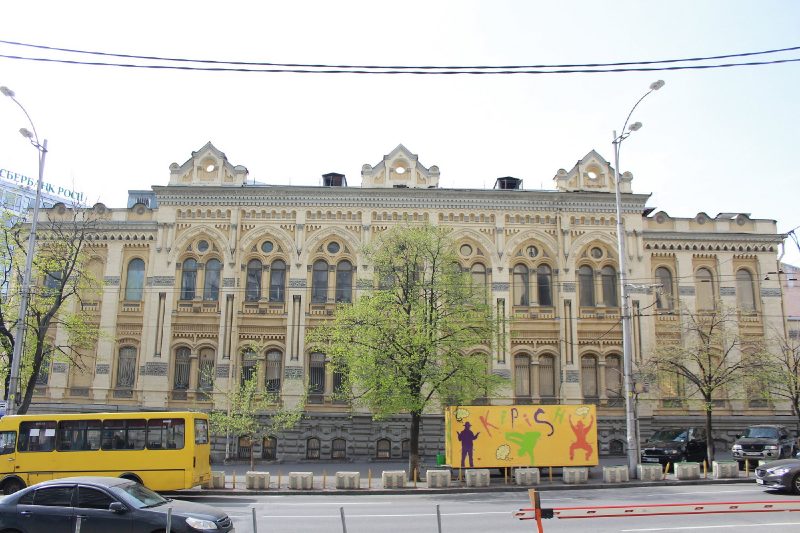 Brodsky Choral Synagogue in Kyiv: History and ArchitectureThe Brodsky Choral Synagogue on Shota Rustaveli Street opened in 1898. Discover how it was built through a clever trick, lost in Soviet times and reborn.


