
- Home
- Places
- Architecture
- Richard the Lionheart's Castle
Richard the Lionheart's Castle

A Gothic Revival "castle" of towers and battlements halfway up Andriivskyi Uzviz: a 1902–1904 apartment house wrapped in legends about stolen drawings, howling walls and a knight-king from Viktor Nekrasov's childhood games.
A contractor's apartment house
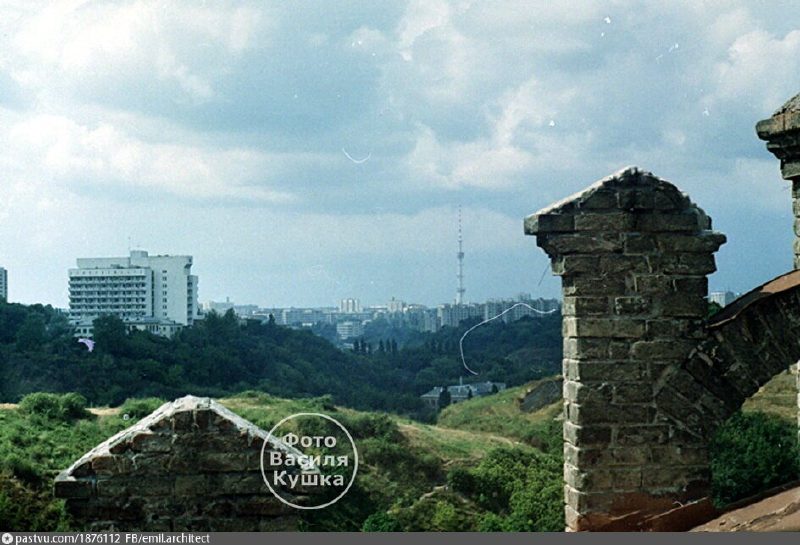
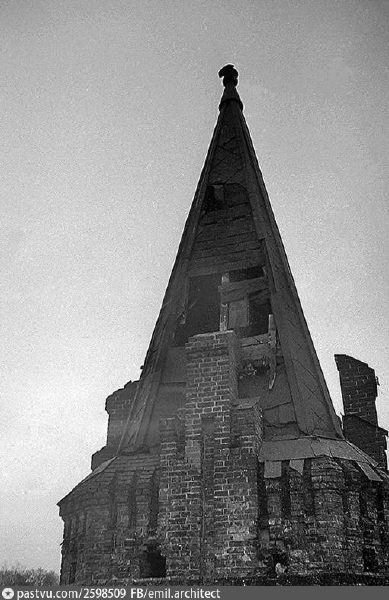
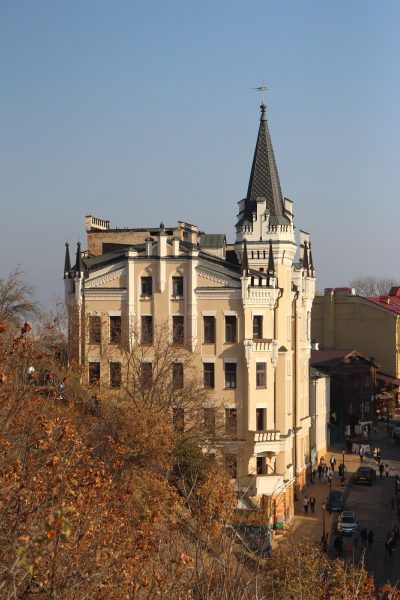
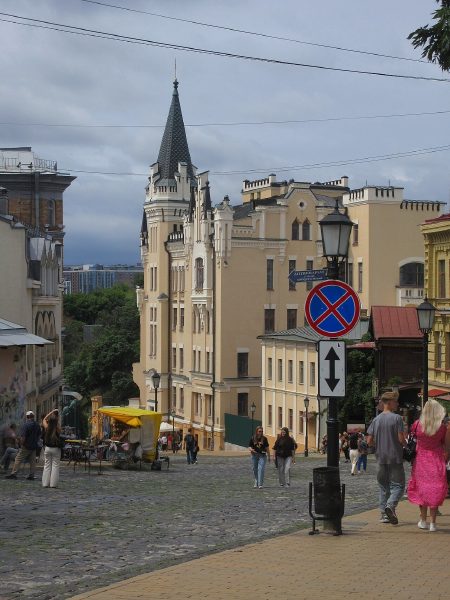
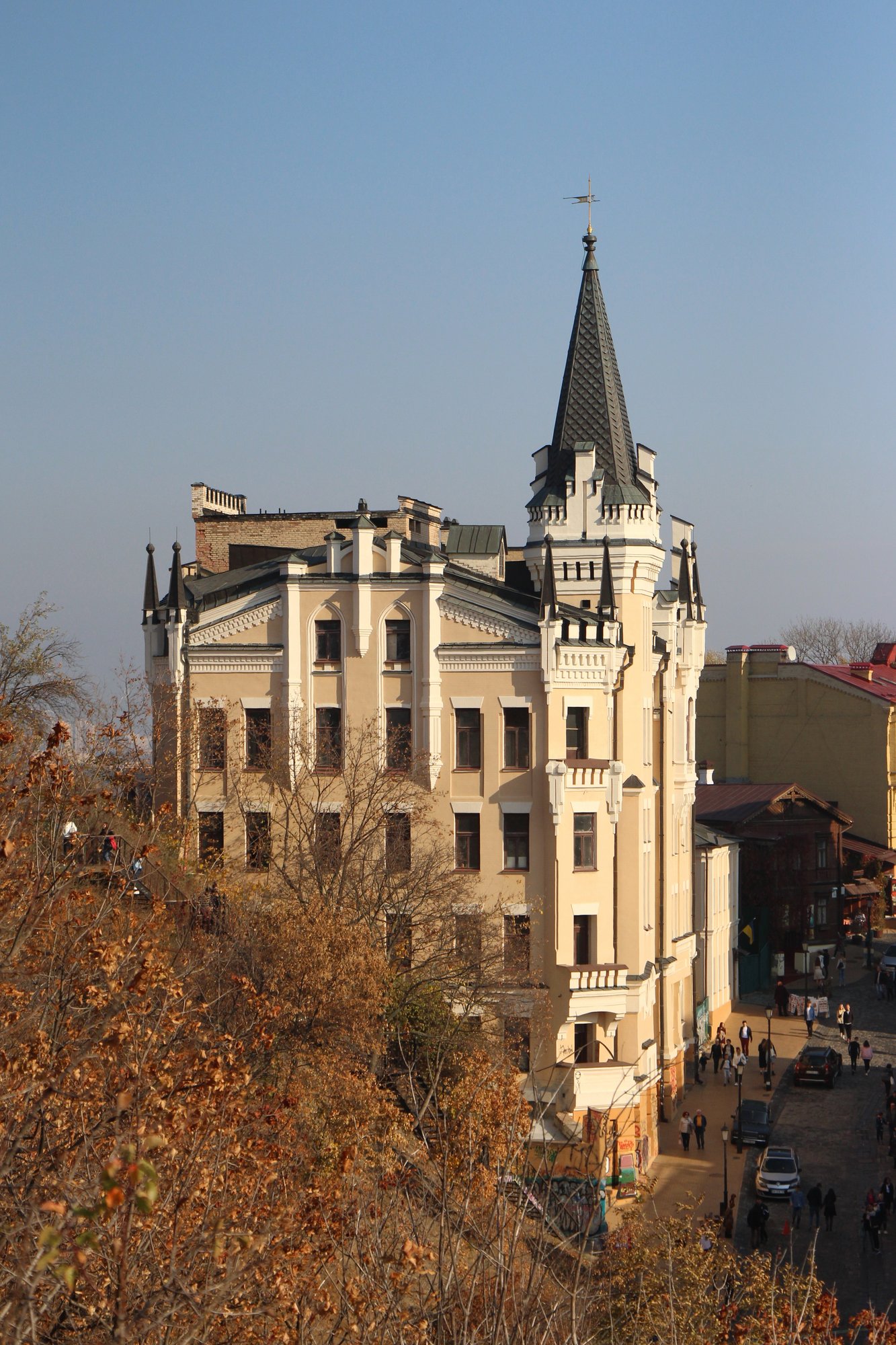
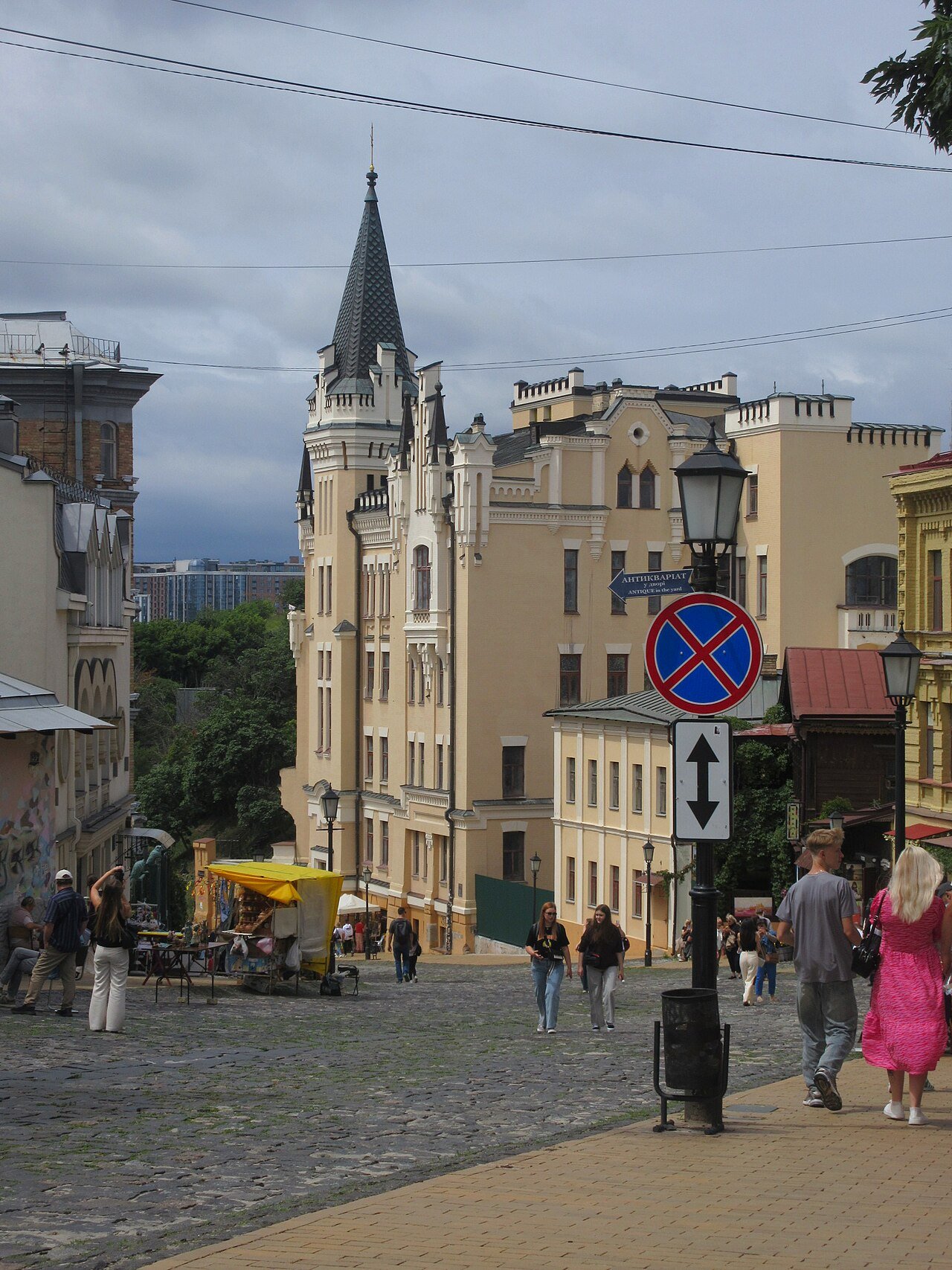
House No. 15 clings to the steep slope of Uzdykhalnytsia, one of the hills named in Kyiv's medieval chronicles, just below St Andrew's Church. From the street it looks like a real fortress: a tall spired tower on the left, smaller turrets, crenellated parapets and pointed windows. In fact it is an ordinary early-20th-century apartment house built to rent out flats.
It was put up in 1902–1904 by the contractor Dmytro Orlov. Who actually designed it is unknown. It was once wrongly attributed to Vladyslav Horodetskyi, and the most popular legend claims that Orlov "borrowed" drawings of a building that the academician Marfeld had designed for the Ministry of Internal Affairs on Aptekarsky Island in St Petersburg. Construction supposedly started without the city's knowledge, and a fire near the end of the works delayed completion until late 1904.
To finish his "castle" Orlov took out a loan from the Kyiv Credit Society and lived off the rent. In 1911 he was shot in unexplained circumstances, and his widow, burdened with debts, sold the house.
Where the name comes from
Neither the architects nor the owners called the house "Richard the Lionheart's Castle". According to the writer Viktor Nekrasov, he and his friends came up with the name as children: they played knights in the courtyard, and the Gothic towers reminded them of the castle of King Richard I from Walter Scott's Ivanhoe. The name caught on after 1967, when Nekrasov told the story in his essay "The Turbins' House" in the magazine Novy Mir.
A second, less reliable version credits a merchant named Richard Yurevych, who supposedly lived here for decades and was jokingly nicknamed "the Lionheart" by his neighbours.
The house that howled at night
The castle's best-known legend is about sound. Early tenants complained of an eerie howling that came from the walls and chimneys on windy nights; nobody stayed long, and the house got a reputation for being cursed. The mystery, so the story goes, was solved by the historian Stepan Holubiev, a professor at the Kyiv Theological Academy who rented a flat here: eggshells had been walled into the flues and the necks of glass bottles set into the masonry, and the wind whistling through them produced the "unearthly" noises.
It is said to have been the builders' revenge on a stingy contractor who never paid them in full. There is no documentary proof, but the tale made the house one of the most mysterious in Kyiv.
Artists and residents
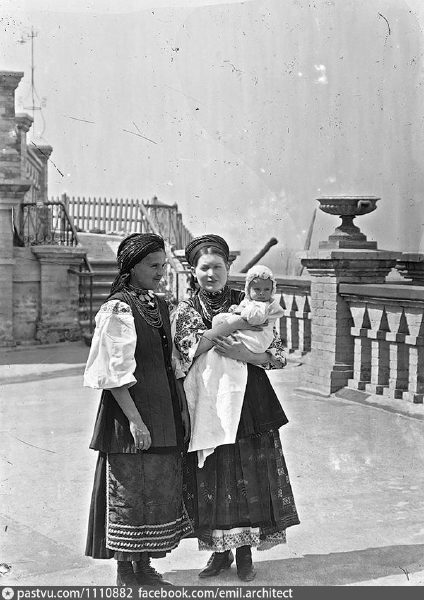
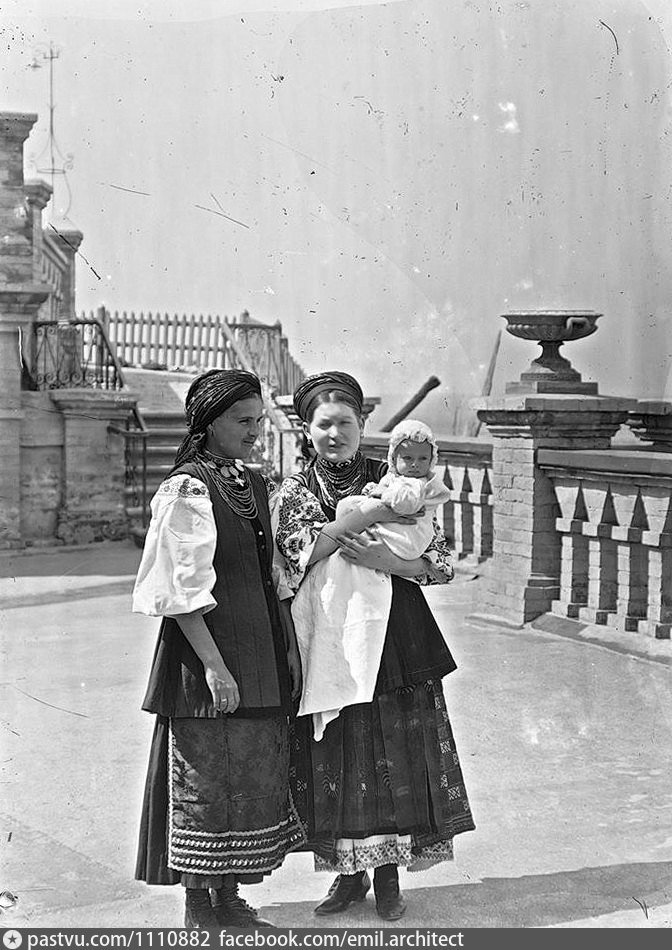
In the early 20th century the "castle" was popular with artists. The painter Fotii Krasytskyi, a grand-nephew of Taras Shevchenko, lived here in 1905–1909, and in 1905–1906 the house was home to the editorial office of the satirical magazine Shershen ("The Hornet"). A memorial plaque on the façade honours the painter Hryhorii Diadchenko, who lived here from 1909 to 1921. The sculptor Fedir Balavenskyi and the painter Ivan Makushenko are also listed among the residents.
Several displays in the Museum of One Street on Andriivskyi Uzviz tell the story of the house and its people, with personal belongings, artworks, photographs and plans of the castle.
Decline, reconstruction and today
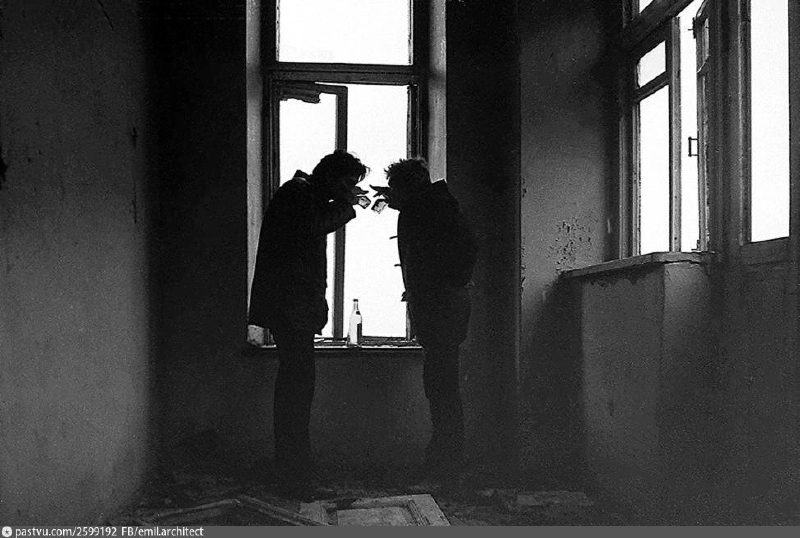
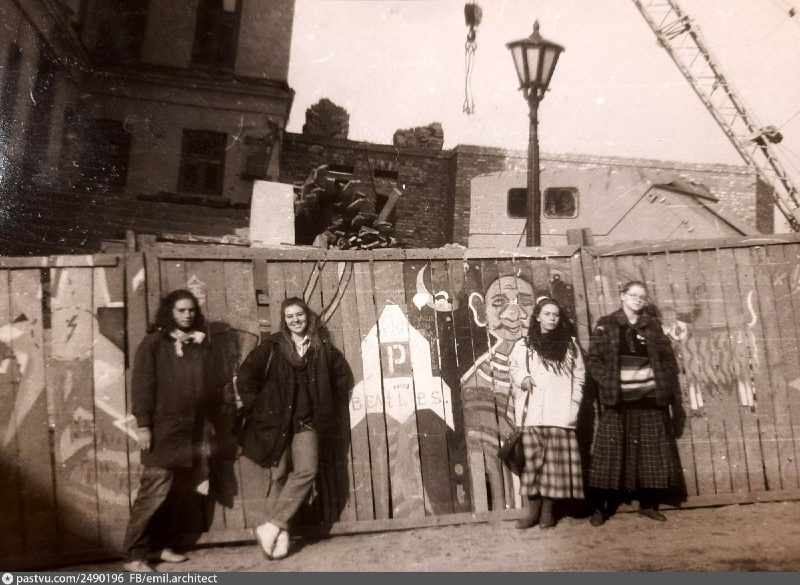
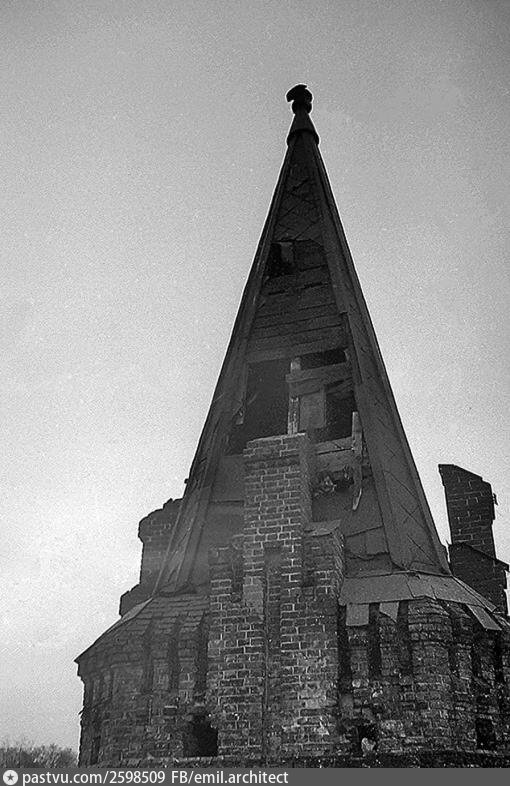
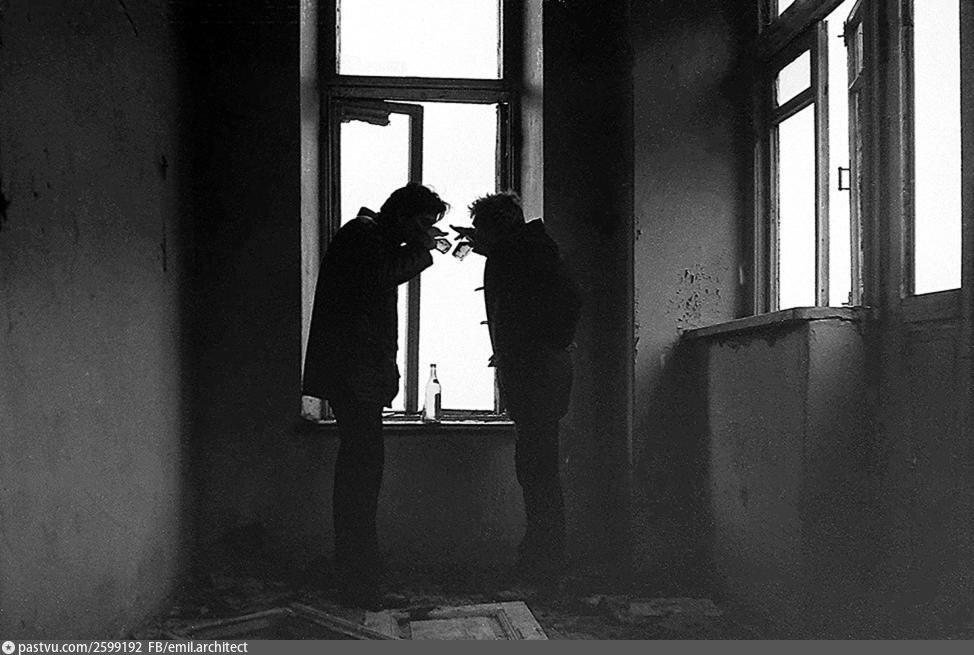
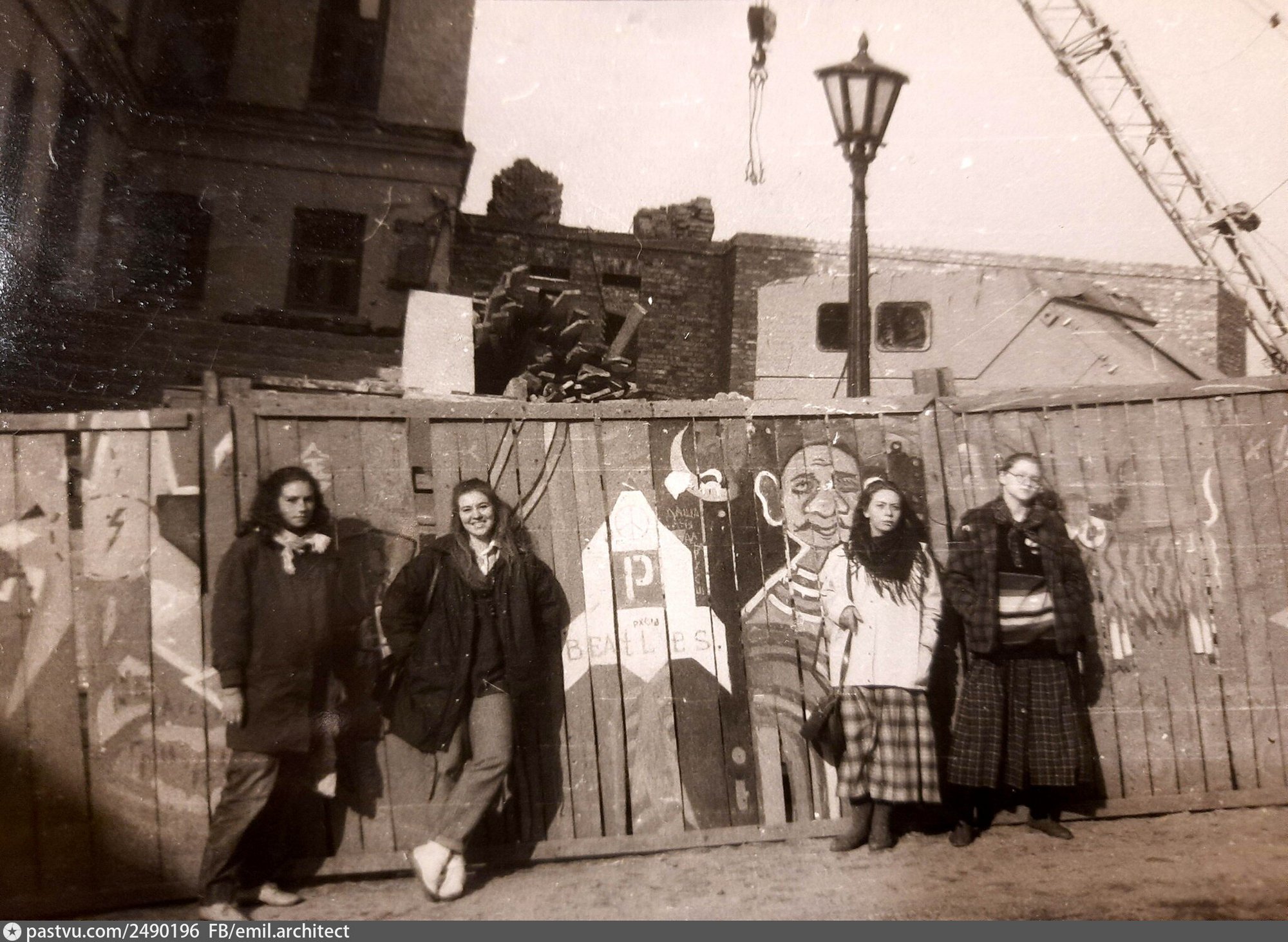
In Soviet times the flats became communal apartments and the house slowly decayed. In the 1980s, after the residents were moved out, its empty halls with bare brick walls and the half-ruined tower attracted photographers and the city's counterculture. Reconstruction followed in the late 1980s and early 1990s: the one-storey outbuilding was pulled down in 1988, and the street-side staircase was added during works in 1991–1992.
In the late 1990s the building was bought by Yurii Chopivskyi, an American businessman of Ukrainian descent. Plans for a hotel, restaurant or gallery never materialised; in 2013 there were reports that it would become a rental apartment building. Since then the castle has mostly stood empty. In November 2023 work began on a white-brick rooftop extension — Kyiv's heritage protection department said no permit had been issued and ordered the work to stop.
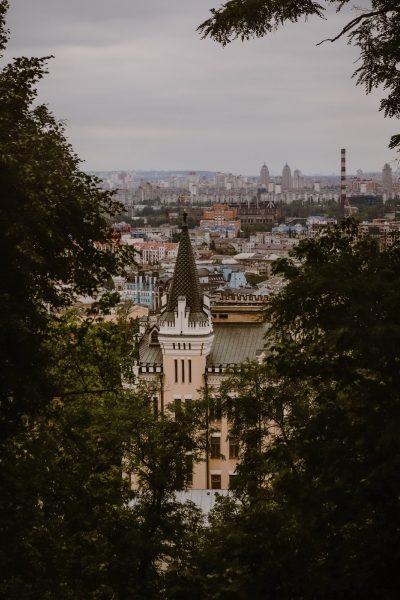
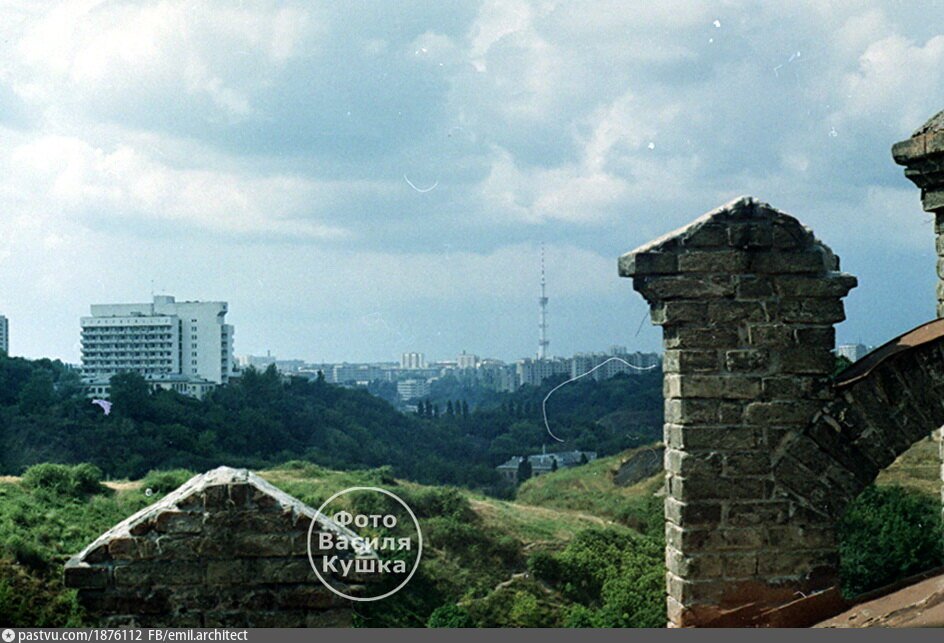
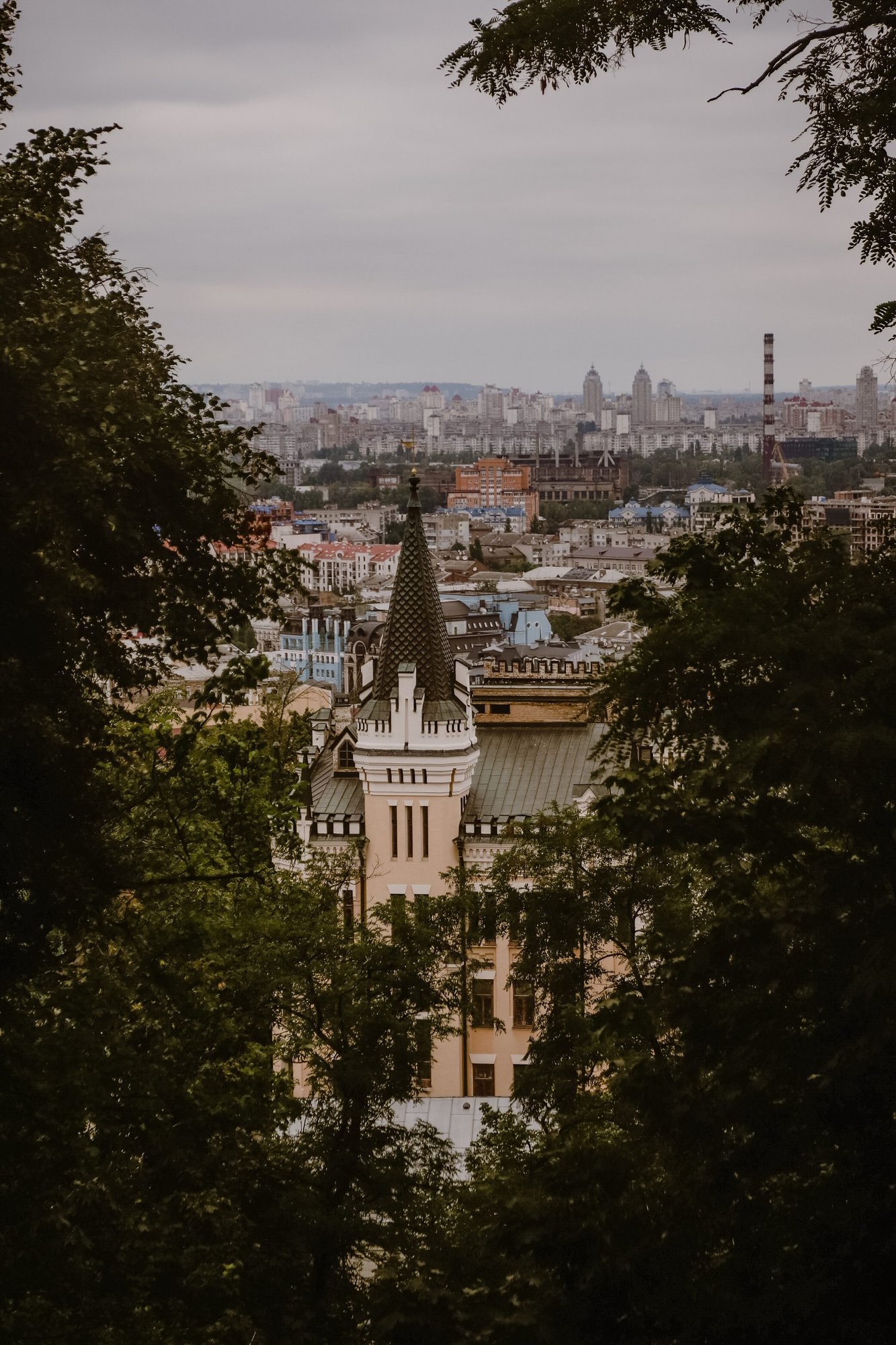
Whatever its fate, No. 15 remains one of the most photogenic buildings on Andriivskyi Uzviz. The best views of the tower are from below, on the Kontraktova Square side, and from above — from the steps by St Andrew's Church and from Castle Hill.
People and eras

Photo gallery · 8 photos
Through the years
-
-
-
-
-
-
-
-
Then and now
Compare yourself
Drag the slider to see how the place has changed.
Slider


Photo overlay


Video
Richard the Lionheart's Castle on screen
Таємниці тисячоліть. Замок Річарда — Віче · YouTube


Guide
Similar places
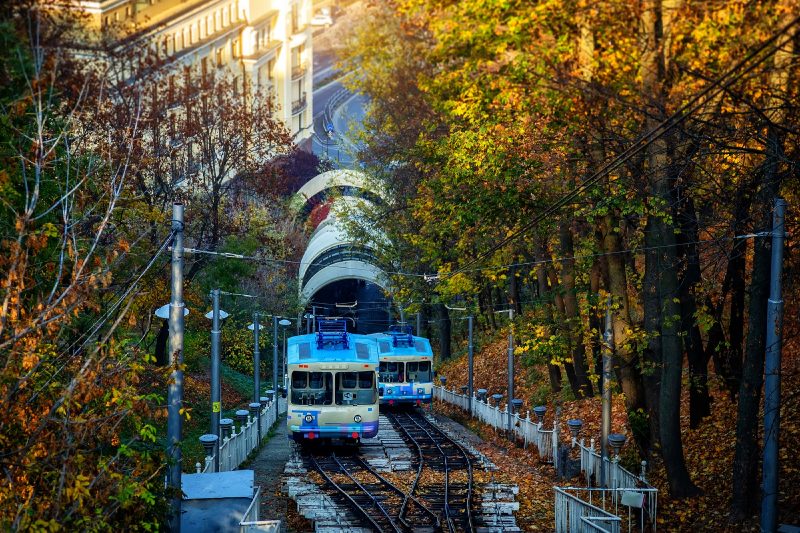 Kyiv FunicularA cable railway of 1905 that lifts you from Poshtova Square to Volodymyrska Hill in three minutes: part of the city transport network and the quickest way from Podil to the Upper Town.
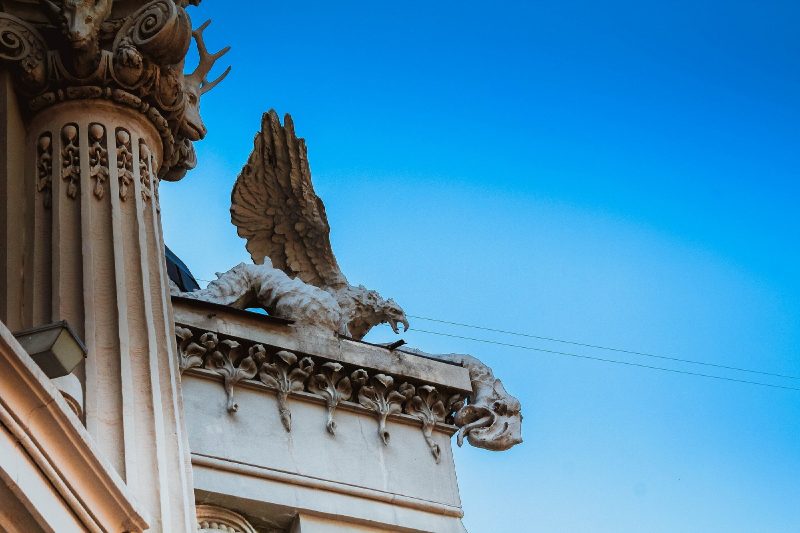 House with ChimerasVladyslav Horodetskyi's own house on a cliff above Franko Square, with elephants, frogs, rhinos and sea monsters on the façade, now a residence of the President of Ukraine.
 Monument to Hetman Ivan Mazepa (Eternal Kyiv)Unveiled in 2009, Frank Meisler's Eternal Kyiv sculpture honors Hetman Ivan Mazepa with a rotating dove above the churches he built. Discover its story and symbols.


