
Kyiv Zoo

One of Ukraine's oldest zoos: an enthusiasts' menagerie in the Botanical Garden, at Shuliavka since 1913. Home to Horace the elephant and Animal Island; its staff stayed with the animals through the war.
A menagerie in the Botanical Garden
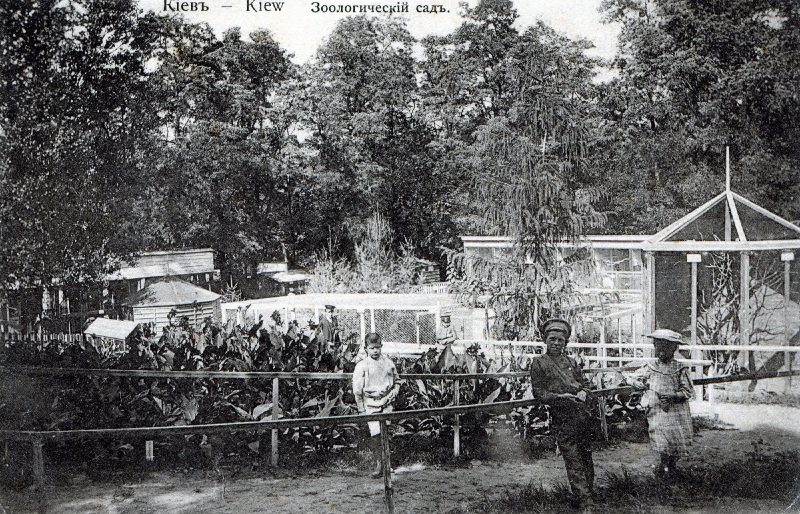
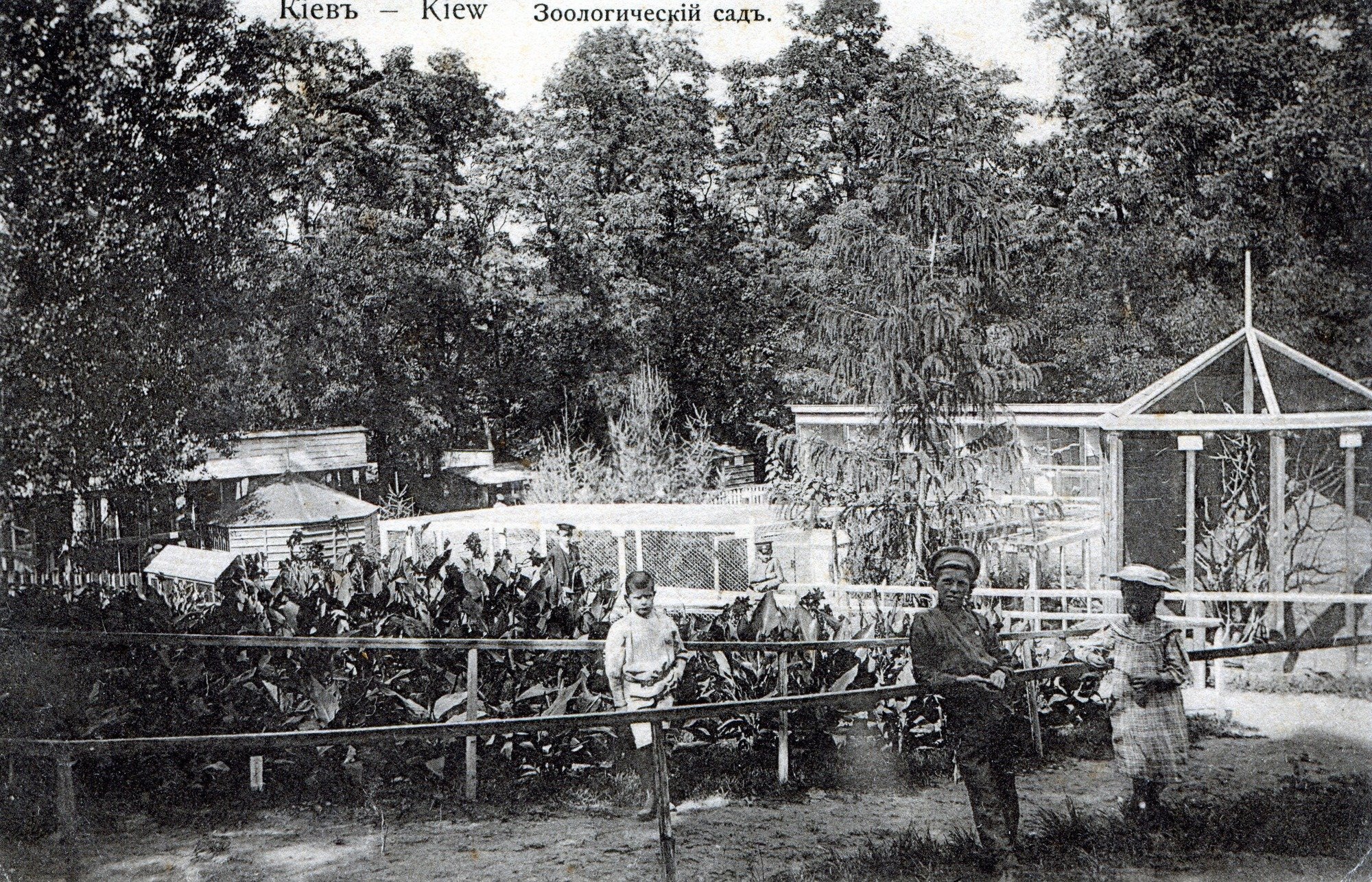
The zoo was started not by officials but by enthusiasts: members of the Kyiv Society of Nature Lovers, among them professors at St Volodymyr University and the Polytechnic Institute, schoolteachers and doctors. The zoo dates its official founding to 21 March 1907, when the society was allowed to keep a menagerie in the university's Botanical Garden and to raise money for the animals. Reference books also give 1908 or 1909. By the end of 1909 the collection already held 115 species of vertebrates, nearly four hundred animals in all.
The menagerie relied mostly on private patrons. Donors included the businessman Oleksandr Tereshchenko, Friedrich Falz-Fein, owner of the Askania-Nova estate, the architect Vladyslav Horodetskyi and the painter Serhii Sviatoslavskyi. The city gave small subsidies, but the collection kept growing and outgrew the cramped university garden.
The move to Shuliavka
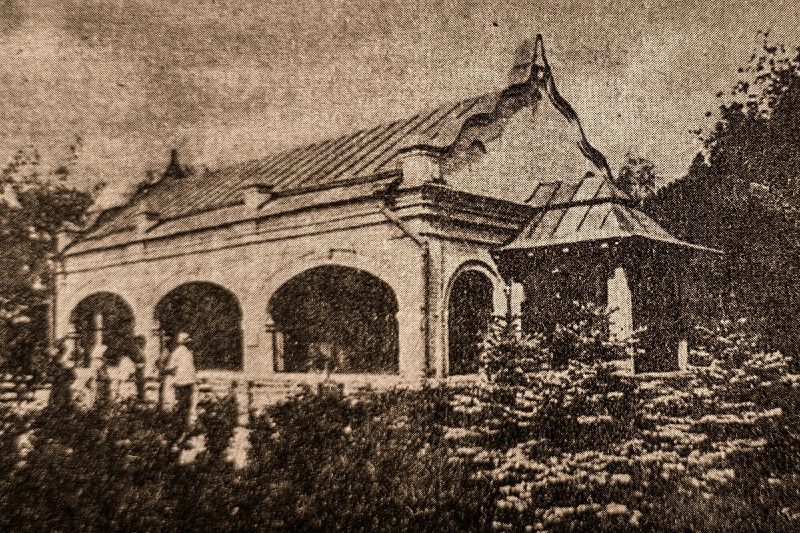
On 16 May 1912 the city gave the zoo a new site: 16 desyatinas, about 23 hectares, at Shuliavka, opposite the Polytechnic Institute. The ravines made the land useless for housing but ideal for a zoo. Ponds for waterfowl were dug in the hollows, and enclosures and cages went up on the higher ground. The animals moved in 1913, and the official opening came in April 1914. Zoolohichna Street nearby takes its name from the zoo.
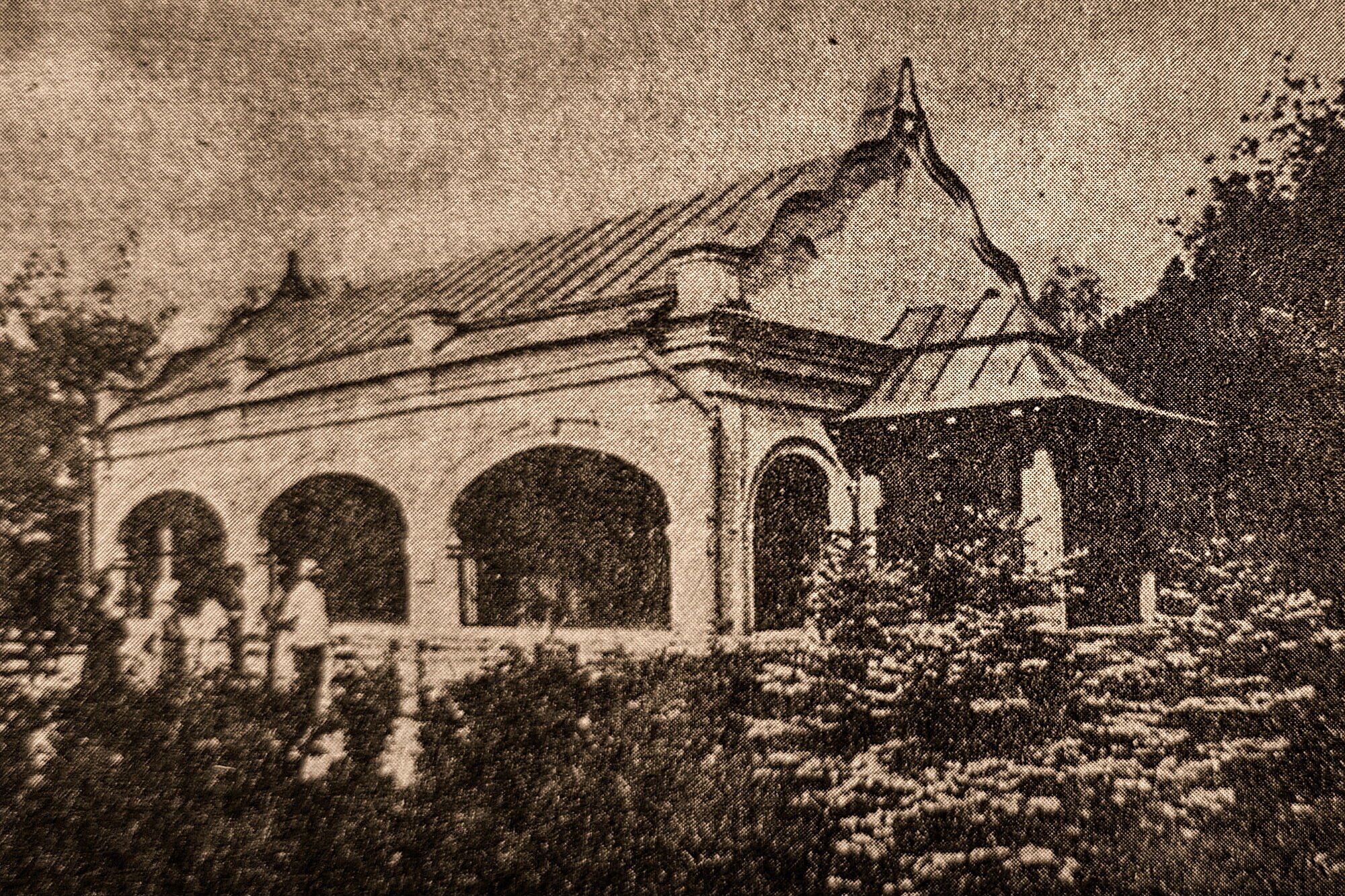
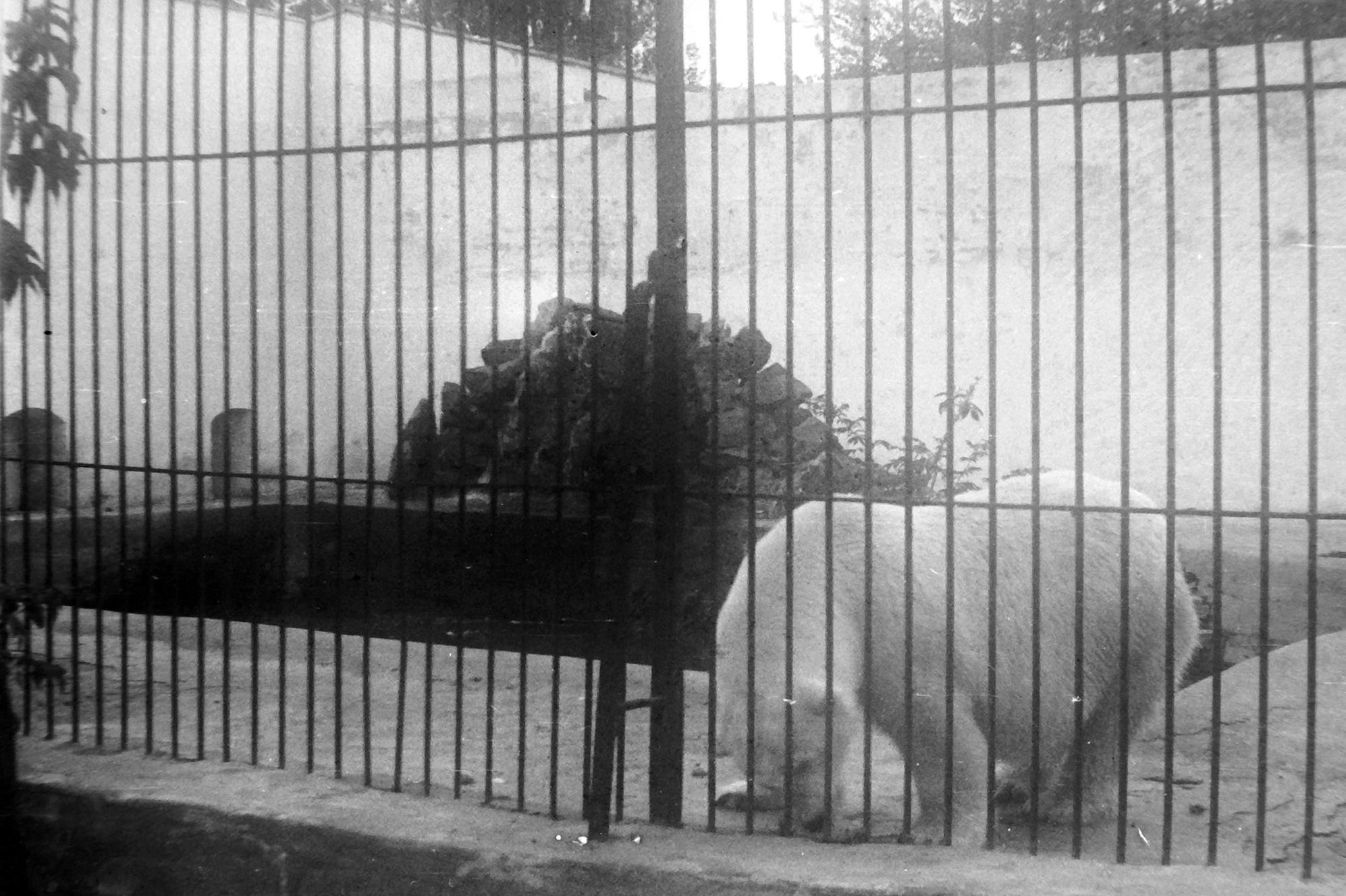
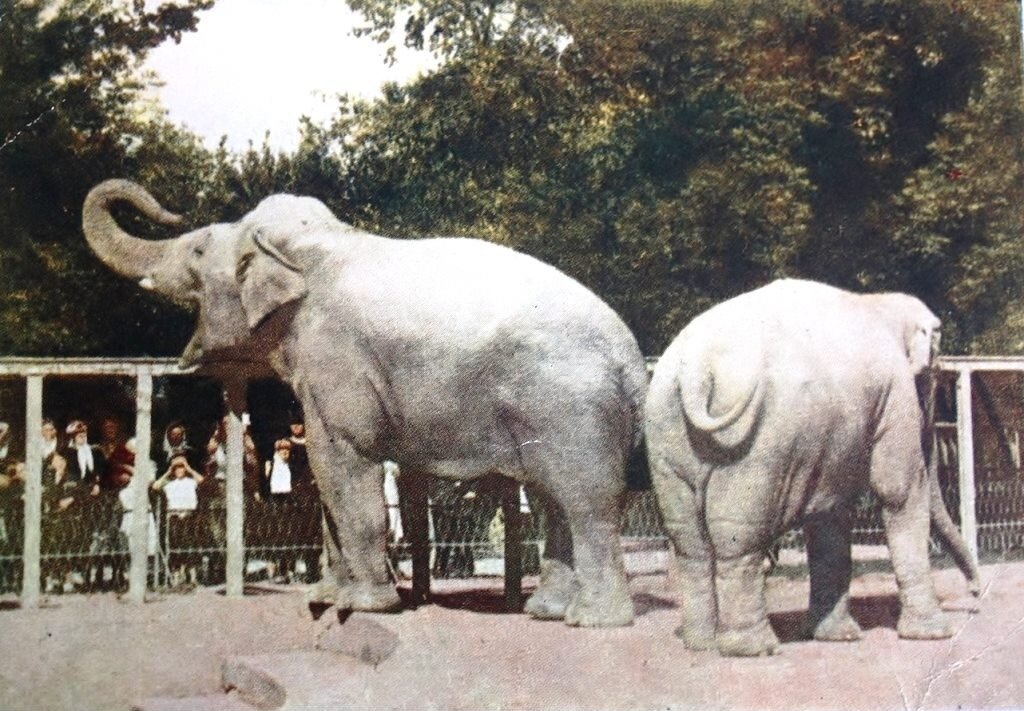
The First World War and the civil war that followed held the zoo back, but the collection survived. In 1919 it passed to the state and became a zoological park, with the society's secretary, Venantii Burdzynskyi, as its first director. In 1935 the zoo's grounds were finally secured and fenced, and work began on an elephant house and a monkey house. During the Nazi occupation most of the animals were shipped to Germany and the zoo was wrecked. After hasty repairs it reopened on 10 April 1944.
The great rebuild of the 1960s–1980s
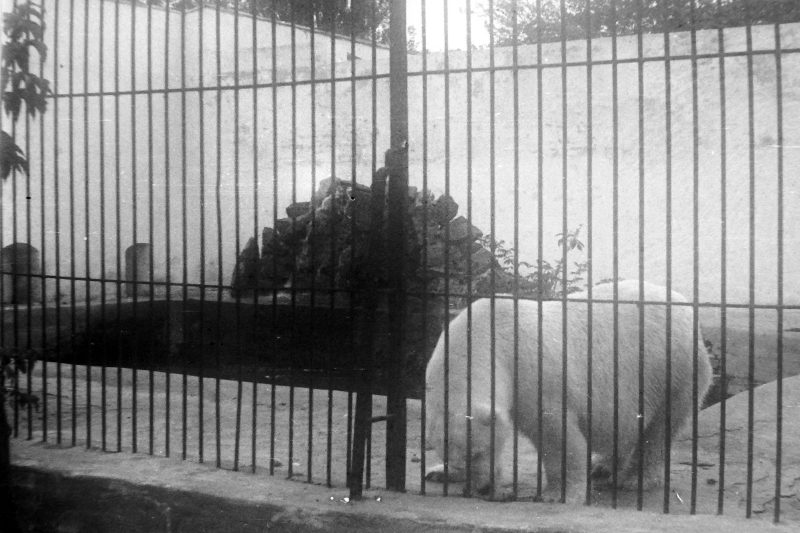
The zoo took its present form in a reconstruction that began in 1966. A new central entrance with ticket offices was built, decorated with Yurii Ruban's sculptures of lions and a bison (1968). A 2,400 m² bird pavilion opened in December 1970 and the aquaterrarium in 1972. A primate complex followed in 1976, and in May 1982 Animal Island opened, where the big cats are kept apart from visitors by water-filled moats instead of bars. The grounds have been listed as a monument of landscape art since 1972 and as a nature reserve site of national importance since 1983. More than 130 species of trees and shrubs grow here.
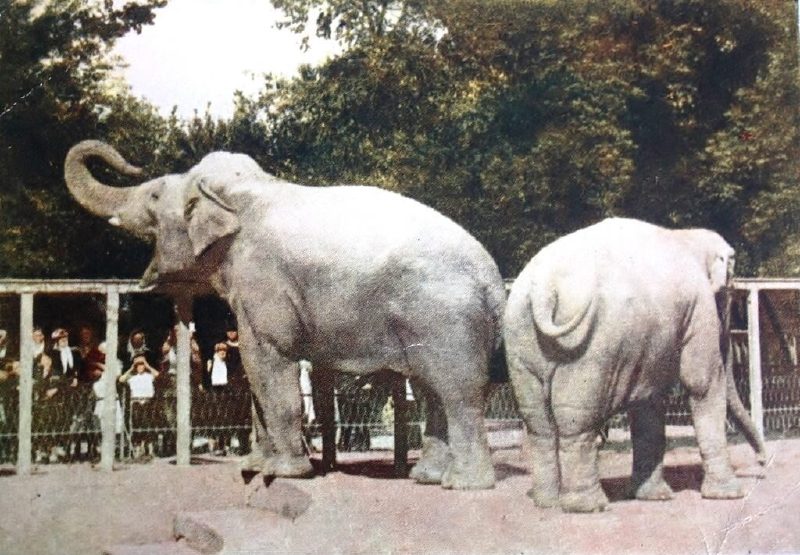
The zoo still remembers its favourites: the elephant Boi; the hippo Bresta, who lived here from 1958 to 2016 and was considered the oldest hippo in the world; and the white rhino Tryvoha. The 1990s and 2000s were hard years, with a dwindling collection and loud scandals over animal deaths. Since 2017 a major rebuild has been under way, with new enclosures closer to natural conditions.
Horace the elephant and the zoo at war
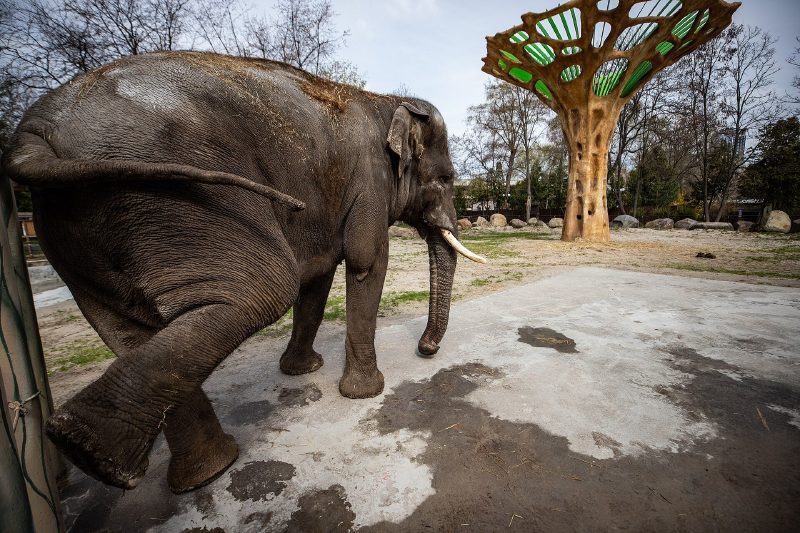
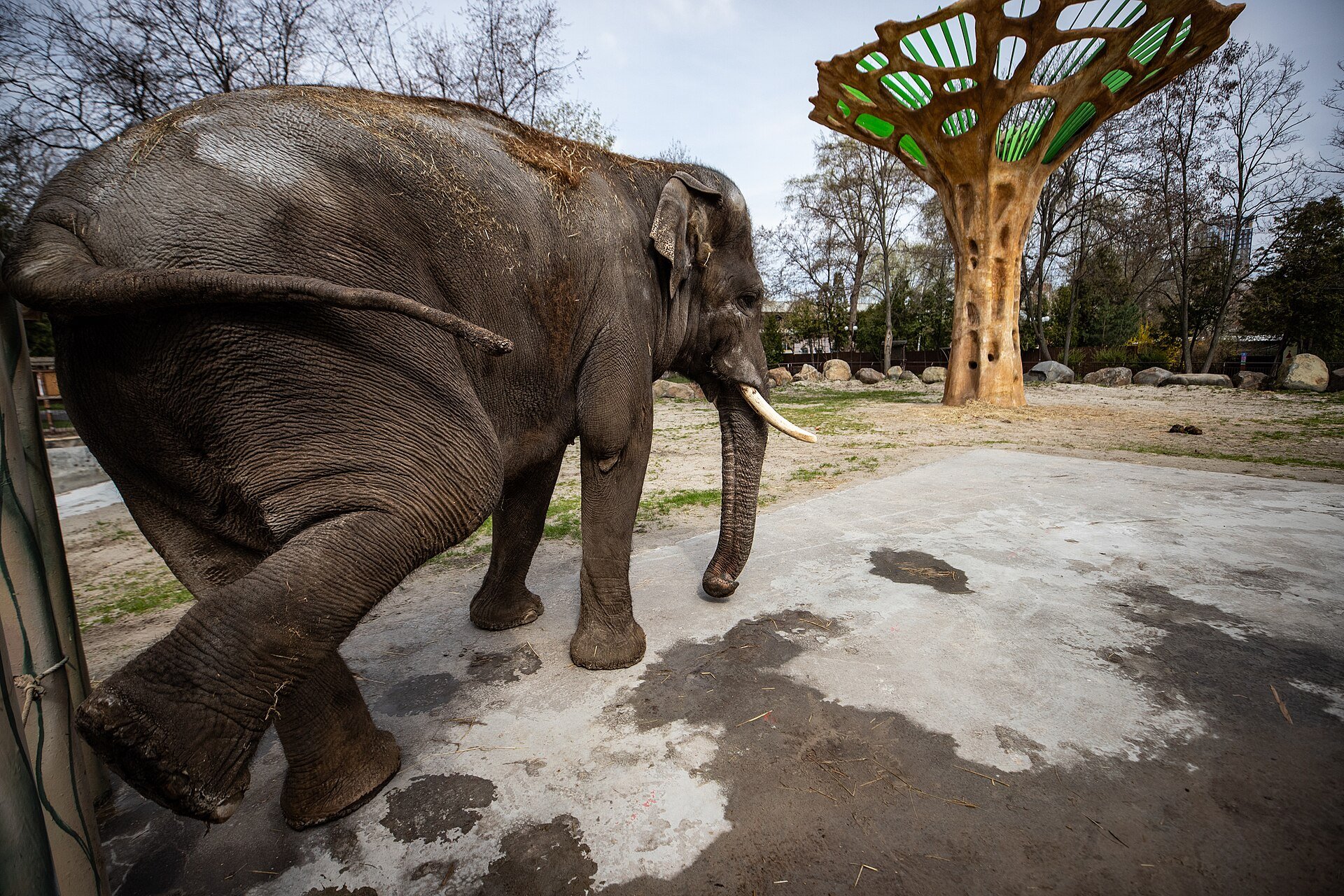
The zoo's largest resident, the Asian elephant Horace, was born on 14 February 2005 at Berlin's Tierpark and has lived in Kyiv since the early 2010s. A six-hectare Elephant Valley is planned for him, with the aim of forming a herd.
On 24 February 2022 the zoo closed to visitors, but the animals stayed. About fifty staff and some thirty family members lived on site to care for them through the explosions, and Horace was given sedatives because of the stress. European zoos sent food and medicines, and Kyivans bought tickets online to keep the zoo going. In April 2022 it took in 141 animals from a private zoo in Yasnohorodka outside Kyiv. On 12 May 2022 the zoo reopened, at first as a park with outdoor exhibits only. During air-raid alerts visitors must go to a shelter.
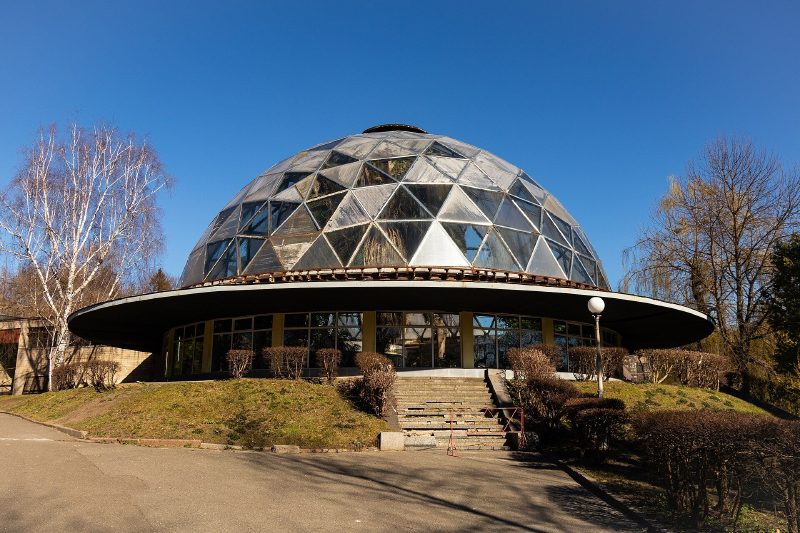
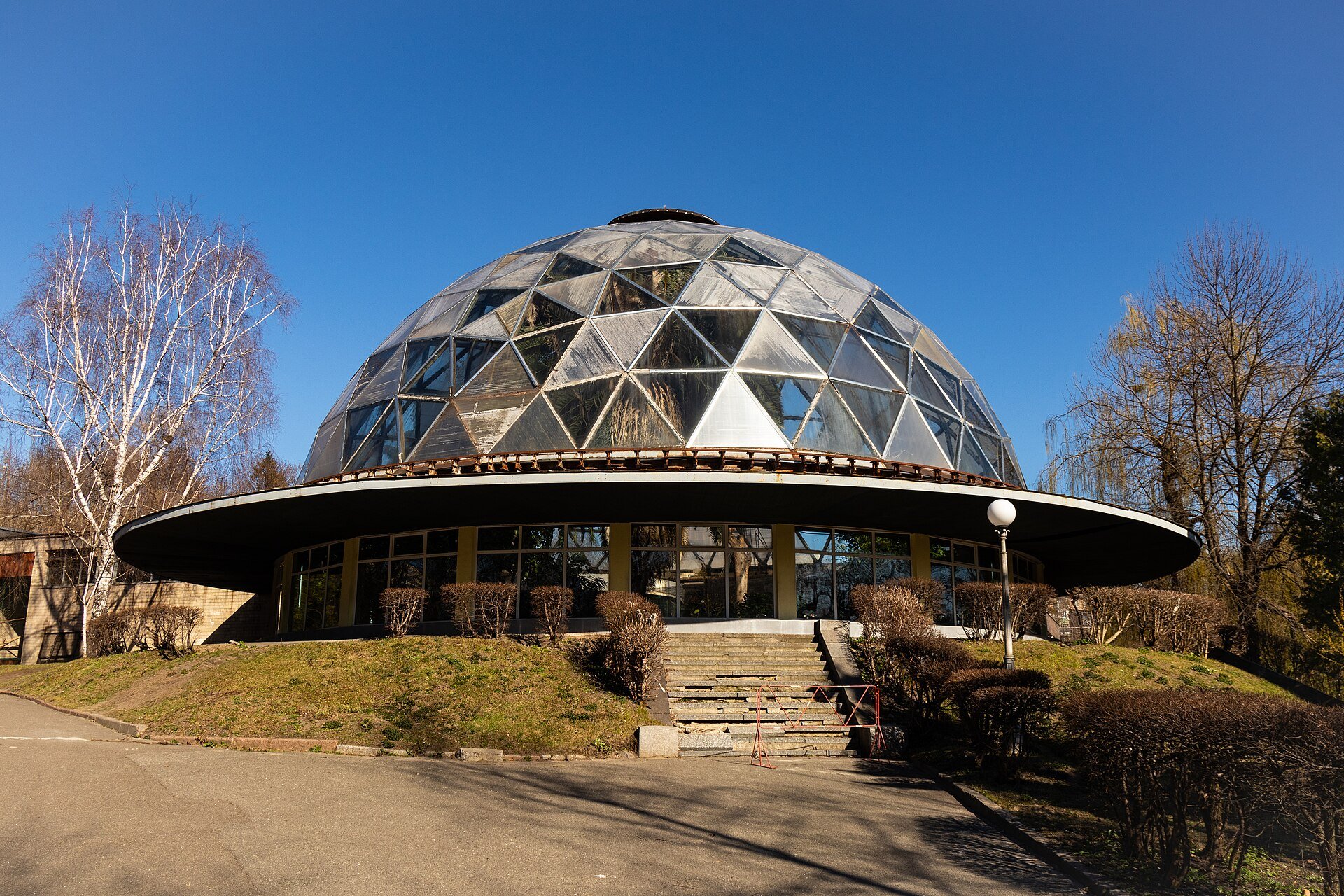
In the end the war reached the zoo itself. During the massive attack on Kyiv on the night of 2 July 2026, the primate and bird houses, the aquaterrarium, the winter garden dome, a hay store and the north entrance were damaged. Falling glass injured tortoises and crocodiles, but no animals were killed. The tropical plants of the winter garden suffered the heaviest losses.
People and eras

Photo gallery · 6 photos
Through the years
-
-
-
-
-
-
Video
Kyiv Zoo on screen
Тварини під обстрілами: як Київський зоопарк готується до зими | DW Ukrainian — DW Українською · YouTube


Guide
Similar places
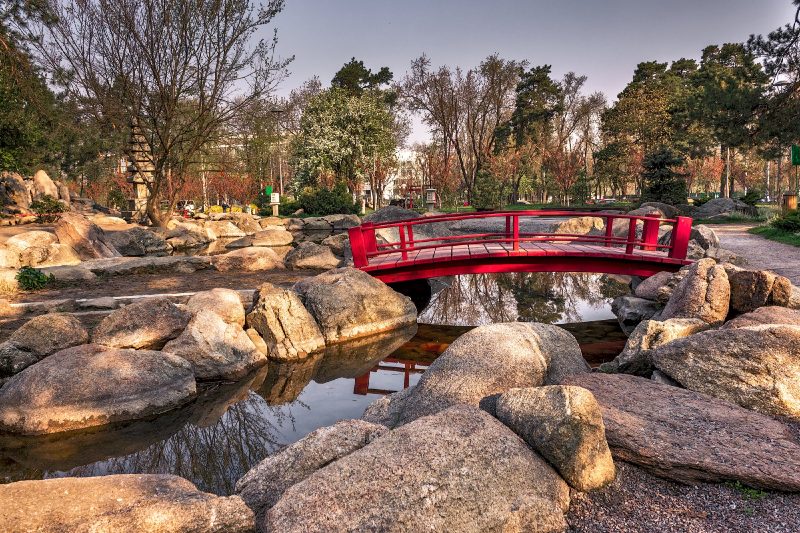 Kyoto Park in Kyiv: The City's Longest Sakura AlleyKyoto Park in Kyiv's Left Bank is a Japanese-style garden with a stone garden, a granite pagoda and a sakura alley of 360 cherry trees that blooms each spring.
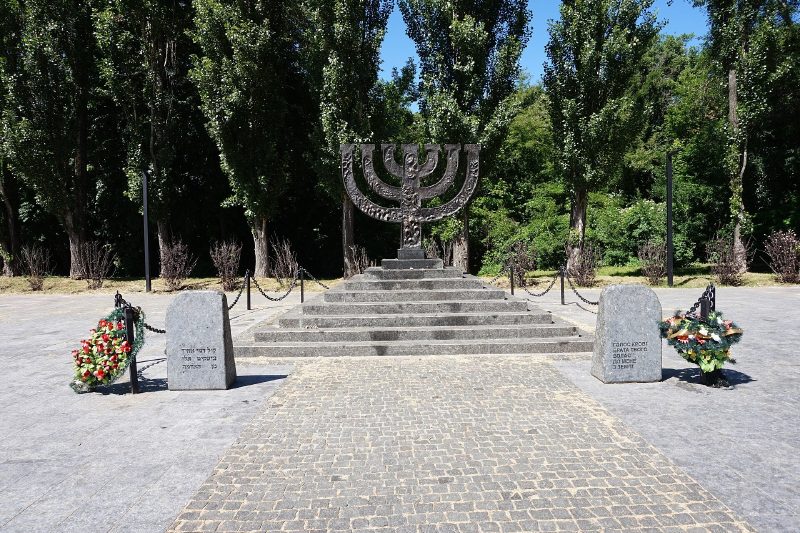 Babyn YarThe ravine where the Nazis shot tens of thousands of people in 1941–1943, above all the Jews of Kyiv. Today a memorial preserve with the Menorah, the Symbolic Synagogue and dozens of memorials.
 Stone labyrinth “Journey into Yourself”Anyone who likes to "go inside themselves" and reflect on what matters will be glad to know that Kyiv now has a special place for it: the stone labyrinth "Journey into Yourself". It is a stone path that lets you visit every corner of your inner world and find the answer to whatever question is troubling you at the moment. Which question? That is for you to decide.


