
Artists and architects
Vladyslav Horodetsky
June 4, 1863 — January 3, 1930
- Architect
The “Gaudí of Kyiv”: for almost 30 years he worked in the city, leaving it the House with Chimaeras, St Nicholas Church, the Karaite kenesa and the National Art Museum building.
Biography
Vladyslav (Władysław) Horodetsky was born in 1863 in Podolia into a family of Polish gentry. After studying at the Odesa Real School and the Imperial Academy of Arts in St Petersburg (1890), he moved to Kyiv, where he lived and worked for almost thirty years. The city was in the middle of a building boom, and the young architect quickly became one of the most sought-after in town.
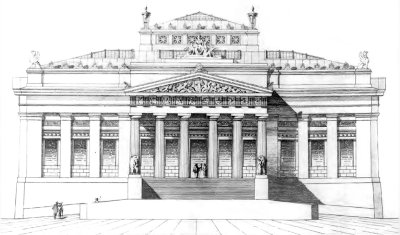
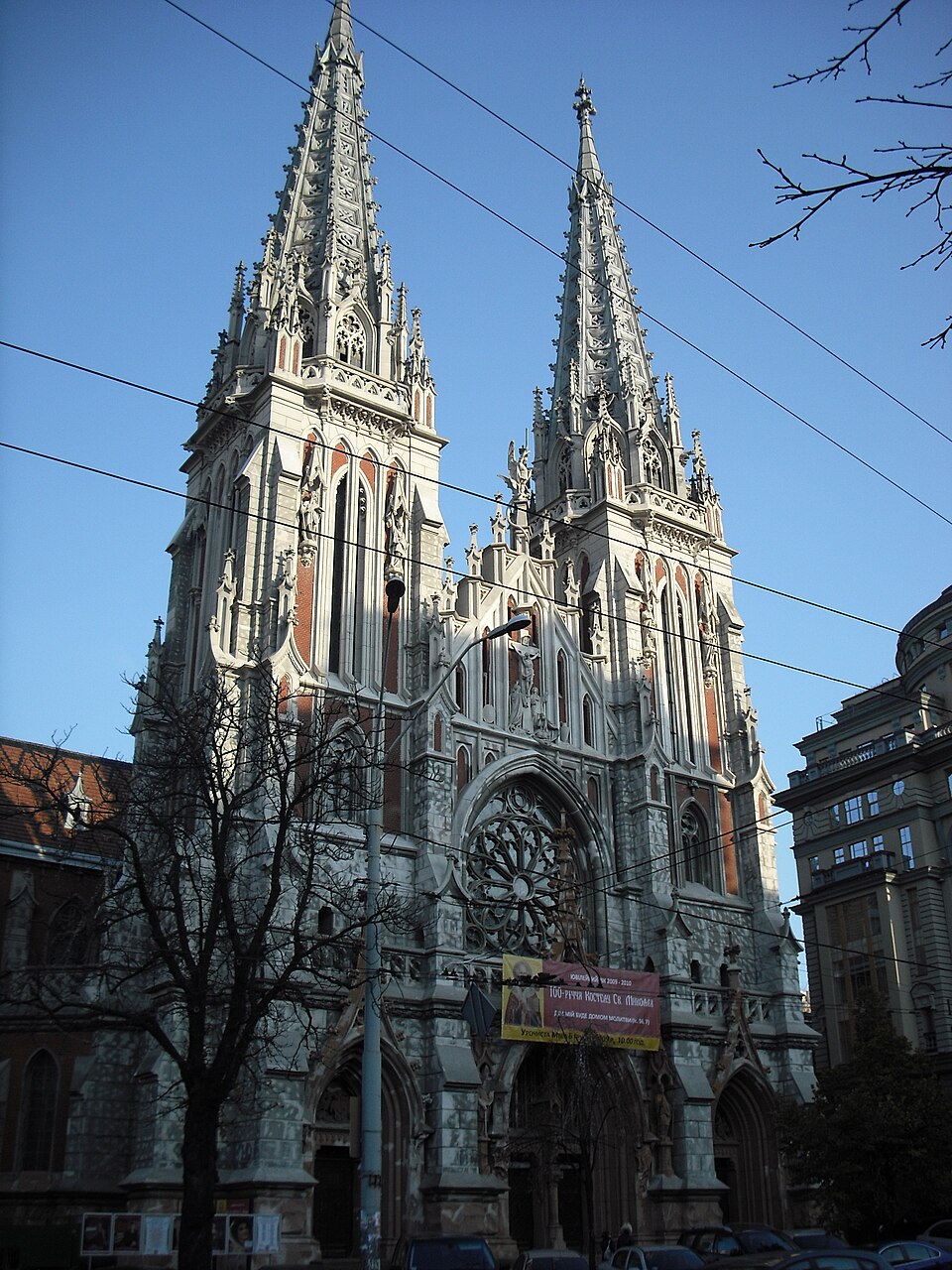
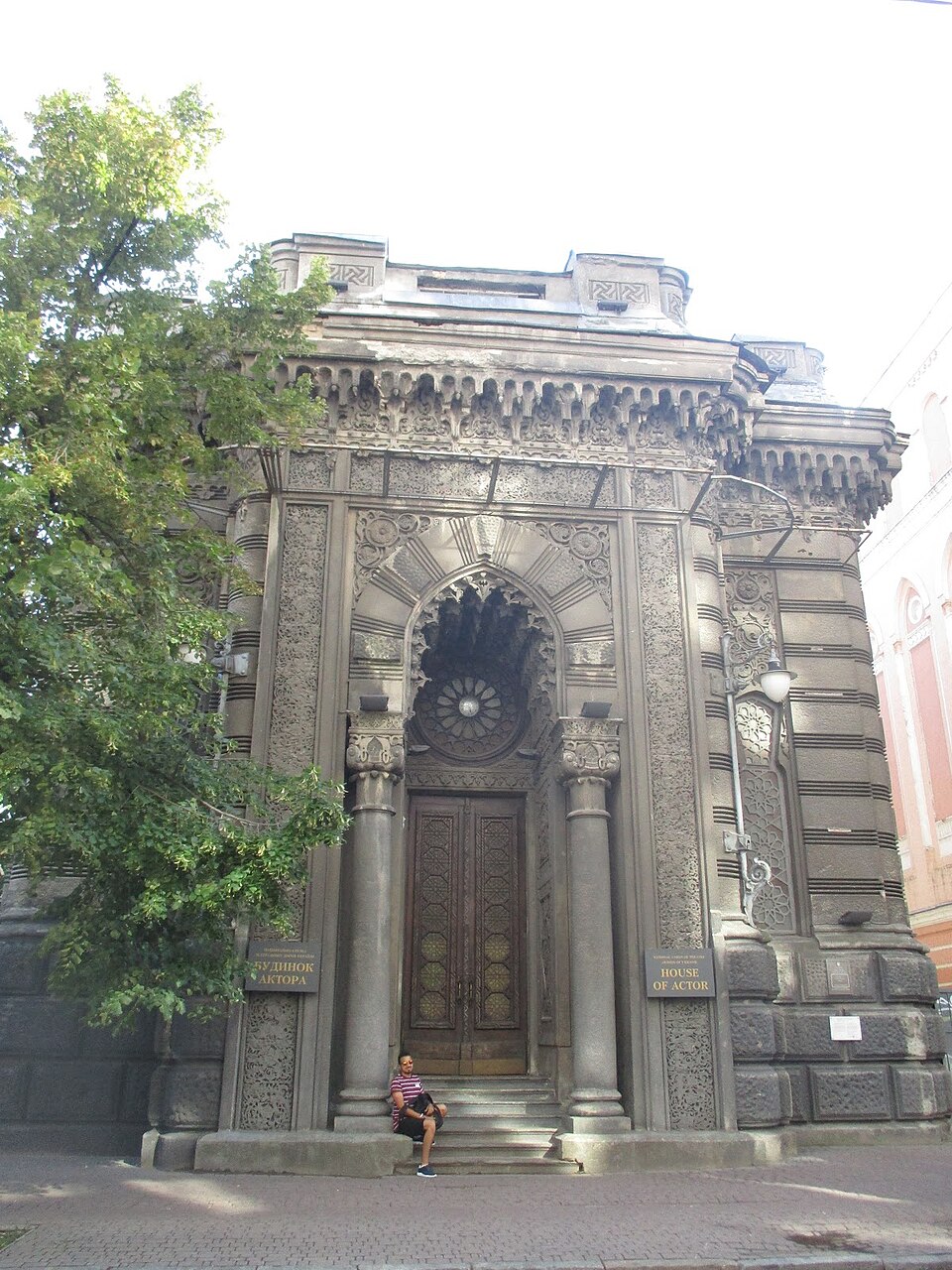
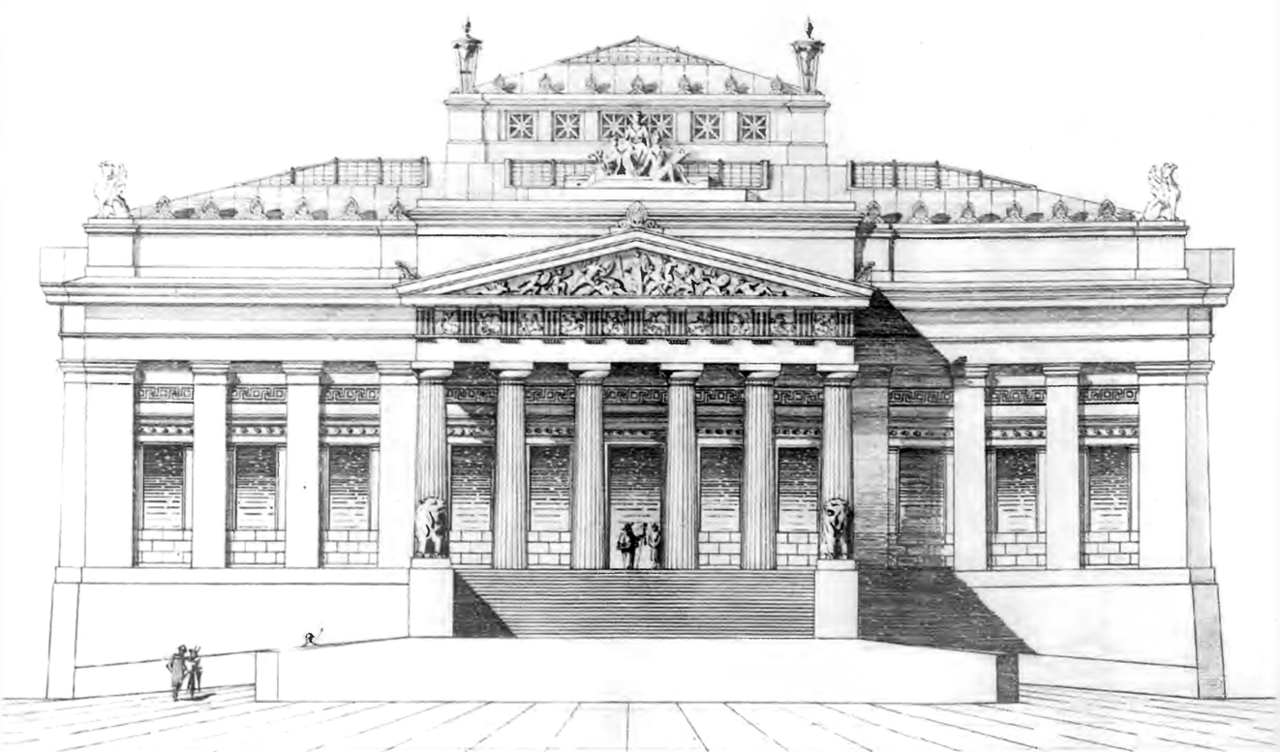
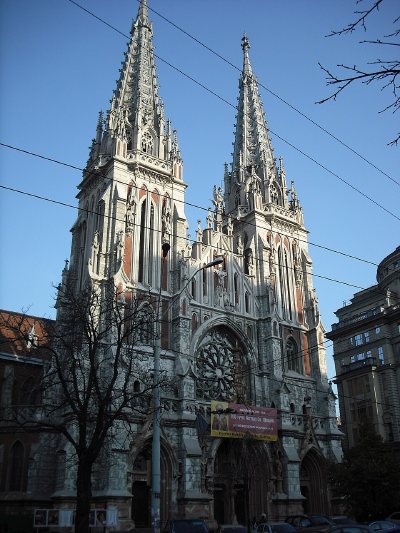
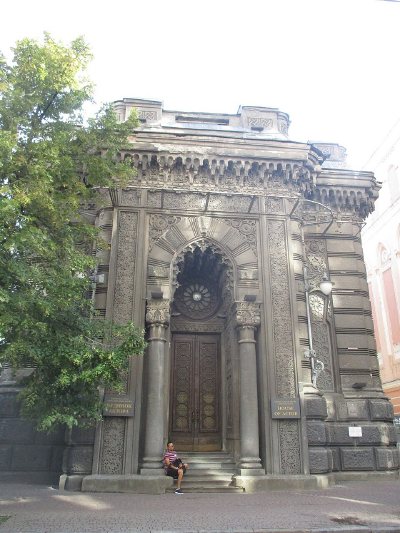
In 1897–1899, to his reworking of a design by Petro Boitsov, the City Museum of Antiquities and Arts was built on Oleksandrivska Street (now 6 Hrushevskoho St) — a neoclassical building with a portico and lions that now houses the National Art Museum of Ukraine. In 1899–1909 Horodetsky supervised the construction of the neo-Gothic St Nicholas Roman Catholic Church at 75 Velyka Vasylkivska Street, designed by Stanisław Wołowski, and in 1900 he built the Moorish-style Karaite kenesa (prayer house) at 7 Yaroslaviv Val Street.
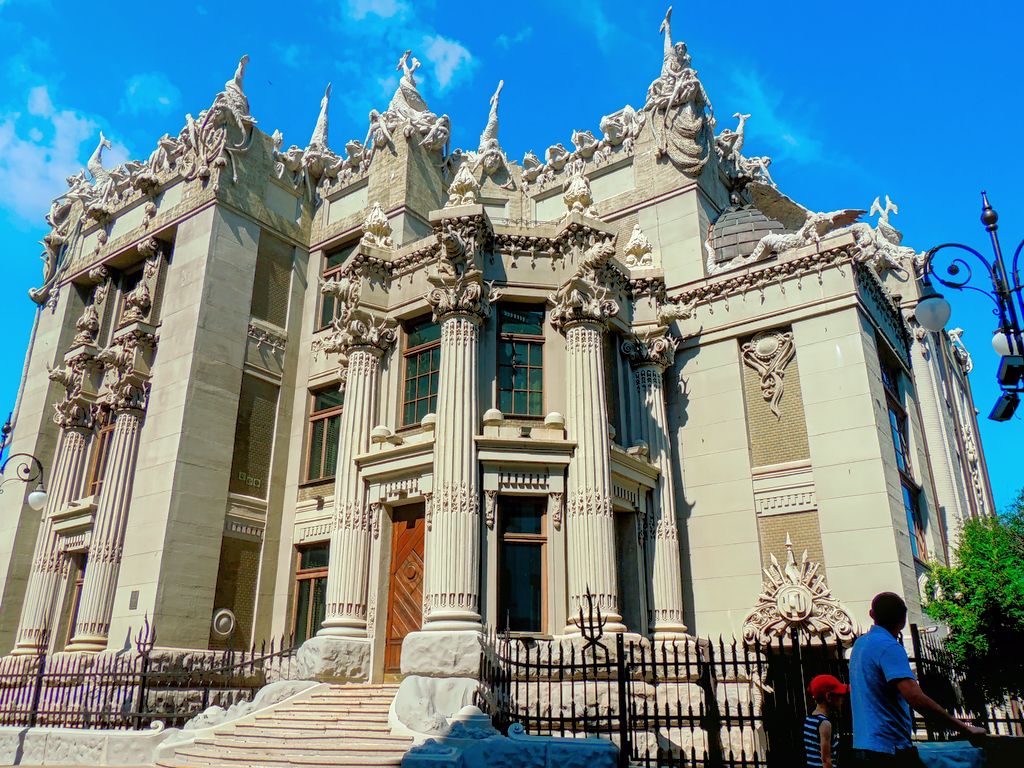
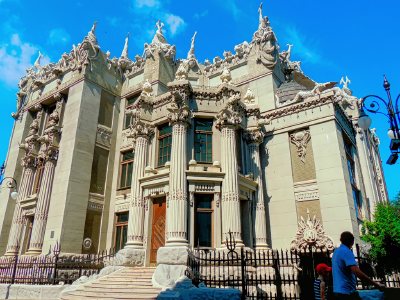
His most famous creation is the House with Chimaeras at 10 Bankova Street (1901–1903). He built it on the steep slope of a former marsh as an apartment house with his own flat inside: it has three storeys on the Bankova side and six on the side facing Franko Square. Its façades and interiors are decorated with concrete sculptures of animals, fish and fantastic creatures by the Italian Elio Sala — a nod to Horodetsky’s passion for hunting. Today the building is used for official ceremonies of the President of Ukraine.
Horodetsky also built industrial structures, such as the South Russian Machine-Building Plant on Zhylianska Street and a sewage pumping station in Podil. He designed the street laid out on the former Mering estate — now named after him.
After the Bolsheviks took over, in 1920 he and his wife emigrated to Poland, where he worked at the Ministry of Public Works until 1923. From 1928 he was chief architect of a railway syndicate in Persia and designed the Tehran railway station. He died in Tehran on 3 January 1930 and is buried in the Catholic section of Doulab Cemetery.
In 1996 Kyiv’s Karla Marksa Street was renamed Arkhitektora Horodetskoho Street, and in 2004 a statue of the architect, seated at a café chair as if taking a break, appeared in the Passage arcade off 15 Khreshchatyk.
Life timeline
- 1863 Born Born in the village of Sholudky in Podolia.
- 1890 Move to Kyiv Graduates from the Academy of Arts and settles in Kyiv.
- 1899 Museum of Antiquities and Arts Completes the building now home to the National Art Museum.
- 1900 Karaite kenesa Builds the Moorish-style prayer house on Yaroslaviv Val.
- 1903 House with Chimaeras Completes his own house at 10 Bankova St.
- 1909 St Nicholas Church The neo-Gothic church on Velyka Vasylkivska is completed.
- 1920 Emigration Leaves Kyiv for Poland.
- 1930 Death in Tehran Dies in Persia, where he was building a railway station.
- 2004 Statue in the Passage A bronze Horodetsky appears off 15 Khreshchatyk.
Key achievements
- House with Chimaeras An icon of Kyiv Art Nouveau on the slope above Franko Square.
- St Nicholas Church A neo-Gothic church that also serves as the House of Organ and Chamber Music.
- National Art Museum The lion-guarded building at 6 Hrushevskoho St, opened as the city museum in 1899.
- Karaite kenesa An exquisite Moorish-style building on Yaroslaviv Val.
Kyiv in their life
- House with Chimaeras (10 Bankova St; 1901–1903) — apartment house and the architect’s own home. See 7 facts about the House with Chimaeras.
- St Nicholas Church (75 Velyka Vasylkivska St; 1899–1909) — built under his supervision. See St Nicholas Church.
- Karaite kenesa (7 Yaroslaviv Val St; 1900).
- National Art Museum of Ukraine (6 Hrushevskoho St; 1897–1899).
- Arkhitektora Horodetskoho Street — named after him in 1996.
- Statue in the Passage (15 Khreshchatyk) — unveiled in 2004.
Places in our guide


Gallery
-
-
-
-