
Babyn Yar

The ravine where the Nazis shot tens of thousands of people in 1941–1943, above all the Jews of Kyiv. Today a memorial preserve with the Menorah, the Symbolic Synagogue and dozens of memorials.
A ravine on the edge of Kyiv
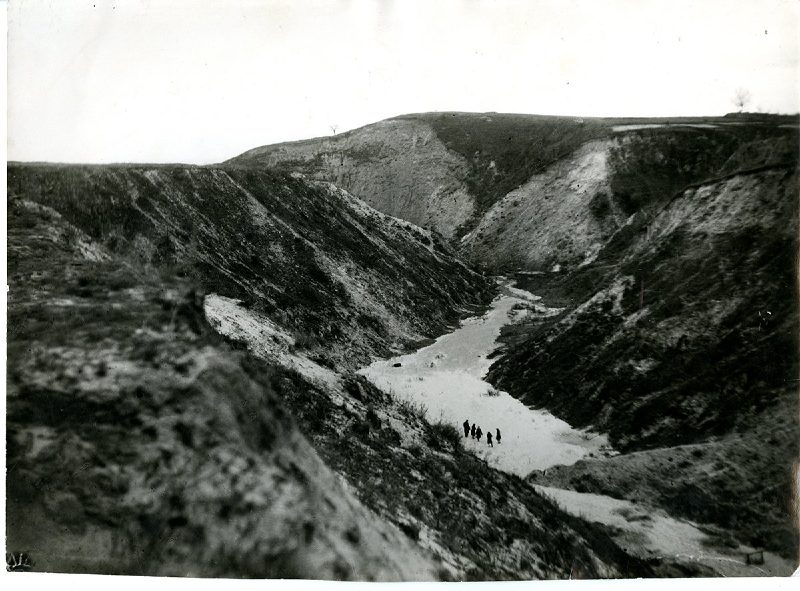
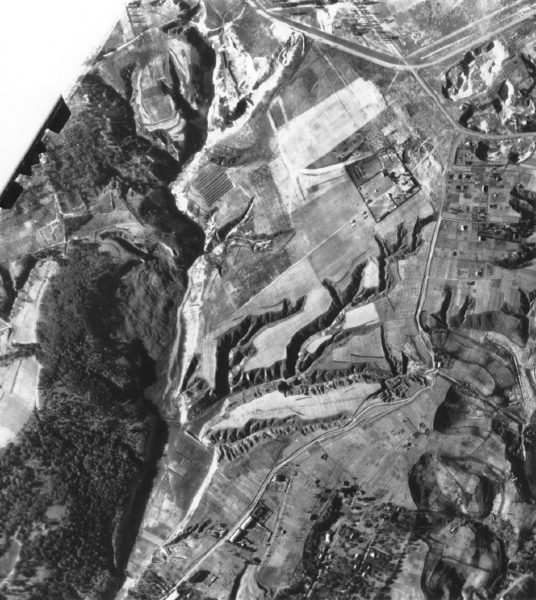
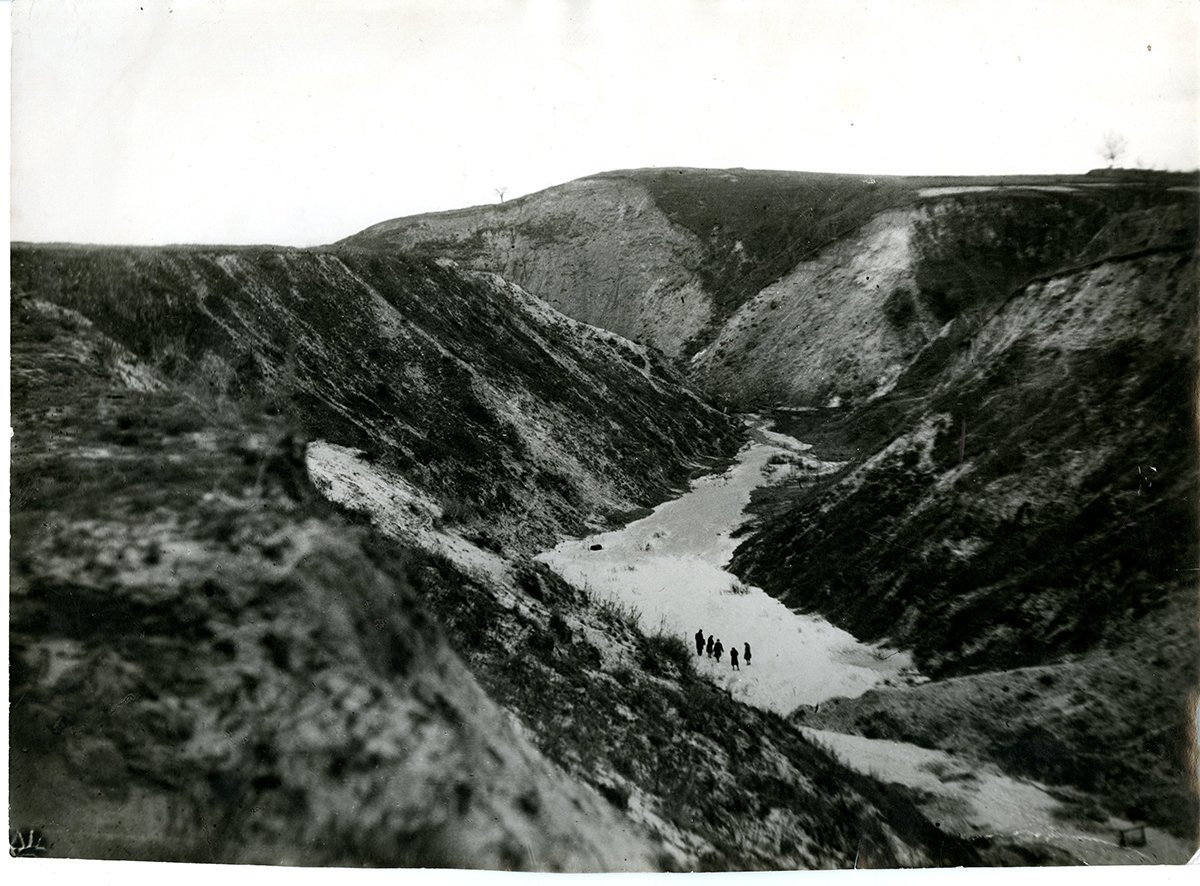
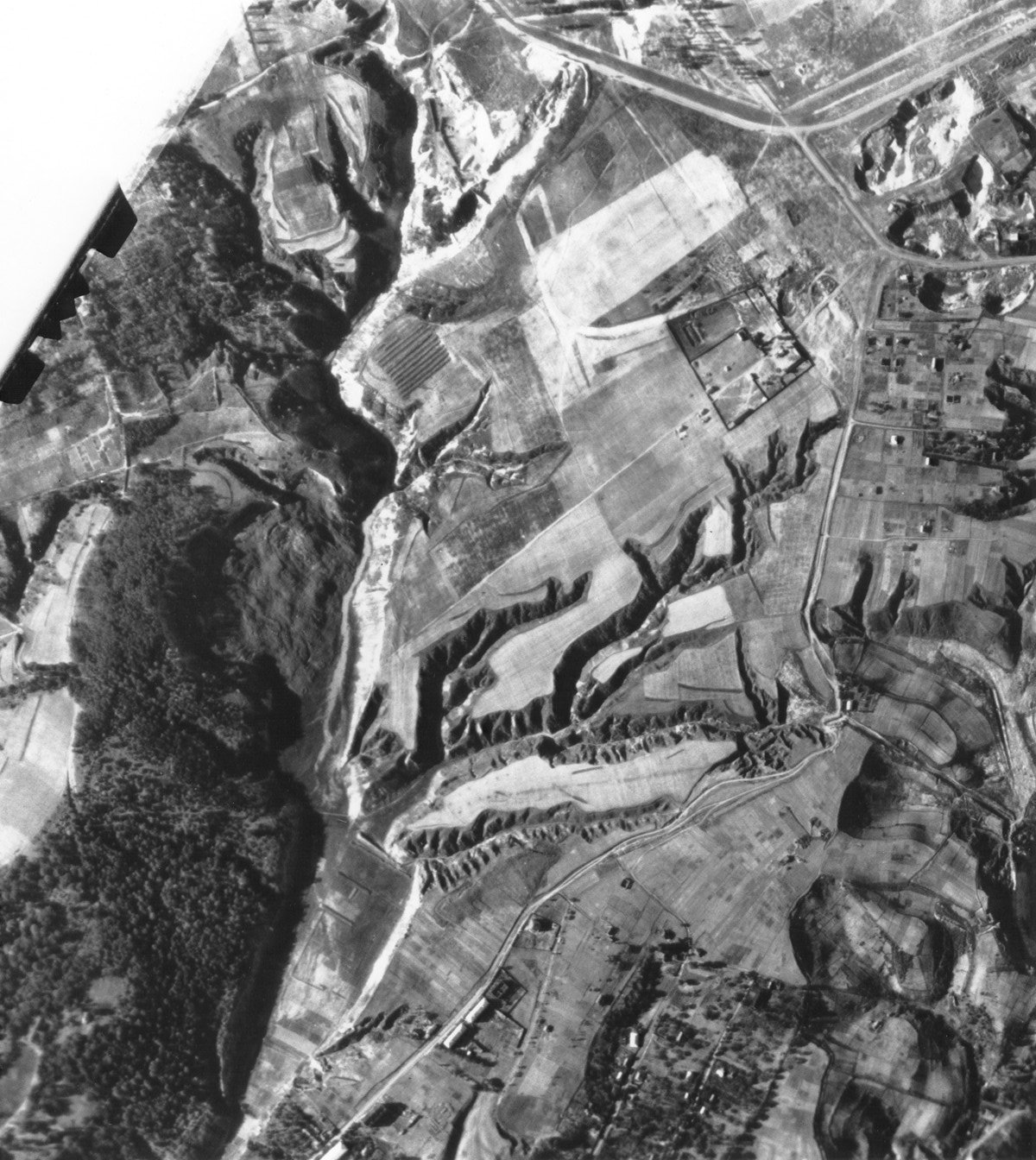
Babyn Yar is a deep ravine with several branches on the north-western edge of old Kyiv, between Lukianivka, Syrets and Kurenivka. It is first recorded in 1401, when the woman who owned the land sold it to a Dominican monastery. Before the Second World War the area held waste ground, the Lukianivka cemeteries (Orthodox, Jewish and Karaite) and a military firing range. In a few days in the autumn of 1941 its name became one of the symbols of the Holocaust.
29–30 September 1941
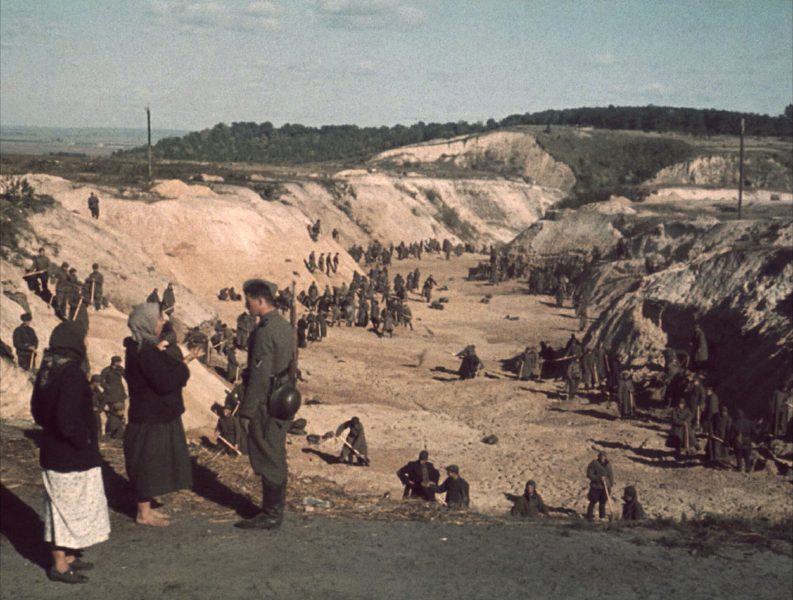
German troops entered Kyiv on 19 September 1941. On 24 September buildings on Khreshchatyk began to explode, mined by Soviet demolition teams before their retreat, and the occupiers used the explosions as a pretext to move against the city's Jews. On 28 September posters went up ordering all the Jews of Kyiv to report the next morning, with documents, money and warm clothing, to the corner of Melnykova and Dehtiarivska streets near the cemetery. People thought they were going to be deported.
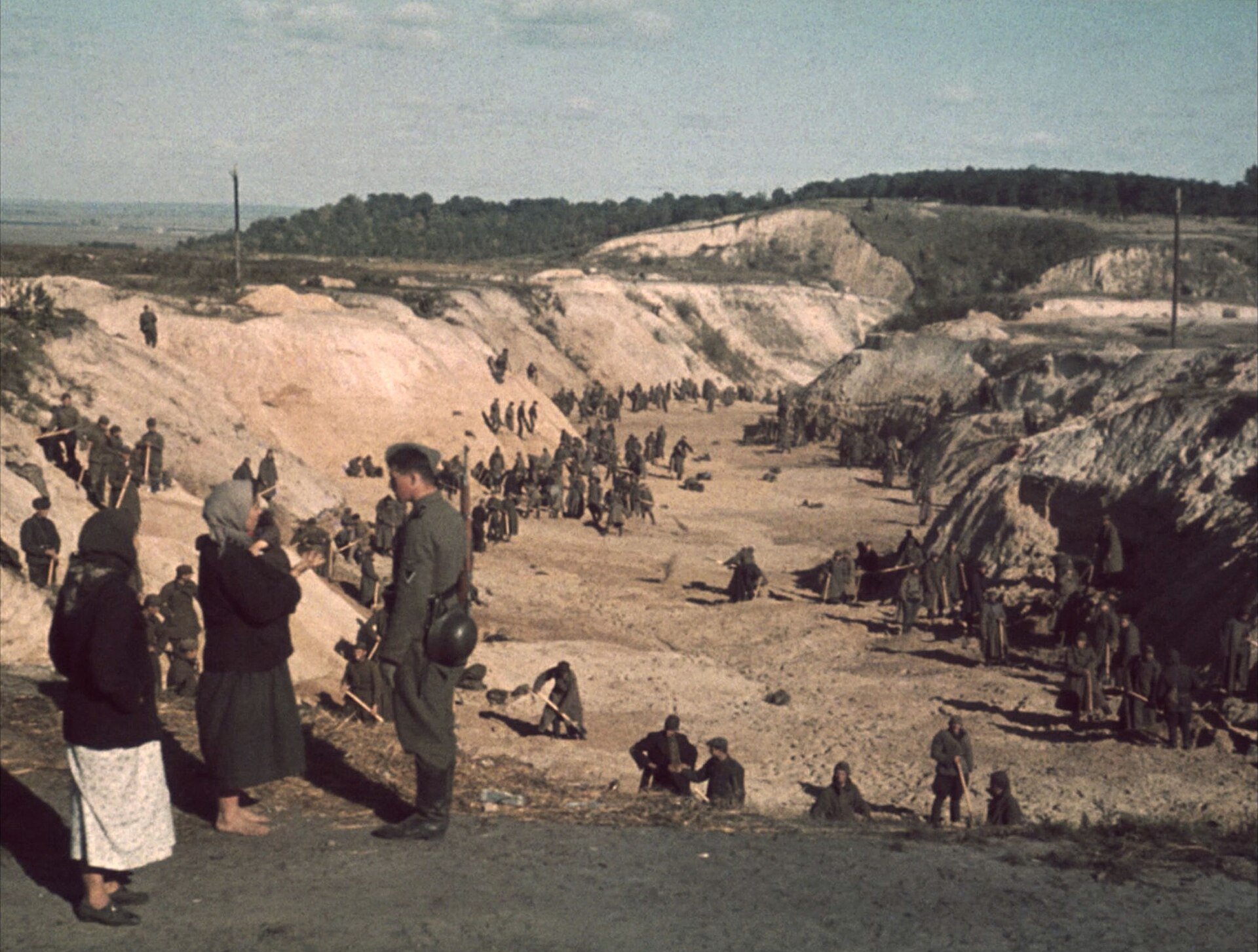
At the ravine their belongings and papers were taken, they were forced to undress, and they were led in groups to the edge of the drop and machine-gunned. In two days, 29 and 30 September, Sonderkommando 4a of Einsatzgruppe C under Paul Blobel, with battalions of the German Order Police, shot 33,771 people according to its own report. It was one of the largest single mass shootings of the Holocaust. Among the very few who climbed out alive was the actress Dina Pronicheva. Her testimony later became the core of Anatoly Kuznetsov's documentary novel Babi Yar.
Two years of killing
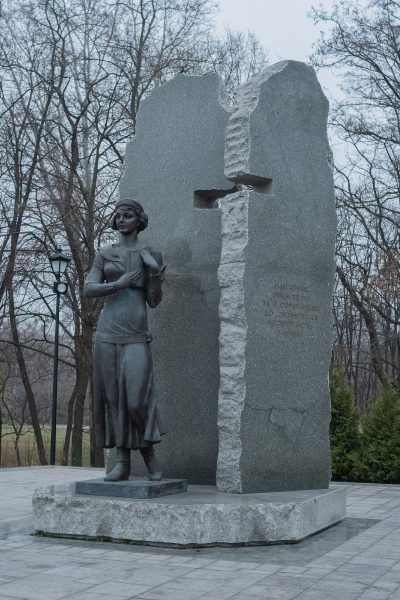
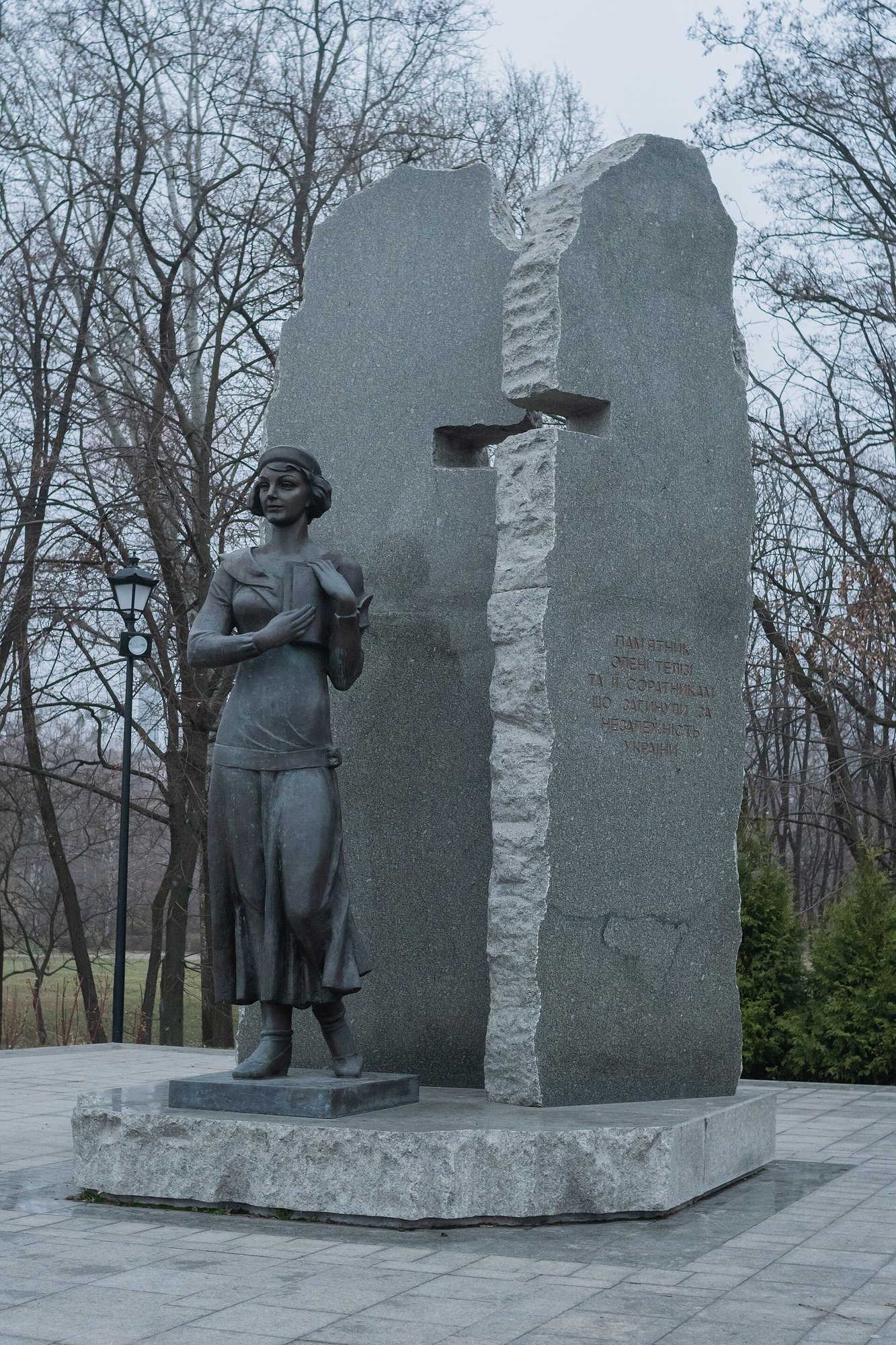
The shootings went on until the occupiers retreated in the autumn of 1943. Roma, Soviet prisoners of war, sailors of the Dnipro Flotilla, patients of the Pavlov psychiatric hospital, hostages, underground fighters and members of the Organisation of Ukrainian Nationalists were killed here, among them the poet Olena Teliha, her husband Mykhailo and the editor Ivan Rohach. The Syrets concentration camp operated next to the ravine. Historians estimate the total number of victims at 70,000–100,000. Vitalii Nakhmanovych puts the number of Jews among them at about 65,000–70,000.
In the summer of 1943, as the front drew closer, the Nazis tried to erase the evidence. Prisoners from Syrets were forced to dig up the graves, burn the bodies and scatter the ashes. On the night of 29 September 1943 the prisoners rose up, and about fifteen of them escaped.
A memory they tried to erase
For decades the Soviet authorities suppressed the fact that most of the victims were Jews. From the late 1940s and through the 1950s the ravine was filled with slurry from brickworks to make way for roads and a park. On 13 March 1961 the dam gave way and a wave of mud engulfed Kurenivka. The official death toll was 145, while historians today speak of around 1,500. That same year Yevgeny Yevtushenko wrote his poem Babi Yar, and in 1962 Dmitri Shostakovich made it the basis of his Thirteenth Symphony.
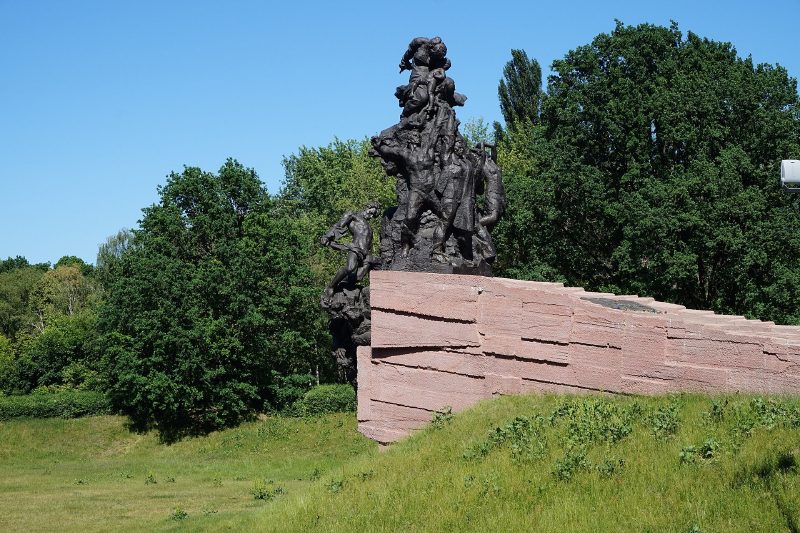
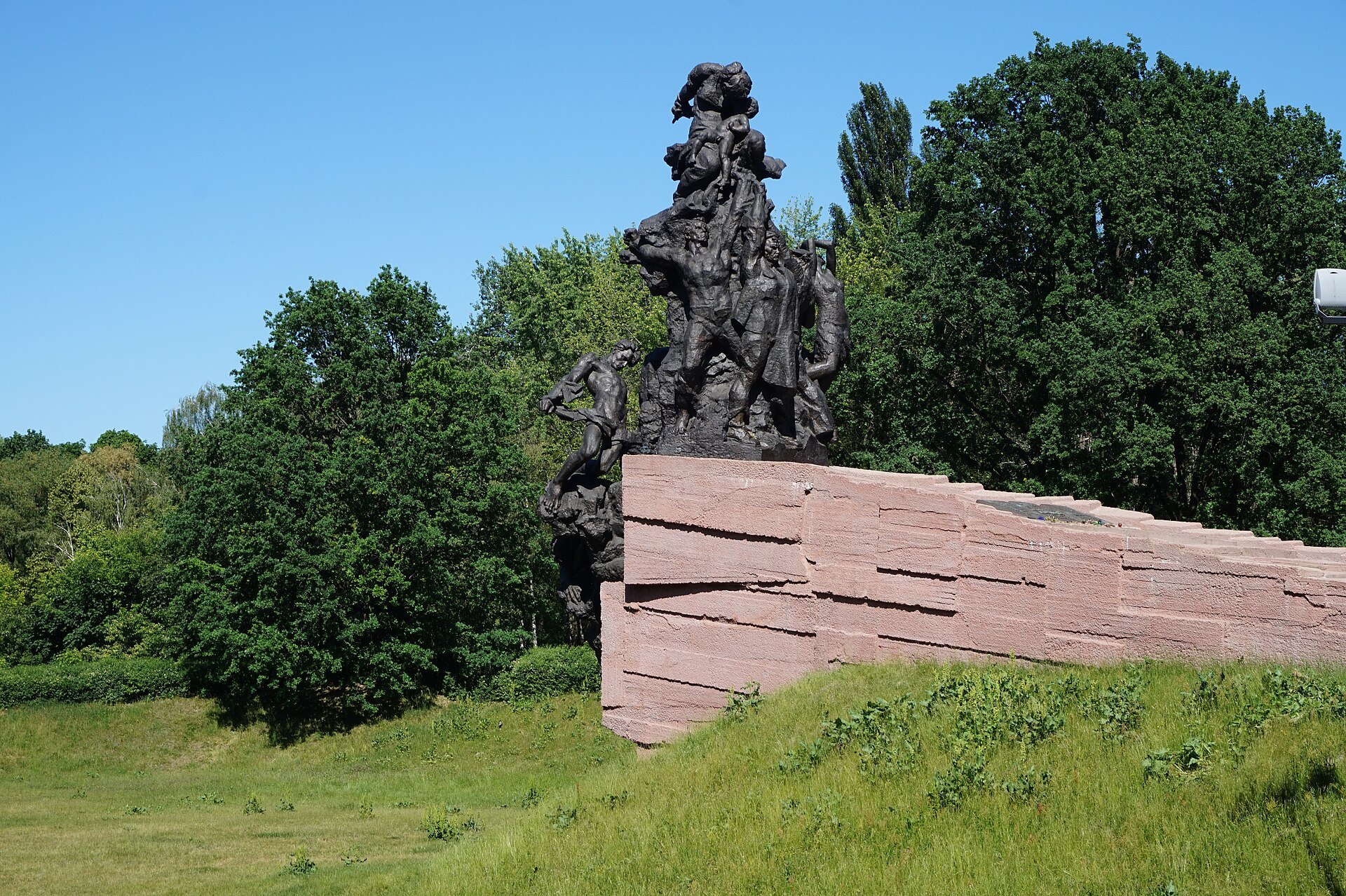
On 29 September 1966 an unofficial memorial rally took place in the ravine, with speeches by Ivan Dziuba and Viktor Nekrasov. A monument appeared only in 1976: a bronze group dedicated to "Soviet citizens and prisoners of war" that never mentions Jews. On 29 September 1991, the 50th anniversary, a monument in the shape of a menorah was put up near the former Jewish cemetery. More than twenty memorials have since been added, to children, to the Roma, to members of the OUN, to Olena Teliha, to forced labourers and to the victims of the Kurenivka mudslide.
The preserve and the memorial centre
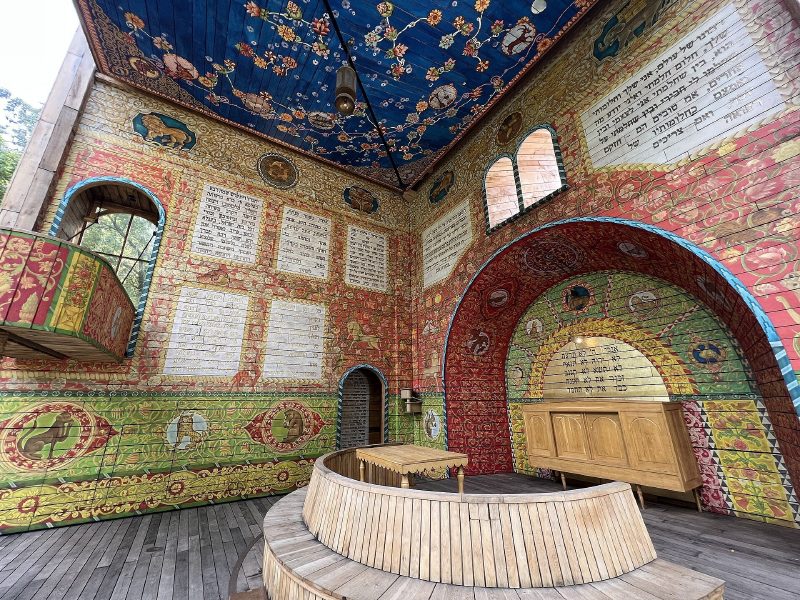
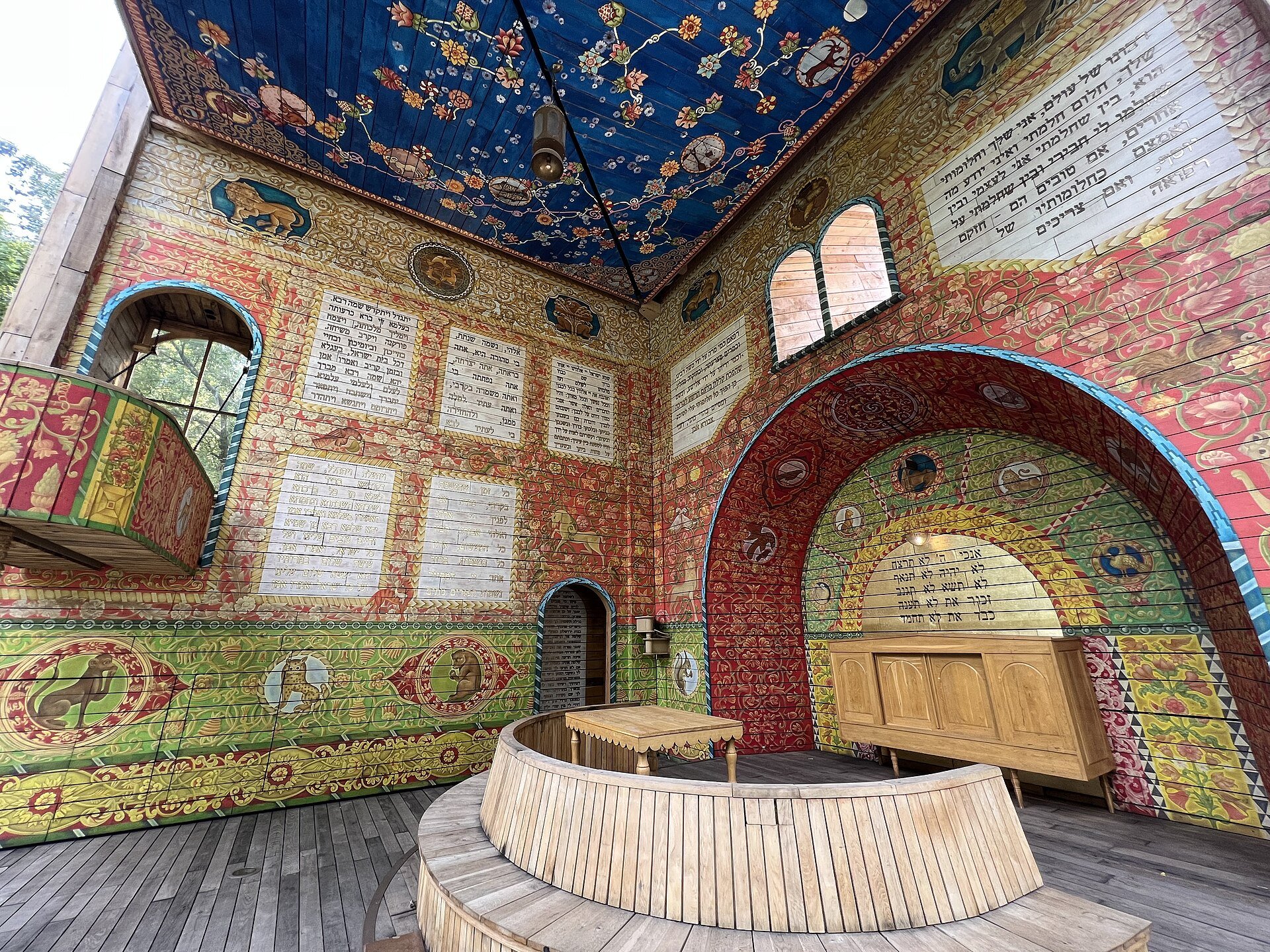
In 2007 the government set up the Babyn Yar National Historical Memorial Preserve. Since 2016 a private foundation, the Babyn Yar Holocaust Memorial Center, has also worked on the site, collecting the names of victims and perpetrators and creating several installations in the park. In 2021 it opened the Symbolic Synagogue by the Swiss architect Manuel Herz, a wooden structure that opens like a book, painted inside with motifs from old synagogues of Podillia and Galicia. On 6 October 2021, during the 80th anniversary events, the presidents of Ukraine, Germany and Israel unveiled Marina Abramović's Crystal Wall of Crying, a wall of anthracite about 40 metres long studded with quartz crystals. The centre's original concept, partly funded by Russian businessmen, drew criticism from historians, and after 2022 several of its sponsors were sanctioned and withdrew. Its museum has still not been built.
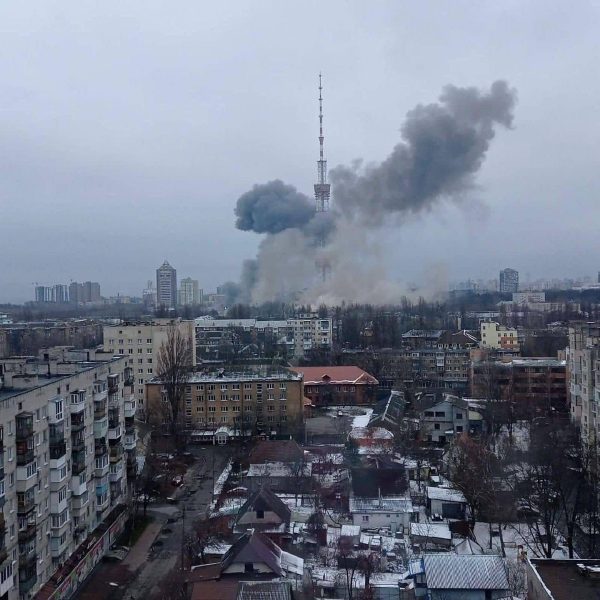
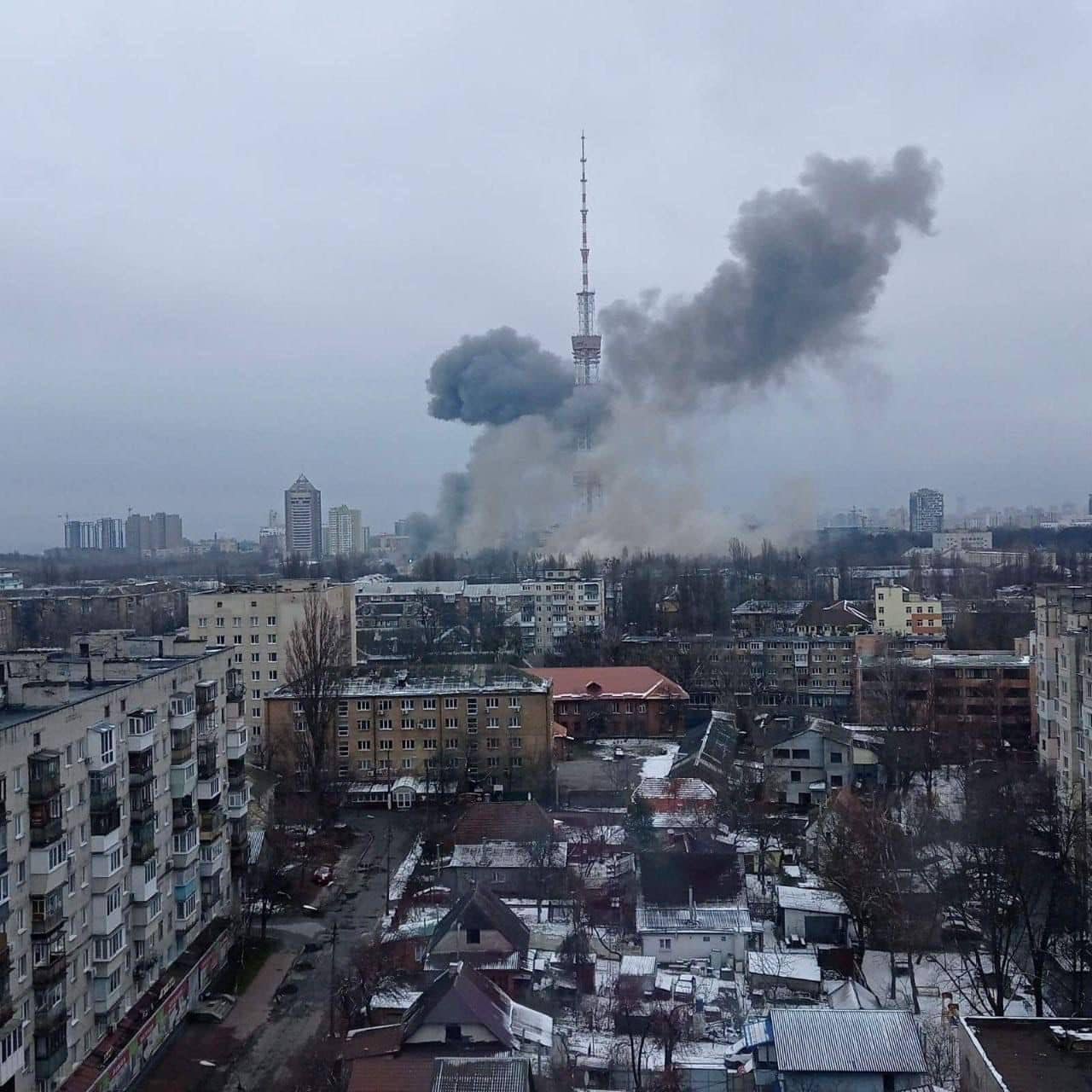
On 1 March 2022 a Russian missile struck the Kyiv TV Tower, which stands next to the site. Five passers-by were killed, and the blasts damaged the grounds of the memorial. In 2023 documents on Babyn Yar held in seven Ukrainian archives were added to UNESCO's Memory of the World register.
Visiting
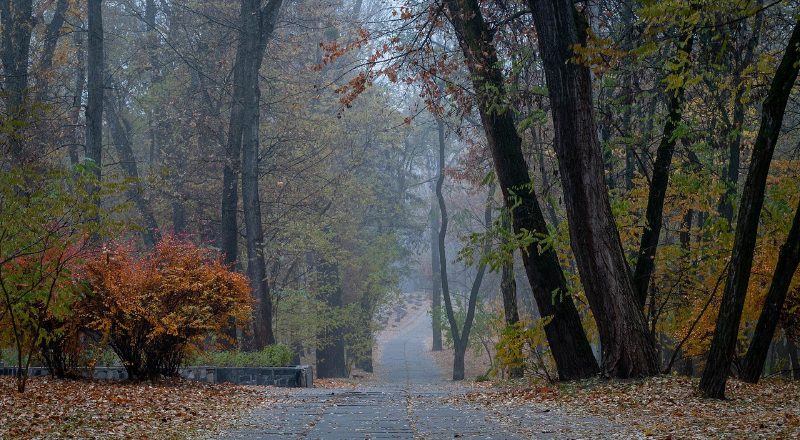
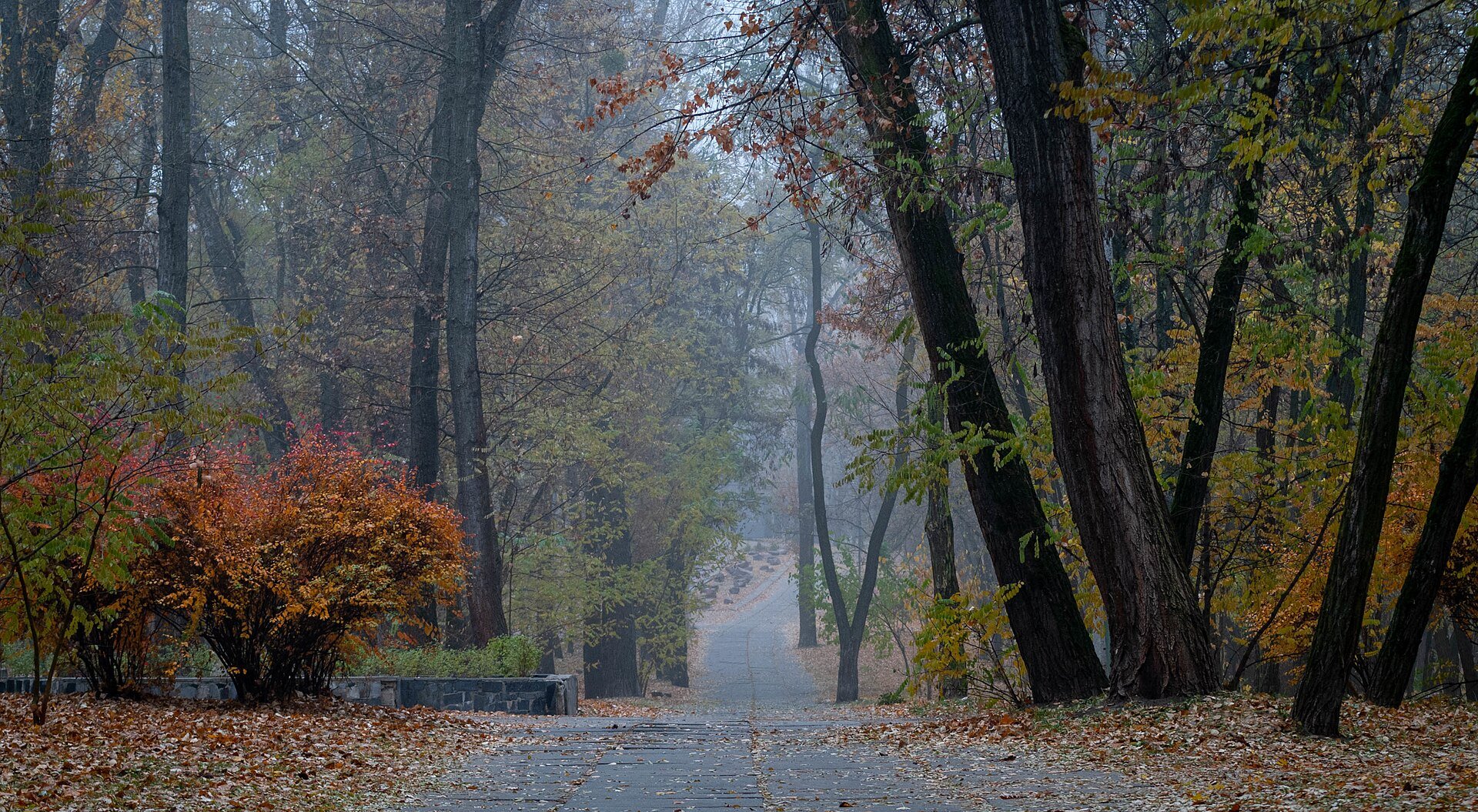
The site is open around the clock, and many Kyivans use it as an ordinary park. Remember that you are walking through a cemetery without graves. From Dorohozhychi metro station the Road of Sorrow leads to the Menorah. From there, paths take you to the Symbolic Synagogue, the Crystal Wall of Crying, the Soviet monument above the ravine itself and the memorial to Olena Teliha. Following Jewish custom, visitors leave small stones at the memorials. Commemorations are held here every year on 29 September.
People and eras

Photo gallery · 8 photos
Through the years
-
-
-
-
-
-
-
-
Video
Babyn Yar on screen
"Бабин Яр у пошуках пам'яті". Документальний фільм — Комітет 'Бабин Яр' Babyn Yar Committee · YouTube


Guide
Similar places
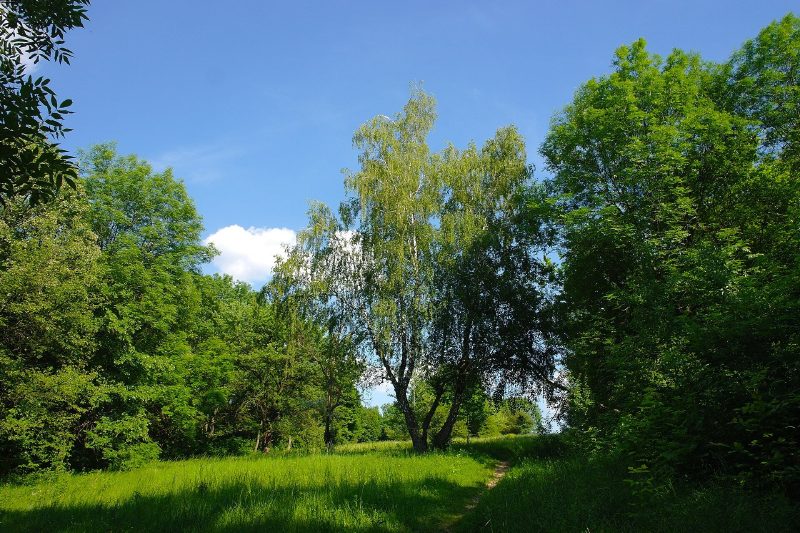 Lysa Hora (Bald Mountain)A hill above the Lybid river with tales of witches and a very real history: a Kyiv Fortress stronghold, an early-20th-century execution site, army depots — and now a wild steppe park.
 Stone labyrinth “Journey into Yourself”Anyone who likes to "go inside themselves" and reflect on what matters will be glad to know that Kyiv now has a special place for it: the stone labyrinth "Journey into Yourself". It is a stone path that lets you visit every corner of your inner world and find the answer to whatever question is troubling you at the moment. Which question? That is for you to decide.
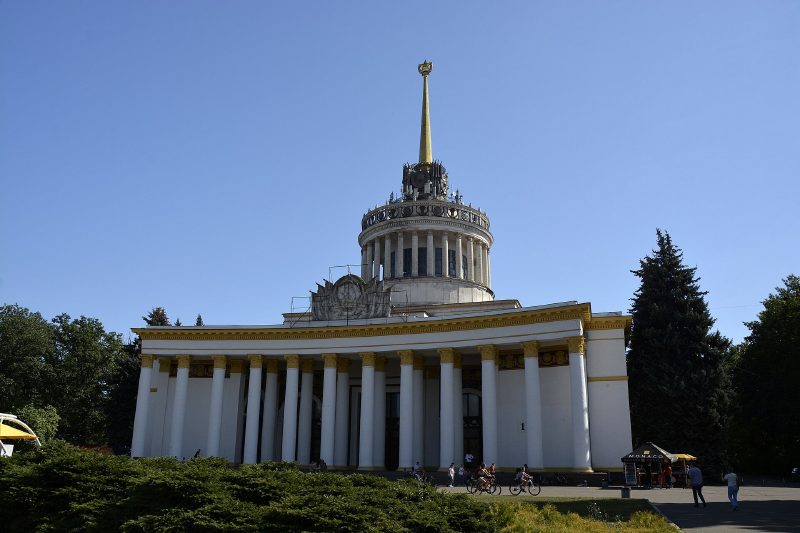 VDNH (Expocenter of Ukraine)A 1958 exhibition complex on the edge of Holosiiv Forest: the spired Main Pavilion, Stalinist and modernist pavilions, a large park and a busy festival calendar.


