
Writers and poets
Lesya Ukrainka
February 25, 1871 — August 1, 1913
- Poet and playwright
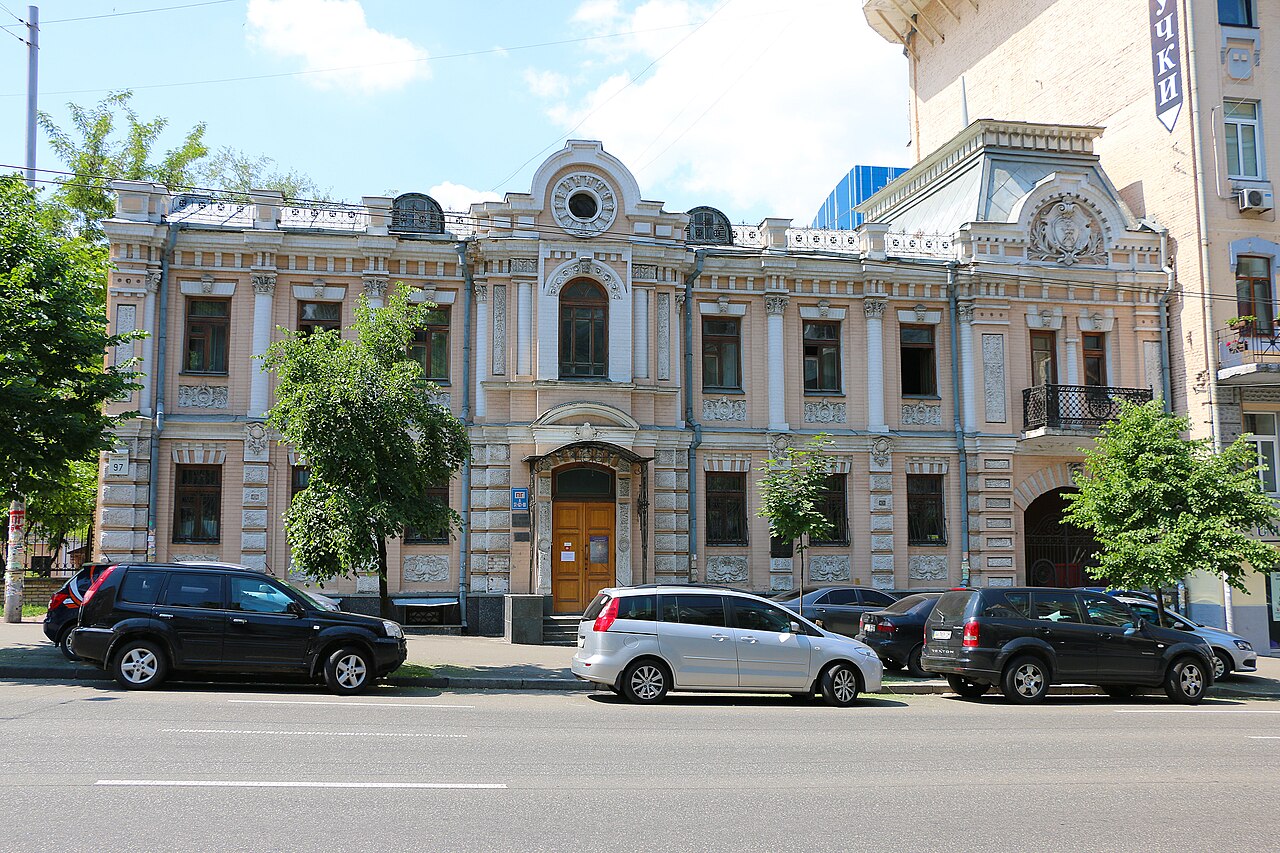
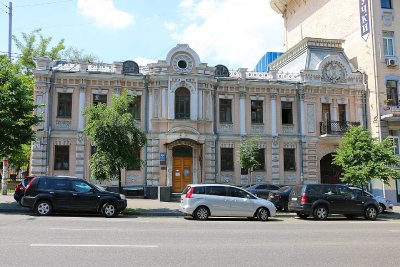
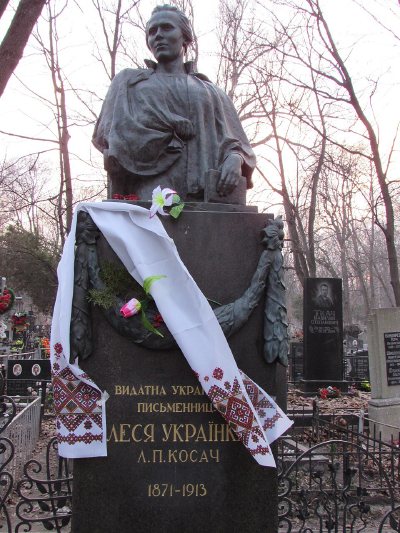
Author of The Forest Song, who lived in Kyiv from the 1880s. The Kosach family house at 97 Saksahanskoho St is now a museum, and she is buried in Baikove Cemetery.
No! I am alive! I shall live forever! I have in my heart that which does not die.
Biography
Lesya Ukrainka (born Larysa Kosach, married name Kosach-Kvitka) was born in 1871 in Volhynia, but her adult life was bound up with Kyiv. The Kosach family moved to the city in 1881, and Lesya, too ill to attend a gymnasium, was taught at home by private tutors. She took piano lessons from Olha O'Connor-Lysenko, the wife of the composer Mykola Lysenko, and attended Oleksandr Murashko's Kyiv drawing school.
In the late 1880s she co-founded the Kyiv literary circle Pleiada, where young writers translated world classics into Ukrainian and read their own work; her friends there included the children of Lysenko and the playwright Mykhailo Starytsky. Many of her critical essays were first given as talks at the Kyiv Literary and Artistic Society.
The house on Saksahanskoho Street
From 1899 to 1909 the Kosach family lived at 97 Mariinsko-Blahovishchenska Street (today Saksahanskoho Street). Lysenko, Starytsky and other figures of the Ukrainian cultural revival visited them there, and Lesya wrote there whenever she was not away in the south for treatment. The house is now the Lesya Ukrainka memorial museum, part of the Museum of Outstanding Figures of Ukrainian Culture, which also includes the Lysenko and Starytsky museums in neighbouring houses.
On 7 August 1907 she married the folklorist Klyment Kvitka in the Church of the Ascension in Demiivka, and the couple settled at 32 Velyka Pidvalna Street (now Yaroslaviv Val). In these years, despite severe tuberculosis, she wrote her greatest dramas: Cassandra, The Stone Host and The Forest Song (1911).
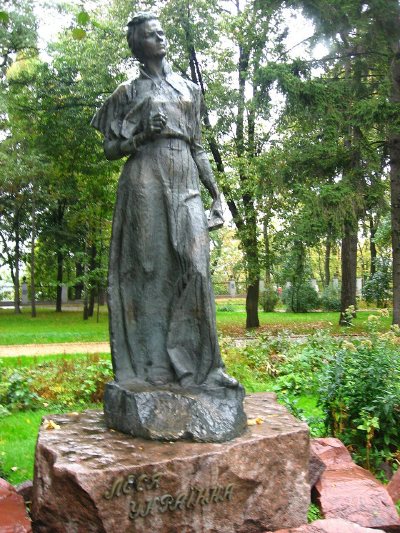
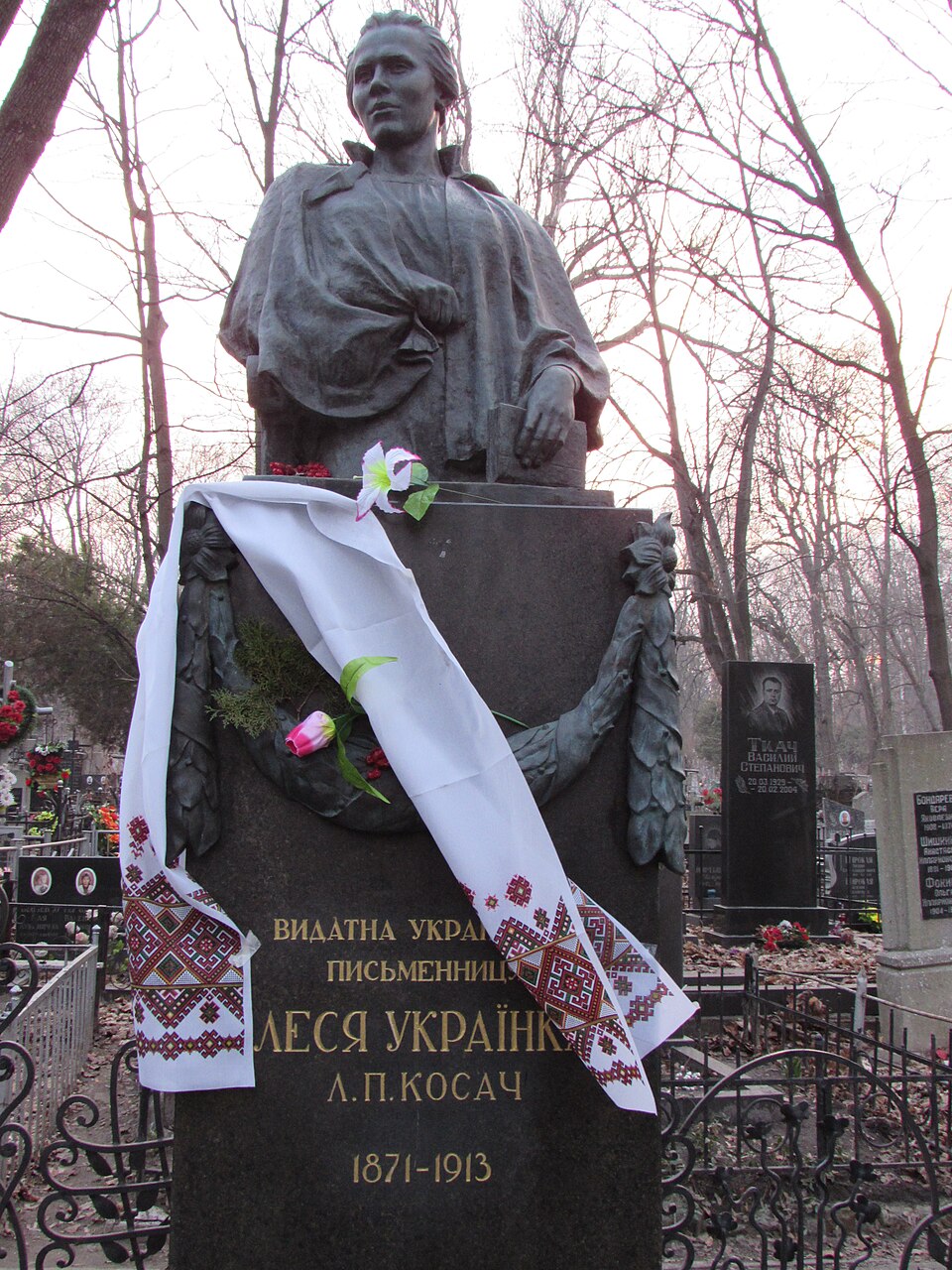
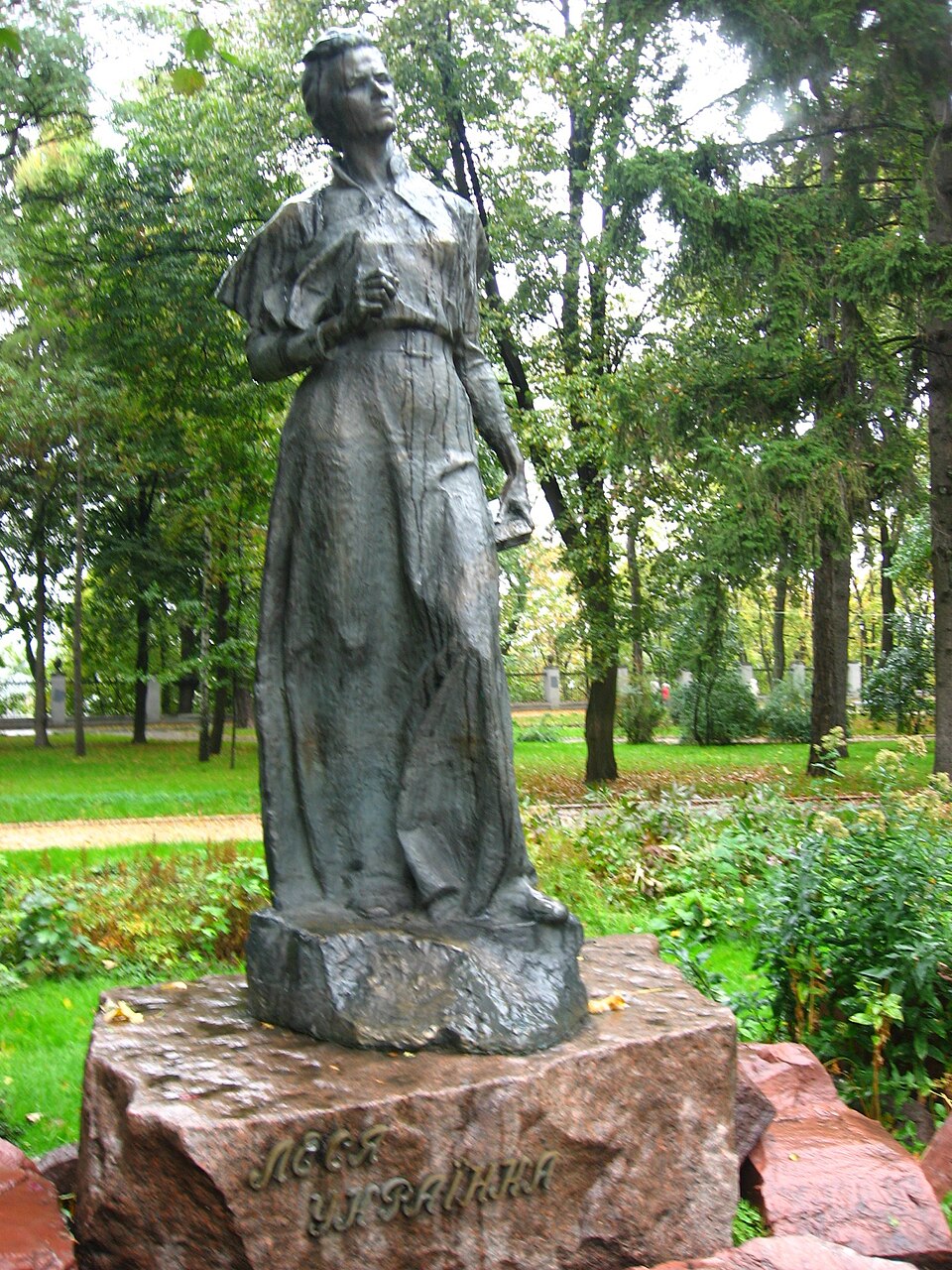
She died on 1 August 1913 in Surami, Georgia. Her body was brought back to Kyiv and buried in Baikove Cemetery, where a tombstone by Halyna Petrashevych was put up in 1939. A boulevard, a square (with Halyna Kalchenko's 1973 monument) and the National Academic Drama Theatre in Kyiv bear her name.
Life timeline
- 1871 Birth Born on 25 February in Novohrad-Volynskyi to Petro Kosach and the writer Olena Pchilka.
- 1881 Move to Kyiv The Kosach family settles in Kyiv; Lesya is taught at home by private tutors.
- 1888 Pleiada Co-founds the Kyiv youth literary circle Pleiada.
- 1893 On the Wings of Songs Her first poetry collection is published.
- 1899 97 Saksahanskoho St The family moves into the house that is now the museum and lives there until 1909.
- 1907 Marriage Marries Klyment Kvitka in the church in Demiivka.
- 1911 The Forest Song Writes the verse drama that became her best-known work.
- 1913 Death and funeral Dies in Surami and is buried in Baikove Cemetery, Kyiv.
Key achievements
- The Forest Song Her 1911 verse drama is one of the peaks of Ukrainian literature.
- Modern Ukrainian drama Cassandra, The Stone Host and The Boyar Woman brought Ukrainian drama to a European level.
- Pleiada Co-founded the Kyiv circle that translated world classics into Ukrainian.
Kyiv in their life
- 97 Saksahanskoho St — the Kosach family home (1899–1909), now the Lesya Ukrainka Museum.
- 32 Yaroslaviv Val (formerly Velyka Pidvalna St) — her home with her husband Klyment Kvitka from 1907.
- Church of the Ascension, Demiivka — where she married on 7 August 1907.
- Baikove Cemetery — her grave (tombstone by Halyna Petrashevych, 1939).
- Lesya Ukrainka Square — monument by Halyna Kalchenko (1973).
Places in our guide

Gallery
-
-
-