
Writers and poets
Taras Shevchenko
March 9, 1814 — March 10, 1861
- Poet and artist
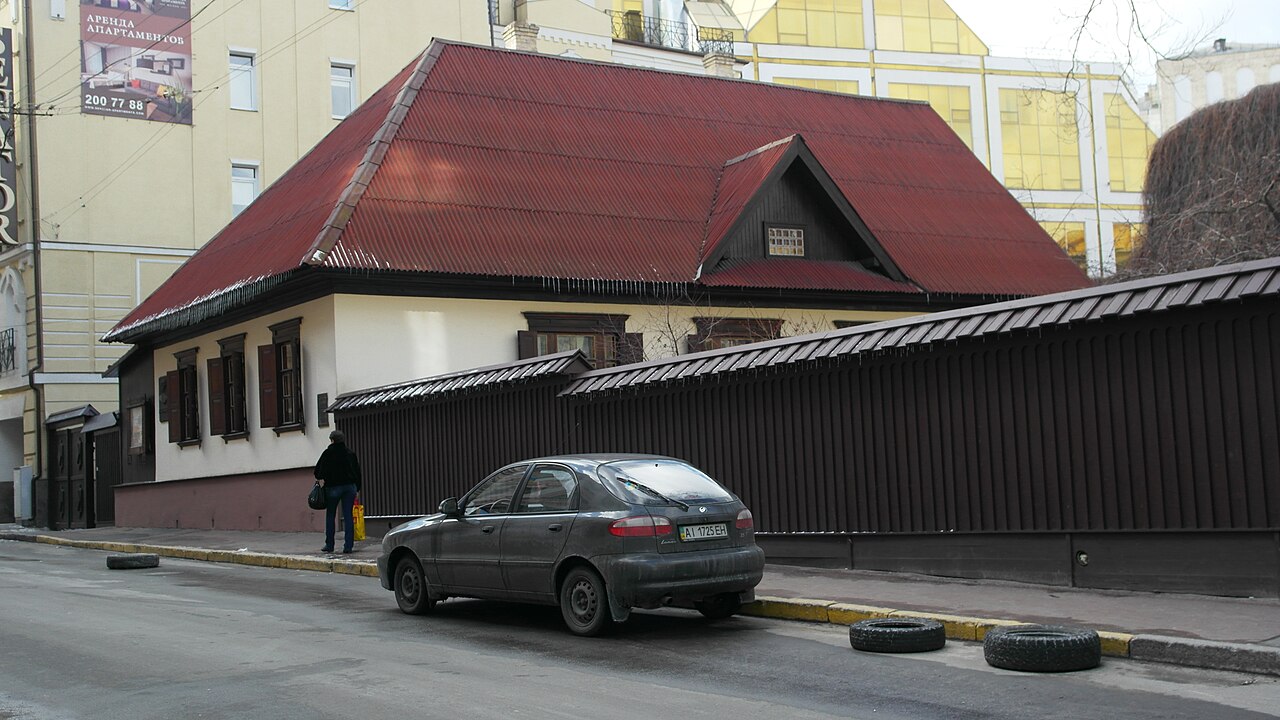
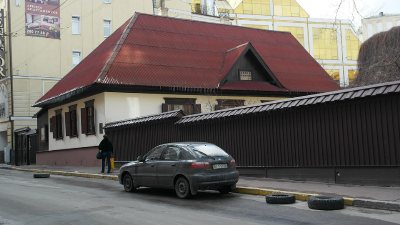
The author of Kobzar lived in Kyiv in 1846–1847 in a house on Kozyne Boloto (now a museum), worked for the Archaeographic Commission and was arrested here.
When I am dead, then bury me / In my beloved Ukraine, / My tomb upon a grave mound high / Amid the spreading plain.
Biography
Taras Shevchenko was born a serf on 9 March 1814 in the village of Moryntsi in the Kyiv region. Bought out of serfdom in 1838, he studied at the Academy of Arts in St Petersburg and in 1840 published Kobzar, the collection that made him Ukraine's national poet. He first came to Kyiv in June 1843, meeting the scholar Mykhailo Maksymovych, the writer Panteleimon Kulish and university students, and sketching views of the city.
On 10 December 1845 he joined the staff of the Kyiv Archaeographic Commission, travelling across the Kyiv region, Podillia and Volhynia to draw historic monuments. In spring 1846 he returned to Kyiv, living first on Instytutska Street and Khreshchatyk, and in May he moved into the house of the official Ivan Zhytnytsky in a lane on Kozyne Boloto (“Goat Swamp”), sharing it with the writer Oleksandr Afanasyev-Chuzhbynsky and the painter Mykhailo Sazhyn.
The Brotherhood and the arrest
In Kyiv Shevchenko grew close to the historian Mykola Kostomarov and the secret Brotherhood of Saints Cyril and Methodius, taking the most radical line against autocracy and serfdom. On 21 February 1847 he was confirmed as drawing teacher at Kyiv University, but he never taught there: on 17 April 1847 (5 April Old Style) he was arrested at the Dnipro crossing as he entered Kyiv, taken to St Petersburg and sent into exile as a private soldier.
Shevchenko died in St Petersburg on 10 March 1861 and was first buried in the Smolensky Cemetery. That May his coffin was brought to Ukraine; in Kyiv, university students unharnessed the horses and pulled it themselves across the Chain Bridge to the Church of the Nativity in Podil. On 22 May 1861 he was reburied on Chernecha Hill near Kaniv.
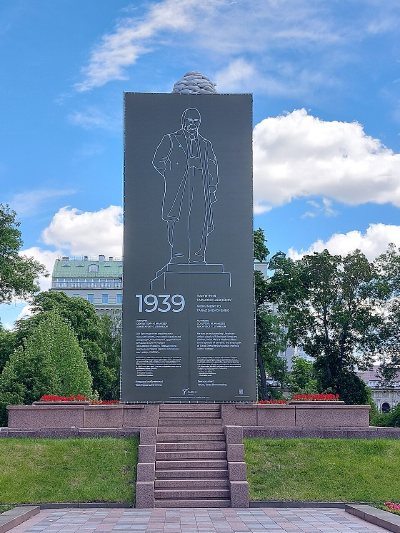
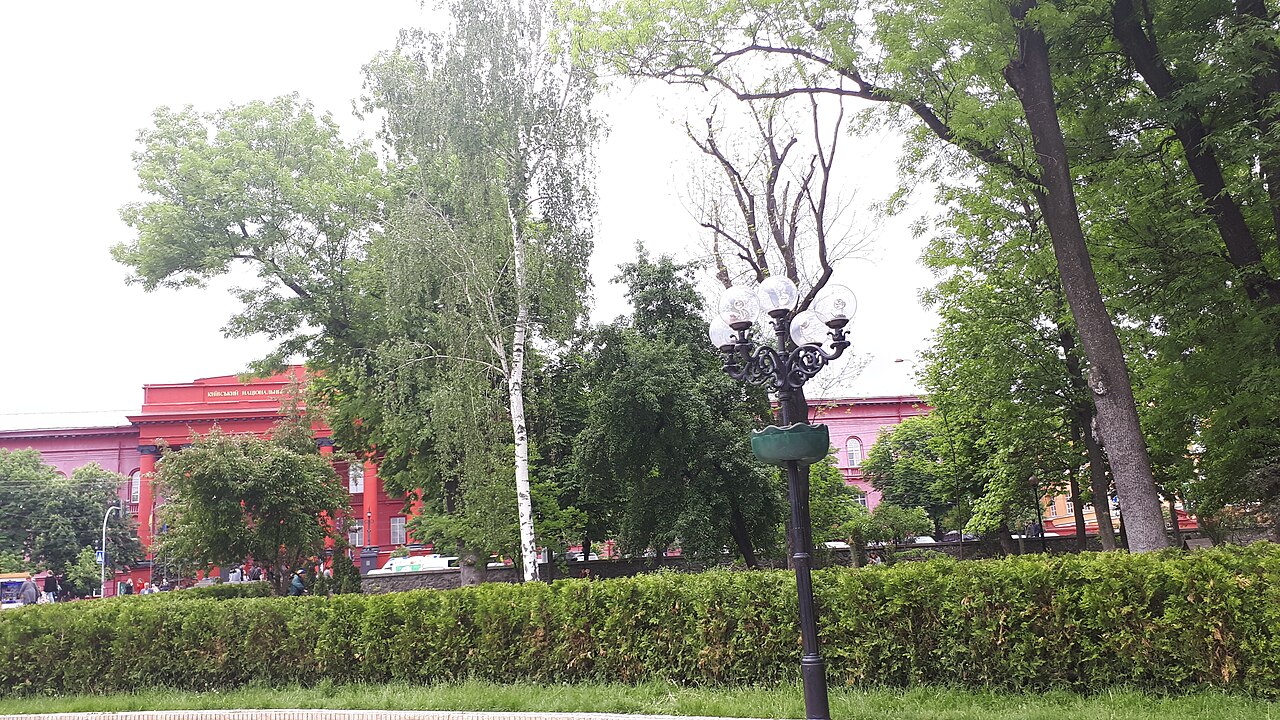
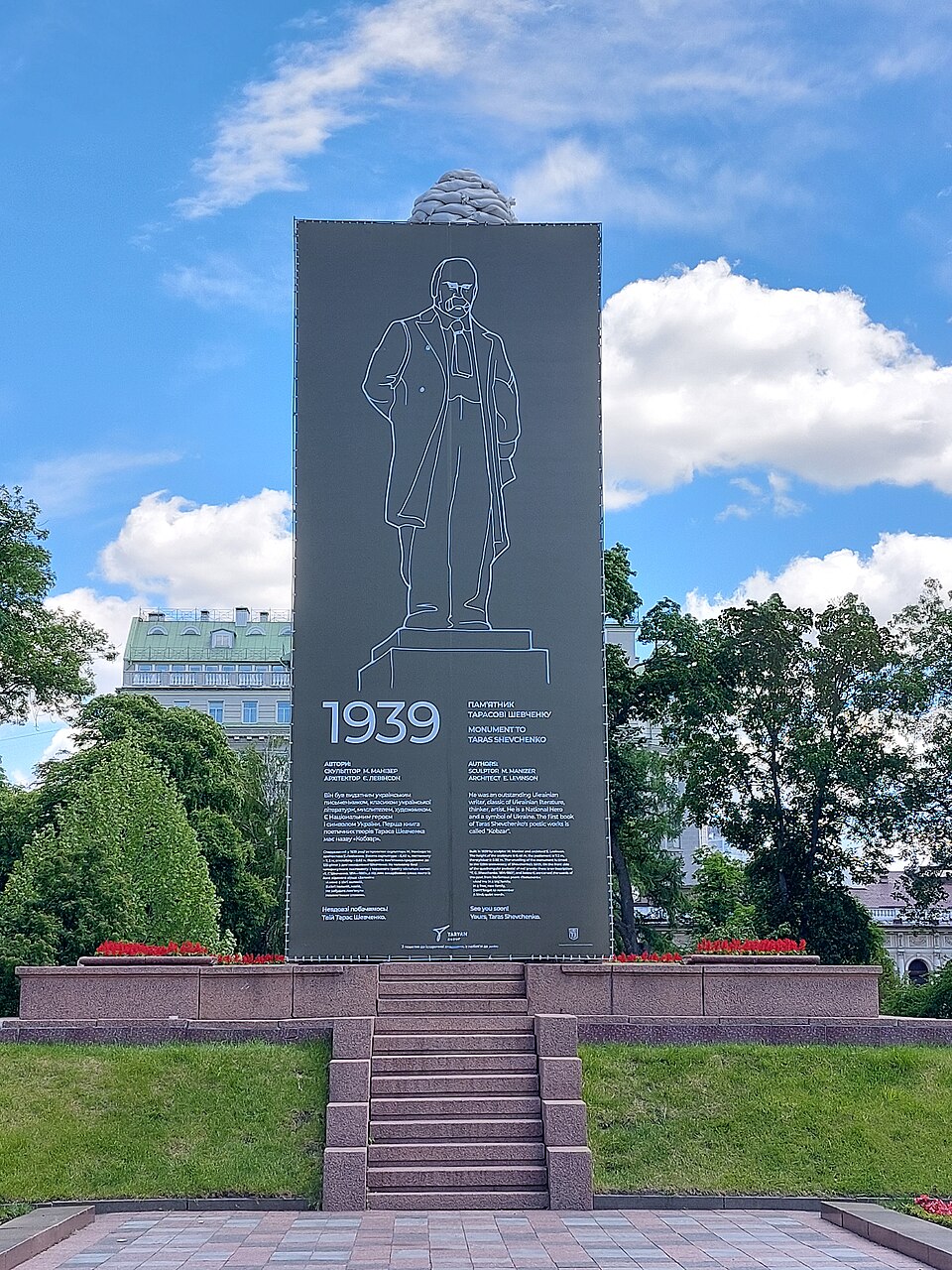
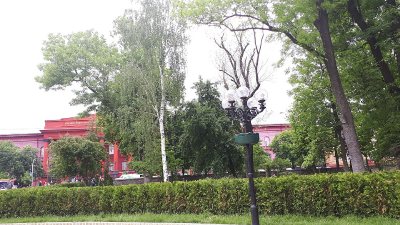
In Kyiv today his memory lives on in the Literary and Memorial House-Museum at 8-A Tarasa Shevchenka Lane (his first museum, opened in 1928), the National Taras Shevchenko Museum at 12 Shevchenko Boulevard, the university named after him since 1939, and Matvei Manizer's 1939 statue in Shevchenko Park opposite the university's Red Building. The building's colour is often explained by a legend about punishing rebellious students; in fact red and black are the colours of the ribbon of the Order of St Volodymyr, after which the university was named.
Life timeline
- 1814 Birth Born a serf on 9 March in Moryntsi, Kyiv region.
- 1840 Kobzar His first collection of poems is published in St Petersburg.
- 1843 First visit to Kyiv Meets Maksymovych, Kulish and Kyiv students.
- 1845 Archaeographic Commission Joins the commission's staff and draws historic monuments.
- 1846 Kozyne Boloto Moves into Zhytnytsky's house, today the house-museum.
- 1847 Arrest Arrested on entering Kyiv over the Cyril and Methodius Brotherhood.
- 1861 Death and reburial Dies in St Petersburg; his coffin passes through Kyiv on its way to Kaniv.
- 1939 Monument and university His statue is unveiled in the park and the university is named after him.
Key achievements
- Kobzar The collection that laid the foundation of modern Ukrainian literature.
- Painter of Kyiv His watercolours and drawings of 1840s Kyiv record how the city looked.
- Voice against serfdom His poetry and links with the Brotherhood cost him ten years of exile.
Kyiv in their life
- 8-A Tarasa Shevchenka Lane — Zhytnytsky's house on Kozyne Boloto, his home in 1846–1847 and a house-museum since 1928.
- 60 Volodymyrska St — the university's Red Building, where he was appointed drawing teacher in 1847.
- The Dnipro crossing — where he was arrested on 17 April 1847.
- Church of the Nativity, Podil — where his coffin rested in May 1861.
- Shevchenko Park — Matvei Manizer's monument (1939).
- 12 Taras Shevchenko Blvd — the National Taras Shevchenko Museum.
Places in our guide


Gallery
-
-
-