
Writers and poets
Maksym Rylsky
March 19, 1895 — July 24, 1964
- Poet and translator
- Born in Kyiv
Kyiv-born Neoclassicist poet and translator of Pan Tadeusz. He spent his last years in Holosiiv, at 7 Rylskoho St, where his house is now a museum.
Like the young shoots of the vine, / Tend your language.
Biography
Maksym Rylsky was born in Kyiv on 19 March 1895, the son of the ethnographer Tadei Rylsky. He grew up in the village of Romanivka in the Zhytomyr region and from 1908 attended Volodymyr Naumenko's private gymnasium in Kyiv. In 1915–1918 he studied medicine at St Volodymyr University and then history and philology at the Ukrainian People's University, finishing neither. His first collection, On the White Islands, came out in 1910, while he was still a schoolboy.
In the 1920s he was one of the Kyiv Neoclassicists, alongside Mykola Zerov, Pavlo Fylypovych and Mykhailo Drai-Khmara. Arrested on 19 March 1931, he spent about five months in Lukianivska Prison. After his release he compromised with the regime and wrote official verse too, yet remained a master craftsman, translating Mickiewicz's Pan Tadeusz, Pushkin's Eugene Onegin, Shakespeare and Voltaire.
From 1942 to 1964 Rylsky headed the Institute of Art Studies, Folklore and Ethnology, which now bears his name. From 1951 until his death he lived in leafy Holosiiv, in the house at today's 7 Maksyma Rylskoho Street, where he wrote Roses and Grapes (1957) and Holosiiv Autumn (1959). The house has been a literary memorial museum since 1968, and the neighbouring Holosiivskyi Park has been named after him since 1964. He died on 24 July 1964 and is buried in Baikove Cemetery.
Kyiv in their life
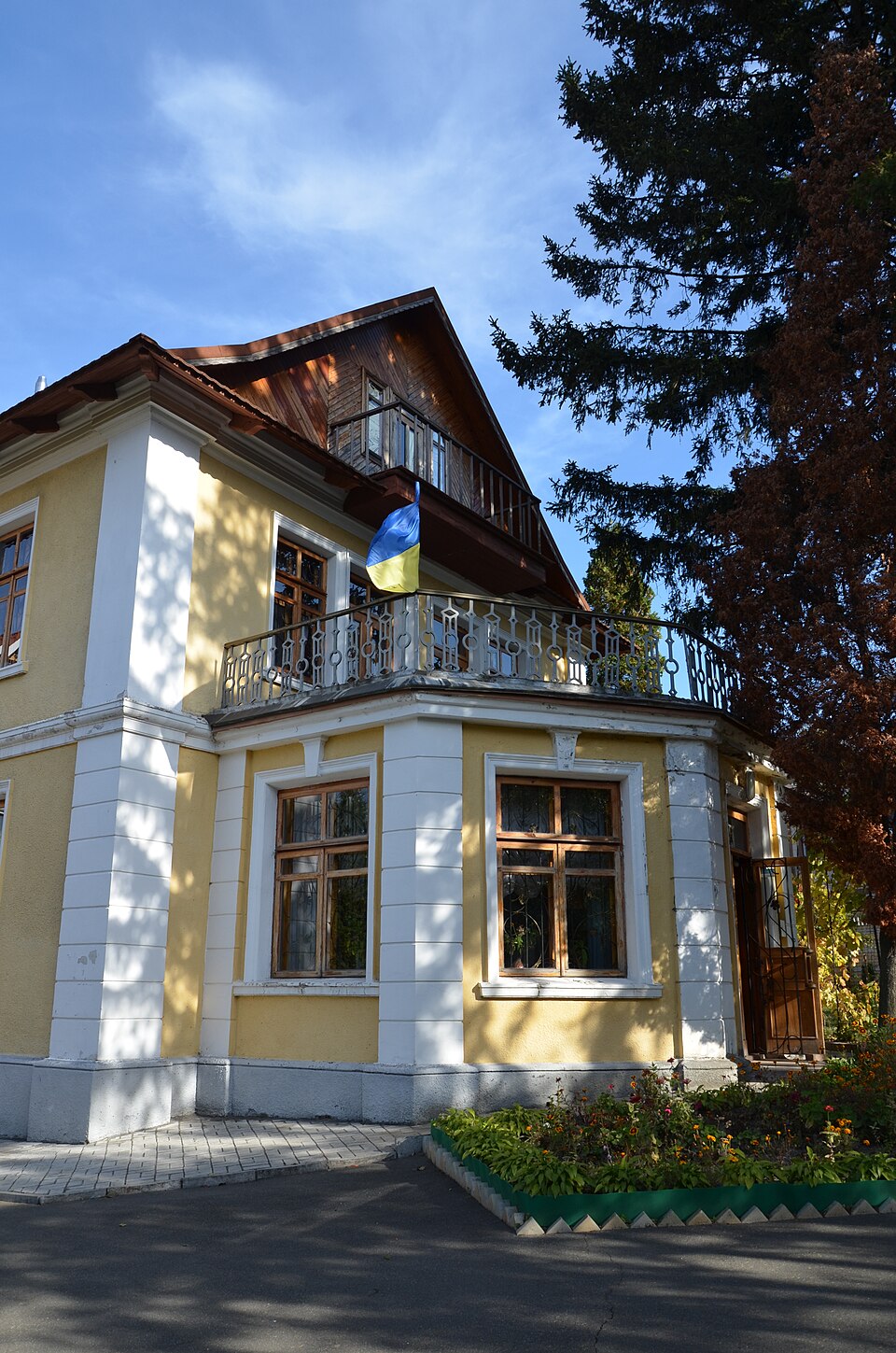
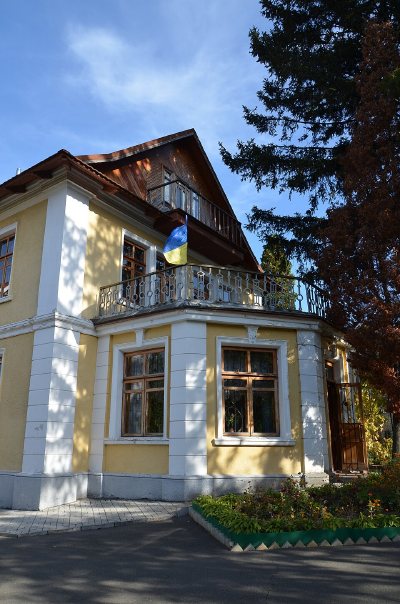
- 7 Maksyma Rylskoho St (Holosiiv) — his home in 1951–1964, a literary memorial museum since 1968.
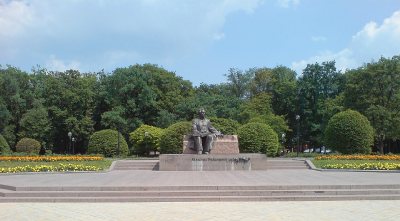
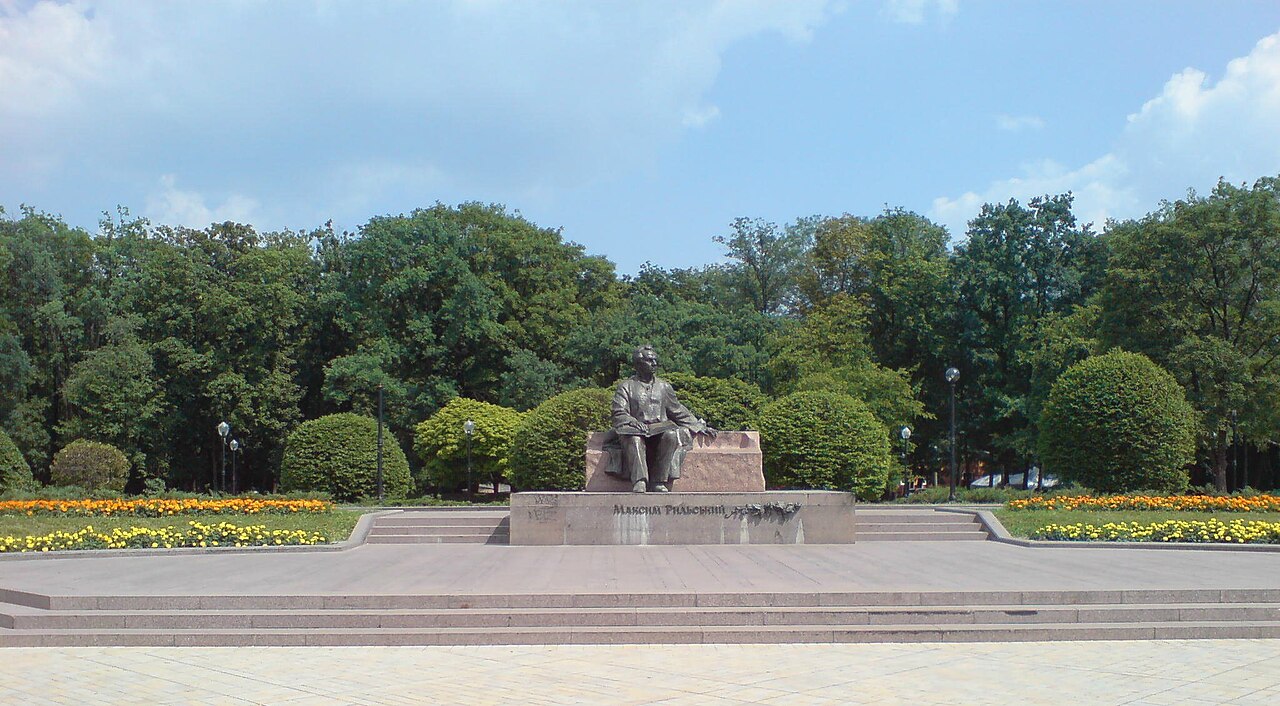
- Holosiivskyi Park named after Maksym Rylsky — named in his honour in 1964.
- Lukianivska Prison — where he was held in 1931.
- Baikove Cemetery — his grave.
Gallery
-
-